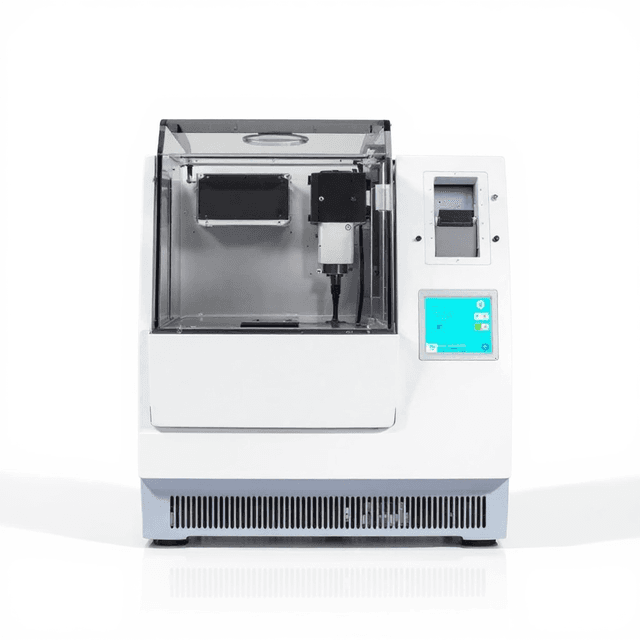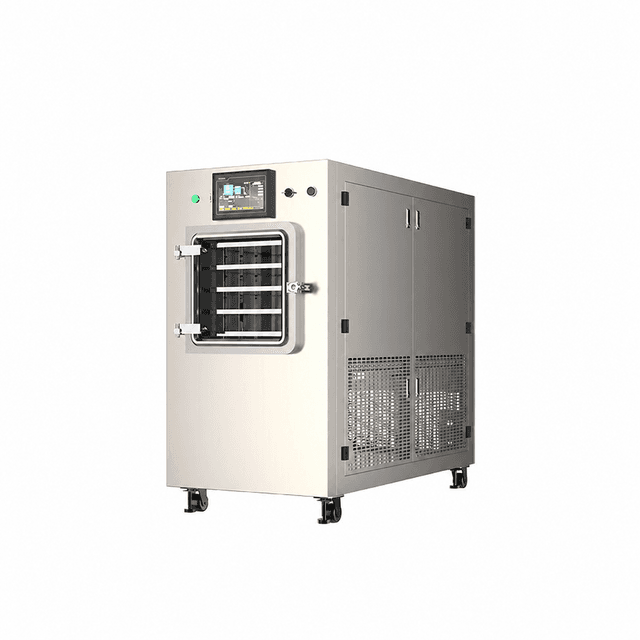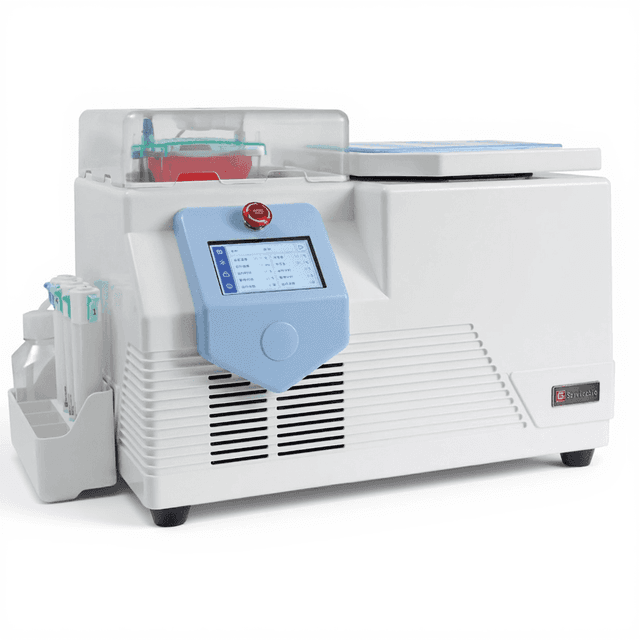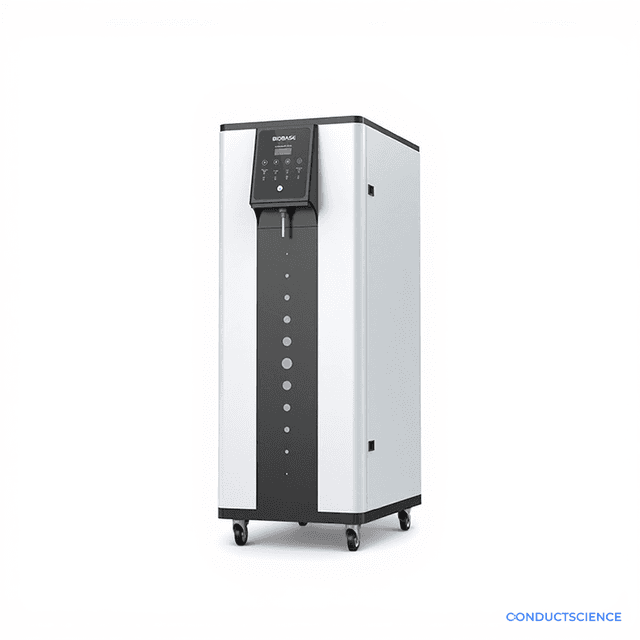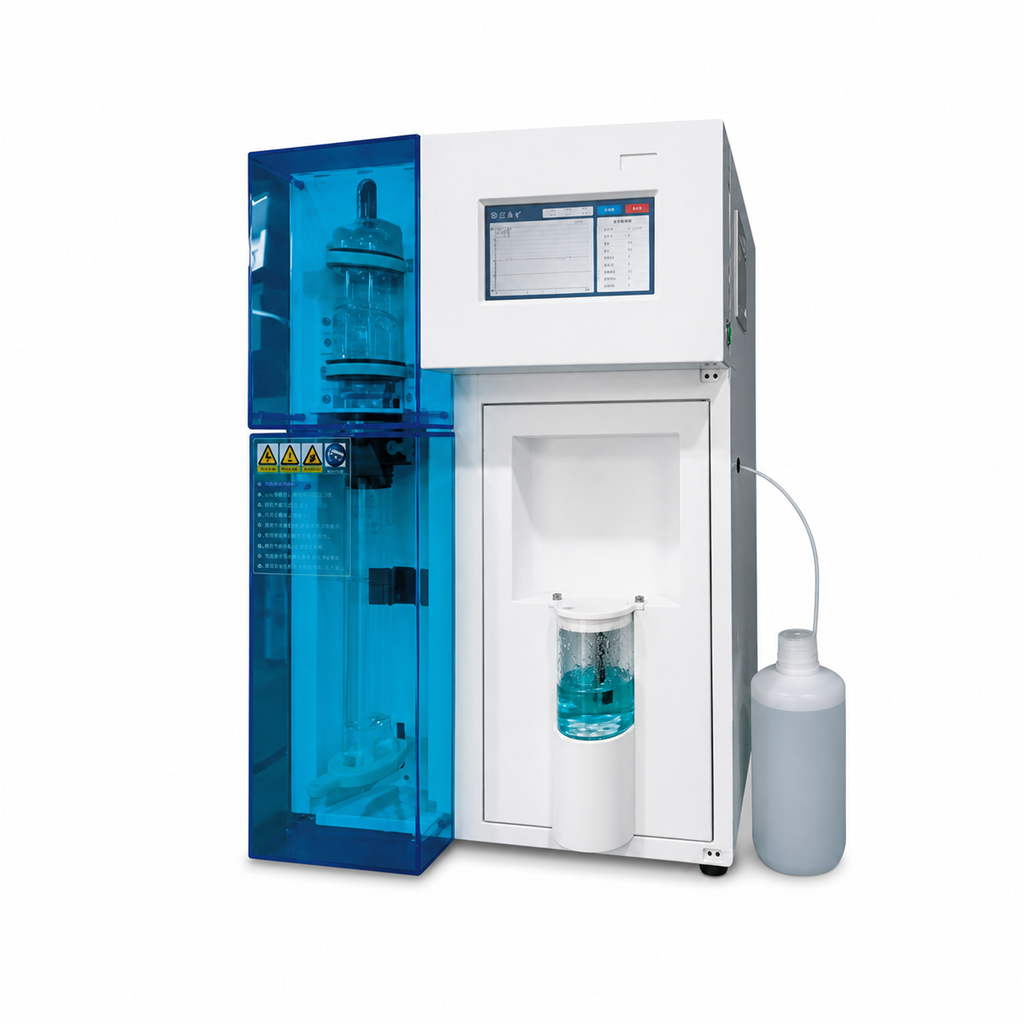
Fully-automatic Kjeldahl Nitrogen Analyzer
Fully-automatic Kjeldahl nitrogen analyzer with 0.1-240mg N measuring range, ≥99.5% recovery rate, and 3-8 minute processing time per sample for high-throughput protein and nitrogen content determination.

Louise Corscadden, PhD
Director of Science · ConductScience
Ask Louise about Fully-automatic Kjeldahl Nitrogen Analyzer fit, setup, configuration, or quote prep.
Already working with us? Sign in to connect this with My Scientist.
Key Specifications
Full details →- Model fit
- Configured during quote
- SKU family
- BIO-0459
- Shipping box
- 72.5 x 49.0 x 38.0 cm
- Ordering
- Online checkout and quote request available
- Category
- Benchtop Instruments
- Build notes
- Confirm accessories, station layout, and support needs before purchase
Product Overview
Professional-grade laboratory equipment for nitrogen analysis and chemical processing. This instrument combines precision, reliability, and ease of use for accurate results in research and quality control applications.
Key Features
- Precision-engineered design for consistent results
- User-friendly interface and operation
- Reliable performance in laboratory environments
- Durable construction for long-term use
- Safety features for operator protection
Applications
- Laboratory analysis and testing
- Quality control and assurance
- Research and development
- Educational institutions
- Industrial quality monitoring
Specifications
Detailed specifications available upon request. Contact support for complete technical documentation.
Setup & Support
- Professional installation and calibration
- Comprehensive user manual and training
- Technical support team assistance
- Regular maintenance recommendations
- Parts and accessories availability
Documentation
Complete technical documentation and operation manuals are provided with each instrument. Contact our support team for additional resources.
Warranty & Service
Comprehensive warranty coverage and professional service available. Our technical team is ready to support your laboratory operations.
How It Works
The Kjeldahl method operates through three sequential phases: digestion, distillation, and titration. During digestion, organic samples are heated with concentrated sulfuric acid and catalyst, converting organic nitrogen to ammonium sulfate. The automated system then performs alkaline distillation, where sodium hydroxide is added to convert ammonium salts to ammonia gas, which is distilled and captured in a boric acid solution.
The final titration phase employs automated acid titration with 1.0μL precision to quantify the captured ammonia. The system calculates nitrogen content based on the volume of titrant consumed, with built-in corrections for blank determinations. Temperature and pressure monitoring ensure consistent distillation conditions, while automated reagent level detection maintains process reliability throughout extended analytical runs.
Features & Benefits
Automation Level
- fully-automated
Measuring Range
- 0.1mg~240mg N
Recovery Rate
- ≥99.5%
Sample Amount
- Solid≤6g; Liquid≤25mL
Distillation Speed
- 3~8min/sample
Distillation Time
- 0~99min
Repeatability
- ≤0.5%
Titration Precision
- 1.0μl/step
Storage Data
- 1 million groups
Reagents Bottle Liquid Level Detection
- Yes
Protection Device
- Flow rate detection, liquid level alarm, over temperature and over pressure protection
Rated Power
- 2KW
External Size
- 490*380*725mm
Brand
- ConductScience
Research Domain
- Analytical Chemistry
- Environmental Monitoring
- Food Science
- Industrial Hygiene
- Materials Science
- Pharmaceutical QC
Display Type
- 7 inches LCD display
Power/Voltage
- Standard: 220V, 50/60Hz; Optional: 110V, 50/60Hz
Operating System
- Android
Built-in Storage
- 8GB
Steam Flow Adjustment
- 0% - 100%
Condensed Water Flow Rate
- 1.5L/min
Shipping weight
- 38.0 lb
Shipping box
- L: 72.5 cm
- W: 49.0 cm
- H: 38.0 cm
| Feature | This Product | Typical Alternative | Advantage |
|---|---|---|---|
| Automation Level | Fully-automatic operation from digestion through titration | Semi-automated models require manual intervention between process steps | Reduces operator time and eliminates technique-dependent variability between analysts |
| Sample Processing Speed | 3-8 minutes distillation time per sample | Manual systems often require 15-30 minutes per sample | Enables higher sample throughput for busy quality control laboratories |
| Titration Precision | 1.0μL step precision with automated endpoint detection | Manual titration typically achieves 10-50μL precision | Improves accuracy for low-nitrogen samples and enhances overall measurement precision |
| Data Management | 1 million data group storage with 7-inch LCD display | Basic models offer limited or no data storage | Supports comprehensive quality control trending and regulatory record-keeping requirements |
| Safety Systems | Flow rate detection, liquid level alarm, over-temperature and over-pressure protection | Entry-level systems may have minimal safety monitoring | Protects both operator and instrument during unattended operation with corrosive reagents |
| Recovery Performance | ≥99.5% recovery rate with ≤0.5% repeatability | Manual methods typically achieve 98-99% recovery | Meets stringent accuracy requirements for protein content determination in regulated industries |
This analyzer combines full automation, rapid processing, and high precision to deliver laboratory-grade nitrogen analysis with minimal operator intervention. The comprehensive safety systems and data management capabilities support both routine quality control and regulatory compliance workflows.
Practical Tips
Use certified reference materials spanning your typical sample concentration range to verify the ≥99.5% recovery specification during initial setup and routine maintenance.
Why: Ensures measurement accuracy across the full 0.1-240mg N operating range for diverse sample types.
Clean distillation glassware with dilute acid followed by distilled water rinse after every 50-100 samples to prevent carryover contamination.
Why: Maintains the ≤0.5% repeatability specification by eliminating nitrogen residues from previous analyses.
Process samples in duplicate and include blank determinations with each analytical batch to monitor system performance and detect contamination.
Why: Validates measurement precision and identifies systematic errors that could compromise protein content calculations.
Verify liquid level detection systems are functioning before starting extended analytical runs to prevent damage from empty reagent bottles.
Why: Prevents incomplete digestion or distillation that would compromise analytical results and potentially damage system components.
Monitor titration curves displayed on the LCD screen to identify irregular endpoint detection that may indicate reagent degradation or system issues.
Why: Early detection of analytical problems prevents reporting of inaccurate nitrogen content results in quality control applications.
If recovery rates drop below 99.5%, check catalyst activity in digestion acid and verify distillation temperature through the over-temperature protection system.
Why: Incomplete nitrogen conversion during digestion is the most common cause of low recovery in automated Kjeldahl analysis.
Setup Guide
What’s in the Box
- Fully-automatic Kjeldahl nitrogen analyzer main unit
- Power cable (220V standard or 110V optional)
- Reagent bottles and tubing set (typical)
- Sample holders and digestion tubes (typical)
- User manual and operation guide
- Calibration certificate (typical)
- Software installation media (typical)
Warranty
ConductScience provides a standard one-year manufacturer warranty covering parts and labor, with comprehensive technical support for installation, calibration, and troubleshooting assistance.
Compliance
What sample preparation is required before analysis?
Solid samples should be homogenized and weighed to ≤6g, while liquid samples require only measurement to ≤25mL. Highly volatile samples may need pre-treatment to prevent nitrogen loss during digestion.
How does the automated titration system determine endpoints?
The system uses potentiometric endpoint detection with 1.0μL precision stepping. The 7-inch LCD display shows real-time titration curves, and the system automatically calculates nitrogen content from titrant consumption.
What reagents are required for operation?
Standard Kjeldahl reagents include concentrated sulfuric acid with catalyst for digestion, sodium hydroxide solution for distillation, boric acid indicator solution for ammonia capture, and standardized hydrochloric acid for titration.
Can the system handle different nitrogen concentration ranges?
Yes, the 0.1-240mg N range accommodates low-nitrogen samples like some beverages up to high-protein materials like meat and grain products without requiring dilution steps.
What maintenance is required for consistent performance?
Regular cleaning of distillation glassware, replacement of reagents before expiration, and periodic calibration verification using certified reference materials maintain the ≥99.5% recovery specification.
How is data exported from the 1 million group storage system?
Consult product datasheet for specific data export formats and connectivity options. The LCD display provides access to stored analytical results for review and quality control trending.
What safety features protect against acid and caustic exposure?
The system includes liquid level detection to prevent dry running, over-temperature protection during digestion, and automated flow rate monitoring to ensure proper reagent delivery and containment.
Have a question about this product?
Have a question? Just ask.
Send it over and we'll email you a personalized answer — no call, no scheduling.
Prefer to talk it through?