Gluten Index Tester
Measure gluten content, gluten index, and water retention in wheat flour.
Includes host, index apparatus & dryer. Adjustable mixing, washing & centrifugation settings.

Louise Corscadden, PhD
Director of Science · ConductScience
Ask Louise about Gluten Index Tester fit, setup, configuration, or quote prep.
Already working with us? Sign in to connect this with My Scientist.
Key Specifications
Full details →- Model fit
- Configured during quote
- SKU family
- AGR-0046
- Sizing
- Model-specific dimensions confirmed from the selected configuration
- Ordering
- Quote-reviewed before fulfillment
- Category
- Agriculture & Food Science
- Build notes
- Confirm accessories, station layout, and support needs before purchase
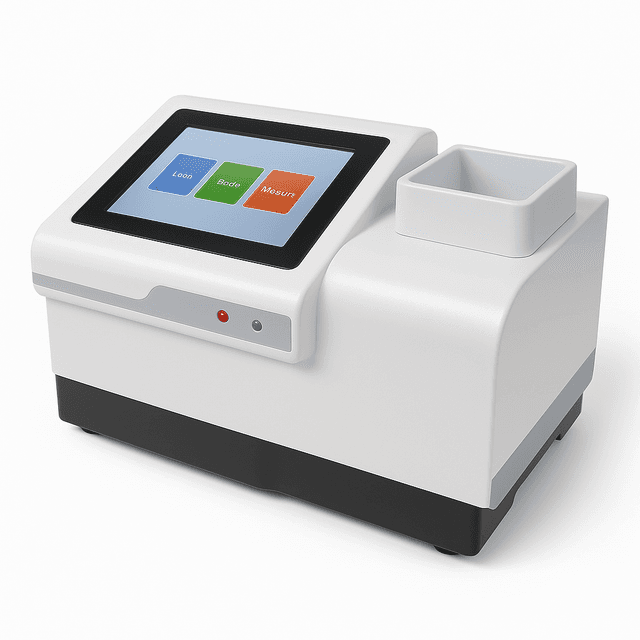
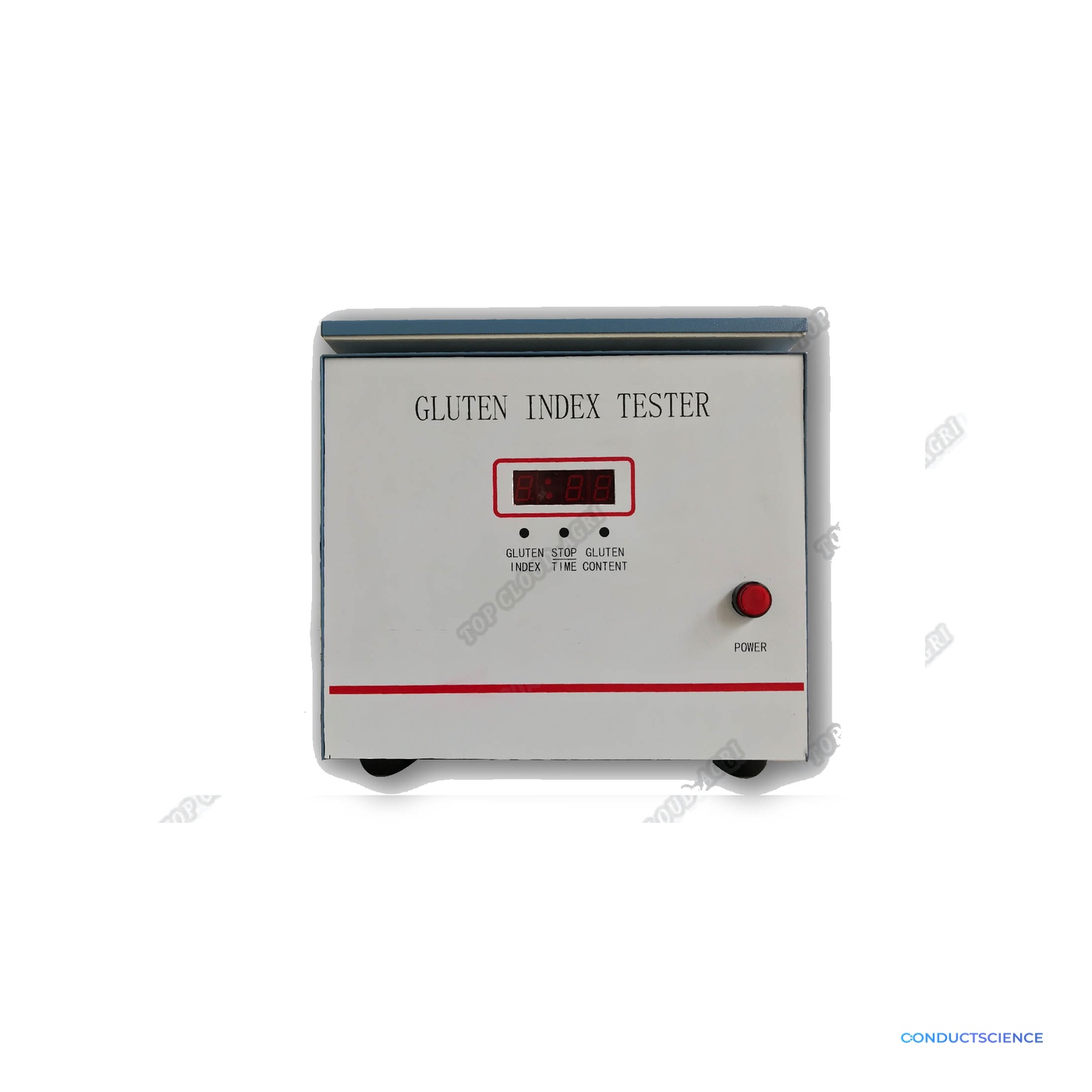
The Gluten Index Tester is a dedicated analytical instrument for measuring gluten content, gluten index, and water retention rate in wheat flour and whole wheat flour. These three parameters are the core quality indicators millers and grain scientists use to assess flour protein strength, dough-forming potential, and baking performance — and having all three from a single, integrated system streamlines flour characterization workflows considerably.
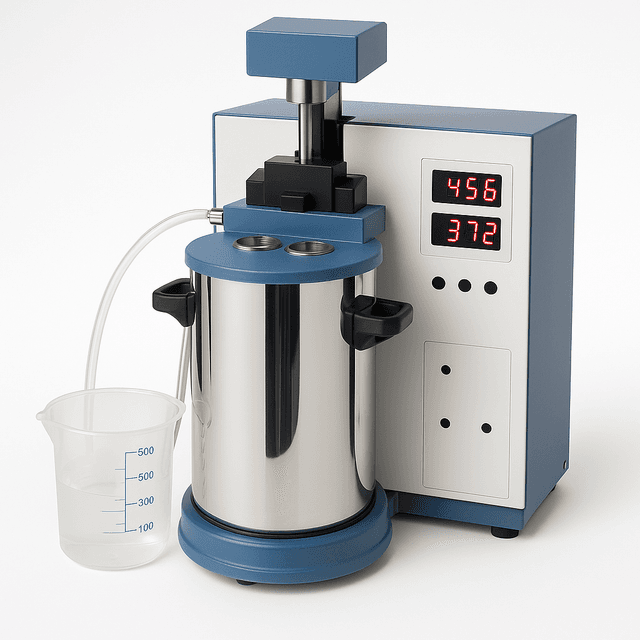
The instrument combines a dough-mixing stage, a controlled washing stage, and a centrifugation stage to isolate and evaluate the gluten fraction. Adjustable dough-mixing time (1–59 seconds), washing time (up to 99 minutes), and two selectable centrifugation speeds (3,000 and 6,000 r/min) give analysts the flexibility to match test parameters to specific flour types or standard protocols. The set includes the host machine, index apparatus, and a dedicated dryer, so the complete measurement workflow is covered out of the box.
The tester is well suited to food processing facilities, flour mills, grain storage operations, and academic or government grain research laboratories. It supports accuracy testing of both refined wheat flour and whole wheat flour, making it applicable across quality-control, procurement grading, and applied research contexts.
Because gluten index is the primary comparative qualifier buyers evaluate when selecting wheat varieties or flour lots, having a purpose-built tester — rather than adapting general rheology equipment — provides consistent, reproducible results aligned with internationally recognized gluten testing methodology.
Agitator Rotation Speed
- 120 ± 2 r/min
Fine-Wash Mesh Size
- 80 µm (200 mesh) metal sieve
Coarse-Wash Mesh Size
- 800 µm (26 mesh) metal sieve
Washing Liquid Flow Rate
- 50–56 mL/min
Dough Mixing Time (adjustable)
- 1–59 s, digital, 1-second increments
Washing Time (adjustable)
- 1–59 s; 1–99 min, digital
Centrifugation Time (adjustable)
- 1–59 s; 1–99 min, digital
Centrifugation Speed (adjustable)
- 3,000 r/min or 6,000 r/min ± 5 r/min
Centrifuge Mesh Box Aperture
- 500 µm
Centrifugation Acceleration
- 2,000 g
Dryer Temperature Range
- 150–200 °C
Working Voltage
- AC 220 V ± 5%, 50 Hz
What parameters does this instrument measure?
The Gluten Index Tester measures three parameters: gluten content (the amount of gluten present in the flour), gluten index (a measure of gluten strength or quality), and gluten water retention rate. Together these give a comprehensive picture of flour protein character.
Which flour types can be tested?
The instrument is designed for accuracy testing of both refined wheat flour and whole wheat flour, making it suitable for a wide range of milling and grain research applications.
What is included in the complete set?
The package includes the host machine, the gluten index apparatus, and a dryer. This covers the full workflow from dough mixing and gluten washing through centrifugation and drying without requiring separate ancillary equipment.
Are the mixing, washing, and centrifugation times adjustable?
Yes. Dough mixing time is digitally adjustable from 1 to 59 seconds (in one-second increments). Washing time and centrifugation time are each independently adjustable from 1 second up to 99 minutes. Centrifugation speed can be set to either 3,000 or 6,000 r/min (±5 r/min), giving analysts control over test conditions to match specific protocols.
What are the sieve and mesh specifications used in the washing stage?
The system uses two metal sieves: a fine-wash mesh with an 80 µm aperture (200 mesh) and a coarse-wash mesh with an 800 µm aperture (26 mesh). The centrifuge mesh box has a 500 µm aperture. These standardized sieve sizes ensure consistent gluten fraction separation.
Have a question about this product?
Have a question? Just ask.
Send it over and we'll email you a personalized answer — no call, no scheduling.
Prefer to talk it through?
Frequently Bought Together