IRIS and Stevens Scissors
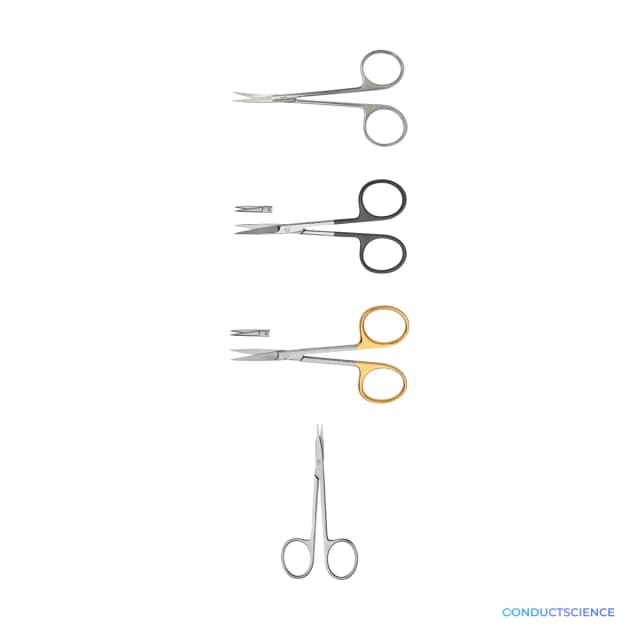
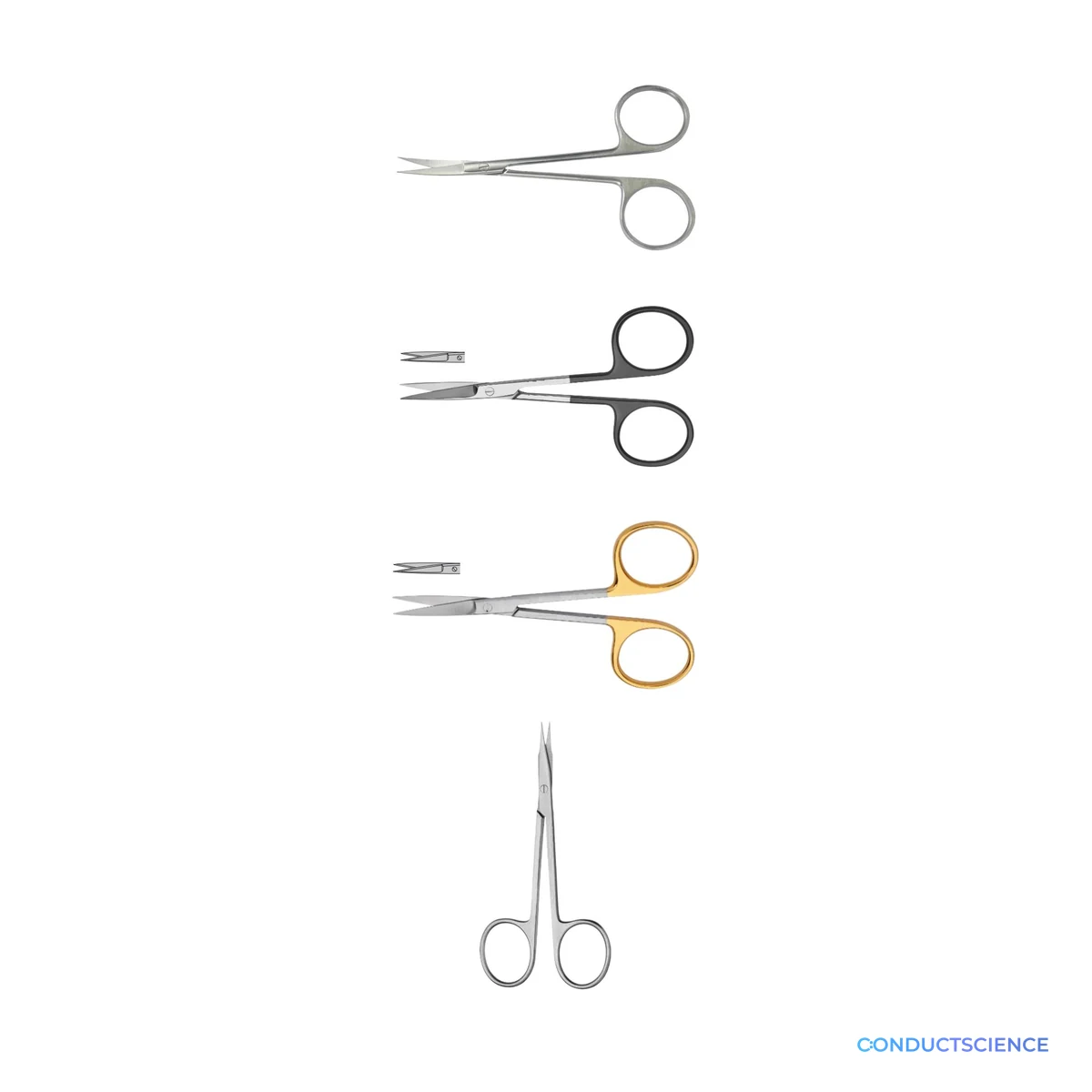
Selectable IRIS and Stevens scissors family for fine cutting, delicate tissue trimming, suture work, small-animal dissection, and microscope-adjacent surgical tray buildouts, with stainless steel IRIS options in 9 cm, 10 cm, and 11.5 cm lengths, tungsten-carbide and ceramic-tungsten IRIS options, and 11 cm Stevens straight or curved configurations.

Louise Corscadden, PhD
Director of Science · ConductScience
Ask Louise about IRIS and Stevens Scissors fit, setup, configuration, or quote prep.
Already working with us? Sign in to connect this with My Scientist.
Key Specifications
Full details →- Model fit
- 13 selectable configurations
- SKU family
- CS-SRG-IRIS-STEVENS-SCISSORS
- Sizing
- Model-specific dimensions confirmed from the selected configuration
- Ordering
- Online checkout and quote request available
- Category
- Surgical Instruments
- Build notes
- Stainless steel, serrated stainless steel, tungsten carbide, and ceramic-tungsten IRIS options
Overview
The IRIS and Stevens Scissors page groups short fine scissors that a research lab commonly compares when building a small-animal dissection or microsurgery tray. The source family includes IRIS scissors in stainless steel, serrated stainless steel, tungsten-carbide, and ceramic-tungsten options, plus Stevens scissors in straight sharp/sharp, straight blunt/blunt, and curved blunt/blunt configurations.
IRIS scissors are the compact fine-scissor path for precise cutting, trimming, and suture work. Stainless steel straight and curved options cover 9 cm, 10 cm, and 11.5 cm lengths. The serrated 11.5 cm option adds grip at the cutting surface, while the tungsten-carbide and ceramic-tungsten IRIS options support labs that want a premium cutting-edge material for repeated fine work.
Scientific Use
Use this family when standard operating scissors are too broad for the field and the lab needs a short fine scissor for small-animal dissection, tissue trimming, ophthalmic-style access, suture removal, delicate soft-tissue work, or microscope-adjacent preparation. Stevens configurations add a different fine-scissor pattern for labs that need 11 cm straight or curved options, including blunt/blunt tips for tissue-separation and delicate handling decisions.
The family page keeps the scientist on one comparison surface: choose IRIS or Stevens, choose straight or curved, choose sharp/sharp or blunt/blunt tip style, then choose stainless, serrated stainless, tungsten-carbide, or ceramic-tungsten material when those source-backed options matter for the tray.
Buying Fit
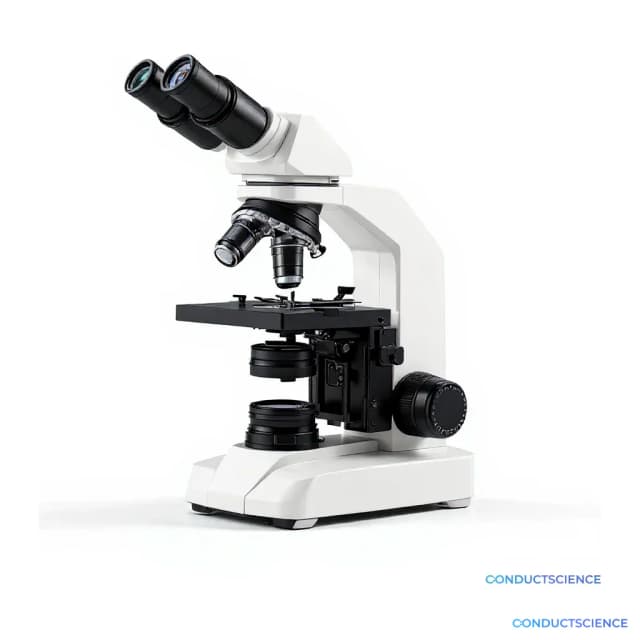
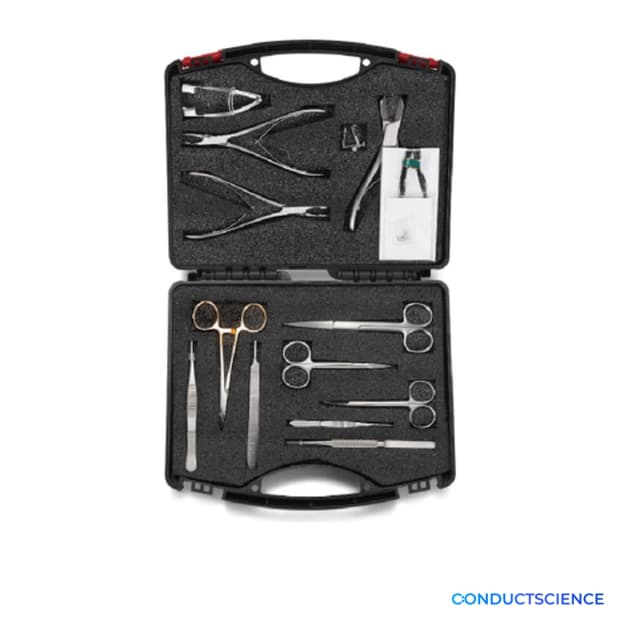
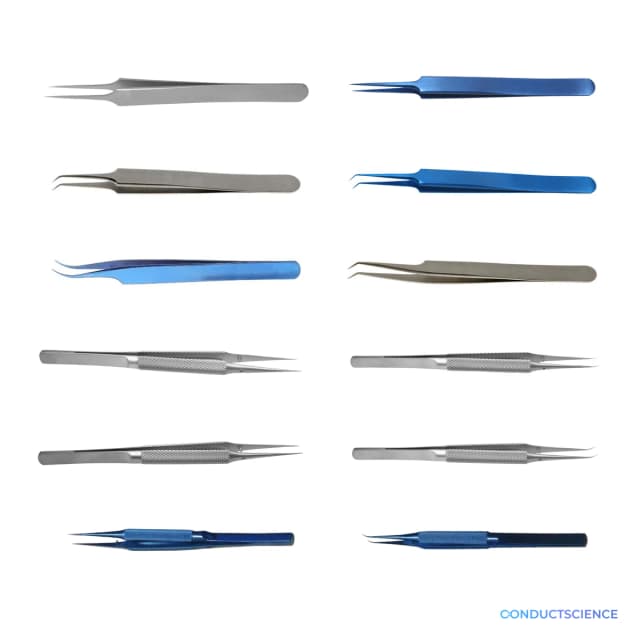
Choose this listing when the lab needs fine scissors for a tray refresh rather than a full procedure kit. Pair the selected configuration with micro scissors, Vannas scissors, micro tweezers, forceps, needle holders, magnification, anesthesia, warming, and sterile-field supplies when building a complete small-animal surgical station.
Features & Benefits
Scissor patterns
- IRIS and Stevens fine scissors
Blade choices
- Straight or curved configurations
Tip styles
- Sharp/sharp and blunt/blunt options
Material options
- Stainless steel, serrated stainless steel, tungsten carbide, and ceramic-tungsten IRIS options
Overall length
- IRIS: 9 cm, 10 cm, or 11.5 cm; Stevens: 11 cm
Use fit
- Fine cutting, tissue trimming, suture work, delicate dissection, and tray completion
| Model | SKU | Listed price | Status | Shipping box |
|---|---|---|---|---|
| IRIS straight stainless steel, sharp/sharp, 9 cm | CS-SRG-IRIS-STR-SS-SHSH-90 | $24.99 | Available | Confirmed during quote |
| IRIS curved stainless steel, sharp/sharp, 9 cm | CS-SRG-IRIS-CVD-SS-SHSH-90 | $24.99 | Available | Confirmed during quote |
| IRIS straight stainless steel, sharp/sharp, 10 cm | CS-SRG-IRIS-STR-SS-SHSH-100 | $27.99 | Available | Confirmed during quote |
| IRIS curved stainless steel, sharp/sharp, 10 cm | CS-SRG-IRIS-CVD-SS-SHSH-100 | $27.99 | Available | Confirmed during quote |
| IRIS straight stainless steel, sharp/sharp, 11.5 cm | CS-SRG-IRIS-STR-SS-SHSH-115 | $29.99 | Available | Confirmed during quote |
| IRIS curved stainless steel, sharp/sharp, 11.5 cm | CS-SRG-IRIS-CVD-SS-SHSH-115 | $29.99 | Available | Confirmed during quote |
| IRIS straight serrated stainless steel, sharp/sharp, 11.5 cm | CS-SRG-IRIS-STR-SERR-SS-SHSH-115 | $34.99 | Available | Confirmed during quote |
| IRIS straight tungsten carbide, sharp/sharp, 11.5 cm | CS-SRG-IRIS-STR-TC-SHSH-115 | $41.99 | Available | Confirmed during quote |
| IRIS straight ceramic-tungsten, 10 cm | CS-SRG-IRIS-STR-CTC-100 | $63.99 | Available | Confirmed during quote |
| IRIS curved ceramic-tungsten, 10 cm | CS-SRG-IRIS-CVD-CTC-100 | $63.99 | Available | Confirmed during quote |
| Stevens straight stainless steel, sharp/sharp, 11 cm | CS-SRG-STEVENS-STR-SS-SHSH-110 | $34.99 | Available | Confirmed during quote |
| Stevens straight stainless steel, blunt/blunt, 11 cm | CS-SRG-STEVENS-STR-SS-BLBL-110 | $88.99 | Available | Confirmed during quote |
| Stevens curved stainless steel, blunt/blunt, 11 cm | CS-SRG-STEVENS-CVD-SS-BLBL-110 | $88.99 | Available | Confirmed during quote |
Practical Tips
Choose IRIS or Stevens first, then select blade shape, tip style, length, and material from the variant menu.
Why: Those are the source-supported differences that determine whether the scissors fit direct cutting, curved access, sharp trimming, blunt-tip handling, or premium cutting-surface preference.
Pair the scissors with micro tweezers, forceps, needle holders, Vannas or micro scissors, magnification, anesthesia, and warming when building a small-animal surgical station.
Why: IRIS and Stevens scissors are usually one cutting option inside a broader fine-instrument workflow.
Use a protective instrument tray or case and keep the tips separated from heavier instruments during cleaning and storage.
Why: Fine scissors depend on tip alignment and blade condition for consistent cutting performance.
Setup Guide
What’s in the Box
- 1 x selected IRIS or Stevens scissors configuration
- Configuration selected by scissor pattern, blade shape, tip style, material, and overall length
Warranty
Support, replacement, and fulfillment terms are confirmed with the final quote and institutional purchasing requirements.
Compliance
Which IRIS and Stevens Scissors configurations are available?
The page includes stainless steel IRIS scissors in straight or curved 9 cm, 10 cm, and 11.5 cm options; straight serrated stainless IRIS; straight tungsten-carbide IRIS; straight or curved ceramic-tungsten IRIS; and 11 cm Stevens straight sharp/sharp, straight blunt/blunt, and curved blunt/blunt options.
When should I choose IRIS instead of Stevens scissors?
Choose IRIS scissors when the lab needs compact fine scissors for precise cutting, trimming, or suture work. Choose Stevens scissors when the workflow benefits from the Stevens pattern or the listed 11 cm straight/curved blunt-tip options.
When should I choose straight versus curved scissors?
Straight scissors fit direct approach cuts. Curved scissors help the operator work at an angle around tissue, forceps, retractors, or a microscope field.
What do the tungsten-carbide and ceramic-tungsten options change?
They are premium IRIS material options for labs that want a specialty cutting surface in the fine-scissor tray. The source page lists tungsten-carbide IRIS at 11.5 cm and ceramic-tungsten IRIS at 10 cm.
What should be ordered with these scissors for a complete small-animal surgery station?
A complete station may include micro scissors, Vannas scissors, micro tweezers, forceps, needle holders, sutures, magnification, anesthesia, warming, and sterile-field supplies selected around the procedure.
Have a question about this product?
Have a question? Just ask.
Send it over and we'll email you a personalized answer — no call, no scheduling.
Prefer to talk it through?
Accessories
Enhance your setup with compatible accessories