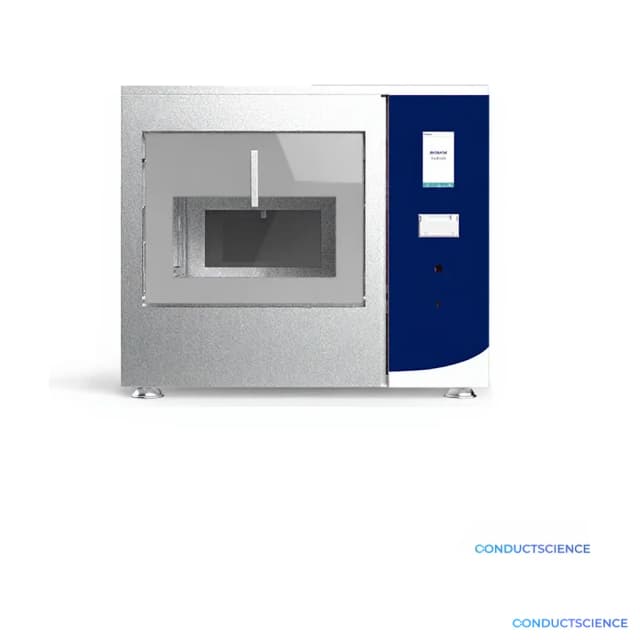
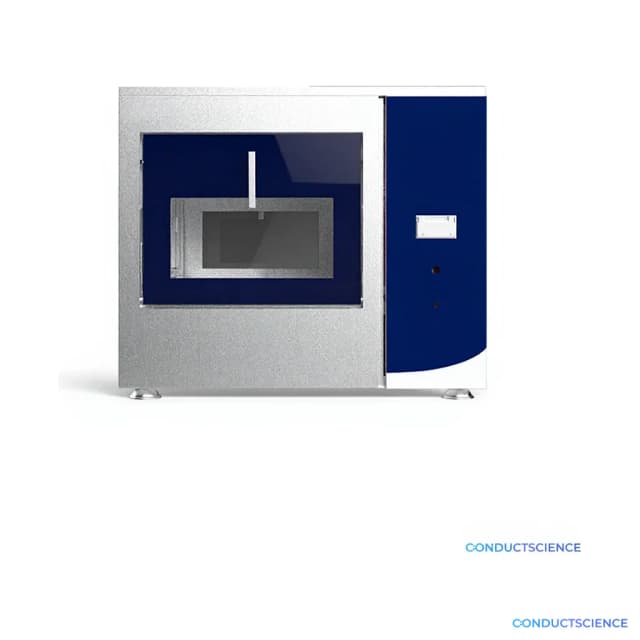
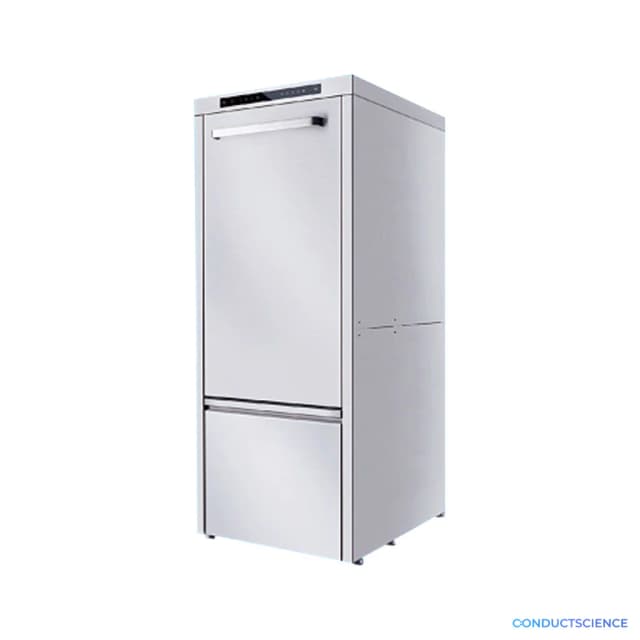
Lab Automatic Glassware Washer BK-LW100P BK-LW200Pro
Laboratory automated glassware washer with 120L-308L capacity, programmable cycles, and temperature control up to 95°C for consistent decontamination of laboratory equipment.

Louise Corscadden, PhD
Director of Science · ConductScience
Ask Louise about Lab Automatic Glassware Washer BK-LW100P BK-LW200Pro fit, setup, configuration, or quote prep.
Already working with us? Sign in to connect this with My Scientist.
Key Specifications
Full details →- Model fit
- Configured during quote
- SKU family
- BIO-0173
- Shipping box
- 80.0 x 90.8 x 71.6 cm
- Ordering
- Online checkout and quote request available
- Category
- Lab Washers & Disinfectors
- Build notes
- Confirm accessories, station layout, and support needs before purchase
The Lab Automatic Glassware Washer BK-LW100P/BK-LW200Pro is a laboratory-grade automated cleaning system designed for the decontamination and cleaning of glassware, instruments, and laboratory equipment. Available in two models with capacities of 120L (BK-LW100P) and 206L/308L (BK-LW200Pro/BK-LW300P), these washers utilize heated water circulation and programmable wash cycles to ensure consistent cleaning results. The systems feature variable temperature control up to 95°C and adjustable water consumption per cycle, making them suitable for diverse laboratory cleaning protocols.
These automated washers are designed to replace manual cleaning procedures, reducing contamination risk and improving reproducibility in laboratory workflows. The multi-level loading configuration allows for efficient processing of various glassware types and sizes, while the integrated heating system ensures effective removal of organic residues and biological contaminants. The units are constructed for continuous operation in research and clinical laboratory environments.
How It Works
The automated glassware washer operates through a combination of mechanical action, heated water circulation, and programmable wash cycles. The system fills internal tanks with water, which is then heated to the programmed temperature (0-95°C) using integrated heating elements. High-pressure water jets create mechanical action to remove debris and contaminants from loaded glassware surfaces.
The wash process follows pre-programmed cycles that include pre-rinse, main wash, rinse, and final rinse phases. Water consumption is controlled at 18-24L per step for the BK-LW100P model and 38-45L to 50-55L per step for larger models. The multi-level loading system allows for simultaneous processing of different glassware types, with water circulation ensuring contact with all surfaces. Temperature monitoring ensures consistent thermal decontamination throughout each cycle.
Features & Benefits
Automation Level
- fully-automated
BK-LW200Pro
- BK-LW300P
206L
- 308L
Washer Load Level
- 1
2
- 2
Water Wash Power
- 0.75KW
0.75KW
- 1.5KW
Water Heater Power
- 2KW
4KW
- 6KW
MAX. Power
- 4KW
5KW
- 7.5KW
Water Consumption/Step
- 18~24L
38~45L
- 50-55L
Tank Internal Temperature
- 0~95℃
Brand
- ConductScience
Research Domain
- Analytical Chemistry
- Cell Biology
- Clinical Diagnostics
- Environmental Monitoring
- Microbiology
- Pharmaceutical QC
Capacity
- 120L
Shipping weight
- 135.0 lb
Shipping box
- L: 80.0 cm
- W: 90.8 cm
- H: 71.6 cm
| Feature | This Product | Typical Alternative | Advantage |
|---|---|---|---|
| Chamber Capacity | 120L to 308L depending on model | Entry-level models typically offer 60-100L capacity | Larger capacity reduces processing frequency and improves throughput in high-volume laboratories. |
| Heating Power | 2KW to 6KW heating elements | Basic models often provide 1-3KW heating capacity | Higher heating power enables faster temperature recovery and more consistent thermal decontamination. |
| Temperature Range | 0-95°C variable control | Many units limit maximum temperature to 80-85°C | Extended temperature range accommodates diverse decontamination protocols and challenging contamination types. |
| Loading Flexibility | Multi-level loading system with 1-2 load levels | Single-level loading is common in compact models | Multiple levels maximize chamber utilization and enable processing of varied glassware sizes simultaneously. |
| Water Efficiency | Controlled consumption of 18-55L per step depending on model | Varies by model and design | Optimized water usage reduces operational costs while maintaining cleaning effectiveness. |
These washers provide substantial capacity options with powerful heating systems and precise temperature control. The multi-level loading and programmable cycles offer flexibility for diverse laboratory cleaning requirements while maintaining consistent decontamination performance.
Practical Tips
Pre-rinse heavily contaminated items to remove gross debris before loading into the washer.
Why: Prevents clogging of water jets and ensures more effective cleaning of all loaded items.
Descale heating elements monthly in areas with hard water to maintain temperature consistency.
Why: Scale buildup reduces heating efficiency and can cause temperature fluctuations affecting decontamination efficacy.
Verify temperature accuracy quarterly using calibrated thermometers at multiple chamber locations.
Why: Temperature uniformity is critical for validated decontamination protocols and regulatory compliance.
Orient glassware opening-down when possible to prevent water pooling and improve drainage.
Why: Proper drainage prevents recontamination and water spotting while ensuring complete rinsing.
Check door seals regularly for wear or damage that could affect pressure and temperature maintenance.
Why: Compromised seals reduce cleaning effectiveness and can lead to inconsistent cycle performance.
Allow items to cool before unloading and use appropriate PPE when handling hot glassware.
Why: High-temperature cycles create burn hazards that require proper safety protocols during unloading.
Document cycle parameters and results for each load to maintain traceability in regulated environments.
Why: Proper documentation supports validation requirements and troubleshooting of cleaning protocol issues.
Setup Guide
What’s in the Box
- Main washer unit
- Loading racks and holders (typical)
- Water supply hoses (typical)
- Drainage connections (typical)
- Power cord
- User manual and operation guide
- Installation instructions (typical)
- Warranty documentation (typical)
Warranty
ConductScience provides a standard one-year manufacturer warranty covering parts and labor, with technical support for installation guidance and operational troubleshooting.
Compliance
What types of detergents or cleaning agents are compatible with these washers?
Consult product datasheet for specific detergent compatibility and dosing recommendations, as chemical compatibility varies with internal materials and sealing systems.
How do I validate cleaning efficacy for regulated laboratory applications?
Establish validation protocols using appropriate biological or chemical indicators, temperature monitoring, and residue testing methods specific to your contamination types and regulatory requirements.
What is the typical cycle time for different wash programs?
Cycle times vary based on selected program, temperature settings, and loading configuration. Consult product datasheet for specific timing parameters for each program type.
Can these washers handle items other than glassware, such as metal instruments or plastic labware?
Loading capacity and material compatibility depend on the specific model and accessories. Verify temperature and chemical compatibility for non-glass items before processing.
What routine maintenance is required to ensure consistent performance?
Regular maintenance includes cleaning of water jets, inspection of seals and gaskets, descaling of heating elements, and verification of temperature calibration according to the maintenance schedule.
How do I troubleshoot incomplete cleaning or residue problems?
Check water temperature, verify proper loading to avoid blocking water jets, ensure adequate detergent dosing, and inspect for scale buildup that may affect circulation patterns.
Have a question about this product?
Have a question? Just ask.
Send it over and we'll email you a personalized answer — no call, no scheduling.
Prefer to talk it through?
Accessories
Enhance your setup with compatible accessories
Frequently Bought Together