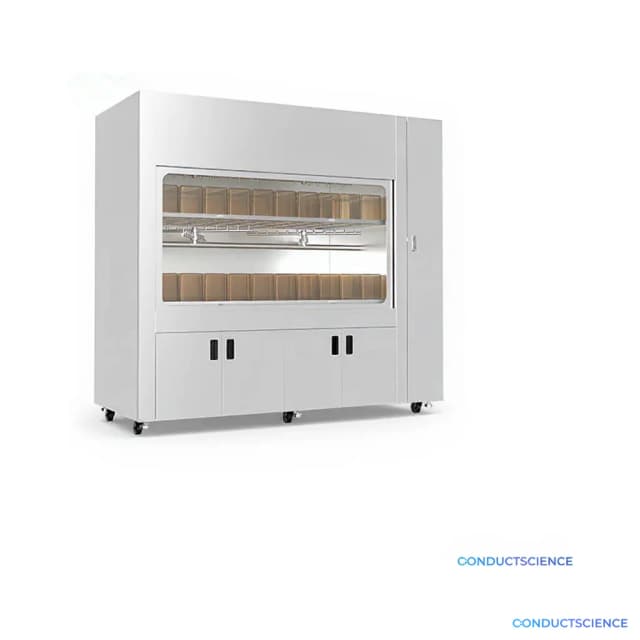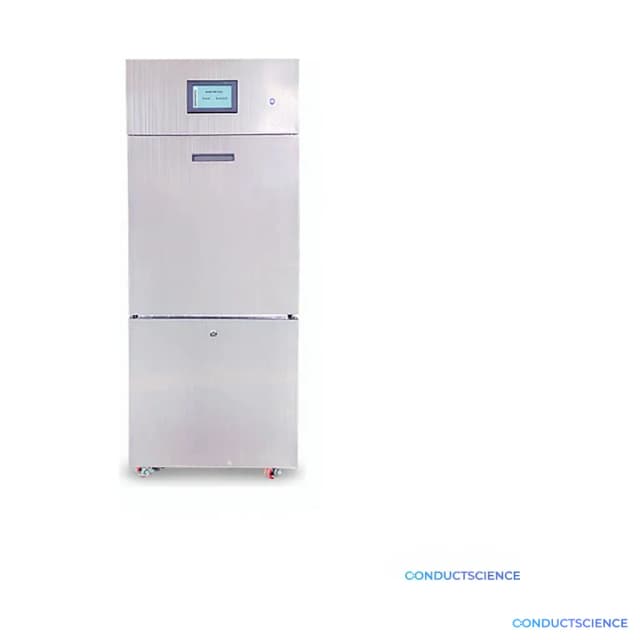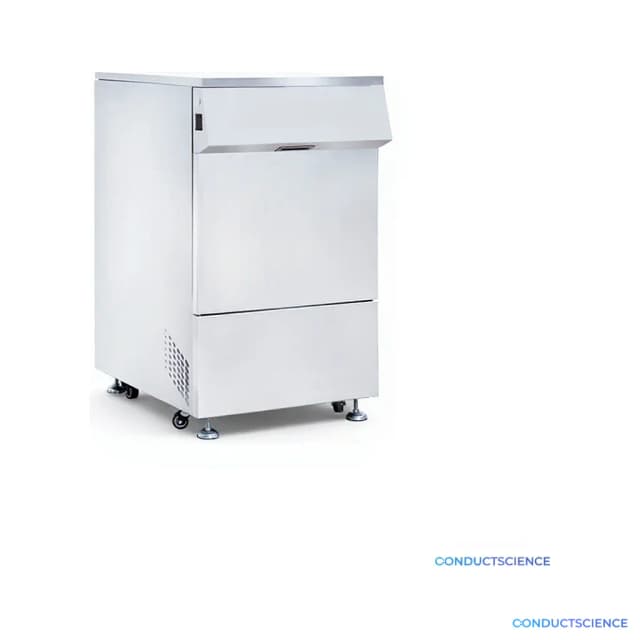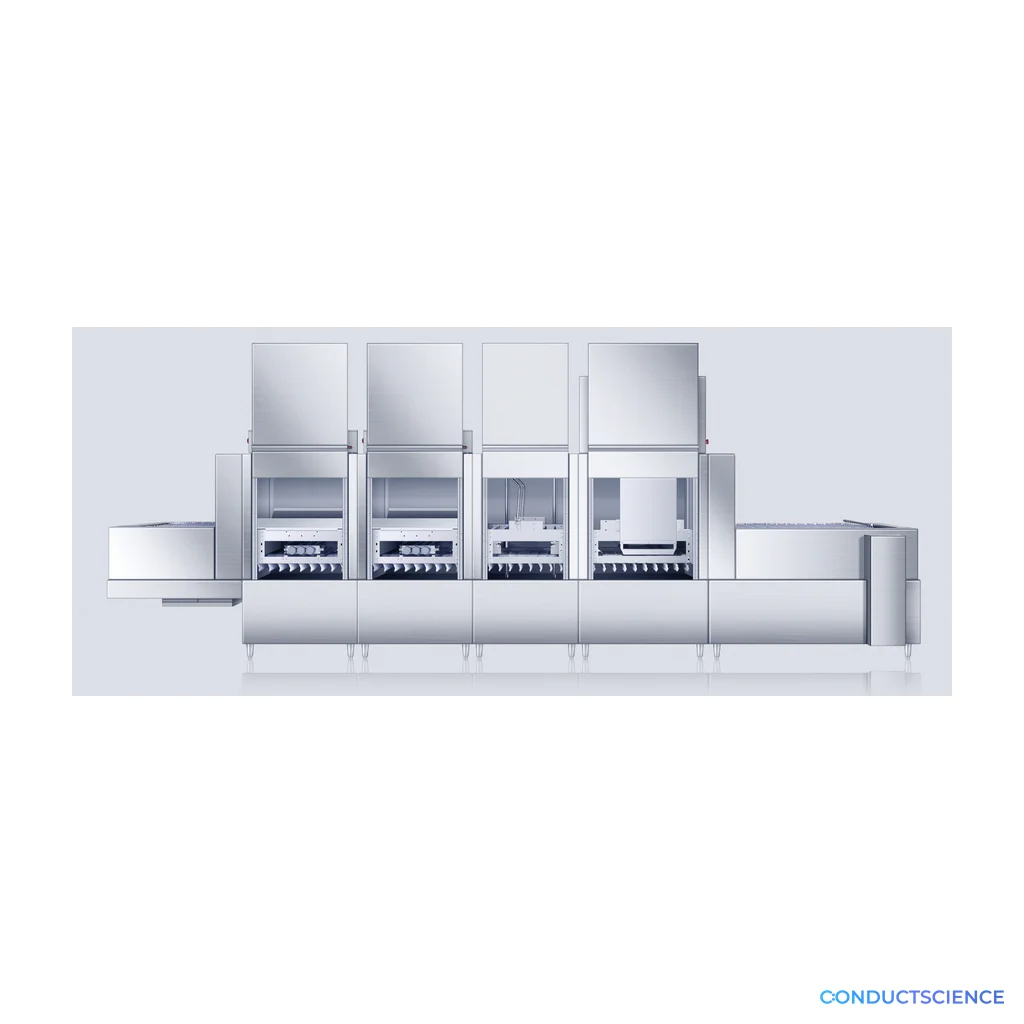
Tunnel Cage Washer
Continuous tunnel washing for vivariums that need a defined path from loaded cages through pre-wash, main wash, rinse, and drying.
The 7415 × 860 × 2040 mm system accepts items up to 470 mm high, uses configurable process modules, and documents wash, rinse, conveyor, dryer, electrical, water, and drainage requirements for facility planning.

Louise Corscadden, PhD
Director of Science · ConductScience
Ask Louise about Tunnel Cage Washer fit, setup, configuration, or quote prep.
Already working with us? Sign in to connect this with My Scientist.
Key Specifications
Full details →- External dimensions
- 7415 × 860 × 2040 mm
- Maximum wash height
- 470 mm
- Electrical
- 380 V · 50 Hz · 3N · 95 kW · 160 A
- Heating
- Electric · steam optional
- Process temperatures
- Main wash 55-65 °C · rinse 82-95 °C · dryer 75 °C
- Conveyor
- 1.5-2 m/min · 0.4 kW motor
Design the cage-washing line around throughput, soil, and room utilities
A tunnel cage washer is a facility system, not simply a larger cabinet washer. It is intended for programs with sustained cage flow that can support organized loading, staged washing, drying, unloading, inspection, and return to the clean side. The value for scientists and animal-care teams is a repeatable sanitation path that can be qualified for the actual cage fleet, while facilities staff receive concrete information for utilities, heat, drainage, access, and service planning.
The documented configuration measures 7415 × 860 × 2040 mm and accepts items up to 470 mm high. Its modular line can combine inlet, pre-wash, one or more main-wash tanks, rinse, dryer, and outlet sections. Three upper and three lower spray arms provide coverage around transported items. The conveyor is listed at 1.5 to 2 m/min, with a 55 to 65 °C main-wash range, an 82 to 95 °C rinse range, and a 75 °C dryer setting.
Those engineering values do not by themselves prove a sanitation result. Qualification should use the institution's cages, racks or accessories, expected residue, loading orientation, detergent program, water quality, inspection method, and acceptance criteria. Staff should define how heavily soiled items are handled, how mixed materials are separated, where failed loads go, and how routine verification is recorded.
The electrical requirement is 380 V, 50 Hz, 3N with 95 kW total power and a 160 A breaker. Electric heating is standard and steam heating is optional. The catalog also records 1 to 1.8 kgf/cm² water pressure, 230 L/min rinse-water demand, 2 × 82 L tanks, a 21 L heater volume, DN15 inlet, and DN50 drain. These values make early engineering review essential before a quote is finalized.
Share the cage fleet, hourly and daily load profile, process requirements, soil conditions, detergents, room drawing, utilities, drainage, ventilation, delivery route, and validation plan with ConductScience. The quote will define the module sequence, controls, safety interfaces, heating method, utility connections, rigging, installation, testing, training, and commissioning. The result should be a line that fits the vivarium's operating rhythm and documented sanitation program.
Features & Benefits
External dimensions
- 7415 × 860 × 2040 mm
Maximum wash height
- 470 mm
Electrical
- 380 V · 50 Hz · 3N · 95 kW · 160 A
Heating
- Electric · steam optional
Process temperatures
- Main wash 55-65 °C · rinse 82-95 °C · dryer 75 °C
Conveyor
- 1.5-2 m/min · 0.4 kW motor
Pump and heater loads
- Main wash pumps 3 × 2.4 kW · rinse pumps 2 × 0.15 kW · main heaters 2 × 14 kW · rinse heaters 4 × 9 kW · dryer heaters 4 × 6 kW · dryer fans 2 × 0.75 kW
Water and drainage
- 1-1.8 kgf/cm² · rinse 230 L/min · tanks 2 × 82 L · heater 21 L · DN15 inlet · DN50 drain
Wash architecture
- Pre-wash · configurable main wash · rinse · dryer · three upper and three lower spray arms
Setup Guide
What’s in the Box
- Configured tunnel cage-washing line; modules, controls, safety interfaces, utility connections, and commissioning scope confirmed in the quote
How is this different from a cabinet cage washer?
The tunnel uses a continuous modular path for sustained loads, while a cabinet washer processes discrete batches in a smaller footprint.
Do the listed temperatures validate sanitation?
No. The institution must qualify the complete cycle with its loads, soils, detergent, water, inspection method, and acceptance criteria.
What drives the final configuration?
Cage geometry, throughput, process stages, utilities, clean and dirty flow, room access, and the validation plan determine the module sequence.
Have a question about this product?
Have a question? Just ask.
Send it over and we'll email you a personalized answer — no call, no scheduling.
Prefer to talk it through?