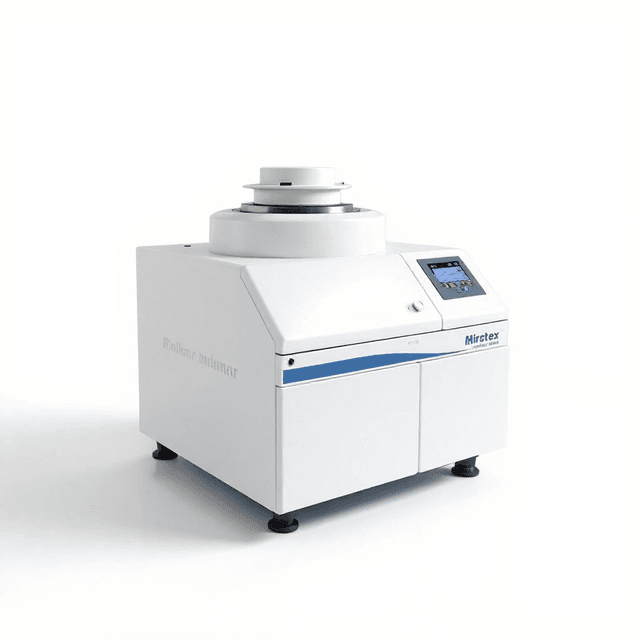
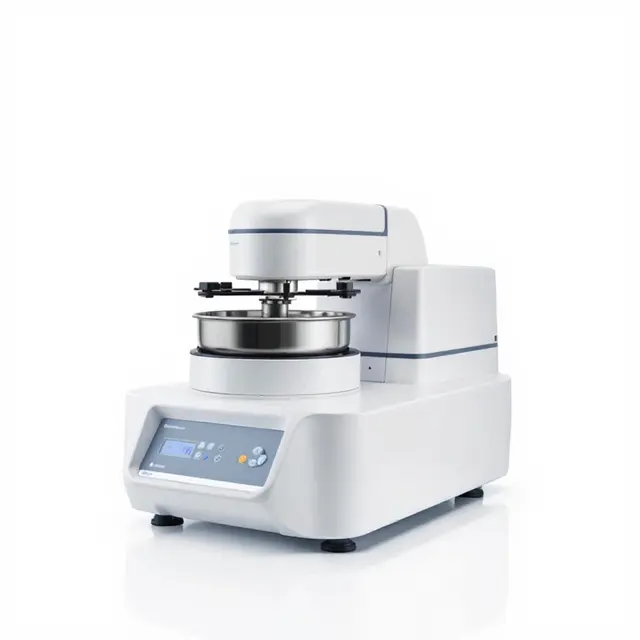
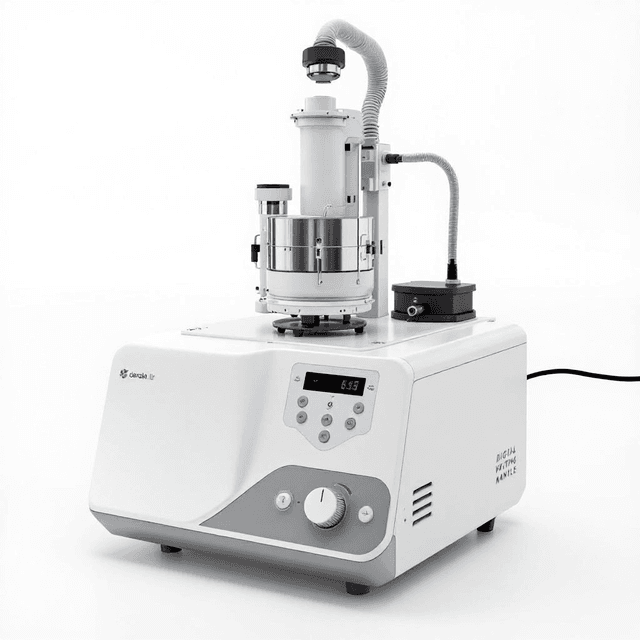
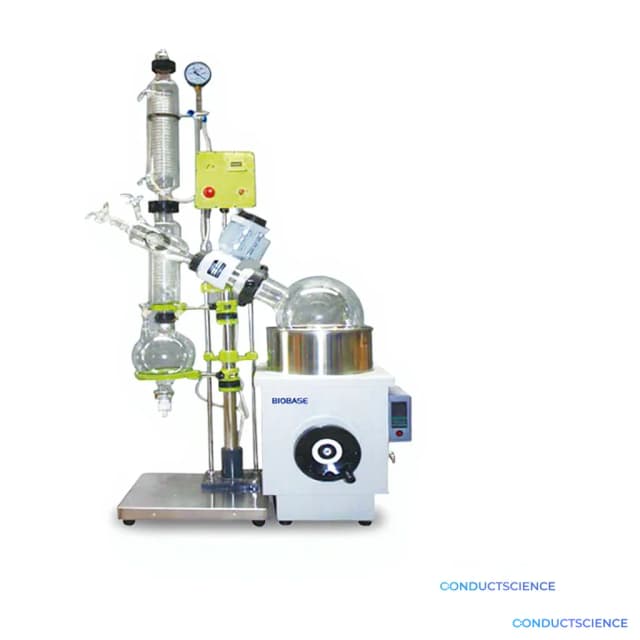
Laboratory Roller Mixer MX-T6-S MX-T6-Pro
Benchtop roller mixer providing gentle, controlled rotational mixing for laboratory tubes and containers with variable speed control and compact footprint.

Louise Corscadden, PhD
Director of Science · ConductScience
Ask Louise about Laboratory Roller Mixer MX-T6-S MX-T6-Pro fit, setup, configuration, or quote prep.
Already working with us? Sign in to connect this with My Scientist.
Key Specifications
Full details →- Model fit
- Configured during quote
- SKU family
- BIO-0597
- Shipping box
- 10.0 x 45.0 x 25.0 cm
- Ordering
- Online checkout and quote request available
- Category
- Benchtop Instruments
- Build notes
- Confirm accessories, station layout, and support needs before purchase
The Laboratory Roller Mixer MX-T6-S MX-T6-Pro is a benchtop mixing instrument designed for gentle, consistent rotation of sample containers in laboratory applications. This roller mixer provides controlled rotational motion for mixing blood tubes, culture vessels, and other laboratory containers that require gentle agitation without excessive shear forces. The compact design fits standard benchtop configurations while delivering reliable mixing performance for routine laboratory workflows.
The unit accommodates multiple tube sizes and container formats through adjustable roller configurations. Variable speed control allows researchers to optimize mixing parameters for specific sample types and experimental protocols. The gentle rolling action maintains sample integrity while ensuring thorough mixing, making it suitable for applications requiring careful handling of biological samples, cell cultures, or sensitive chemical preparations.
How It Works
The roller mixer operates on the principle of rotational motion around a horizontal axis to create gentle tumbling action within sample containers. The instrument uses motorized rollers that rotate at controlled speeds, causing tubes and containers to roll continuously along their length. This motion creates a wave-like movement of liquid contents that ensures thorough mixing through gravitational flow rather than mechanical agitation.
The rolling mechanism generates minimal shear forces compared to vortex or orbital mixing, making it ideal for fragile samples such as whole blood, cell suspensions, or protein solutions. The variable speed control allows adjustment of the rotation rate from slow, gentle mixing to more vigorous agitation depending on sample viscosity and mixing requirements. Multiple containers can be processed simultaneously on the roller platform, with the rolling action providing consistent mixing across all samples.
The horizontal orientation and continuous rotation ensure that all sample components maintain contact with mixing surfaces throughout the cycle. This approach is particularly effective for samples that settle or stratify during storage, as the rolling motion continuously redistributes components without creating cavitation or foam formation that can occur with high-energy mixing methods.
Features & Benefits
Automation Level
- manual
Research Domain
- Analytical Chemistry
- Cell Biology
- Clinical Diagnostics
- Immunology
- Microbiology
- Pharmaceutical QC
Shipping weight
- 4.0 lb
Shipping box
- L: 10.0 cm
- W: 45.0 cm
- H: 25.0 cm
| Feature | This Product | Typical Alternative | Advantage |
|---|---|---|---|
| Mixing Mechanism | Horizontal roller platform with variable speed control | Entry-level models often use fixed-speed rotation or basic orbital motion | Variable speed allows optimization for different sample types and viscosities while maintaining gentle rolling action |
| Platform Design | Adjustable roller configuration for multiple container formats | Basic models typically accommodate limited tube sizes with fixed platforms | Versatility to handle various laboratory containers from standard tubes to larger culture vessels |
| Footprint Efficiency | Compact 45 x 25 x 10 cm benchtop design | Larger footprint mixers often require dedicated bench space | Fits standard laboratory configurations without requiring significant dedicated workspace |
| Sample Capacity | Multiple container simultaneous processing capability | Single-sample or limited capacity alternatives common in basic models | Improves laboratory throughput by processing multiple samples with consistent mixing conditions |
| Operation Stability | 4.0 kg stable platform with low-vibration design | Lightweight mixers may experience vibration or movement during operation | Maintains stable operation and reduces disturbance to adjacent sensitive laboratory instruments |
This roller mixer offers variable speed control and adjustable platform configuration in a compact design that accommodates multiple sample formats. The 4.0 kg stable platform provides consistent gentle mixing while fitting standard benchtop configurations. The horizontal roller mechanism delivers low-shear mixing suitable for fragile samples while maintaining high sample throughput capacity.
Practical Tips
Balance sample containers evenly across the roller platform to minimize vibration and ensure smooth operation during extended mixing procedures.
Why: Unbalanced loads can cause excessive wear on motor components and create uneven mixing conditions across samples.
Clean roller surfaces regularly with appropriate laboratory disinfectants to prevent cross-contamination between sample runs.
Why: Residual material buildup can interfere with proper rolling action and introduce contaminants into subsequent samples.
Verify rotation speed periodically using a stopwatch and visual counting method to ensure consistent mixing parameters across experiments.
Why: Speed drift over time can affect mixing reproducibility and compromise experimental consistency.
Secure all container caps tightly before operation and inspect for potential leakage points that could create spillage hazards.
Why: Loose caps combined with continuous motion can result in sample loss and laboratory contamination.
Document mixing time and speed settings as part of sample preparation protocols to ensure experimental reproducibility.
Why: Consistent mixing parameters are critical for reliable results, especially in quantitative assays sensitive to sample homogeneity.
If excessive noise develops during operation, check for worn roller bearings or accumulated debris in the mechanism.
Why: Mechanical wear can affect mixing consistency and lead to premature equipment failure if not addressed promptly.
Start with lower speed settings and gradually increase to determine optimal mixing parameters for new sample types.
Why: Different samples respond differently to mechanical agitation, and starting gently prevents potential damage to sensitive materials.
Setup Guide
What’s in the Box
- Laboratory Roller Mixer MX-T6-S MX-T6-Pro main unit
- Power adapter with regional plug configuration
- Roller platform assembly (typical)
- Container support guides (typical)
- User manual and operation instructions
- Warranty documentation (typical)
Warranty
ConductScience provides a standard one-year manufacturer warranty covering defects in materials and workmanship. Technical support is available to assist with operational questions and troubleshooting throughout the warranty period.
Compliance
What tube sizes and container formats are compatible with this roller mixer?
The mixer accommodates multiple tube sizes through adjustable roller configurations. Consult the product datasheet for specific diameter and length ranges supported by the platform design.
What speed range is available and how is it controlled?
The unit features variable speed control allowing adjustment of rotation rates. Specific speed ranges and control methods should be verified in the technical specifications provided with the instrument.
How many samples can be processed simultaneously?
Multiple containers can be loaded on the roller platform simultaneously. The exact capacity depends on container size and configuration. Refer to the user manual for loading guidelines and capacity specifications.
Is this suitable for temperature-sensitive samples?
The mixer operates at ambient temperature without active heating or cooling. For temperature-controlled applications, the unit can be placed in environmental chambers or cold rooms as needed.
What maintenance is required for reliable operation?
Regular cleaning of roller surfaces and periodic inspection of mechanical components ensure optimal performance. Follow the maintenance schedule provided in the user manual for specific cleaning agents and service intervals.
Can this mixer be used for continuous operation?
The instrument is designed for routine laboratory use and can operate continuously during normal working hours. For extended continuous operation requirements, consult the duty cycle specifications in the technical documentation.
How does roller mixing compare to vortex or orbital mixing?
Roller mixing provides gentler agitation with lower shear forces compared to vortex mixing, making it preferred for fragile samples like whole blood or cell cultures. It offers more uniform mixing than orbital shakers for tube-based samples.
Have a question about this product?
Have a question? Just ask.
Send it over and we'll email you a personalized answer — no call, no scheduling.
Prefer to talk it through?