Laboratory Wastewater Treatment System
Benchtop automated wastewater treatment system processing 200L/day with continuous pH monitoring (0-14 range, 0.01 resolution) and automatic adjustment to pH 8-9 for laboratory effluent management.

Louise Corscadden, PhD
Director of Science · ConductScience
Ask Louise about Laboratory Wastewater Treatment System fit, setup, configuration, or quote prep.
Already working with us? Sign in to connect this with My Scientist.
Key Specifications
Full details →- Model fit
- Configured during quote
- SKU family
- BIO-0862
- Shipping box
- 100.0 x 6.0 x 56.5 cm
- Ordering
- Online checkout and quote request available
- Category
- Benchtop Instruments
- Build notes
- Confirm accessories, station layout, and support needs before purchase
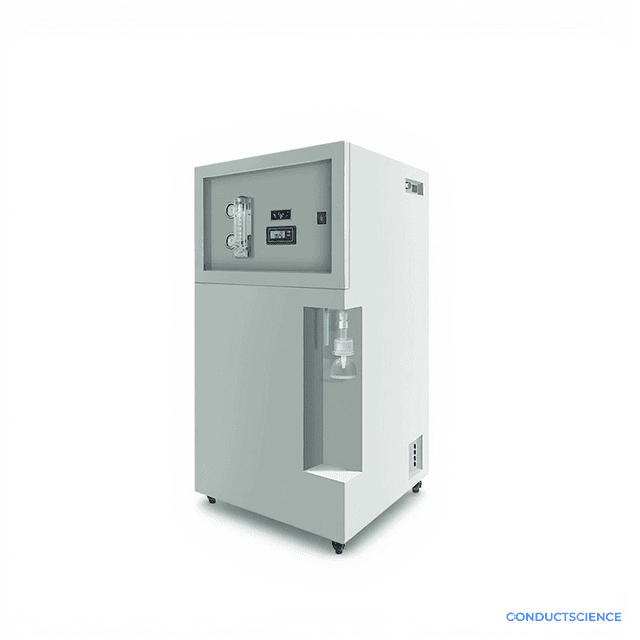
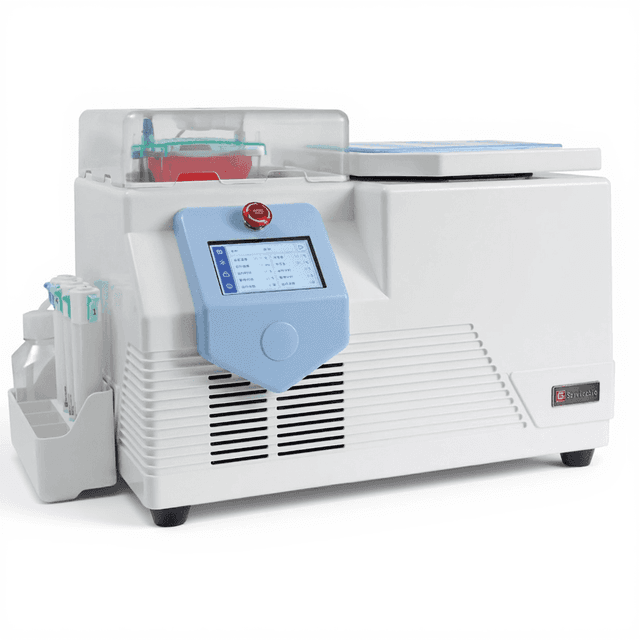
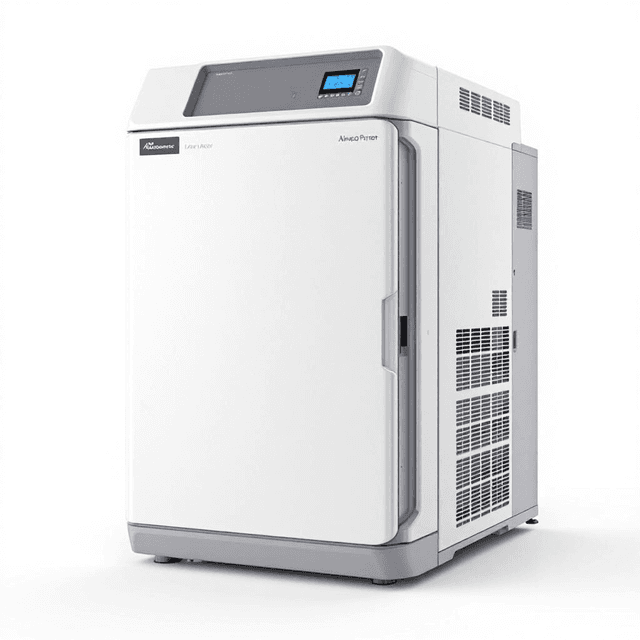
The ConductScience Laboratory Wastewater Treatment System (BIO-0862) is a benchtop automated treatment platform designed for processing laboratory-generated wastewater streams. This system provides continuous pH monitoring and adjustment capabilities, processing up to 200 liters per day during standard 8-hour operation cycles. The unit features integrated pH measurement across the full 0-14 range with 0.01 pH resolution, automatically adjusting effluent to alkaline conditions (pH 8-9) suitable for typical discharge requirements.
The system incorporates multi-channel liquid level detection with automated shortage alarms, positive and negative flushing protocols, and antifreeze protection for uninterrupted operation in temperature-variable environments. The compact benchtop design accommodates standard laboratory spaces while providing the processing capacity needed for medium-throughput research facilities. Real-time monitoring and automated control functions minimize operator intervention while maintaining consistent treatment performance.
How It Works
The Laboratory Wastewater Treatment System operates through automated pH monitoring and chemical adjustment protocols. The integrated pH measurement system continuously monitors influent streams across the full 0-14 pH range with 0.01 pH unit resolution. When wastewater enters the treatment chamber, the system evaluates pH conditions and initiates appropriate chemical dosing to achieve target alkaline conditions (pH 8-9).
Treatment protocols utilize both positive and negative flushing methods to ensure complete chemical mixing and reaction completion. The multi-channel liquid level detection system monitors reagent reservoirs and waste levels, triggering automated alarms when chemical stocks require replenishment. The antifreeze heating function maintains operational temperature above freezing points, preventing system damage and ensuring consistent performance in variable environmental conditions.
Processing capacity of 200 liters per day during standard 8-hour operations provides sufficient throughput for medium-scale laboratory facilities. The automated control system minimizes manual intervention while maintaining treatment consistency and monitoring system status for preventive maintenance scheduling.
Features & Benefits
Automation Level
- fully-automated
Treated Water Volume
- 200L/D (8 hours)
PH Measurement Range
- 0-14
PH Adjustment Value
- 8-9
Flush Mode
- With positive and negative flushing methods
Antifreeze Device
- With antifreeze heating function, the antifreeze function starts automatically when the degree is lo
Lack of Fluid Alarm
- Multi-channel liquid level detection, with drug liquid shortage alarm function, automatic waste wate
Packing Size(W*D*H)
- Machined 060*565*1000mm, Accessories: 555*315*165mm
Brand
- ConductScience
Research Domain
- Analytical Chemistry
- Cell Biology
- Environmental Monitoring
- Food Science
- Materials Science
- Microbiology
- Pharmaceutical QC
Accuracy
- 0.01 pH
Weight
- Machine: 101kg, Accessories: 2kg
Shipping weight
- 101.0 lb
Shipping box
- L: 100.0 cm
- W: 6.0 cm
- H: 56.5 cm
| Feature | This Product | Typical Alternative | Advantage |
|---|---|---|---|
| Daily Processing Capacity | 200 liters per 8-hour operation cycle | Entry-level units often process 50-100 liters daily | Higher throughput reduces the need for batch processing and accommodates medium-scale laboratory operations. |
| pH Measurement Resolution | 0.01 pH unit resolution across 0-14 range | Basic systems typically offer 0.1 pH resolution | Precise pH monitoring enables accurate treatment control and consistent effluent quality for regulatory compliance. |
| Automated Chemical Dosing | Automatic pH adjustment to 8-9 range with positive/negative flushing | Manual dosing systems require operator intervention | Automated operation reduces labor requirements and eliminates dosing errors while ensuring consistent treatment results. |
| Level Detection and Alarms | Multi-channel liquid level detection with automated shortage alarms | Basic units often lack comprehensive monitoring | Prevents treatment interruption and provides early warning for maintenance scheduling in continuous operation environments. |
| Temperature Protection | Antifreeze heating function with automatic activation | Most benchtop units lack freeze protection | Enables reliable operation in temperature-variable laboratory environments without risk of system damage. |
| Flushing Protocols | Positive and negative flushing methods for complete mixing | Simple mixing systems may have dead zones | Thorough chemical contact and system cleaning ensure treatment efficiency and prevent chemical buildup. |
This system combines high daily processing capacity with automated pH control and comprehensive monitoring in a benchtop format. The 0.01 pH resolution and automated chemical dosing provide laboratory-grade precision while multi-channel detection and antifreeze protection ensure reliable continuous operation.
Practical Tips
Perform pH sensor calibration using fresh buffer solutions and verify accuracy at pH 4, 7, and 10 to cover the full working range.
Why: Regular calibration across multiple points ensures accurate pH measurement throughout the 0-14 range and maintains treatment precision.
Flush the system with deionized water weekly and inspect chemical reservoir levels daily to prevent treatment interruption.
Why: Preventive maintenance prevents chemical buildup in mixing chambers and ensures adequate reagents for continuous operation.
Monitor daily processing volumes to stay within the 200L/8-hour capacity limit and avoid overloading the treatment system.
Why: Operating within design capacity ensures complete pH adjustment and prevents untreated wastewater from bypassing the treatment process.
If pH adjustment becomes inconsistent, check chemical reservoir levels and verify proper mixing by observing the flushing cycle operation.
Why: Most pH control issues result from insufficient chemical supply or incomplete mixing rather than sensor malfunction.
Document influent pH conditions and treatment chemical consumption to establish baseline performance metrics for your specific wastewater types.
Why: Baseline data helps optimize chemical dosing and identify changes in wastewater composition that may require treatment adjustments.
Ensure proper ventilation around the unit and maintain emergency chemical neutralization supplies for spill response.
Why: Adequate ventilation prevents chemical vapor accumulation and emergency supplies enable rapid response to accidental chemical releases.
Test the antifreeze heating function before winter months and verify alarm systems respond correctly to low chemical levels.
Why: Preventive testing ensures temperature protection operates correctly and alarm systems provide timely notification of maintenance needs.
Segregate highly acidic or basic waste streams when possible to minimize chemical consumption and improve treatment efficiency.
Why: Pre-segregation reduces the amount of neutralizing chemicals required and extends chemical reservoir intervals between refills.
Setup Guide
What’s in the Box
- Main treatment unit (600×565×1000mm)
- Chemical dosing system and reservoirs
- pH measurement probe and calibration kit
- Liquid level sensors (multi-channel)
- Power cord and electrical connections
- Inlet and outlet plumbing fittings
- Control system interface and documentation
- Installation and operation manual
- Antifreeze heating components
- Alarm system wiring and indicators
Warranty
ConductScience provides a standard 1-year manufacturer warranty covering defects in materials and workmanship, with technical support for installation, calibration, and operational guidance. Extended service agreements are available for facilities requiring regular maintenance and calibration services.
Compliance
References
Background reading relevant to this product:
What types of laboratory chemicals can be safely processed through this treatment system?
The system is designed for general laboratory wastewater containing common reagents, buffers, and cleaning solutions. Consult the product datasheet for specific chemical compatibility and concentration limits. Highly toxic or regulated substances may require specialized disposal protocols.
How frequently does the pH sensor require calibration to maintain 0.01 resolution accuracy?
pH sensor calibration frequency depends on usage intensity and wastewater composition. Standard laboratory environments typically require monthly calibration checks with standard buffer solutions. High-use facilities may need weekly verification.
What happens if the chemical reservoirs run empty during a treatment cycle?
The multi-channel liquid level detection system triggers automatic alarms when chemical stocks become low, allowing operators to replenish reservoirs before depletion. Treatment operations pause until adequate chemical levels are restored.
Can the system handle variable flow rates throughout the day?
The 200L/day capacity assumes standard 8-hour operation cycles. The system can accommodate intermittent flows within this daily limit, with automated processing triggered by wastewater input detection.
What maintenance procedures are required to keep the flushing system operational?
Regular maintenance includes cleaning of positive and negative flushing lines to prevent chemical buildup, verification of pump function, and inspection of mixing chambers for residue accumulation. Monthly system flushes with clean water help maintain performance.
How does the antifreeze system affect treatment chemistry and pH accuracy?
The antifreeze heating function operates independently of treatment chemistry, maintaining internal temperature without affecting pH measurement accuracy or chemical reaction kinetics. The system automatically activates only when required.
What data logging or documentation capabilities does the system provide?
Consult the product datasheet for specific data recording and export capabilities. The automated control system monitors treatment parameters and alarm conditions, supporting laboratory documentation requirements for environmental compliance.
Can multiple laboratory areas feed wastewater into a single treatment unit?
The system can process combined wastewater streams up to the 200L/day capacity limit, provided all contributors use compatible chemicals and the combined pH range remains within treatment capabilities. Facility plumbing modifications may be required.
Have a question about this product?
Have a question? Just ask.
Send it over and we'll email you a personalized answer — no call, no scheduling.
Prefer to talk it through?
Accessories
Enhance your setup with compatible accessories