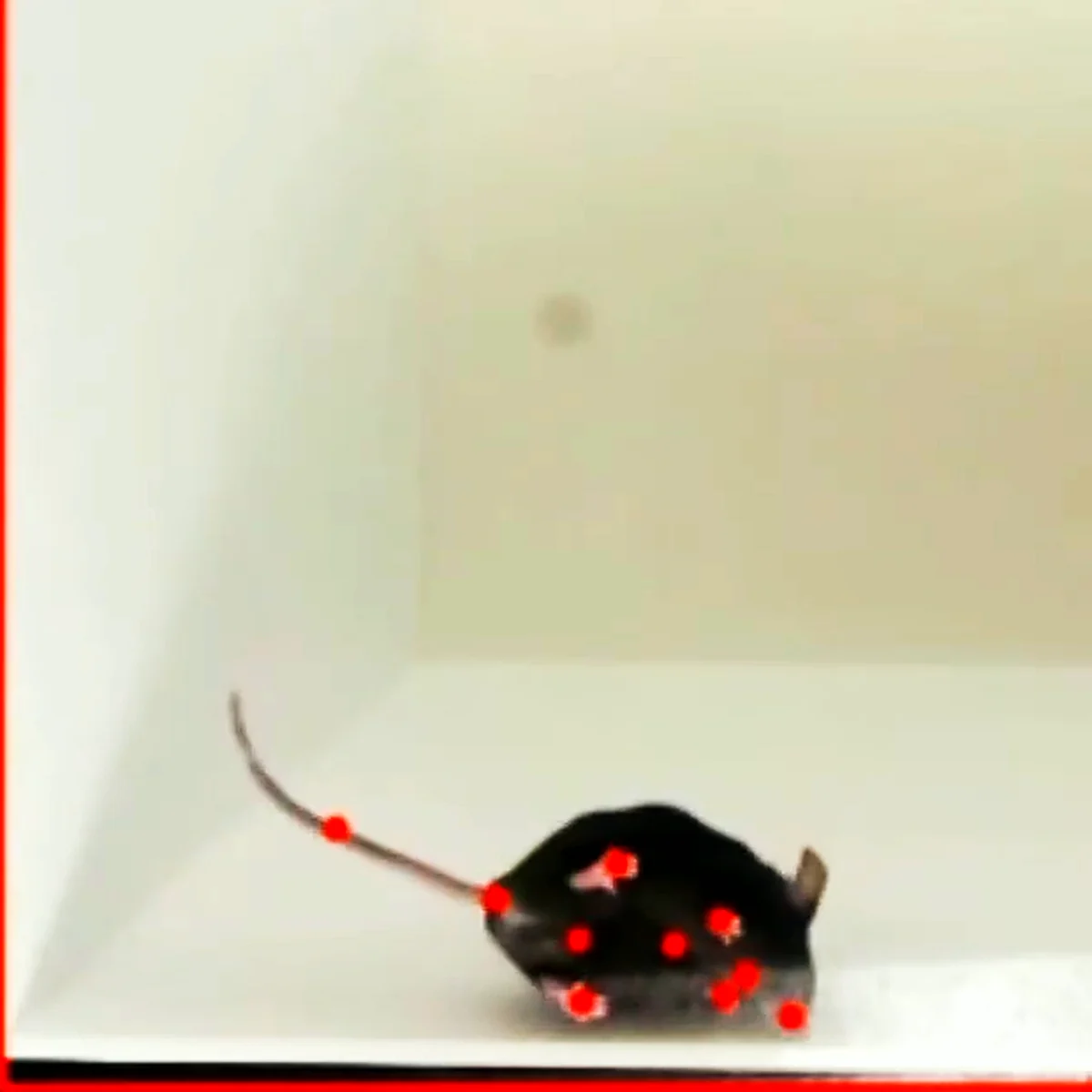

Olfactory Discrimination Test Box
SKU CS-958225
$8,999.99
IncludesStandard care
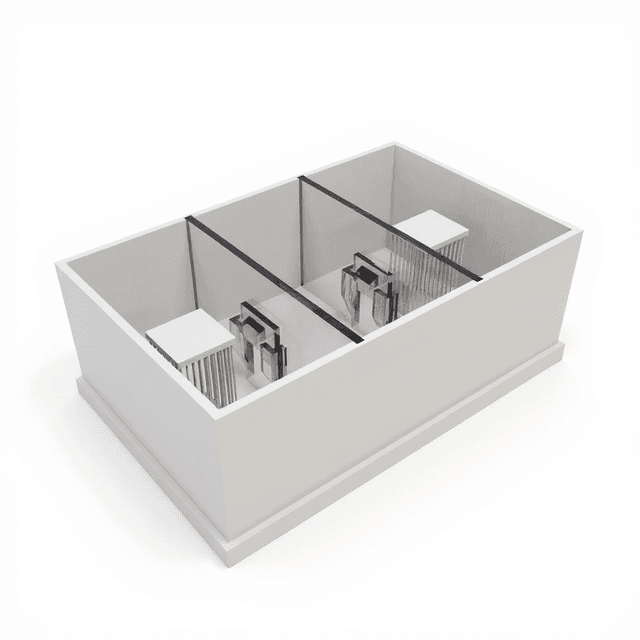
Behavioral testing apparatus for controlled assessment of olfactory discrimination, scent-based learning, and olfactory sensitivity in laboratory animals.
CE MarkedBAA available
Scientist guidance

Louise Corscadden, PhD
Director of Science · ConductScience
Ask Louise about Olfactory Discrimination Test Box fit, setup, configuration, or quote prep.
Already working with us? Sign in to connect this with My Scientist.
Key Specifications
Full details →- Model fit
- Mouse, Rat
- SKU family
- CS-958225
- Shipping box
- 65.0 x 36.0 x 27.0 cm
- Ordering
- Online checkout and quote request available
- Category
- Behavioral Mazes
- Build notes
- Confirm accessories, station layout, and support needs before purchase
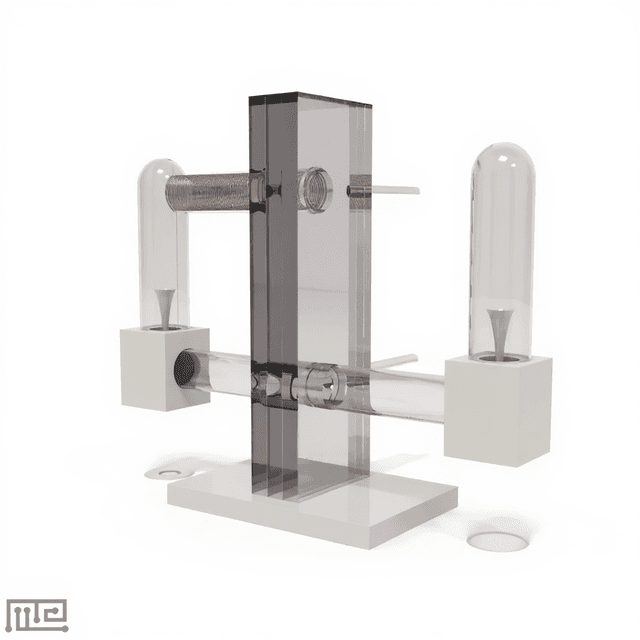
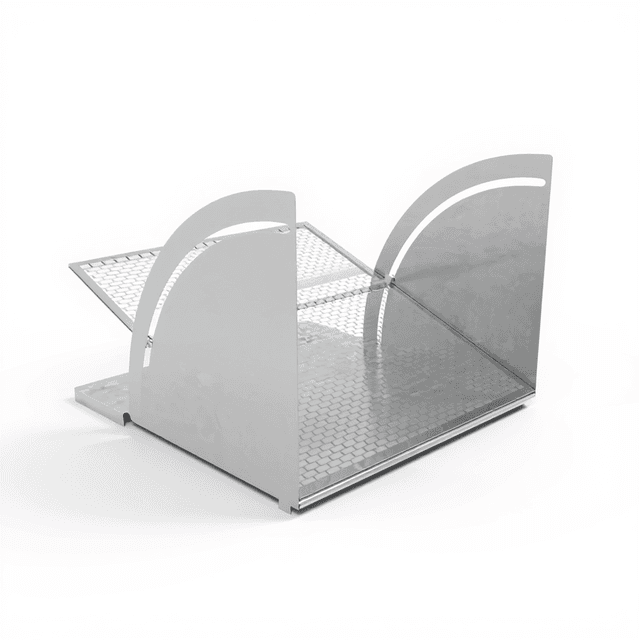
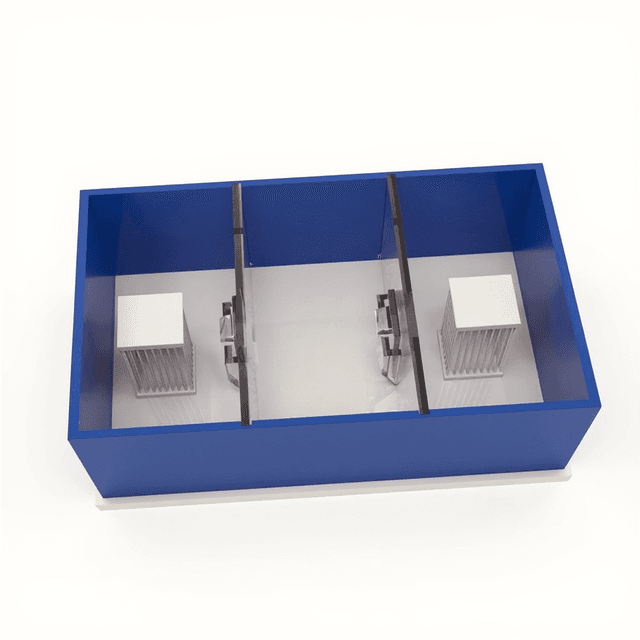
The Olfactory Discrimination Test Box is a specialized behavioral testing apparatus designed for controlled assessment of olfactory function and scent-based learning in laboratory animals. This system provides a standardized environment for evaluating an animal's ability to distinguish between different odor stimuli, measure olfactory sensitivity thresholds, and assess scent-based memory formation and retrieval processes.
The apparatus enables researchers to conduct systematic olfactory behavioral studies by presenting controlled odor stimuli while monitoring animal responses and choice patterns. The test box design facilitates both simple discrimination tasks and complex olfactory learning paradigms, supporting research into sensory processing, cognitive function, and neurological conditions affecting olfactory systems.
How It Works
The olfactory discrimination test operates on the principle of controlled odor presentation combined with behavioral choice monitoring. Animals are presented with distinct scent stimuli through specialized delivery ports while their behavioral responses and choice patterns are recorded. The system typically employs a choice-based paradigm where animals must discriminate between target and non-target odors to receive rewards.
The testing protocol involves training phases where animals learn to associate specific odors with positive or negative outcomes, followed by testing phases that measure discrimination accuracy, response latency, and learning retention. Odor delivery systems ensure consistent stimulus concentration and timing while minimizing cross-contamination between different scent presentations.
Data collection focuses on choice accuracy, response times, and behavioral patterns that indicate successful odor discrimination versus random responding. This approach provides quantitative measures of olfactory function, learning capacity, and memory retention related to scent-based tasks.
Features & Benefits
Controlled odor presentation system
Ensures consistent and repeatable scent stimulus delivery for reliable behavioral measurements across testing sessions
Choice-based testing paradigm
Provides quantitative measures of discrimination accuracy and decision-making processes in olfactory tasks
Standardized testing environment
Minimizes environmental variables and competing stimuli that could confound olfactory behavioral assessments
Multiple testing configurations
Supports various experimental protocols from simple discrimination to complex olfactory learning paradigms
Behavioral response monitoring
Captures detailed timing and choice data for comprehensive analysis of olfactory processing and decision-making
Easy-clean surfaces
Prevents odor contamination between subjects and maintains stimulus specificity across experimental sessions
Compact laboratory design
Fits standard laboratory setups while providing sufficient space for natural animal movement and behavior
Behavioral Construct
- olfactory discrimination
- scent-based learning
- odor memory
- sensory processing
- choice behavior
Automation Level
- semi-automated
Research Domain
- Aging Research
- Behavioral Pharmacology
- Learning and Memory
- Neurodegeneration
- Neuroscience
- Toxicology
Species
- Mouse
- Rat
Compatible Tracking Software
- ConductVision
Shipping weight
- 6.06 lb
Shipping box
- L: 65.0 cm
- W: 36.0 cm
- H: 27.0 cm
| Feature | This Product | Typical Alternative | Advantage |
|---|---|---|---|
| Testing Environment Control | Specialized olfactory testing chamber with controlled airflow and stimulus delivery | Basic maze configurations often provide minimal environmental control | Reduces confounding variables and ensures consistent testing conditions across experimental sessions |
| Odor Delivery Precision | Dedicated scent presentation system with controlled timing and concentration | Manual odor presentation methods offer less temporal precision | Enables precise stimulus timing critical for learning and memory protocols |
| Data Collection | Integrated behavioral monitoring and response measurement | Many systems require separate recording equipment and manual scoring | Streamlines data collection and reduces observer bias in behavioral assessments |
| Cross-Contamination Prevention | Purpose-built design for odor-based testing with contamination controls | General-purpose chambers may lack adequate odor isolation features | Maintains stimulus specificity essential for accurate discrimination testing |
This specialized olfactory discrimination system provides controlled stimulus delivery and behavioral monitoring specifically optimized for scent-based research protocols. The dedicated design addresses the unique challenges of olfactory testing including environmental control, stimulus precision, and contamination prevention.
Neuroscience
Evaluating olfactory bulb function and scent processing pathways in animal models of neurodegenerative diseases such as Alzheimer's and Parkinson's disease.
Behavioral Pharmacology
Testing the effects of pharmacological compounds on olfactory discrimination ability and scent-based learning performance in preclinical drug development.
Learning and Memory
Assessing olfactory memory formation, consolidation, and retrieval processes through scent-reward association paradigms.
Aging Research
Investigating age-related decline in olfactory sensitivity and discrimination ability in aging animal models.
Neurodegeneration
Monitoring progressive olfactory deficits as early biomarkers in transgenic models of neurological disorders.
Toxicology
Evaluating olfactory system damage and recovery following exposure to neurotoxic compounds or environmental contaminants.
Practical Tips
Calibration
Test odor delivery consistency and timing before each experimental series using standardized reference compounds.
Why: Ensures reliable stimulus presentation critical for valid behavioral measurements and cross-session comparisons.
Maintenance
Clean all odor-contact surfaces with ethanol between different scent types and allow complete drying before next use.
Why: Prevents cross-contamination that could compromise discrimination task validity and experimental results.
Best Practices
Allow animals 5-10 minutes of habituation in the apparatus before beginning formal testing trials.
Why: Reduces stress-related behavioral artifacts and ensures baseline performance reflects olfactory ability rather than anxiety responses.
Data Quality
Record environmental conditions including temperature and humidity during each testing session.
Why: Environmental factors can affect odor volatility and animal behavior, providing important context for result interpretation.
Troubleshooting
If animals show decreased discrimination performance, verify odor concentrations and check delivery system for blockages or leaks.
Why: Stimulus delivery problems are common sources of apparent behavioral deficits in olfactory testing paradigms.
Safety
Ensure adequate room ventilation when using volatile odor compounds and follow institutional safety protocols for chemical handling.
Why: Protects both animals and researchers from potentially harmful exposure to concentrated odor stimuli.
Best Practices
Randomize odor presentation order and spatial locations to prevent position bias in choice behavior.
Why: Controls for non-olfactory cues that could confound discrimination performance measurements.
Setup Guide
Unpack and Inspect
Remove the test box from packaging and inspect all components for damage during shipping. Verify all ports, chambers, and access points are clear of debris.
Position and Level
Place the apparatus on a stable, level surface in a quiet testing environment away from competing odors and distractions. Ensure adequate ventilation around the unit.
Odor Delivery Setup
Connect odor delivery systems to designated ports and test airflow pathways. Prepare standardized odor solutions at appropriate concentrations for your experimental protocol.
Baseline Calibration
Test odor delivery timing and concentration consistency using control measurements. Verify that scent presentations are uniform across testing sessions.
Animal Acclimation
Allow test subjects to habituate to the apparatus environment for 5-10 minutes before beginning formal testing procedures.
Protocol Validation
Run initial control trials to confirm proper stimulus delivery, response detection, and data recording before starting experimental sessions.
Data Recording Setup
Configure recording systems to capture behavioral responses, choice patterns, and timing data according to your experimental design requirements.
What’s in the Box
- Olfactory discrimination test box (main unit) (typical)
- Odor delivery port assemblies (typical)
- Response detection sensors (typical)
- Connecting cables and tubing (typical)
- User manual and protocol guide (typical)
- Cleaning and maintenance supplies (typical)
Warranty
ConductScience provides a standard one-year manufacturer warranty covering defects in materials and workmanship, along with technical support for setup and operation guidance.
Compliance
Animal Welfare Act GuidelinesCommonly used in research facilities subject to animal welfare regulations governing behavioral testing apparatus design and animal handling protocols.
AAALAC International StandardsSupports behavioral research protocols in accredited facilities requiring standardized animal testing environments and humane research practices.
IACUC Protocol RequirementsUsed in studies requiring institutional approval for animal behavioral testing with appropriate environmental controls and welfare considerations.
Q
What animal species and age ranges can be tested with this apparatus?
A
The system is typically designed for mice and rats across various age ranges, though specific size accommodations should be verified in the product specifications for your particular research subjects.
Q
How do you prevent odor contamination between different scent presentations?
A
Proper ventilation, thorough cleaning protocols between sessions, and adequate purge times between odor presentations are essential. The apparatus design typically includes features to minimize cross-contamination.
Q
What types of odor stimuli can be used with this system?
A
The system generally accommodates various odor types including essential oils, chemical odorants, and standardized scent solutions, though compatibility with specific compounds should be verified based on delivery system materials.
Q
How long do typical testing sessions last?
A
Session duration varies by protocol, but typically ranges from 10-30 minutes to avoid animal fatigue while allowing sufficient trials for statistical analysis.
Q
What data outputs does the system provide?
A
Standard outputs include choice accuracy percentages, response latencies, behavioral patterns, and session timing data, though specific data formats should be confirmed in the product documentation.
Q
How frequently does the apparatus require calibration?
A
Regular calibration of odor delivery systems is recommended before each experimental series, with more comprehensive system checks performed weekly or monthly depending on usage intensity.
Q
Can multiple animals be tested simultaneously?
A
This depends on the specific apparatus configuration - consult product specifications to determine if simultaneous multi-animal testing is supported or if sequential testing is required.
Have a question about this product?
Track rodents with ConductVision
ConductVision is our video-tracking software. Record your sessions on video, and it scores standard rodent tests, such as those listed below.
Examples of tests it scores
To check whether ConductVision scores your protocol in this apparatus, ask in your quote request.
Ask a question
Have a question? Just ask.
Send it over and we'll email you a personalized answer — no call, no scheduling.
Personalized email reply
Usually within one business day
Helpful answers published here
Prefer to talk it through?
Accessories
Enhance your setup with compatible accessories
Total: $0.00


Olfactory Discrimination Test Box
$8,999.99
Added to quoteView Quote
