Optional Polarimeter Accessories
Supplementary components that extend polarimeter functionality for enhanced optical rotation measurements in pharmaceutical and analytical chemistry applications.

Louise Corscadden, PhD
Director of Science · ConductScience
Ask Louise about Optional Polarimeter Accessories fit, setup, configuration, or quote prep.
Already working with us? Sign in to connect this with My Scientist.
Key Specifications
Full details →- Model fit
- Configured during quote
- SKU family
- BIO-0548
- Shipping box
- 42.0 x 43.6 x 38.0 cm
- Ordering
- Online checkout and quote request available
- Category
- Analytical Instruments
- Build notes
- Confirm accessories, station layout, and support needs before purchase
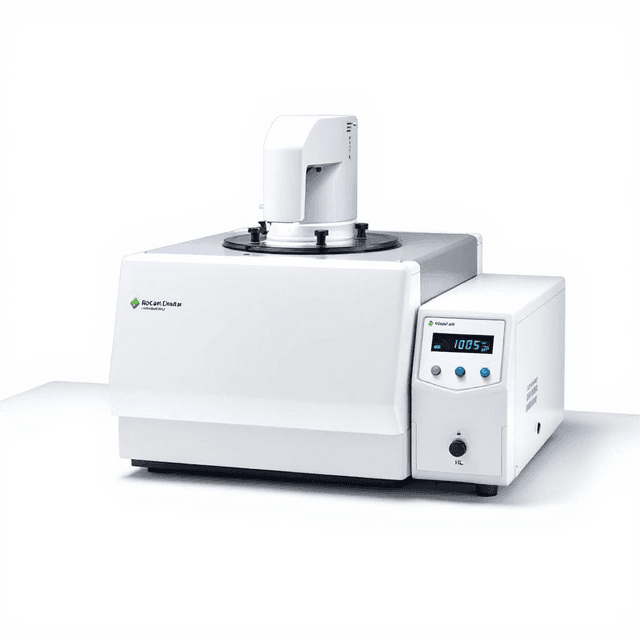
Optional polarimeter accessories provide additional functionality and measurement capabilities for polarimetric analysis systems. These supplementary components extend the versatility of base polarimeter units, enabling researchers to adapt their instrumentation to specific analytical requirements across diverse applications.
The accessory components support enhanced measurement protocols in pharmaceutical analysis, organic synthesis monitoring, and quality control workflows where optical rotation measurements are critical. By expanding the capabilities of standard polarimetry setups, these accessories facilitate more comprehensive characterization of optically active compounds and solutions.
How It Works
Polarimetry measures the rotation of plane-polarized light as it passes through optically active substances. When polarized light encounters chiral molecules, the interaction causes the plane of polarization to rotate by an angle proportional to the concentration of the optically active compound, the path length, and the specific rotation constant of the substance.
Optional polarimeter accessories enhance this fundamental measurement principle by providing specialized sample handling, alternative light sources, or modified optical configurations. These components may include specialized sample cells for different volumes or temperatures, wavelength filters for specific analytical requirements, or temperature control systems that ensure consistent measurement conditions.
The accessories integrate with the base polarimeter system to expand measurement capabilities while maintaining the precision required for quantitative optical rotation analysis. Each accessory component is designed to preserve the optical alignment and measurement accuracy of the primary instrument.
Features & Benefits
Brand
- ConductScience
Research Domain
- Analytical Chemistry
- Clinical Diagnostics
- Environmental Monitoring
- Food Science
- Materials Science
- Pharmaceutical QC
Shipping weight
- 29.98 lb
Shipping box
- L: 42.0 cm
- W: 43.6 cm
- H: 38.0 cm
| Feature | This Product | Typical Alternative | Advantage |
|---|---|---|---|
| System Compatibility | Designed for ConductScience polarimeter systems | May require specific brand matching or adapter components | Ensures seamless integration without compatibility concerns or performance compromises |
| Installation Complexity | Straightforward installation process | May require professional installation or complex alignment procedures | Minimizes system downtime and reduces installation costs for laboratory upgrades |
| Modular Design | Individual accessory components available | Often sold as complete packages or integrated systems | Allows researchers to select only the capabilities needed for their specific applications |
| Documentation Support | Component-specific documentation provided | May have limited or generic installation guidance | Reduces setup time and ensures proper configuration for optimal performance |
The optional polarimeter accessories provide flexible, modular expansion of measurement capabilities with straightforward installation and comprehensive documentation support. The component-based approach allows researchers to customize their polarimetric analysis system according to specific application requirements while maintaining measurement accuracy and system reliability.
Practical Tips
Install accessories in a dust-free environment and handle all optical components with clean gloves to prevent contamination.
Why: Optical surface contamination can significantly affect measurement accuracy and system performance.
Perform calibration checks after installing new accessories using known reference standards appropriate for your application.
Why: Accessories may slightly alter the optical path and require system recalibration for optimal accuracy.
Clean optical surfaces regularly with appropriate solvents and lint-free cloths, following the cleaning protocols for each component.
Why: Accumulated dust and residues on optical elements will degrade measurement precision over time.
If measurements become inconsistent after accessory installation, check all mechanical connections and optical alignment before assuming component failure.
Why: Many apparent performance issues result from loose connections or misalignment rather than component defects.
Always power down the polarimeter system before installing or removing accessories to prevent electrical damage.
Why: Hot-swapping optical components can damage sensitive electronic circuits in the polarimeter control system.
Establish baseline measurements with your standard samples after installing accessories to verify system performance.
Why: Baseline data provides reference points for detecting any performance changes or calibration drift over time.
Setup Guide
What’s in the Box
- Accessory components as specified (typical)
- Installation hardware and connectors (typical)
- Component-specific documentation (typical)
- Calibration certificates where applicable (typical)
Warranty
ConductScience provides a standard one-year manufacturer warranty covering defects in materials and workmanship, with technical support for proper installation and operation of accessory components.
Compliance
How do I determine which accessories are compatible with my existing polarimeter?
Check the model number and specifications of your current polarimeter system. Contact technical support with your instrument model to confirm compatibility before ordering accessories.
Do the accessories require separate calibration procedures?
Some accessories may require specific calibration protocols. Follow the calibration instructions provided with each component and use appropriate reference standards for your application.
Can multiple accessories be used simultaneously on the same polarimeter?
This depends on the specific accessories and your polarimeter configuration. Some accessories may be mutually exclusive while others can be combined. Consult the compatibility documentation.
What maintenance is required for the accessory components?
Follow standard optical component care practices including regular cleaning of optical surfaces and protection from dust and contamination. Specific maintenance schedules vary by component type.
How do accessories affect the measurement accuracy of the base system?
Properly installed and calibrated accessories are designed to maintain the accuracy specifications of the base polarimeter. Improper installation or damaged components may affect performance.
Are there specific sample preparation considerations when using accessories?
Sample preparation requirements may vary depending on the specific accessory. Follow the protocols provided with each component and ensure samples are appropriate for the modified optical configuration.
What should I do if an accessory appears to be affecting measurement reproducibility?
Check installation alignment, verify calibration status, and clean all optical surfaces. If issues persist, contact technical support for troubleshooting guidance specific to your accessory configuration.
Have a question about this product?
Have a question? Just ask.
Send it over and we'll email you a personalized answer — no call, no scheduling.
Prefer to talk it through?