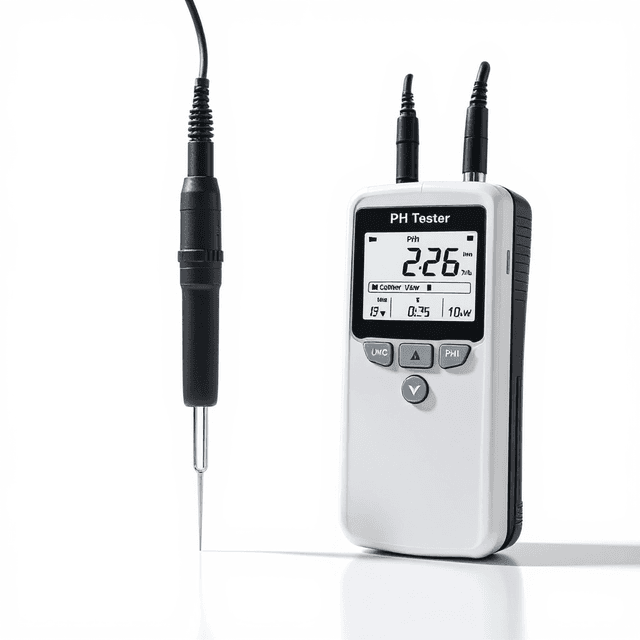
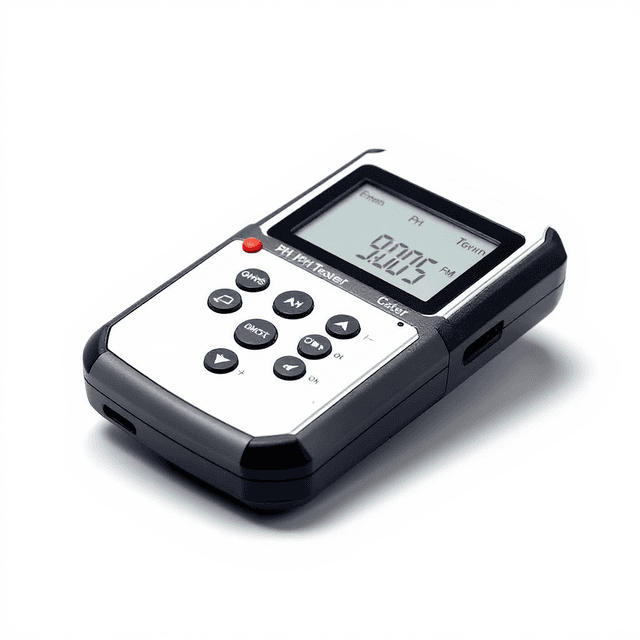
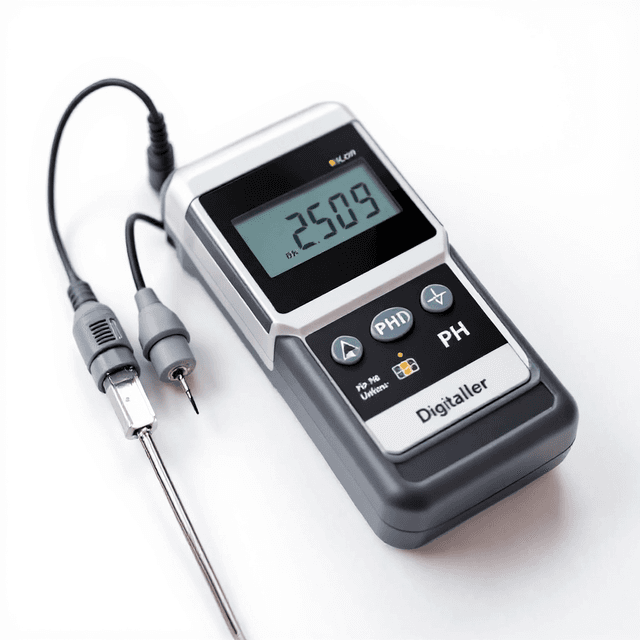
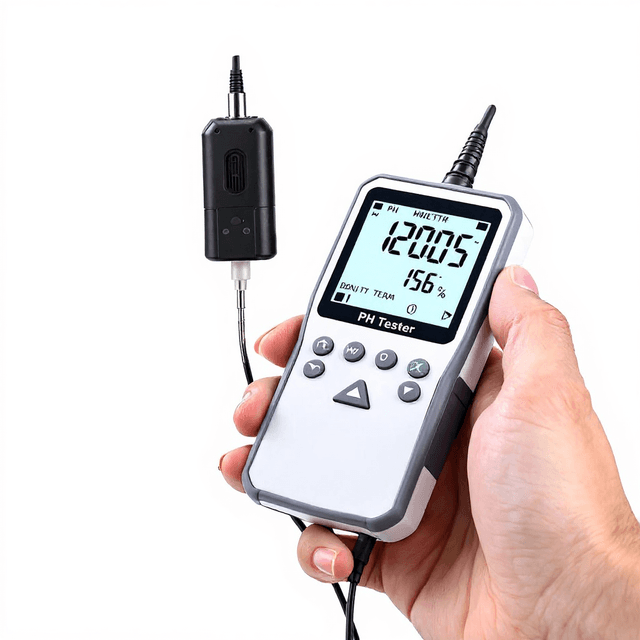
Photometric Water Hardness Analyzer, 0.05-50 mg/L, Digital Display
Laboratory water hardness meter with multi-point calibration (0.01-100 mmol/L range), temperature compensation, and 500-measurement data storage for quantitative water quality analysis.

Louise Corscadden, PhD
Director of Science · ConductScience
Ask Louise about Photometric Water Hardness Analyzer, 0.05-50 mg/L, Digital Display fit, setup, configuration, or quote prep.
Already working with us? Sign in to connect this with My Scientist.
Key Specifications
Full details →- Model fit
- 1 selectable configurations
- SKU family
- BIO-0388
- Shipping box
- 6.0 x 21.0 x 18.8 cm
- Ordering
- Online checkout and quote request available
- Category
- pH Meters
- Build notes
- Confirm accessories, station layout, and support needs before purchase
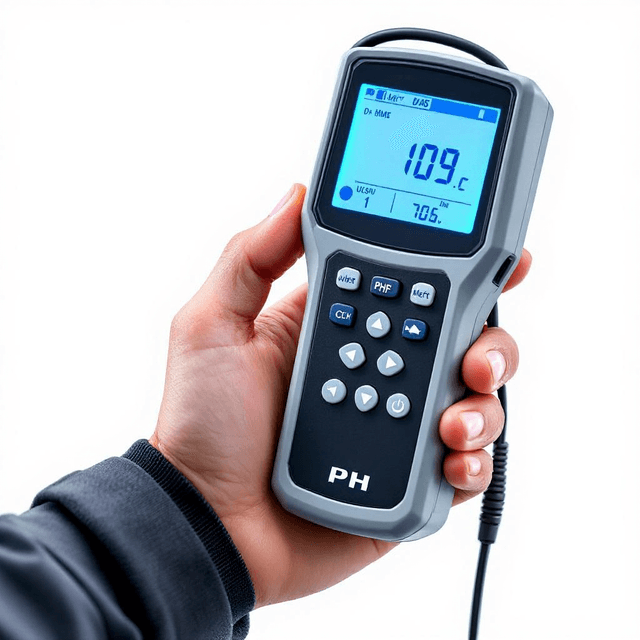
The Benchtop Water Hardness Meter is a laboratory-grade instrument designed for quantitative determination of water hardness levels across a wide concentration range. The system utilizes multi-point calibration capability with 2 to 5 calibration points spanning 0.01 to 100 mmol/L, enabling accurate measurements across both trace and high-concentration samples. The instrument features integrated temperature compensation with ±0.5°C accuracy and selectable stability criteria for consistent readings in varying laboratory conditions.
The meter incorporates a custom LCD display (125×100mm) with BNC connectivity and 3.5mm jack socket for electrode interfacing. Data management capabilities include storage for 500 data sets with configurable calibration due alarms ranging from 1 to 31 days. The compact benchtop design (210×188×60mm, 1.5kg net weight) operates on DC5V power adapter, making it suitable for routine water quality analysis in research and quality control laboratories.
How It Works
Water hardness measurement is based on the quantification of divalent cations, primarily calcium (Ca²⁺) and magnesium (Mg²⁺), which form complexes with chelating agents or respond to ion-selective electrode systems. The instrument employs electrochemical detection principles where the electrode generates a potential proportional to the concentration of hardness-causing ions in solution.
The multi-point calibration system (2-5 points across 0.01 to 100 mmol/L) establishes a calibration curve that compensates for electrode drift and ensures linear response across the measurement range. Temperature compensation algorithms automatically adjust readings based on the integrated temperature sensor (±0.5°C accuracy) since ionic activity and electrode response are temperature-dependent. The stability criteria settings (low or high) determine the measurement endpoint based on signal stability requirements.
Features & Benefits
Shipping weight
- 1.5 lb
Shipping box
- L: 6.0 cm
- W: 21.0 cm
- H: 18.8 cm
| Feature | This Product | Typical Alternative | Advantage |
|---|---|---|---|
| Calibration Range | 0.01 to 100 mmol/L across 2-5 calibration points | Entry-level models often provide 1-2 point calibration with limited range coverage | Wide range calibration ensures accurate measurements for both trace and high-hardness samples |
| Data Storage | 500 measurement data sets with timestamps | Basic meters offer limited or no internal data storage | Eliminates manual data recording and supports batch measurement documentation |
| Temperature Compensation | Integrated sensor with ±0.5°C accuracy and automatic correction | Manual temperature correction or lower accuracy sensors | Reduces measurement uncertainty from temperature variations in laboratory conditions |
| Calibration Management | Configurable due alarms from 1-31 days with offset calibration | No calibration reminders or fixed reminder intervals | Prevents measurement errors from electrode drift through timely recalibration prompts |
| Display System | Custom LCD display 125×100mm with clear readout | Smaller displays with limited information presentation | Improves readability and reduces operator errors during measurements |
| Connectivity | BNC connector and 3.5mm jack for standard laboratory electrodes | Varies by model with some using proprietary connectors | Compatible with existing laboratory electrode inventory and replacement sources |
This water hardness meter combines wide-range calibration capability with comprehensive data management and automated temperature compensation. The 500-measurement storage capacity and configurable calibration alarms support routine laboratory workflows requiring documented measurement traceability.
Practical Tips
Perform 3-point calibration using standards that bracket your expected sample range, with at least one standard near your typical sample concentration.
Why: This ensures optimal accuracy in your working range and compensates for electrode non-linearity.
Rinse electrodes with deionized water between samples and store in manufacturer-recommended storage solution when not in use.
Why: Prevents electrode contamination and maintains stable response characteristics.
Allow samples to equilibrate to room temperature before measurement and use consistent stirring if required.
Why: Temperature equilibration ensures accurate automatic compensation and consistent electrode response time.
If readings drift or respond slowly, check electrode condition and perform cleaning according to manufacturer protocols.
Why: Electrode fouling is the most common cause of measurement errors and slow response times.
Set stability criteria to 'high' for precise measurements or 'low' for faster throughput when precision requirements are less stringent.
Why: Optimizes the balance between measurement speed and precision based on analytical requirements.
Use the calibration due alarm feature set to 7 days for routine analysis or shorter intervals for critical measurements.
Why: Regular calibration verification maintains measurement accuracy and ensures data quality over time.
Ensure proper grounding of the instrument and use appropriate electrical safety practices when working with aqueous samples.
Why: Prevents electrical hazards and reduces electronic interference that could affect measurement stability.
Record calibration data and electrode response characteristics to track electrode performance over time.
Why: Trending electrode performance helps predict when replacement is needed and maintains measurement quality.
Setup Guide
What’s in the Box
- Benchtop Water Hardness Meter main unit
- DC5V power adapter
- Water hardness electrode (typical)
- Reference electrode (typical)
- BNC cable (typical)
- Calibration standard solutions (typical)
- User manual and quick start guide
- Calibration certificate (typical)
Warranty
ConductScience provides a standard 1-year manufacturer warranty covering defects in materials and workmanship. Technical support includes calibration guidance, electrode maintenance protocols, and troubleshooting assistance.
Compliance
What calibration standards are recommended for routine water hardness analysis?
Use 3-point calibration with standards at 1, 10, and 100 mmol/L for most applications. For trace analysis, include 0.01 and 0.1 mmol/L standards. Prepare fresh standards weekly using certified reference materials.
How does temperature compensation affect measurement accuracy?
The integrated temperature sensor (±0.5°C accuracy) automatically corrects electrode response for temperature variations. This eliminates the need for manual temperature coefficients and ensures consistent results across 15-35°C laboratory conditions.
What maintenance is required for the water hardness electrode?
Clean electrode daily with deionized water, store in appropriate storage solution, and perform calibration verification weekly. Replace electrode when slope falls below manufacturer specifications or response time exceeds 30 seconds.
Can the meter interface with laboratory data management systems?
The 500-measurement internal memory stores data locally. For LIMS integration, consult product datasheet for available communication protocols and data export formats.
What sample volume and container requirements apply?
Minimum sample volume depends on electrode dimensions, typically 25-50mL in beakers or cups allowing full electrode immersion. Use clean glassware or plastic containers compatible with sample matrix.
How often should calibration due alarms be set?
Configure 7-day alarms for routine analysis, 1-3 days for critical measurements, or up to 31 days for stable laboratory conditions. Base frequency on electrode stability and measurement accuracy requirements.
What interfering substances affect water hardness measurements?
High ionic strength, heavy metals, and organic chelating agents can interfere with electrode response. Use appropriate sample preparation or masking agents as specified in analytical protocols.
Have a question about this product?
Have a question? Just ask.
Send it over and we'll email you a personalized answer — no call, no scheduling.
Prefer to talk it through?
Accessories
Enhance your setup with compatible accessories
Frequently Bought Together