Plant Root Morphology Phenotype Analysis System
Image-based system measuring root length, diameter, area, volume, and tip count in vitro. Configured to your protocol—request a quote.

Louise Corscadden, PhD
Director of Science · ConductScience
Ask Louise about Plant Root Morphology Phenotype Analysis System fit, setup, configuration, or quote prep.
Already working with us? Sign in to connect this with My Scientist.
Key Specifications
Full details →- Model fit
- Configured during quote
- SKU family
- AGR-0031
- Sizing
- Model-specific dimensions confirmed from the selected configuration
- Ordering
- Quote-reviewed before fulfillment
- Category
- Agriculture & Food Science
- Build notes
- Confirm accessories, station layout, and support needs before purchase
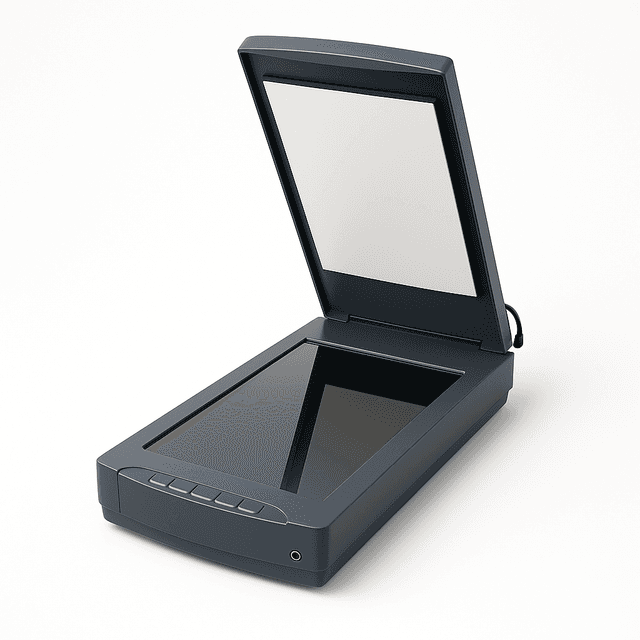
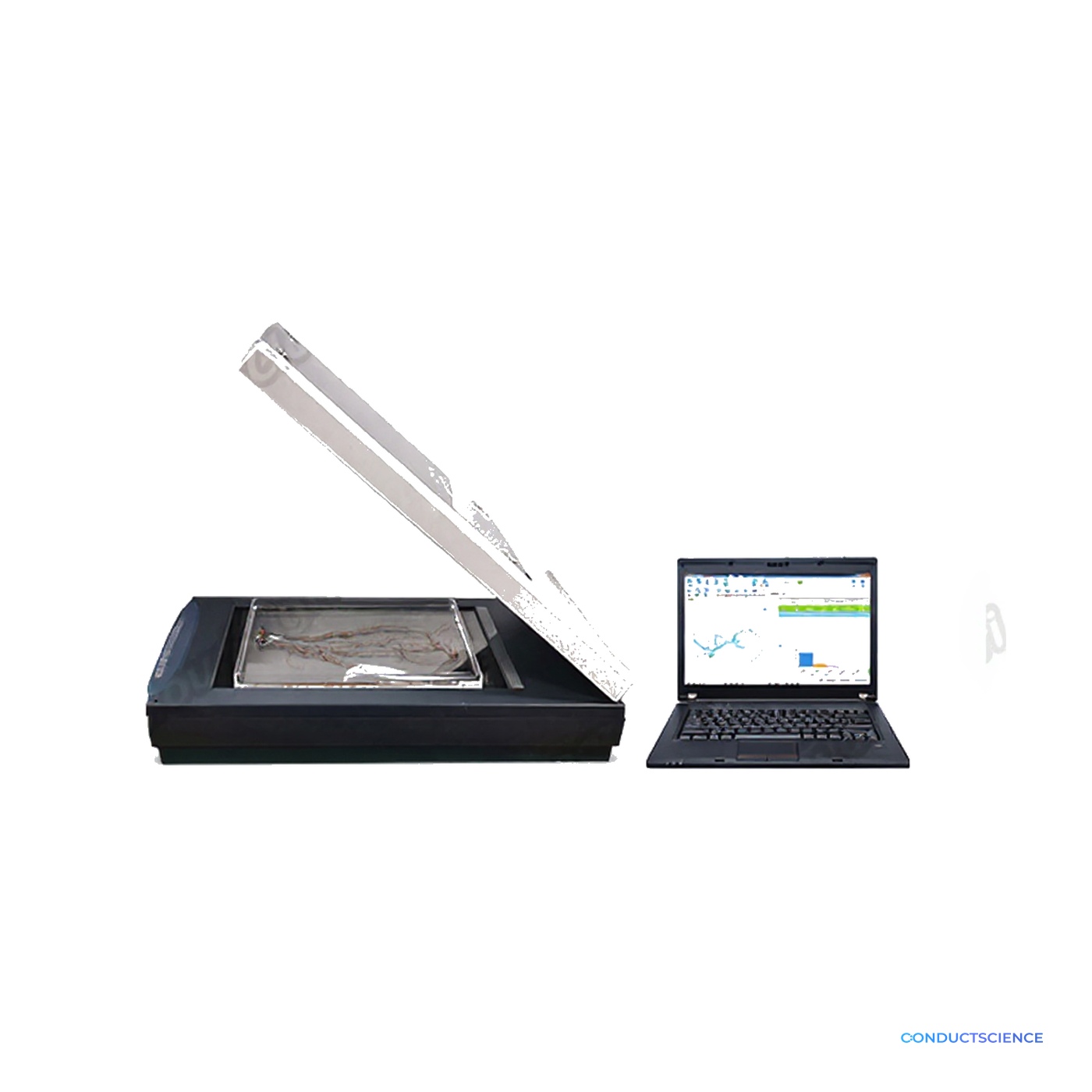
The Plant Roots Morphology Phenotype Analysis System uses image recognition technology to quantify the structural and geometric parameters of washed root systems in vitro. Where manual measurement of root architecture is impractical, this system delivers objective, repeatable data on total root length, average diameter, projected area, surface area, volume, and root tip count—across both the whole root system and individual lateral-root levels.
The key qualifier researchers compare when evaluating root analysis systems is measurement accuracy across the full parameter set. This system reports error below 3.65% for total root length, below 4.02% for projected area, below 3.75% for surface area, and below 0.04% for average diameter, giving plant scientists confidence that morphological differences between treatments or genotypes reflect biology rather than instrument noise.
Typical applications include genotype screening for root architecture traits, fertilizer and irrigation treatment comparisons, drought and salinity stress studies, and developmental phenotyping across crop species and model plants. The system captures both whole-system metrics and per-level lateral root parameters—quantity, length, diameter, surface area, volume, and projected area—enabling fine-grained architectural analysis.
Because root phenotyping protocols differ by crop, growth system, and study design, this instrument is configured to the requirements of your research. Contact our team to request a quote and describe your application so we can tailor the configuration to your protocol.
Root Tip Count Range
- 0–1,000
Root Tip Count Accuracy
- Error < 5%
Total Root System Length Range
- 0–10,000 mm
Total Root System Length Accuracy
- Error < 3.65%
Average Root Diameter Range
- 0–20 mm
Average Root Diameter Accuracy
- Error < 0.04%
Projected Area Range (Whole System)
- 0–200,000 mm²
Projected Area Accuracy
- Error < 4.02%
Surface Area Range (Whole System)
- 0–1,000,000 mm²
Surface Area Accuracy
- Error < 3.75%
Volume Range (Whole System)
- 0–2,000,000,000 mm³
Lateral Root Count Range (All Levels)
- 0–100
Number of Connections Range
- 0–100
Lateral Root Parameters Reported
- Quantity, length, average diameter, surface area, volume, and projected area per hierarchical level
Measurement Principle
- Image recognition–based analysis of washed root systems in vitro
What root morphology parameters does the system measure?
The system measures a comprehensive set of whole-system parameters—total root length (0–10,000 mm), average diameter (0–20 mm), projected area (0–200,000 mm²), surface area (0–1,000,000 mm²), volume (0–2,000,000,000 mm³), and total root tip count (0–1,000). It also resolves lateral-root data level by level, reporting quantity, summed length, average diameter, surface area, volume, and projected area for roots at each hierarchical level, plus the total number of lateral connections (0–100).
How accurate are the measurements?
Accuracy varies by parameter. Total root system length carries an error below 3.65%; average diameter is exceptionally precise with error below 0.04%; projected area error is below 4.02%; surface area error is below 3.75%; and root tip count error is below 5%. These figures apply when roots are properly washed and prepared in vitro before imaging.
What sample preparation is required before using the system?
Roots must be washed free of soil or growing medium and measured in vitro—meaning the root system is removed from the plant and imaged outside the growth substrate. This in vitro approach allows the image recognition technology to resolve individual root segments and tips cleanly for accurate geometric analysis.
What types of plants or root systems can be analyzed?
The system is designed for general plant root analysis and accommodates the measurement ranges built into its parameter set—roots up to 10,000 mm in total length, up to 20 mm in average diameter, and root systems with up to 1,000 tips. This broad range supports a variety of herbaceous crops, model plants, and root architectures commonly studied in agronomic and physiological research.
How is the system configured for my research protocol?
Because root phenotyping requirements differ by species, experimental design, and throughput, this system is configured based on your specific study needs. Reach out to request a quote and share details about your application—our team will work with you to specify the appropriate configuration before finalizing your order.
Have a question about this product?
Have a question? Just ask.
Send it over and we'll email you a personalized answer — no call, no scheduling.
Prefer to talk it through?
Frequently Bought Together