Portable Autoclave
Portable 18-liter dual-use autoclave with 126°C fixed temperature operation, anti-dry protection, and coal/electrical heating options for laboratory sterilization applications.

Louise Corscadden, PhD
Director of Science · ConductScience
Ask Louise about Portable Autoclave fit, setup, configuration, or quote prep.
Already working with us? Sign in to connect this with My Scientist.
Key Specifications
Full details →- Model fit
- Configured during quote
- SKU family
- BIO-0144
- Shipping box
- 45.0 x 38.5 x 38.5 cm
- Ordering
- Online checkout and quote request available
- Category
- Autoclaves
- Build notes
- Confirm accessories, station layout, and support needs before purchase
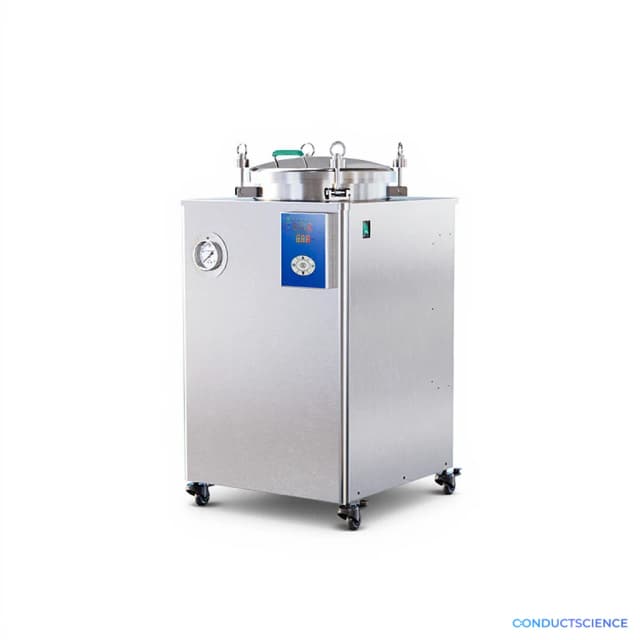
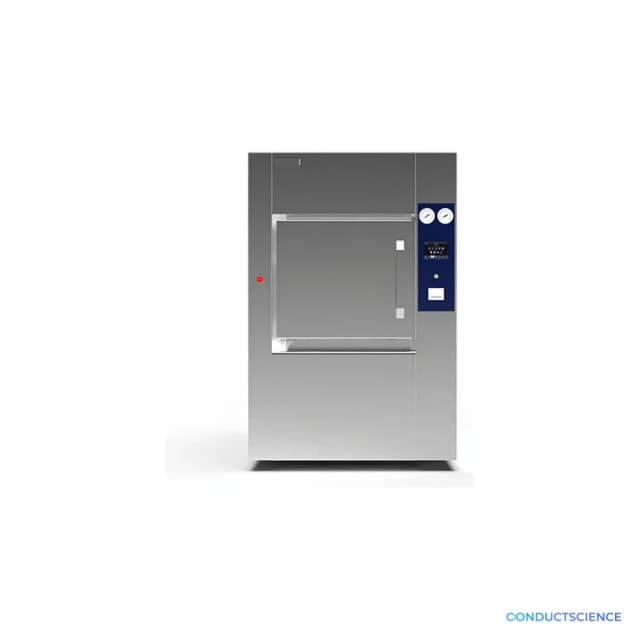
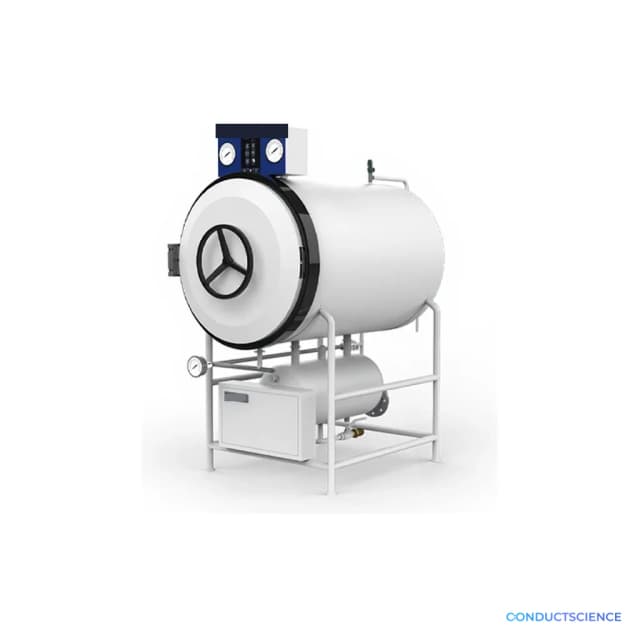
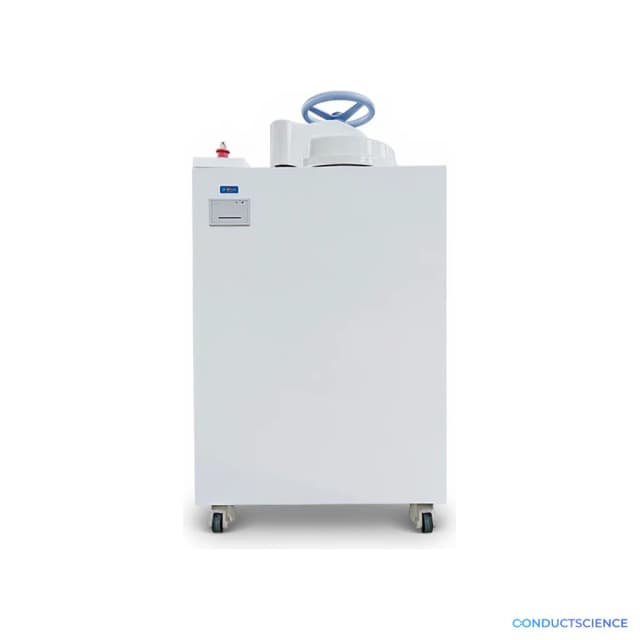
The Portable Autoclave BIO-0144 is a dual-use steam sterilization system designed for laboratory and field applications requiring sterile processing capabilities. This 18-liter capacity unit operates at fixed temperature settings of 126°C with rated working pressure of 0.14 MPa, providing reliable sterilization for laboratory instruments, glassware, and culture media. The system features anti-dry protection and timing control functionality to ensure safe, consistent operation.
The unit's dual heating capability supports both electrical and coal-fired operation, making it suitable for remote field stations or laboratories with limited electrical infrastructure. With compact dimensions of 45 × 38.5 × 38.5 cm and 15.5 kg weight, the autoclave provides portable sterilization capacity for research facilities requiring mobility or backup sterilization capabilities.
How It Works
Steam sterilization operates through the application of saturated steam under pressure to achieve temperatures lethal to microorganisms. The autoclave generates steam within a sealed chamber, creating an environment where the combination of temperature (126°C), pressure (0.14 MPa), and time effectively denatures proteins and destroys cellular structures of bacteria, viruses, and spores.
The dual-use heating system allows operation with either electrical elements or coal combustion, providing steam generation flexibility for different operational environments. Anti-dry protection monitors water levels to prevent damage from dry heating, while timing control ensures adequate exposure periods for complete sterilization. The fixed temperature setting maintains consistent 126°C operation within the rated pressure parameters.
Sterilization effectiveness depends on steam penetration, temperature uniformity, and adequate contact time with all surfaces. The 18-liter chamber accommodates standard laboratory glassware, instruments, and liquid media containers while maintaining proper steam circulation patterns for uniform heat distribution.
Features & Benefits
Automation Level
- semi-automated
BKM-P18II
- BKM-P18III
BKM-24I
- BKM-P24II
Type
- Dual-use Type
Anti-dry Type
- Timing Control Type
Dual-use Type
- Anti-dry Type
Max Working Pressure
- 0.165MPa
Max Working Temp.
- 129℃
Rated Working Pressure
- 0.14MPa
Rated Working Temp.
- 126℃
Temp. Setting
- Fixed 126℃
105~127℃
- Fixed 126℃
Heating Method
- Coal or electricity
Electricity
- Coal or electricity
Brand
- ConductScience
Research Domain
- Clinical Diagnostics
- Environmental Monitoring
- Food Science
- Materials Science
- Microbiology
- Pharmaceutical QC
Capacity
- 18L
Shipping weight
- 15.5 lb
Shipping box
- L: 45.0 cm
- W: 38.5 cm
- H: 38.5 cm
| Feature | This Product | Typical Alternative | Advantage |
|---|---|---|---|
| Chamber Capacity | 18-liter capacity | Portable units commonly range from 8-25 liters | Provides sufficient volume for standard laboratory instrument sets while maintaining portability for field applications. |
| Heating Options | Dual-use coal or electrical heating | Most portable units offer electrical heating only | Enables operation in remote locations without reliable electrical infrastructure. |
| Temperature Control | Fixed 126°C operation | Variable temperature control is common | Eliminates operator error in temperature selection while providing effective sterilization conditions. |
| Operating Pressure | 0.14 MPa rated working pressure | Similar pressure ranges are standard | Maintains effective sterilization pressure while operating within safe parameters. |
| Safety Features | Anti-dry protection and timing control | Basic safety features vary by model | Prevents equipment damage and ensures consistent sterilization cycles through automated monitoring. |
| Weight and Portability | 15.5 kg total weight | Portable models typically range from 12-25 kg | Balances adequate capacity with manageable weight for transport between laboratory locations. |
This autoclave combines 18-liter sterilization capacity with dual heating flexibility and essential safety features in a portable design. The fixed temperature operation and anti-dry protection provide reliable sterilization performance for routine laboratory applications.
Practical Tips
Verify temperature accuracy using calibrated thermocouples placed in different chamber locations during empty cycles.
Why: Ensures uniform temperature distribution and validates sterilization effectiveness across the entire chamber volume.
Use distilled water exclusively and descale monthly in hard water areas to prevent mineral buildup.
Why: Mineral deposits can affect heat transfer efficiency and potentially damage heating elements or pressure control systems.
Allow items to cool completely before removing and avoid rapid cooling that could cause container breakage.
Why: Thermal shock from rapid temperature changes can compromise glassware integrity and potentially create safety hazards.
Always verify pressure has returned to atmospheric before attempting to open the chamber door.
Why: Opening under pressure can cause violent steam release and potential injury from hot steam or ejected materials.
Document cycle parameters including temperature, pressure, time, and load configuration for each sterilization run.
Why: Provides traceability for sterility validation and helps identify potential issues before they affect research outcomes.
If steam generation is poor, check water level and inspect heating elements for scale buildup or electrical connections.
Why: Adequate steam generation is essential for effective sterilization, and poor performance often indicates maintenance needs.
Package items loosely to allow steam circulation and avoid overloading that creates steam shadow areas.
Why: Steam must contact all surfaces for effective sterilization, and restricted airflow creates regions of inadequate treatment.
Inspect door seals and gaskets regularly for wear, cracks, or deformation that could affect pressure integrity.
Why: Compromised seals lead to pressure loss and ineffective sterilization conditions, potentially compromising research sterility.
Setup Guide
What’s in the Box
- Portable autoclave main unit
- Power cord (typical)
- Water reservoir components (typical)
- Drain accessories (typical)
- User manual and safety instructions (typical)
- Pressure gauge and temperature indicator (typical)
Warranty
ConductScience provides a standard one-year manufacturer warranty covering defects in materials and workmanship. Technical support includes operation guidance and troubleshooting assistance for optimal sterilization performance.
Compliance
What sterilization cycles are appropriate for different load types?
Liquid media typically requires 15 minutes at 126°C, while solid instruments need 20-30 minutes depending on size and packaging. Wrapped items require extended cycles to ensure steam penetration.
How do I verify sterilization effectiveness?
Use biological indicators (spore strips) and chemical indicators to validate cycle effectiveness. Temperature and pressure monitoring throughout the cycle confirms proper operating conditions.
What maintenance is required for consistent performance?
Daily water level checks, weekly cleaning of chamber and drain systems, and monthly inspection of door seals and pressure relief valves. Descaling frequency depends on water quality.
Can this unit sterilize heat-sensitive materials?
The fixed 126°C operating temperature is suitable for most laboratory glassware and metal instruments but may not be appropriate for heat-sensitive plastics or electronic components.
What are the electrical requirements for operation?
Consult product datasheet for specific electrical specifications. The dual-use design allows coal heating as an alternative when electrical power is unavailable.
How does the anti-dry protection function?
The system monitors water levels and prevents heating when insufficient water is detected, protecting heating elements and preventing safety hazards from dry operation.
What is the maximum load capacity?
The 18-liter chamber accommodates standard laboratory loads, but actual capacity depends on item configuration and requirement for adequate steam circulation around all surfaces.
Have a question about this product?
Have a question? Just ask.
Send it over and we'll email you a personalized answer — no call, no scheduling.
Prefer to talk it through?