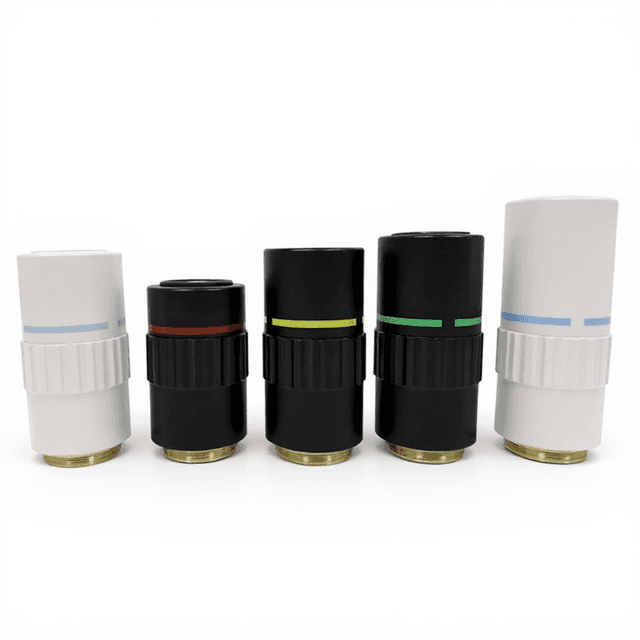
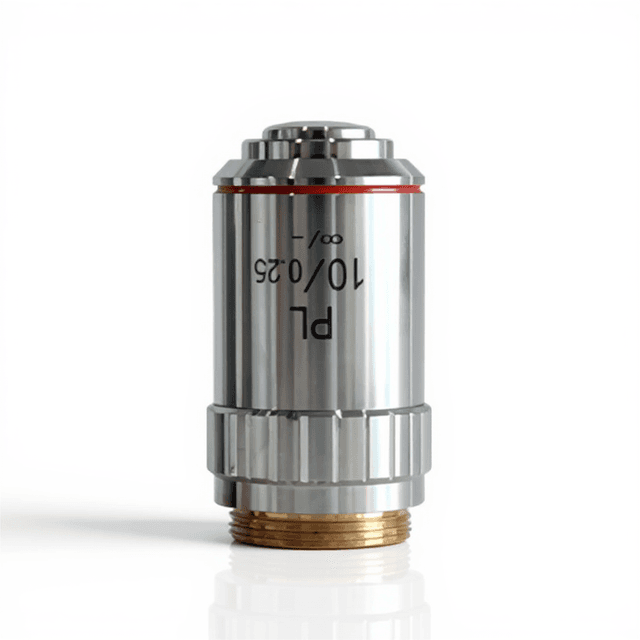
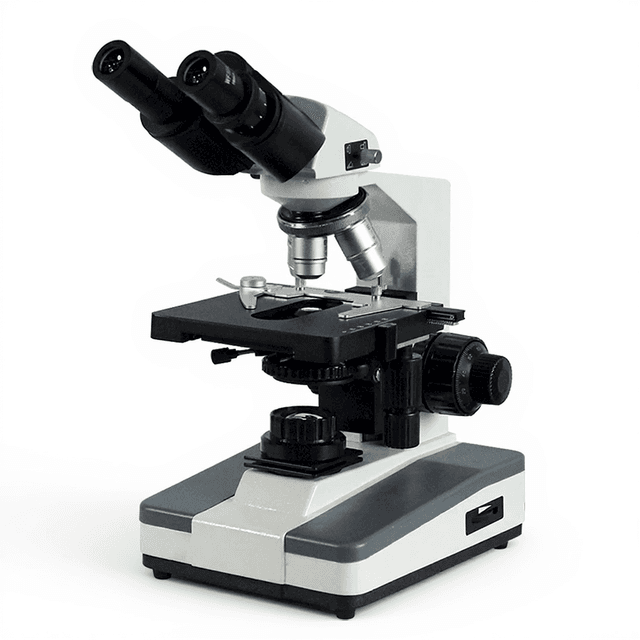
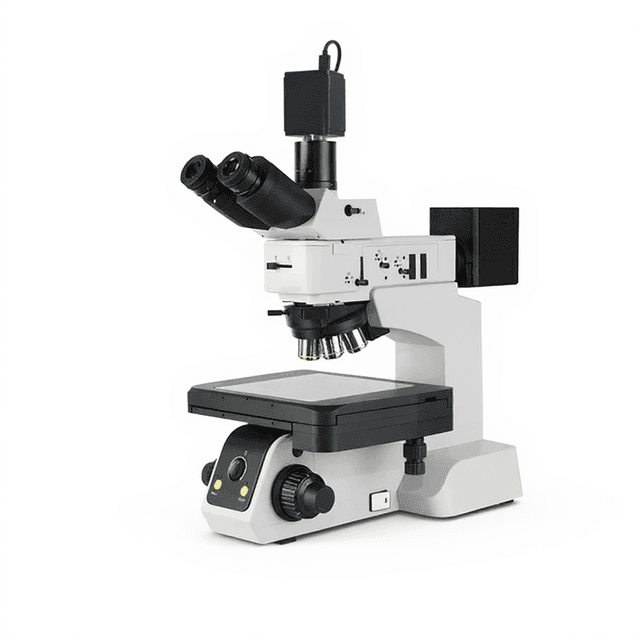
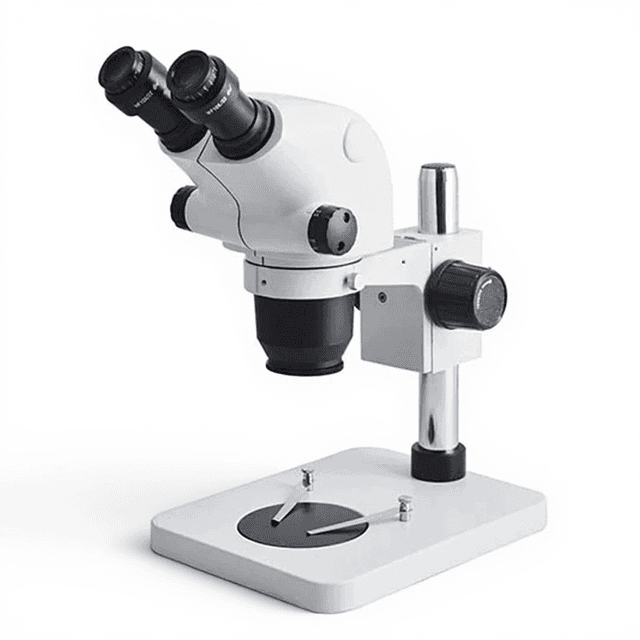
Series 2X~260X WF10X/22mm Stereo Microscope with LED Ring Light Source
Variable magnification stereo microscope (2X-260X) with LED ring illumination and 110mm working distance for three-dimensional specimen examination and surface analysis applications.

Louise Corscadden, PhD
Director of Science · ConductScience
Ask Louise about Series 2X~260X WF10X/22mm Stereo Microscope with LED Ring Light Source fit, setup, configuration, or quote prep.
Already working with us? Sign in to connect this with My Scientist.
Key Specifications
Full details →- Model fit
- Configured during quote
- SKU family
- MCX-0038
- Shipping box
- 4.9 x 6.6 x 6.6 cm
- Ordering
- Online checkout and quote request available
- Category
- Microscopy
- Build notes
- Confirm accessories, station layout, and support needs before purchase
The Series 2X~260X WF10X/22mm Stereo Microscope with LED Ring Light Source provides variable magnification from 2X to 260X for detailed examination of specimens requiring three-dimensional visualization. The integrated LED ring illumination system delivers uniform, shadowless lighting across the field of view, essential for accurate morphological assessment and surface feature analysis. The WF10X/22mm wide-field eyepieces provide a comfortable viewing experience with 0.65 numerical aperture optics.
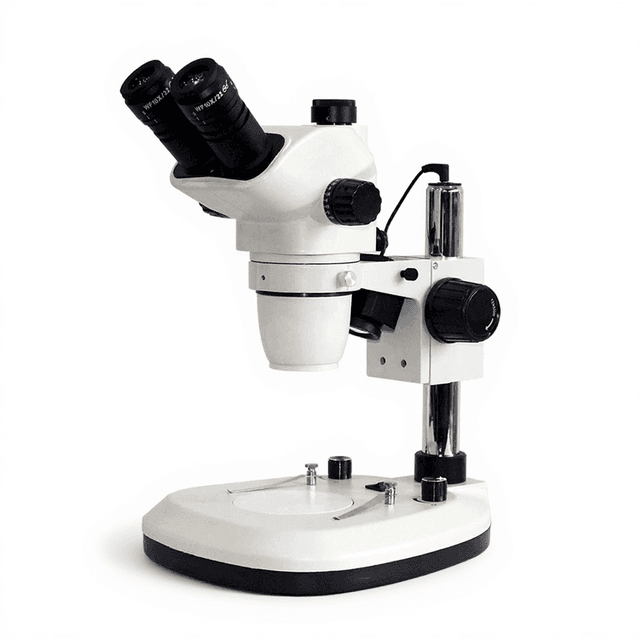
This stereo microscope supports multiple stand configurations including pole stands (PS, PLH, PF2L, PRT, PL, PI, PF) and boom stand (SU2) options to accommodate different workspace requirements. The 110mm working distance allows manipulation of specimens and tools within the field of view. Optional auxiliary objectives including 0.3X and 0.5X extend the magnification range for specialized applications requiring lower magnification and larger field coverage.
How It Works
Stereo microscopy utilizes two separate optical paths to create stereoscopic three-dimensional images, enabling depth perception essential for manipulative work and surface topography assessment. The dual objective system captures images from slightly different angles, mimicking binocular vision to provide natural depth cues. Variable magnification is achieved through a zoom mechanism that maintains parfocal alignment across the magnification range.
The integrated LED ring light source provides incident illumination, directing light onto the specimen surface from multiple angles to minimize shadows and enhance surface detail visibility. This illumination geometry is particularly effective for opaque specimens where transmitted light microscopy is not applicable. The 110mm working distance accommodates specimen manipulation tools and allows for various specimen container sizes.
The WF10X/22mm eyepieces provide a wide field of view with comfortable eye relief, while the 0.65 numerical aperture balances resolution with depth of field requirements typical for stereo microscopy applications. Optional auxiliary objectives modify the effective magnification and field coverage to match specific application requirements.
Features & Benefits
Automation Level
- manual
Product Type
- Microscope
Microscope Type
- Stereo / Dissecting
Application
- Assembly & Rework
- Sample Preparation
Illumination
- LED
Skill Level
- Entry Level
Brand
- ConductScience
Research Domain
- Analytical Chemistry
- Environmental Monitoring
- Food Science
- Histopathology
- Materials Science
- Microbiology
Shipping weight
- 1.9 lb
Shipping box
- L: 4.9 cm
- W: 6.6 cm
- H: 6.6 cm
| Feature | This Product | Typical Alternative | Advantage |
|---|---|---|---|
| Magnification Range | 2X to 260X variable zoom | Entry-level models often limited to 40-80X maximum magnification | Extended range eliminates need for objective changes and covers both overview and detailed examination requirements. |
| Working Distance | 110mm working distance | Standard models typically offer 75-100mm working distance | Greater clearance accommodates larger specimens and manipulation tools for dissection and preparation work. |
| Illumination System | Integrated LED ring light source | Basic models may use tungsten bulbs or require separate light sources | LED technology provides heat-free, uniform illumination with extended operational life and consistent performance. |
| Stand Options | Multiple configurations including pole stands (PS, PLH, PF2L, PRT, PL, PI, PF) and boom stand (SU2) | Limited stand options or single configuration | Flexibility to optimize setup for different workspace layouts and application requirements. |
| Auxiliary Objectives | Optional 0.3X and 0.5X auxiliary objectives available | Fixed magnification system without auxiliary options | Extends effective magnification range for specialized applications requiring very low magnification or large field coverage. |
| Eyepiece Specification | WF10X/22mm wide-field eyepieces with 0.65 numerical aperture | Standard eyepieces often have smaller field numbers and lower numerical aperture | Wide field view and optimized numerical aperture balance resolution with depth of field for stereo applications. |
This stereo microscope provides extended magnification range to 260X with integrated LED ring illumination and flexible stand configurations. The 110mm working distance and optional auxiliary objectives support diverse applications from overview examination to detailed surface analysis.
Practical Tips
Calibrate magnification using a certified stage micrometer at multiple zoom positions, particularly at the magnifications most commonly used in your applications.
Why: Zoom mechanisms can introduce slight magnification variations that affect measurement accuracy.
Clean LED ring light elements monthly with appropriate optical cleaning solutions to maintain uniform illumination intensity.
Why: Dust accumulation on LED surfaces can create uneven lighting patterns that affect image quality.
Adjust interpupillary distance carefully and verify comfortable stereoscopic viewing before beginning extended examination sessions.
Why: Proper alignment reduces eye strain and ensures optimal depth perception for accurate work.
Use the longest working distance practical for your application to maximize manipulation space and reduce accidental contact with specimens.
Why: Greater working distance provides more room for tools and reduces risk of contamination or specimen damage.
If stereoscopic effect is lost, check that both optical paths are properly aligned and eyepiece spacing matches your interpupillary distance.
Why: Misalignment eliminates the three-dimensional visualization that is essential for stereo microscopy applications.
Document illumination settings and magnification factors used for each specimen type to ensure reproducible imaging conditions.
Why: Consistent imaging parameters are essential for comparative analysis and measurement reproducibility.
Allow LED illumination system to stabilize for several minutes before critical examinations to ensure consistent light output.
Why: LED output can vary slightly during initial warm-up period, affecting color temperature and intensity.
Verify parfocal performance across the zoom range and adjust if necessary to maintain focus during magnification changes.
Why: Proper parfocal alignment enables efficient workflow without constant refocusing during examination.
Setup Guide
What’s in the Box
- Stereo microscope head with zoom optics
- WF10X/22mm wide-field eyepieces (pair)
- LED ring light source with power adapter
- Selected stand configuration (specified at order)
- Stage plates and clips (typical)
- Dust cover (typical)
- User manual and calibration certificate (typical)
Warranty
ConductScience provides a one-year manufacturer warranty covering optical and mechanical components, with technical support for setup optimization and troubleshooting assistance.
Compliance
References
Background reading relevant to this product:
What is the numerical aperture and resolution capability at maximum magnification?
The WF10X/22mm eyepieces provide 0.65 numerical aperture. For specific resolution limits at 260X magnification, consult product datasheet as this depends on the zoom mechanism design.
Can this microscope accommodate different specimen container sizes?
Yes, the 110mm working distance allows various specimen containers including petri dishes, slides, and small culture vessels. Stand selection affects maximum specimen height clearance.
How does LED ring illumination compare to traditional tungsten lighting?
LED ring light provides uniform, heat-free illumination with longer operational life and consistent color temperature, eliminating specimen heating effects common with tungsten sources.
What magnification calibration is required for measurement applications?
Use a certified stage micrometer to calibrate magnification factors at key zoom positions. Calibration should be verified periodically and after any mechanical adjustments to the optical system.
Are the auxiliary objectives parfocal with the main zoom system?
The 0.3X and 0.5X auxiliary objectives modify the effective magnification range. Parfocal performance with auxiliary objectives should be verified during setup and may require focus adjustment.
Which stand configuration is optimal for different applications?
Pole stands (PS, PLH, PF series) provide stable positioning for routine examination, while boom stands (SU2) offer greater positioning flexibility for irregular specimens or workspace constraints.
What maintenance is required for the LED illumination system?
LED systems require minimal maintenance but should be cleaned periodically with appropriate optical cleaning solutions. Check power supply connections and verify uniform illumination pattern regularly.
Can this microscope be used for digital imaging applications?
The eyepiece configuration supports addition of camera adapters for digital imaging. Camera selection should match the eyepiece tube diameter and optical requirements for your specific application.
Have a question about this product?
Have a question? Just ask.
Send it over and we'll email you a personalized answer — no call, no scheduling.
Prefer to talk it through?
Accessories
Enhance your setup with compatible accessories
Frequently Bought Together
Upgrade Options
Related Products