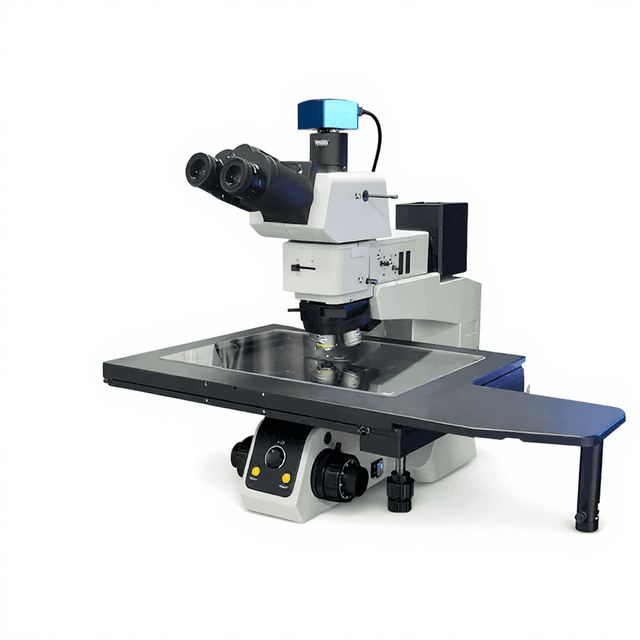
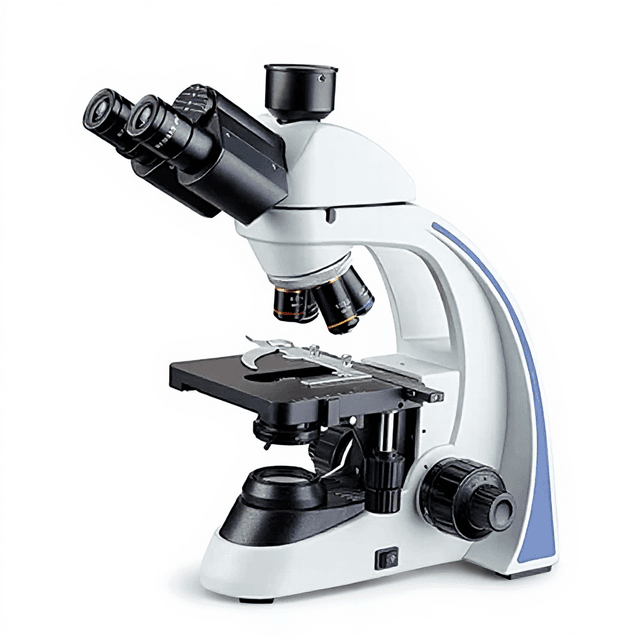
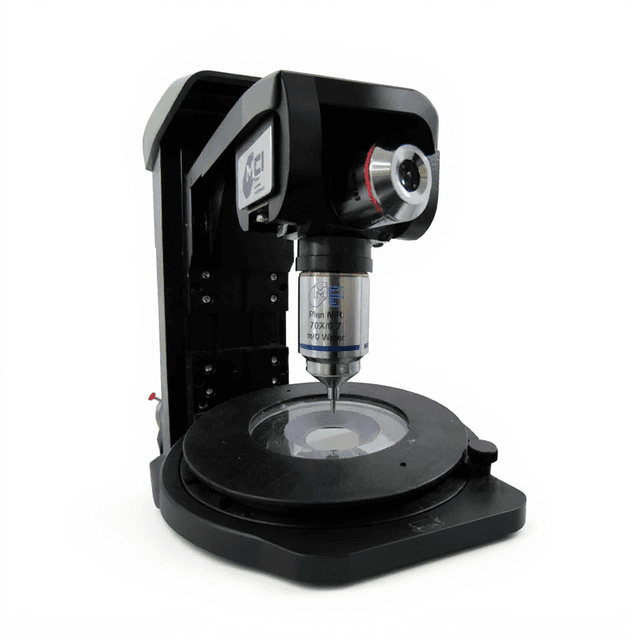
Series 6.5X~65X Continuous Zoom Stereo Microscope with Different Stand Bases
Continuous zoom stereo microscope with 6.5X-65X magnification range, 110mm working distance, and multiple stand configurations for versatile specimen examination.

Louise Corscadden, PhD
Director of Science · ConductScience
Ask Louise about Series 6.5X~65X Continuous Zoom Stereo Microscope with Different Stand Bases fit, setup, configuration, or quote prep.
Already working with us? Sign in to connect this with My Scientist.
Key Specifications
Full details →- Model fit
- Configured during quote
- SKU family
- MCX-0039
- Shipping box
- 4.9 x 6.6 x 6.6 cm
- Ordering
- Online checkout and quote request available
- Category
- Microscopy
- Build notes
- Confirm accessories, station layout, and support needs before purchase
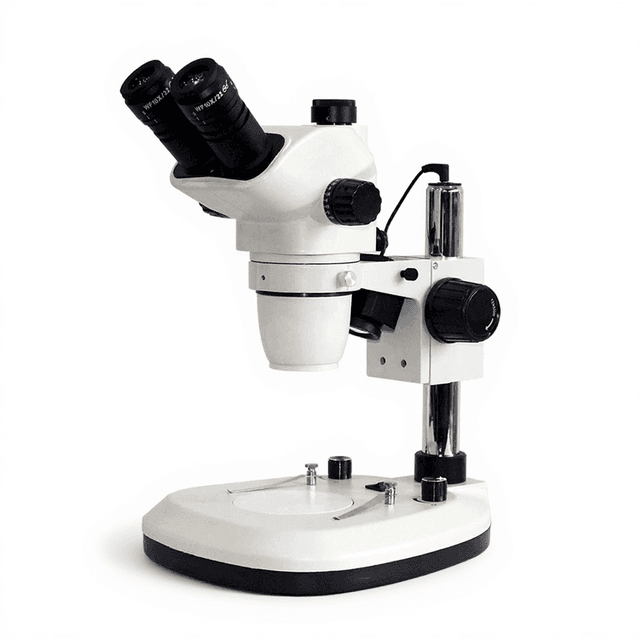
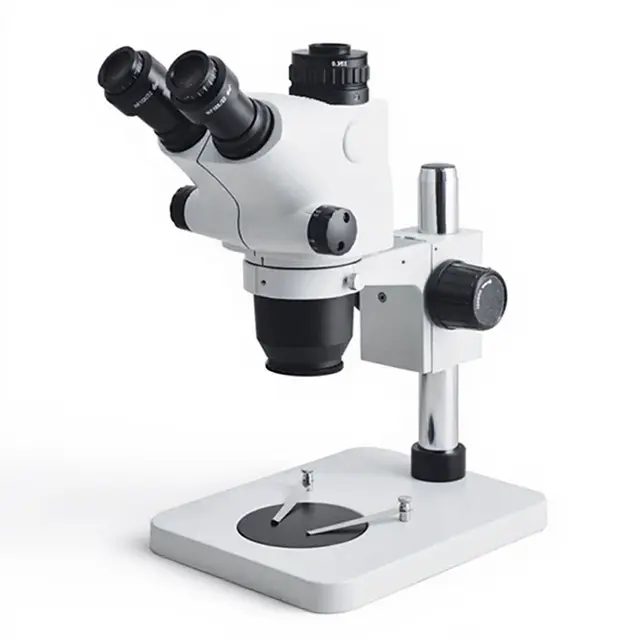
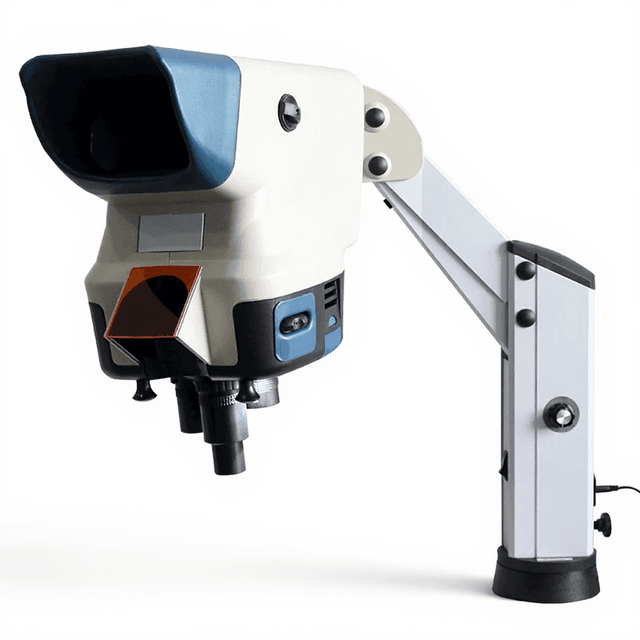
The Series 6.5X~65X Continuous Zoom Stereo Microscope provides 10X magnification range with continuous zoom capability for detailed specimen examination. The system features a 110mm working distance and accommodates WF10X22 eyepieces with 0.65 zoom rate positioning. Multiple stand configurations are available including pole stands (PS, PLH, PF2L, PRT, PL, PI, PF), boom stand (SU2), and RU3 configurations to suit different workspace requirements and specimen types.
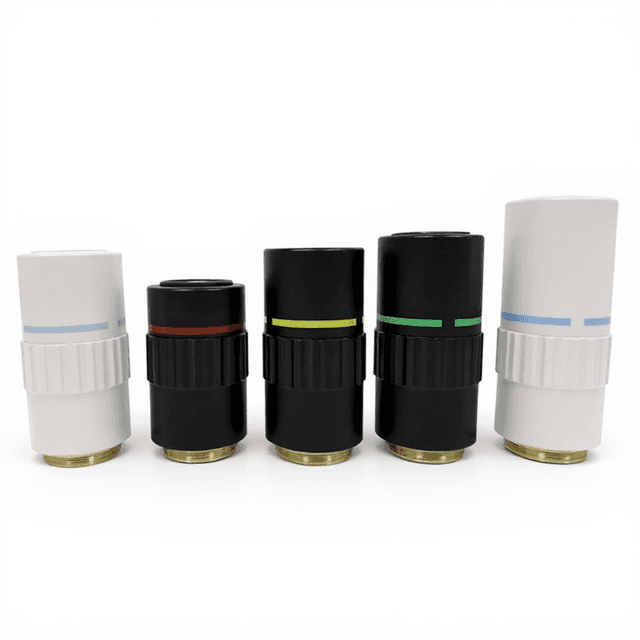
The microscope supports auxiliary objectives including 0.3X and 0.5X options for extended magnification ranges. Each stand configuration provides specific advantages: pole stands offer stability for routine examination, boom stands enable flexible positioning for larger specimens, and specialized configurations accommodate unique mounting requirements. The continuous zoom mechanism allows seamless magnification adjustment without objective changing, maintaining focus throughout the zoom range.
How It Works
Stereo microscopy utilizes two separate optical paths to create a three-dimensional image with depth perception. Each eyepiece receives light from a slightly different angle, similar to human binocular vision. The continuous zoom mechanism employs a variable focal length lens system that maintains parfocal alignment throughout the magnification range, allowing smooth transitions without refocusing.
The 110mm working distance provides ample space for specimen manipulation while maintaining optical clarity. Light illumination typically comes from above (reflected light) or below (transmitted light) depending on specimen transparency. The zoom rate positioning system allows precise magnification control with consistent optical performance across the entire range.
Different stand configurations accommodate various specimen sizes and working angles. Pole stands provide rigid vertical positioning, while boom stands offer articulated arms for positioning over large specimens or constrained workspaces. The auxiliary objective system multiplies the base magnification range, extending analytical capabilities for both low and high magnification applications.
Features & Benefits
Automation Level
- manual
Product Type
- Microscope
Microscope Type
- Stereo / Dissecting
Application
- Assembly & Rework
- Sample Preparation
Skill Level
- Entry Level
Brand
- ConductScience
Research Domain
- Cell Biology
- Developmental Biology
- Environmental Monitoring
- Histopathology
- Materials Science
- Microbiology
Shipping weight
- 1.9 lb
Shipping box
- L: 4.9 cm
- W: 6.6 cm
- H: 6.6 cm
| Feature | This Product | Typical Alternative | Advantage |
|---|---|---|---|
| Zoom Range | 6.5X-65X continuous zoom (10X range) | Entry-level models often provide 7X-45X or similar 6-7X ranges | Extended 10X zoom range allows examination of both macro and micro features without objective changing |
| Working Distance | 110mm working distance | Standard models typically offer 75-100mm working distances | Greater working distance accommodates larger specimens and provides more space for tool manipulation |
| Stand Configurations | Eight different stand options including boom and specialized mounts | Most systems offer 2-3 standard pole stand variations | Multiple configurations adapt to diverse workspace requirements and specimen sizes |
| Auxiliary Objectives | 0.3X and 0.5X auxiliary objective options | Many models lack auxiliary objective capability | Extends magnification range for specialized low-power applications and wider field coverage |
| Eyepiece System | WF10X22 with 0.65 zoom rate positioning | Standard WF10X eyepieces with fixed positioning | Wide field eyepieces with precise zoom positioning provide better field coverage and magnification control |
This stereo microscope offers an extended 10X zoom range with superior working distance and exceptional stand configuration flexibility. The auxiliary objective capability and precision eyepiece system provide versatility for diverse research applications requiring both macro and detailed specimen examination.
Practical Tips
Calibrate magnification at multiple zoom positions using a stage micrometer, as slight variations may occur across the zoom range.
Why: Ensures measurement accuracy when documenting specimens at different magnifications.
Clean eyepieces and objective lenses weekly with lens paper and appropriate solvents, avoiding harsh chemicals on optical coatings.
Why: Maintains image clarity and prevents contamination buildup that degrades optical performance.
Start examination at lowest magnification to locate specimen features, then zoom progressively to higher magnifications for detail work.
Why: Prevents losing specimen orientation and makes efficient use of the continuous zoom capability.
Adjust interpupillary distance and diopter settings before beginning extended observation sessions.
Why: Reduces eye strain and ensures comfortable binocular viewing for detailed specimen examination.
If zoom mechanism becomes stiff, check for debris in the zoom mechanism housing and lubricate according to maintenance schedule.
Why: Maintains smooth zoom operation and prevents damage to the precision zoom mechanism.
Document zoom settings and auxiliary objective configurations when capturing images for reproducible documentation.
Why: Enables consistent image scaling and proper measurement calibration in published work.
Ensure adequate ventilation when using chemical fixatives or solvents near the microscope optical components.
Why: Prevents chemical damage to optical coatings and maintains a safe working environment.
Setup Guide
What’s in the Box
- Microscope head with zoom mechanism
- Selected stand base (as specified in configuration)
- WF10X22 eyepieces (pair) (typical)
- Auxiliary objectives (if included in configuration)
- Illumination system components (typical)
- Allen keys and adjustment tools (typical)
- User manual and optical specifications
- Dust covers for optical components (typical)
Warranty
ConductScience provides a comprehensive 1-year manufacturer warranty covering optical and mechanical components, with technical support for setup, calibration, and operational guidance.
Compliance
References
Background reading relevant to this product:
What is the actual magnification range when using auxiliary objectives?
With the 0.3X auxiliary objective, the range extends to approximately 1.95X-19.5X for larger field coverage. The 0.5X objective provides approximately 3.25X-32.5X magnification. Consult product datasheet for exact specifications with each auxiliary objective.
How does the working distance affect specimen accessibility?
The 110mm working distance allows comfortable tool manipulation, probe insertion, and specimen rotation while maintaining focus. This distance accommodates most dissecting instruments and micromanipulators without optical interference.
Which stand configuration is best for large specimen examination?
The SU2 boom stand provides maximum flexibility for large specimens, offering articulated positioning over extended work areas. Pole stands (PS, PL, PF series) are optimal for routine benchtop work with standard-sized specimens.
Is the zoom parfocal throughout the entire range?
Yes, the continuous zoom mechanism maintains parfocal alignment from 6.5X to 65X, requiring minimal focus adjustment during zoom operations. This feature enables efficient specimen examination at multiple magnifications.
What illumination systems are compatible?
The microscope accommodates standard stereo microscopy illumination including LED ring lights, fiber optic systems, and transmitted light bases. Consult technical specifications for recommended illumination configurations for each stand type.
How do I calibrate magnification for measurements?
Use a stage micrometer at each zoom setting to calibrate measurement software or eyepiece reticles. Document calibration factors for different zoom positions and auxiliary objective combinations for accurate measurements.
Can the microscope be used for both reflected and transmitted light?
Yes, depending on stand configuration and specimen requirements. Pole stands can accommodate transmitted light bases, while boom stands are typically used with reflected illumination for opaque specimens.
Have a question about this product?
Have a question? Just ask.
Send it over and we'll email you a personalized answer — no call, no scheduling.
Prefer to talk it through?
Accessories
Enhance your setup with compatible accessories
Frequently Bought Together
Upgrade Options
Related Products