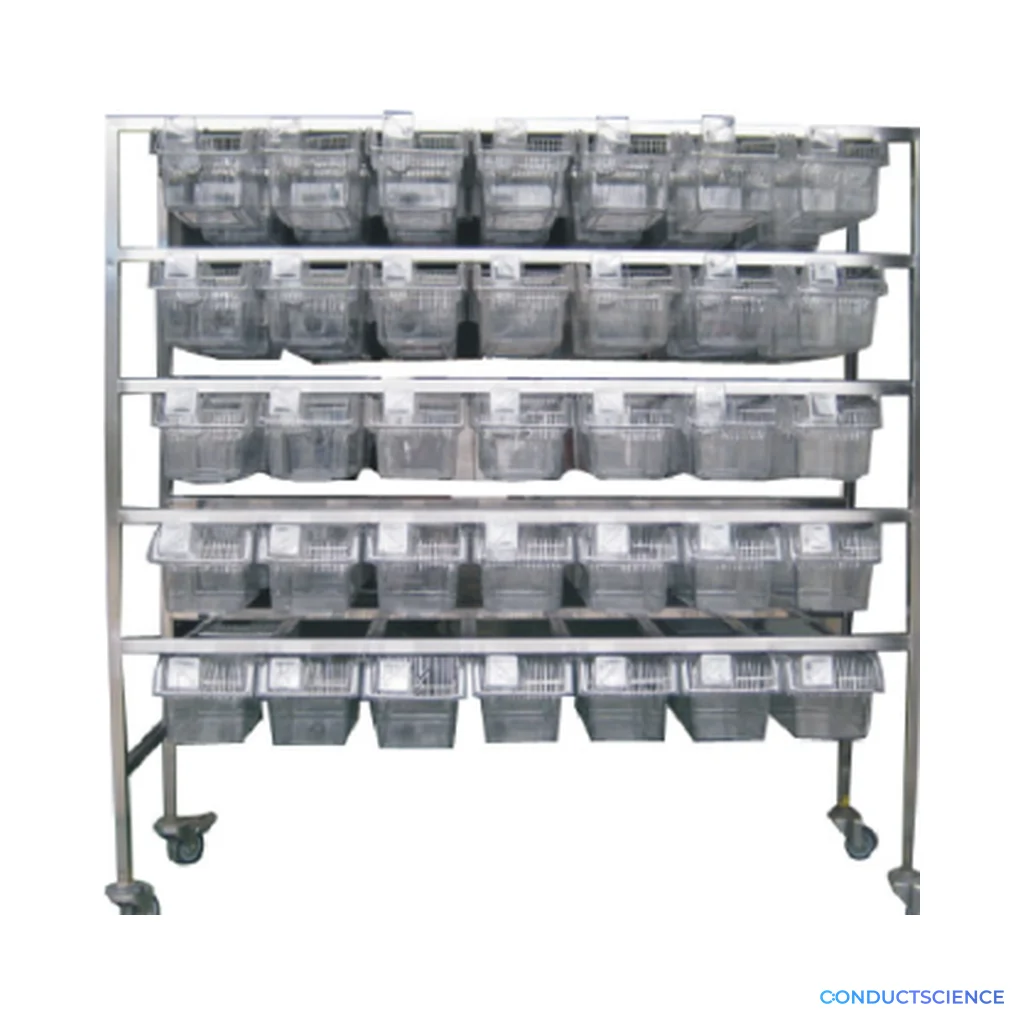
Stainless Steel Mouse Cage Rack
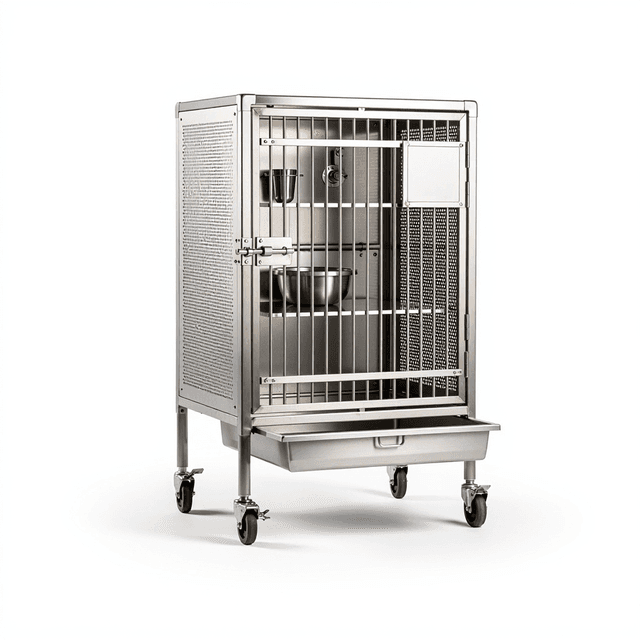
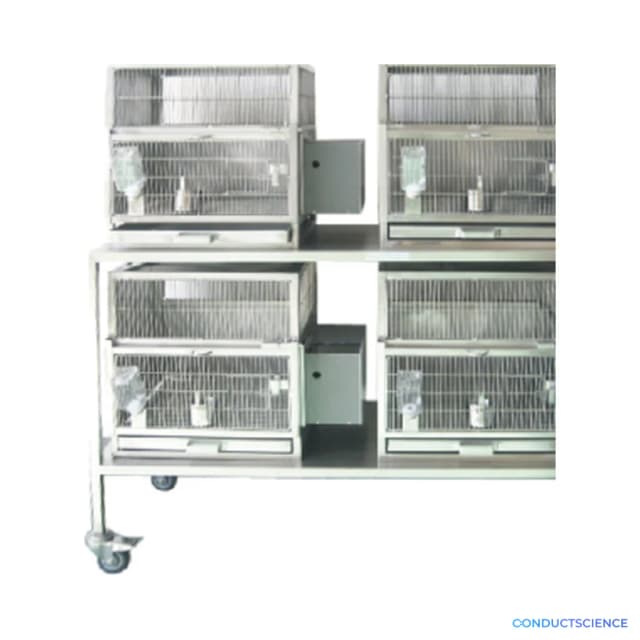
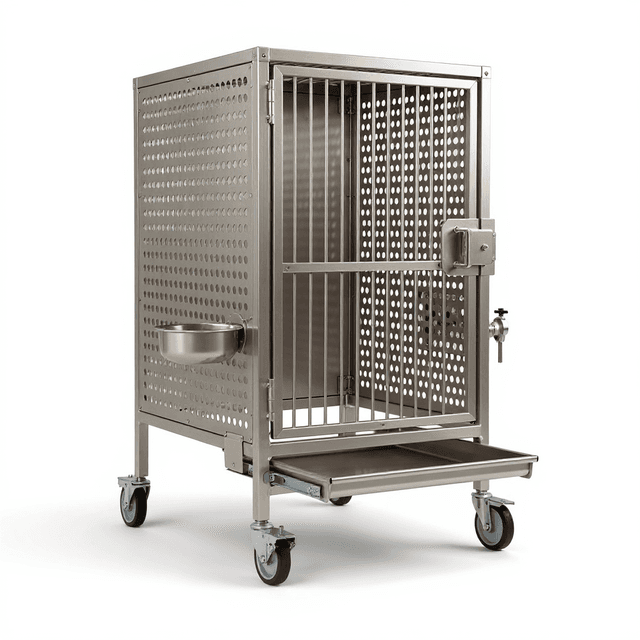
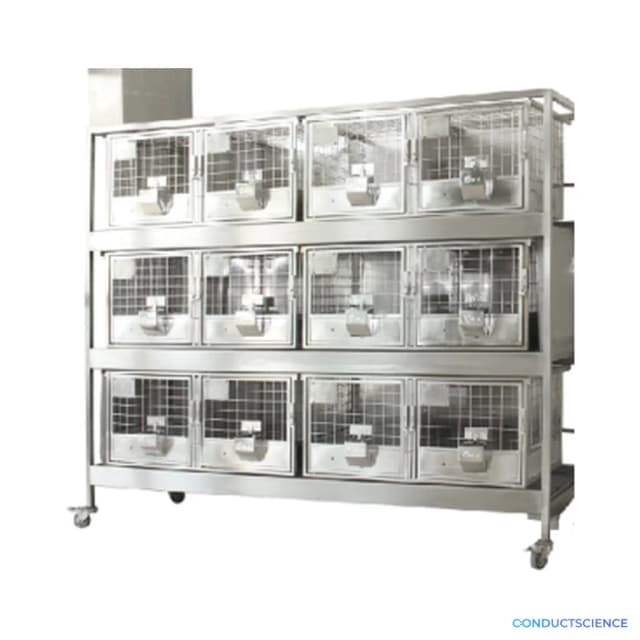
Stainless steel mouse cage rack with a documented 1500 × 450 × 1500 mm footprint and 290 × 178 × 160 mm cage geometry.
It gives colony managers a concrete basis for evaluating room density, staff reach, cage handling, observation, watering, waste flow, and sanitation before the exact cage count and service components are confirmed.

Louise Corscadden, PhD
Director of Science · ConductScience
Ask Louise about Stainless Steel Mouse Cage Rack fit, setup, configuration, or quote prep.
Already working with us? Sign in to connect this with My Scientist.
Key Specifications
Full details →- Rack dimensions
- 1500 × 450 × 1500 mm
- Cage dimensions
- 290 × 178 × 160 mm
- Species
- Mouse
- Construction
- Stainless steel rack
- Configuration review
- Cage count, watering, feeding, retention, and waste components confirmed in quote
Build mouse housing around repeatable colony care
A mouse rack affects more than the number of cages that fit in a room. It shapes how staff observe animals, reach each position, exchange cages, check water, deliver feed, move waste, and document exceptions. This stainless steel configuration gives researchers and facility teams a defined starting point for planning a consistent mouse colony-care workflow.
The rack measures 1500 × 450 × 1500 mm, and the documented cage geometry is 290 × 178 × 160 mm. These values help teams evaluate floor area, aisle clearance, staff reach, cage-removal space, doorway access, and the route to the final housing room. They also provide a starting point for checking animal fit, stocking, study duration, and observation needs. The exact cage count is confirmed during quote review because the dimensions alone do not establish the delivered layout.
Consistency in mouse studies depends partly on the stability of the husbandry environment. Define how water is supplied and checked, how feed is replenished, how bedding or waste is managed, and how frequently cages move through the sanitation process. If the rack will support multiple study cohorts, plan identification and cage-position records so animals can be tracked without disrupting care rounds.
Room design should include the working envelope around the rack. Staff need enough space to remove and support cages safely, stage clean equipment, and move used equipment toward the wash area without crossing the facility's approved clean flow. Cage-retention features, watering interfaces, feeders, waste components, and mobility details are configuration choices that should be stated in the quote.
Provide ConductScience with the intended mouse population, cage-change method, water plan, sanitation workflow, room drawing, delivery path, and any study-specific access requirement. The quote can then define the rack, cage count, supplied interfaces, accessories, and placement responsibilities. This connects the hardware to animal welfare, staff practice, and the repeatability expected from the scientific program.
Features & Benefits
Rack dimensions
- 1500 × 450 × 1500 mm
Cage dimensions
- 290 × 178 × 160 mm
Species
- Mouse
Construction
- Stainless steel rack
Configuration review
- Cage count, watering, feeding, retention, and waste components confirmed in quote
Setup Guide
What’s in the Box
- Selected stainless steel mouse rack; cage count and service components confirmed in the quote
How many cages are included?
The exact cage count and rack layout are confirmed in the quote because the documented dimensions do not establish that detail.
What should be planned for cage changes?
Review staff reach, cage-removal clearance, staging, carts, identification, wash routes, and clean-to-used flow.
Which interfaces should be specified?
Specify watering, feeding, retention, waste, mobility, and any study-specific access needs.
Have a question about this product?
Have a question? Just ask.
Send it over and we'll email you a personalized answer — no call, no scheduling.
Prefer to talk it through?