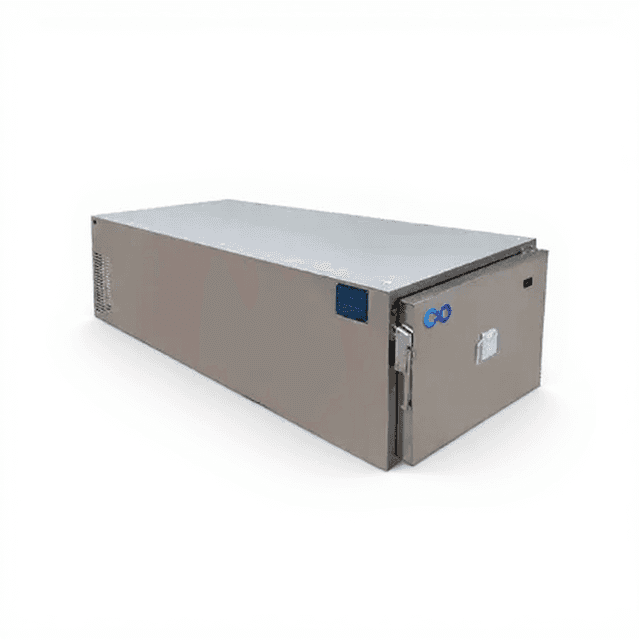
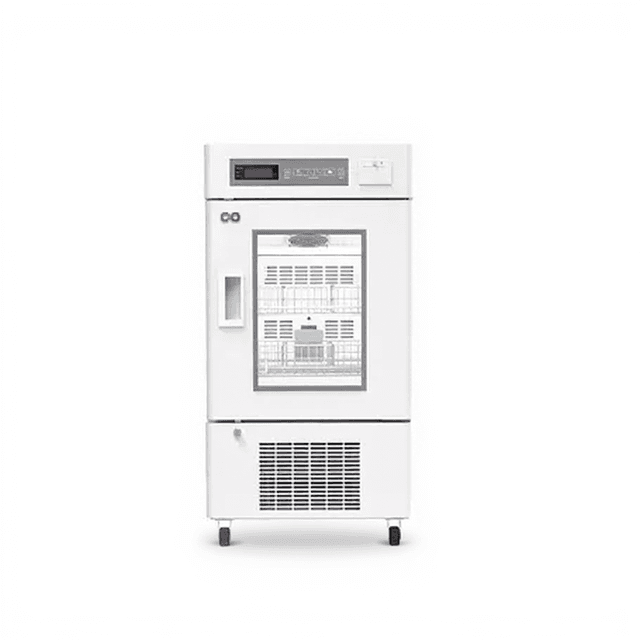
Ultra-Low Temperature Freezer -86°C, 408-838L, Standard Model
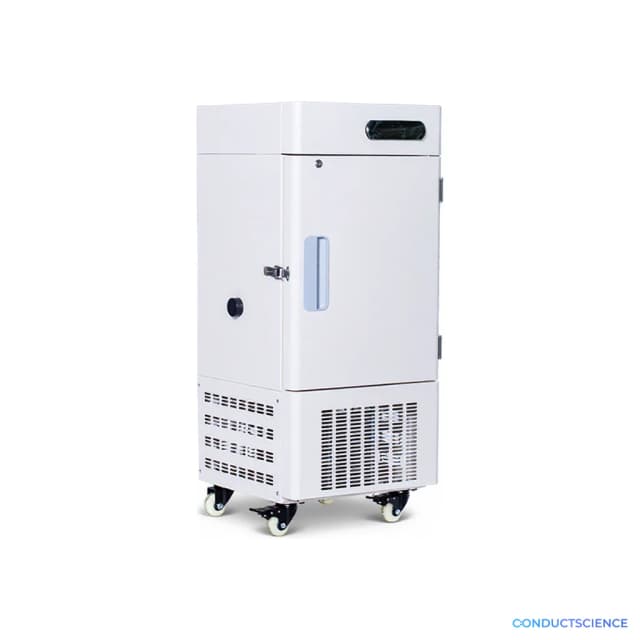
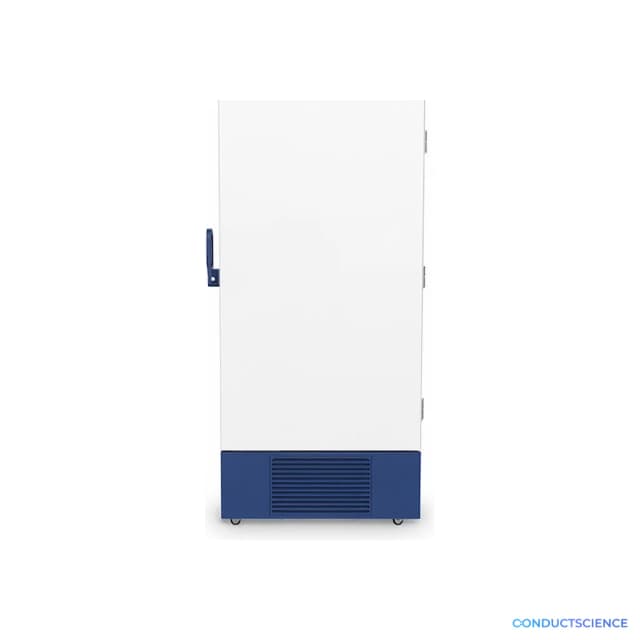
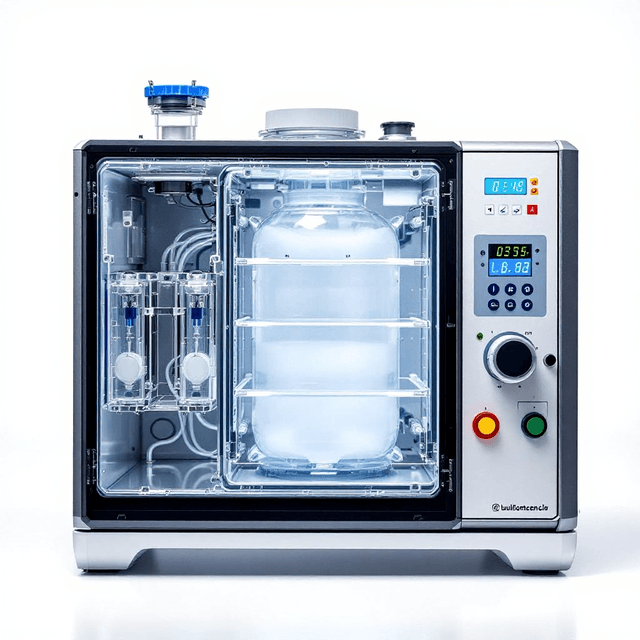
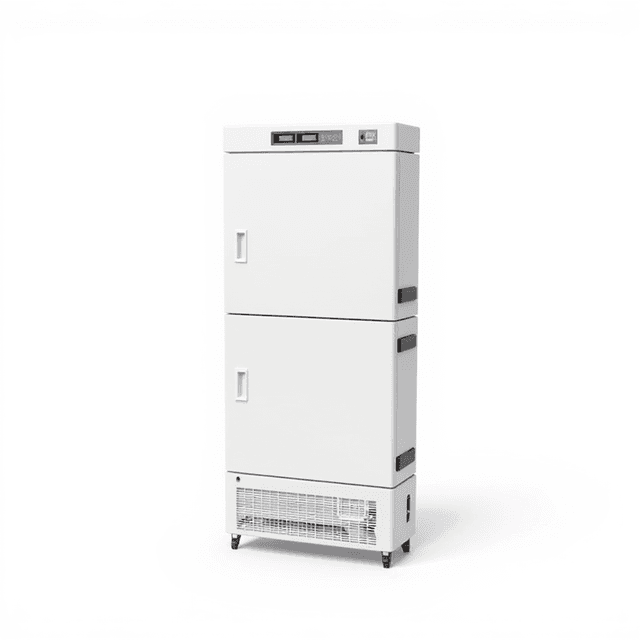
Ultra-low temperature freezer operating at -86°C for long-term storage of biological specimens, reagents, and temperature-sensitive materials in research laboratories.

Louise Corscadden, PhD
Director of Science · ConductScience
Ask Louise about Ultra-Low Temperature Freezer -86°C, 408-838L, Standard Model fit, setup, configuration, or quote prep.
Already working with us? Sign in to connect this with My Scientist.
Key Specifications
Full details →- Model fit
- Configured during quote
- SKU family
- BIO-0100
- Shipping box
- 115.0 x 60.0 x 61.2 cm
- Ordering
- Online checkout and quote request available
- Category
- Lab Equipment
- Build notes
- Confirm accessories, station layout, and support needs before purchase
The 86℃ Freezer is a specialized ultra-low temperature storage system designed for preservation of temperature-sensitive biological materials, reagents, and specimens in research and clinical laboratories. Operating at -86°C, this freezer provides stable cryogenic storage conditions essential for maintaining sample integrity over extended periods. The unit features a compact footprint measuring 115.0 cm length × 60.0 cm width × 61.2 cm height, making it suitable for laboratories with space constraints while providing reliable ultra-low temperature preservation.
This freezer supports critical sample storage workflows where standard freezing temperatures are insufficient to prevent degradation. The -86°C operating temperature effectively halts enzymatic activity and cellular processes, enabling long-term storage of proteins, nucleic acids, cell lines, tissue specimens, and other biomaterials without compromising their molecular structure or biological activity.
How It Works
The 86℃ Freezer operates using a cascade refrigeration system that achieves and maintains ultra-low temperatures through multiple cooling stages. The system typically employs a two-stage compressor configuration where an initial cooling stage reduces the temperature to approximately -40°C, followed by a second stage that further reduces the temperature to the target -86°C operating point. This cascade approach allows for efficient heat removal and stable temperature control at ultra-low temperatures.
Temperature stability is maintained through precise thermostat control and insulation systems designed to minimize heat transfer from the ambient environment. The freezer's thermal mass and insulation properties work together to buffer against temperature fluctuations, ensuring consistent storage conditions even during brief door openings or power interruptions. Internal air circulation systems distribute cold air uniformly throughout the storage compartment to eliminate temperature gradients that could compromise sample integrity.
Features & Benefits
Research Domain
- Cancer Research
- Cell Biology
- Clinical Diagnostics
- Immunology
- Microbiology
- Pharmaceutical QC
Shipping weight
- 315.0 lb
Shipping box
- L: 115.0 cm
- W: 60.0 cm
- H: 61.2 cm
| Feature | This Product | Typical Alternative | Advantage |
|---|---|---|---|
| Operating Temperature | -86°C ultra-low temperature capability | Entry-level models may operate at -80°C with less temperature stability | Lower operating temperature provides enhanced sample preservation and reduced risk of degradation for critical biological materials. |
| Physical Footprint | Compact 115 × 60 × 61.2 cm dimensions | Larger units often require more laboratory floor space | Space-efficient design enables ultra-low temperature storage in laboratories with limited floor space. |
| Construction Weight | 315 kg substantial construction | Lighter units may have less thermal mass | Heavier construction provides better temperature stability and reduced fluctuations during operation. |
| Laboratory Integration | Research-grade design for continuous operation | Some models designed for intermittent use | Designed for demanding laboratory environments requiring reliable continuous operation for critical sample storage. |
This -86°C freezer combines ultra-low temperature capability with compact laboratory footprint, providing reliable cryogenic storage for space-constrained research environments. The substantial construction weight supports temperature stability essential for long-term sample preservation.
Practical Tips
Verify temperature accuracy using calibrated reference thermometer placed in the geometric center of the storage compartment.
Why: Ensures actual storage temperature matches display readings for reliable sample preservation.
Clean condenser coils monthly and inspect door gaskets for proper sealing to maintain cooling efficiency.
Why: Proper maintenance prevents temperature fluctuations and reduces energy consumption while extending equipment life.
Pre-cool sample containers and storage racks before loading to minimize temperature impact on existing samples.
Why: Reduces thermal load on the system and prevents temperature excursions that could compromise sample integrity.
Use appropriate personal protective equipment when handling samples at ultra-low temperatures to prevent frostbite injury.
Why: Direct contact with -86°C surfaces or samples can cause immediate tissue damage and injury.
Implement independent temperature monitoring with data logging to document storage conditions for regulatory compliance.
Why: Provides documentation trail required for GLP studies and validates sample storage integrity over time.
Monitor door opening frequency and duration, as excessive access can cause temperature instability and increased energy consumption.
Why: Frequent door openings compromise temperature stability and may affect sample quality, particularly for temperature-sensitive materials.
Setup Guide
What’s in the Box
- 86℃ Ultra-low Temperature Freezer (main unit)
- Power cable (typical)
- User manual and operating instructions (typical)
- Temperature monitoring accessories (typical)
- Sample storage racks (typical)
Warranty
ConductScience provides standard manufacturer warranty coverage for this ultra-low temperature freezer, typically including one year of parts and labor protection with technical support for proper operation and maintenance.
Compliance
References
Background reading relevant to this product:
What is the temperature uniformity throughout the storage compartment?
Temperature uniformity specifications should be verified from the product datasheet, as this critical parameter affects sample storage reliability and may vary by internal location and loading configuration.
How long does temperature recovery take after door opening?
Recovery time depends on door opening duration and ambient conditions. Consult product specifications for recovery time parameters and minimize door opening duration to maintain sample integrity.
What are the power requirements and backup considerations?
Power requirements should be confirmed from product specifications. Consider uninterruptible power supply (UPS) systems or backup power for critical sample protection during power outages.
What is the internal storage capacity and organization options?
Storage capacity and internal organization systems vary by configuration. Review product specifications for internal volume, rack systems, and maximum sample storage capacity.
How should temperature monitoring and alarms be configured?
Independent temperature monitoring with alarm systems is recommended for critical sample storage. Verify available monitoring interfaces and alarm capabilities from product documentation.
What maintenance schedule is required for optimal performance?
Regular maintenance including condenser cleaning, gasket inspection, and temperature calibration verification is essential. Follow manufacturer maintenance schedule for reliable operation.
How does this compare to liquid nitrogen storage systems?
Ultra-low freezers provide stable temperatures without cryogen requirements, offering consistent storage conditions with lower operational complexity than liquid nitrogen systems, though at less extreme temperatures.
Have a question about this product?
Have a question? Just ask.
Send it over and we'll email you a personalized answer — no call, no scheduling.
Prefer to talk it through?