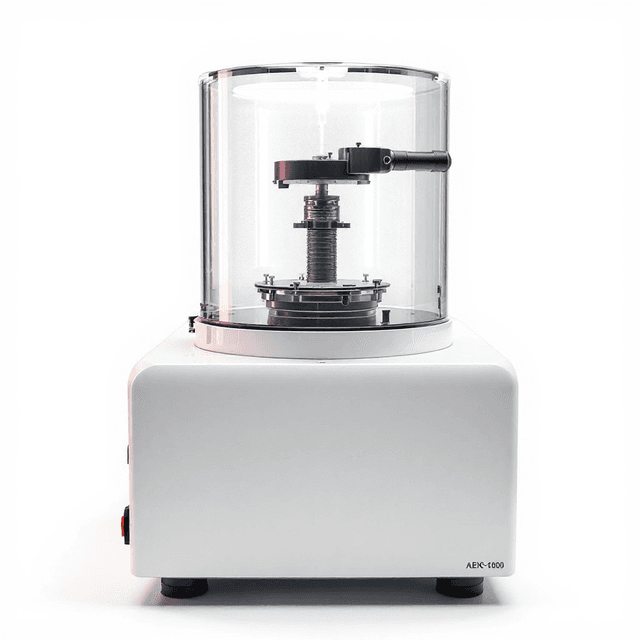
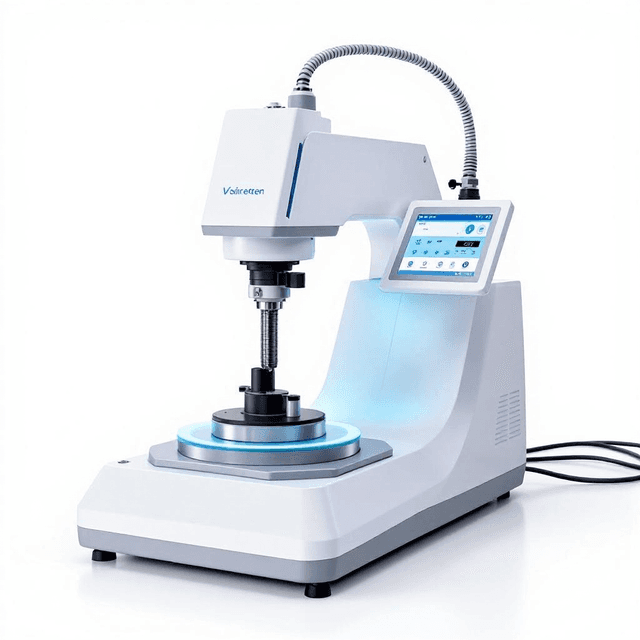
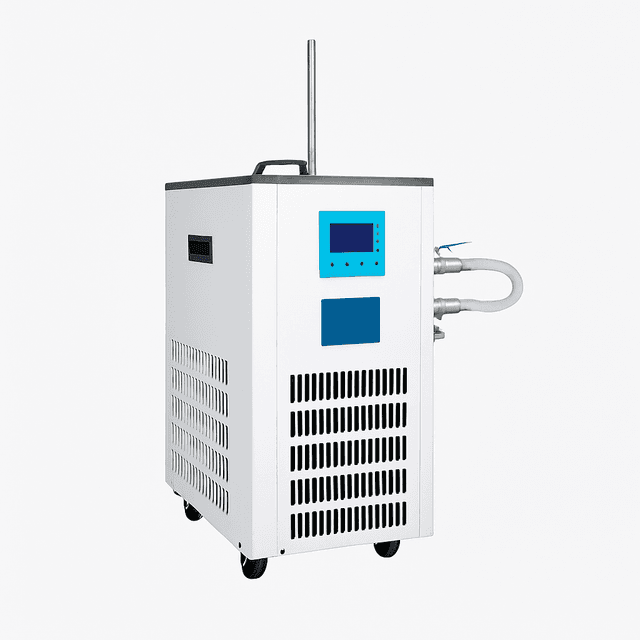
Video Melting Point Apparatus
Precision melting point apparatus with video observation capabilities for accurate thermal analysis and compound characterization in pharmaceutical and chemical research.

Louise Corscadden, PhD
Director of Science · ConductScience
Ask Louise about Video Melting Point Apparatus fit, setup, configuration, or quote prep.
Already working with us? Sign in to connect this with My Scientist.
Key Specifications
Full details →- Model fit
- Configured during quote
- SKU family
- BIO-0429
- Shipping box
- 35.0 x 49.5 x 49.3 cm
- Ordering
- Online checkout and quote request available
- Category
- Analytical Instruments
- Build notes
- Confirm accessories, station layout, and support needs before purchase
The Video Melting Point Apparatus is a precision instrument designed for accurate determination of melting points in pharmaceutical, chemical, and materials research applications. This benchtop system combines traditional melting point methodology with modern video observation capabilities, enabling researchers to visually monitor and document phase transitions with enhanced precision and reproducibility.
The apparatus features a compact design suitable for routine analytical workflows in quality control laboratories, research facilities, and academic institutions. The video observation system allows for detailed documentation of melting behavior, crystal transitions, and thermal decomposition processes, making it particularly valuable for compound identification, purity assessment, and thermal characterization studies.
How It Works
Melting point determination relies on the fundamental principle that pure crystalline substances exhibit sharp, characteristic melting temperatures at atmospheric pressure. The apparatus employs controlled thermal ramping to gradually increase sample temperature while maintaining uniform heat distribution throughout the heating block.
The integrated video observation system captures real-time images of the sample during heating, allowing precise identification of the initial melting point (when the first liquid appears) and complete melting point (when the sample becomes fully liquid). This visual documentation enables accurate detection of thermal events that might be difficult to observe with traditional visual observation alone.
Temperature measurement is achieved through calibrated sensors positioned within the heating block, ensuring accurate correlation between observed phase changes and recorded temperatures. The controlled heating rate and stable thermal environment minimize measurement variability and enhance reproducibility across multiple determinations.
Features & Benefits
Automation Level
- semi-automated
Research Domain
- Analytical Chemistry
- Clinical Diagnostics
- Food Science
- Materials Science
- Pharmaceutical QC
Shipping weight
- 5.0 lb
Shipping box
- L: 35.0 cm
- W: 49.5 cm
- H: 49.3 cm
| Feature | This Product | Typical Alternative | Advantage |
|---|---|---|---|
| Video Documentation | Integrated video observation system for real-time melting point visualization | Basic visual observation relies on direct optical viewing without recording capability | Enables detailed documentation and review of thermal transitions for improved result verification and training purposes |
| Temperature Control | Controlled heating rate with digital temperature display | Manual temperature control with analog displays in entry-level models | Provides reproducible thermal conditions essential for consistent analytical results across multiple determinations |
| Benchtop Design | Compact 35.0 × 49.5 × 49.3 cm footprint with 5.0 kg weight | Larger systems often require more extensive bench space | Maximizes laboratory workspace efficiency while maintaining full analytical capability for routine testing workflows |
| Sample Capacity | Multiple sample positions in heating block configuration | Single-sample instruments limit analytical throughput | Enables comparative analysis and increased sample throughput for quality control laboratories with high testing volumes |
This video melting point apparatus combines traditional thermal analysis with modern documentation capabilities in a compact benchtop format. The integrated video system and controlled heating provide enhanced analytical precision compared to basic visual observation methods.
Practical Tips
Use certified reference standards spanning your expected temperature range and perform calibration at multiple points for optimal accuracy.
Why: Multi-point calibration compensates for temperature sensor drift and ensures accuracy across the full analytical range.
Clean the heating block regularly and inspect capillary tube positioning for consistent thermal contact.
Why: Proper heating block maintenance prevents temperature variations that can affect measurement reproducibility.
Allow samples to equilibrate at room temperature before analysis and use consistent heating rates for comparable results.
Why: Temperature equilibration and standardized heating conditions minimize analytical variability between measurements.
Record initial and complete melting points for each sample and document any unusual thermal behavior observed during analysis.
Why: Comprehensive documentation enables proper interpretation of results and identification of sample purity issues.
If melting points appear consistently high or low, verify calibration with fresh reference standards and check for thermal lag effects.
Why: Systematic temperature errors often indicate calibration drift or thermal equilibration issues requiring correction.
Ensure proper ventilation when analyzing samples that may decompose or release vapors during heating.
Why: Some compounds may produce hazardous vapors during thermal analysis, requiring adequate laboratory ventilation for safe operation.
Setup Guide
What’s in the Box
- Video melting point apparatus main unit (typical)
- Sample capillary tubes (typical)
- Temperature calibration standards (typical)
- Power cord (typical)
- User manual and calibration certificate (typical)
- Video documentation software (typical)
Warranty
ConductScience provides a standard one-year manufacturer warranty covering defects in materials and workmanship, with comprehensive technical support for calibration and operational guidance.
Compliance
What temperature range and accuracy can this apparatus achieve?
Consult the product datasheet for specific temperature range and measurement accuracy specifications, as these critical performance parameters vary by model and calibration configuration.
How many samples can be analyzed simultaneously?
The heating block configuration determines sample capacity. Consult product specifications for exact sample positions and capillary tube compatibility.
What video documentation formats are supported?
Video observation capabilities vary by system configuration. Check product datasheet for supported recording formats, resolution specifications, and data export options.
How frequently does the system require calibration?
Calibration frequency depends on usage intensity and accuracy requirements. Most laboratories perform monthly calibration checks using certified reference standards with known melting points.
Can the heating rate be programmed for different analysis types?
Heating rate programmability varies by model. Typical systems offer adjustable rates from 1-10°C per minute to accommodate different sample types and analysis requirements.
What sample preparation is required for optimal results?
Samples should be finely powdered and uniformly packed in capillary tubes to approximately 2-3 mm height. Consistent sample preparation is critical for reproducible melting point determination.
Have a question about this product?
Have a question? Just ask.
Send it over and we'll email you a personalized answer — no call, no scheduling.
Prefer to talk it through?