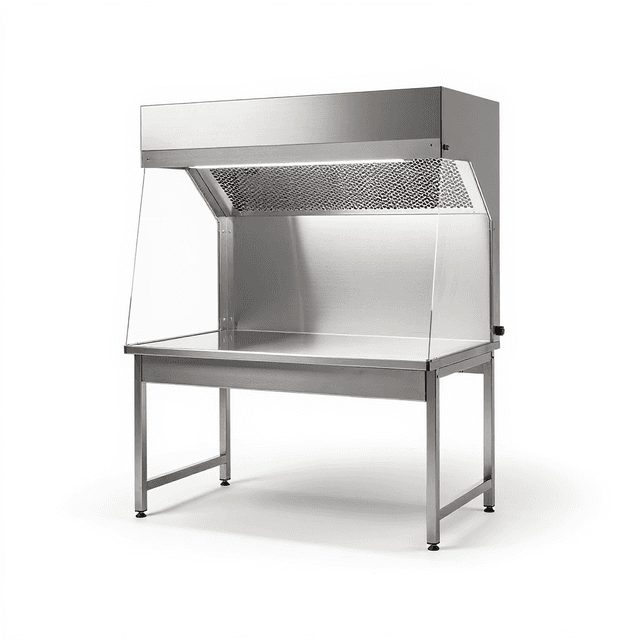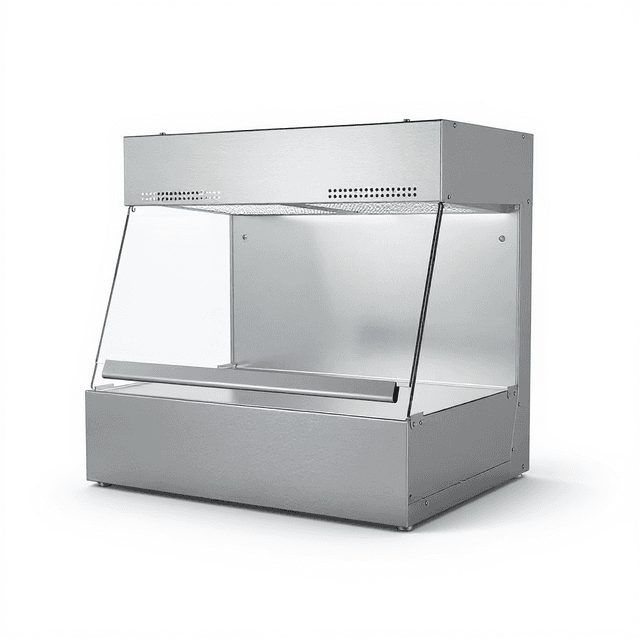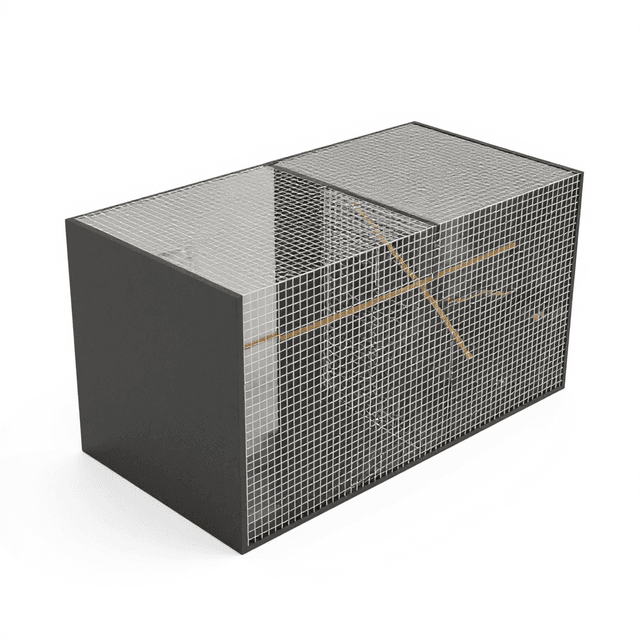
Zebrafinch Testing Cage
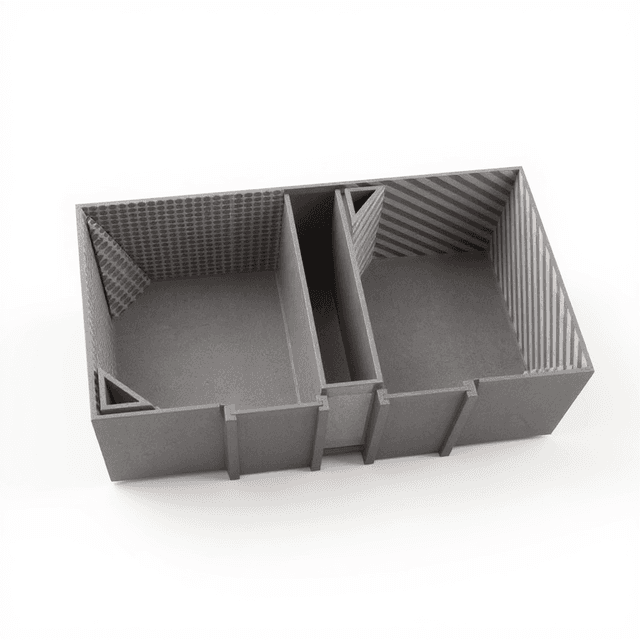
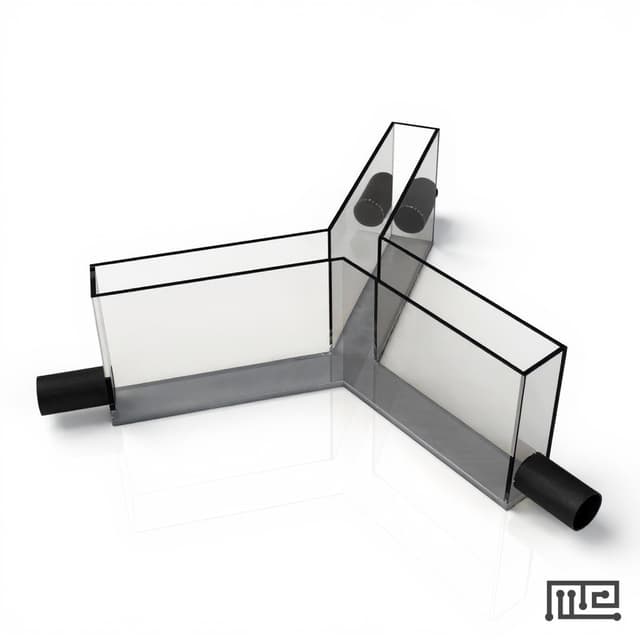
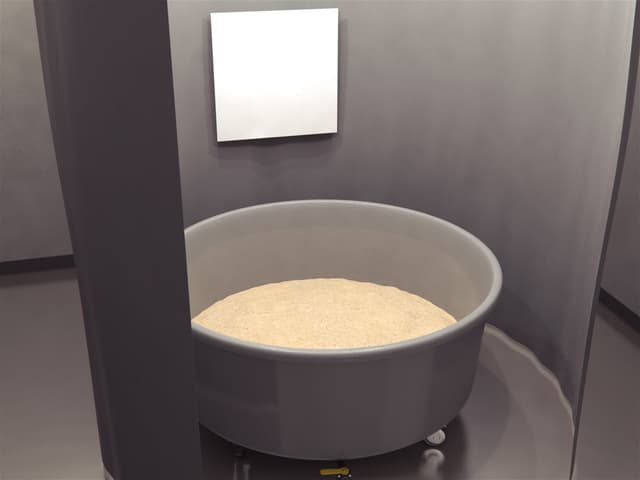
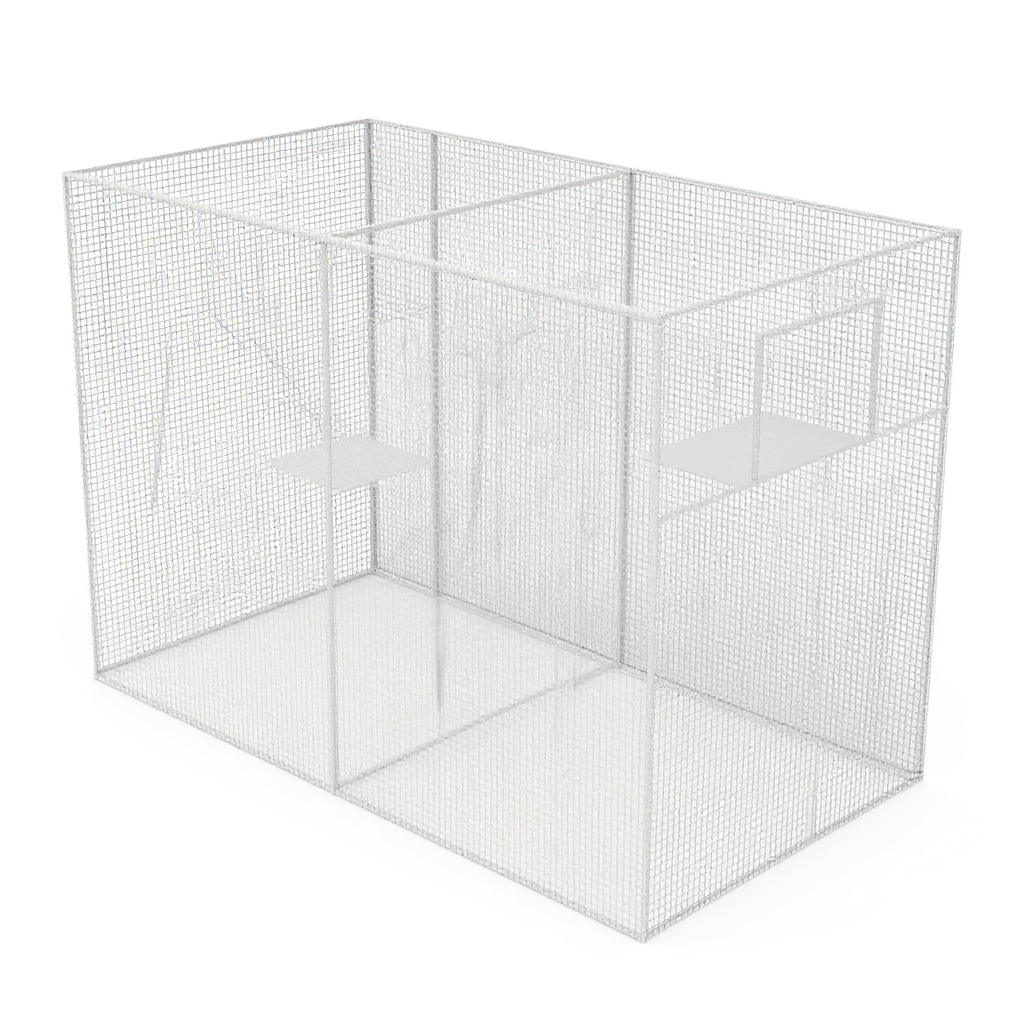
Specialized testing cage system designed for behavioral assessment and motor activity studies in zebra finches and other small songbirds.

Louise Corscadden, PhD
Director of Science · ConductScience
Ask Louise about Zebrafinch Testing Cage fit, setup, configuration, or quote prep.
Already working with us? Sign in to connect this with My Scientist.
Key Specifications
Full details →- Model fit
- Bird
- SKU family
- CS-958153
- Shipping box
- 65.0 x 36.0 x 27.0 cm
- Ordering
- Online checkout and quote request available
- Category
- Behavioral Mazes
- Build notes
- Confirm accessories, station layout, and support needs before purchase
The Zebrafinch Testing Cage provides a controlled environment for behavioral assessment and motor activity studies in zebra finches and other small songbirds. This specialized housing system enables researchers to conduct standardized behavioral observations while maintaining appropriate environmental conditions for avian subjects.
The cage system supports various behavioral paradigms including motor function assessment, activity monitoring, and environmental preference testing. The design accommodates the specific spatial and perching requirements of zebra finches while allowing for systematic data collection during experimental protocols.
How It Works
The testing cage system operates as a controlled behavioral observation environment that allows researchers to systematically monitor and record zebra finch behavior under standardized conditions. The cage design incorporates appropriate spatial dimensions and perching arrangements that accommodate natural zebra finch locomotor patterns while enabling clear visual observation.
Behavioral assessment protocols utilize the cage's standardized environment to establish baseline activity levels and document changes in motor function, exploratory behavior, and environmental interaction patterns. The controlled setting minimizes external variables while maintaining conditions suitable for normal zebra finch physiological and behavioral responses.
Data collection involves direct observation protocols, video recording systems, or automated monitoring equipment that can be positioned relative to the cage system. The standardized environment ensures reproducible experimental conditions across multiple subjects and testing sessions.
Features & Benefits
Behavioral Construct
- Motor Function
- Activity Monitoring
- Environmental Preference
- Spatial Behavior
Automation Level
- manual
Research Domain
- Aging Research
- Behavioral Pharmacology
- Developmental Biology
- Learning and Memory
- Neuroscience
- Social Behavior
Species
- Bird
Compatible Tracking Software
- ConductVision
Shipping weight
- 6.06 lb
Shipping box
- L: 65.0 cm
- W: 36.0 cm
- H: 27.0 cm
| Feature | This Product | Typical Alternative | Advantage |
|---|---|---|---|
| Species-Specific Design | Optimized dimensions and perching for zebra finches | Generic small bird cages often use standard dimensions | Ensures natural behavioral expression and accurate motor function assessment in songbird subjects |
| Observation Access | Clear visual access for behavioral monitoring | Standard cages may have limited observation angles | Facilitates comprehensive behavioral data collection and video analysis |
| Experimental Integration | Designed for research protocol compatibility | Housing cages focus primarily on animal welfare | Supports systematic behavioral assessment and data collection workflows |
| Environmental Control | Standardized testing environment | Variable cage designs affect experimental consistency | Enables reproducible experimental conditions across multiple subjects and sessions |
This testing cage system provides specialized features for zebra finch behavioral research, emphasizing standardized observation conditions and species-appropriate design elements. The system supports systematic behavioral assessment protocols while maintaining appropriate environmental conditions for avian subjects.
Practical Tips
Allow adequate acclimation time before beginning behavioral assessments to establish baseline activity patterns.
Why: Reduces stress-related behavioral artifacts that could confound experimental measurements.
Clean and disinfect the cage thoroughly between subjects using veterinary-approved disinfectants.
Why: Prevents odor cues from previous subjects that could influence behavioral responses.
Maintain consistent environmental conditions including temperature, lighting, and external noise levels.
Why: Environmental variables can significantly affect zebra finch behavior and activity patterns.
Ensure all cage components are securely assembled and free of sharp edges or potential hazards.
Why: Protects subject welfare and prevents injury during behavioral testing sessions.
Position recording equipment to avoid creating shadows or reflections within the observation area.
Why: Visual artifacts can alter subject behavior and affect the quality of behavioral data.
If subjects show reduced activity, verify environmental conditions and check for external disturbances.
Why: Behavioral suppression often indicates suboptimal testing conditions rather than experimental effects.
Record multiple baseline sessions to establish individual behavioral profiles before experimental interventions.
Why: Individual variation in zebra finch behavior requires adequate baseline characterization for accurate data interpretation.
Setup Guide
What’s in the Box
- Main cage structure (typical)
- Perching system components (typical)
- Assembly hardware (typical)
- Installation instructions (typical)
- Basic maintenance guide (typical)
Warranty
ConductScience provides standard manufacturer warranty coverage for structural components and hardware. Technical support available for setup and basic troubleshooting assistance.
Compliance
What are the optimal cage dimensions for zebra finch behavioral assessment?
Consult product datasheet for specific dimensions. The cage should provide adequate space for natural movement patterns while maintaining clear observation access.
How should perches be positioned for motor function testing?
Perches should be positioned at varying heights and orientations to assess balance, coordination, and movement capabilities under different spatial challenges.
What environmental conditions are required for reliable behavioral data?
Maintain consistent temperature (20-25°C), appropriate lighting cycles, and minimal external disturbances. Environmental stability is critical for reproducible behavioral measurements.
How long should acclimation periods be before behavioral testing?
Allow 24-48 hours minimum acclimation to the testing environment before collecting baseline behavioral data to ensure normal behavioral patterns.
What recording equipment is compatible with this cage system?
Standard video recording equipment can be positioned around the cage. Ensure cameras do not create shadows or reflections that might influence subject behavior.
How should the cage be cleaned between subjects?
Thoroughly clean and disinfect all surfaces with appropriate veterinary disinfectants, ensuring complete removal of odors and residues from previous subjects.
Can multiple subjects be tested simultaneously?
The cage design accommodates individual testing protocols. For social behavior studies, consult experimental design requirements and subject interaction protocols.
Have a question about this product?
Have a question? Just ask.
Send it over and we'll email you a personalized answer — no call, no scheduling.
Prefer to talk it through?
Accessories
Enhance your setup with compatible accessories