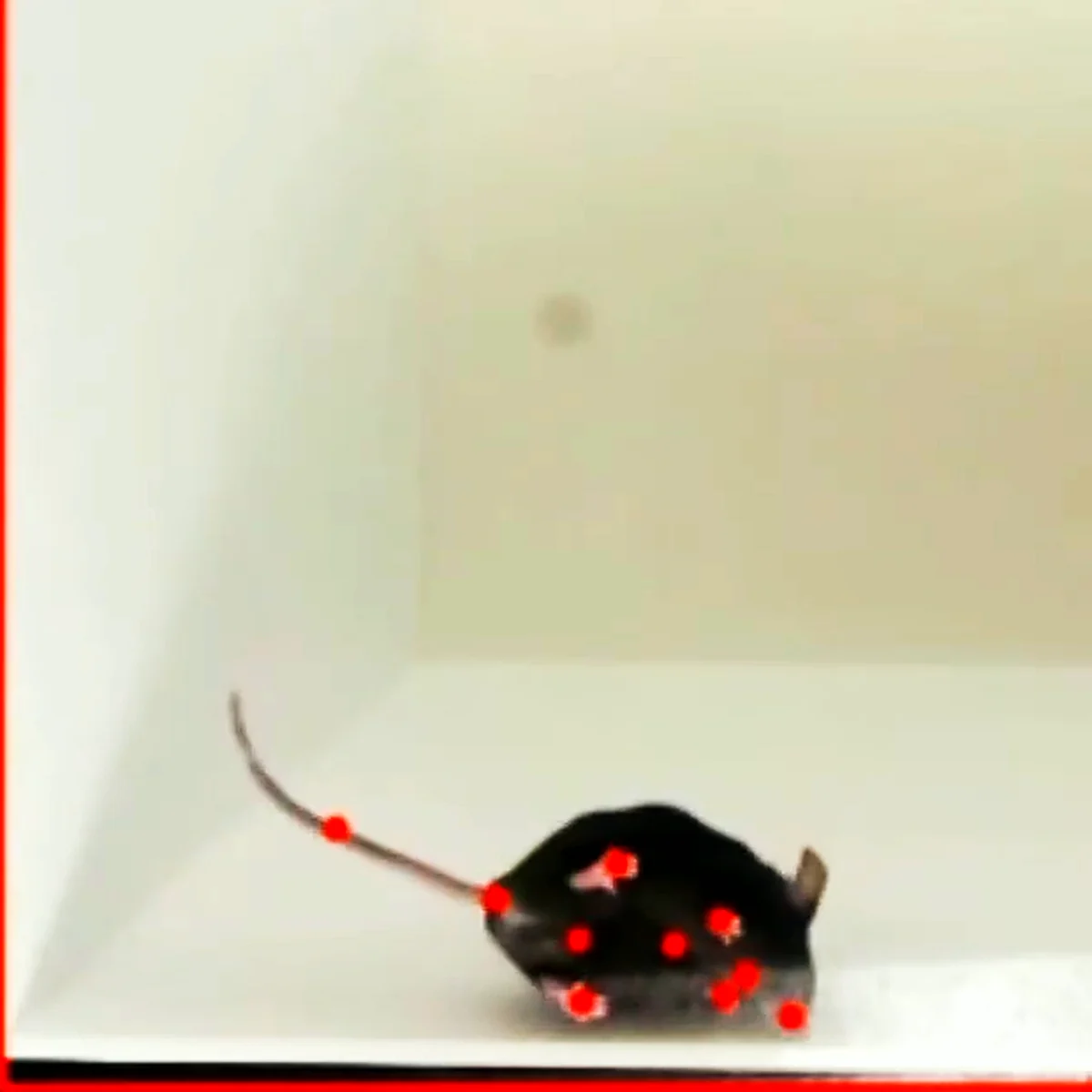

1 / 5
Ziggurat Task
SKU CS-958202
$4,049.99
IncludesStandard care
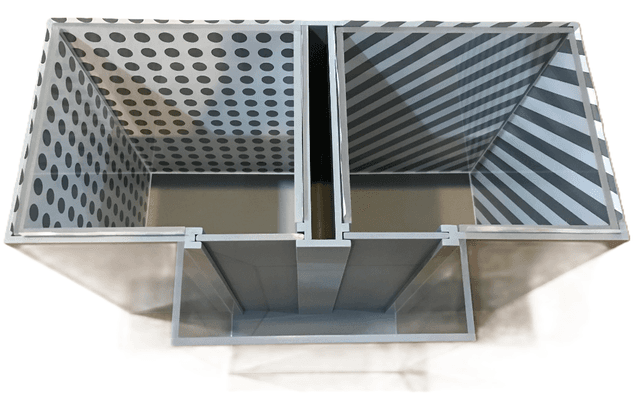
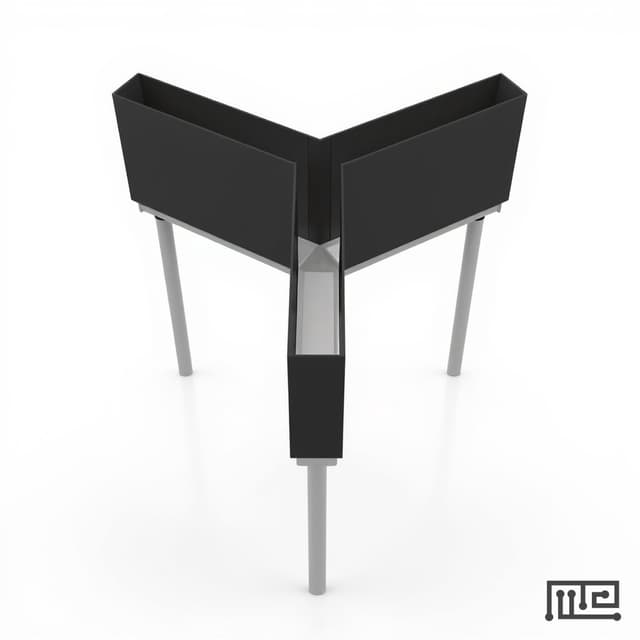
Three-dimensional pyramidal maze system for comprehensive assessment of spatial learning, memory, and motor function in laboratory rodents.
CE MarkedBAA available
Scientist guidance

Louise Corscadden, PhD
Director of Science · ConductScience
Ask Louise about Ziggurat Task fit, setup, configuration, or quote prep.
Already working with us? Sign in to connect this with My Scientist.
Key Specifications
Full details →- Model fit
- Mouse, Rat
- SKU family
- CS-958202
- Shipping box
- 65.0 x 36.0 x 27.0 cm
- Ordering
- Online checkout and quote request available
- Category
- Behavioral Mazes
- Build notes
- Confirm accessories, station layout, and support needs before purchase
The Ziggurat Task is a specialized behavioral testing apparatus designed for comprehensive assessment of spatial learning, memory, and motor function in laboratory rodents. This three-dimensional maze system features a pyramidal structure with multiple levels and pathways, providing researchers with a sophisticated tool for evaluating complex spatial navigation behaviors that cannot be adequately assessed using traditional two-dimensional mazes.
The apparatus enables evaluation of spatial memory consolidation, working memory, reference memory, and motor coordination through customizable testing protocols. The ziggurat design incorporates multiple choice points and elevated platforms that challenge animals to navigate three-dimensional space while integrating visual, proprioceptive, and vestibular cues for successful task completion.
How It Works
The Ziggurat Task operates on the principle of three-dimensional spatial navigation, requiring animals to integrate multiple sensory modalities including visual landmarks, proprioceptive feedback, and vestibular input to successfully navigate the pyramidal structure. Animals must learn and remember spatial relationships between different levels and pathways while executing coordinated motor movements to traverse the apparatus.
The task assesses both allocentric spatial mapping (environment-centered navigation using external cues) and egocentric navigation strategies (body-centered movement sequences). The multi-level design creates distinct choice points where animals must make spatial decisions, enabling measurement of working memory (trial-specific information) and reference memory (consistent spatial rules across sessions).
Performance metrics include path efficiency, error patterns, latency to completion, and movement coordination quality, providing comprehensive assessment of both cognitive and motor function within a single behavioral paradigm.
Features & Benefits
Three-dimensional pyramidal design
Enables assessment of complex spatial navigation behaviors that cannot be evaluated using traditional two-dimensional maze systems
Multiple pathway configurations
Allows customization of task difficulty and assessment of different spatial memory components within the same apparatus
Elevated platform structure
Integrates motor coordination assessment with spatial memory testing for comprehensive behavioral evaluation
Multi-level choice points
Provides distinct decision-making opportunities to assess working memory and spatial strategy flexibility
Standardized maze dimensions
Ensures reproducible testing conditions and enables comparison of results across different research laboratories
Durable construction materials
Withstands repeated use and standard laboratory cleaning protocols for long-term experimental studies
Compatible with video tracking
Enables automated data collection and detailed analysis of movement patterns and spatial navigation strategies
Behavioral Construct
- spatial memory
- working memory
- reference memory
- spatial navigation
- motor coordination
- cognitive flexibility
Automation Level
- manual
Research Domain
- Addiction Research
- Aging Research
- Behavioral Pharmacology
- Learning and Memory
- Motor Function
- Neurodegeneration
- Neuroscience
Species
- Mouse
- Rat
Compatible Tracking Software
- ConductVision
Shipping weight
- 6.06 lb
Shipping box
- L: 65.0 cm
- W: 36.0 cm
- H: 27.0 cm
| Feature | This Product | Typical Alternative | Advantage |
|---|---|---|---|
| Spatial Assessment Dimension | Three-dimensional pyramidal navigation | Two-dimensional maze systems predominate in most laboratories | Provides more comprehensive assessment of naturalistic spatial navigation behaviors that integrate multiple sensory modalities. |
| Motor Integration | Simultaneous motor coordination and spatial memory assessment | Separate testing apparatus typically required for motor and cognitive evaluation | Enables efficient evaluation of both cognitive and motor function within single testing sessions. |
| Task Complexity | Multi-level choice points with variable pathway options | Simpler choice architectures in traditional maze designs | Allows assessment of complex spatial strategies and cognitive flexibility not measurable in simpler maze systems. |
| Testing Environment | Elevated dry-land testing conditions | Water-based maze systems require temperature control and swimming ability | Eliminates confounding effects of swimming stress and temperature variables on behavioral performance. |
The Ziggurat Task offers unique three-dimensional spatial navigation assessment with integrated motor coordination evaluation. This apparatus provides comprehensive behavioral analysis capabilities that extend beyond traditional two-dimensional maze testing paradigms.
Neuroscience
Assessing hippocampal-dependent spatial memory formation and consolidation in rodent models of neurological disorders or following experimental brain lesions.
Behavioral Pharmacology
Evaluating cognitive and motor effects of pharmaceutical compounds on spatial navigation performance and three-dimensional movement coordination.
Learning and Memory
Investigating spatial working memory, reference memory, and the integration of multiple sensory cues during complex navigation tasks.
Motor Function
Analyzing motor coordination, balance, and movement planning in three-dimensional space following experimental interventions or in disease models.
Neurodegeneration
Monitoring progressive spatial memory decline and motor impairment in aging studies or neurodegenerative disease models.
Addiction Research
Assessing cognitive flexibility and spatial memory deficits associated with chronic drug exposure or withdrawal states.
Practical Tips
Calibration
Establish baseline performance criteria using pilot animals before beginning experimental studies to determine appropriate task parameters.
Why: Individual strain and age differences require customized protocols for optimal behavioral assessment.
Maintenance
Inspect structural integrity of all platforms and connections before each testing session to ensure animal safety.
Why: Structural failures can compromise both animal welfare and data validity.
Best Practices
Maintain consistent environmental conditions including lighting, noise levels, and spatial landmarks throughout all testing sessions.
Why: Spatial navigation performance is highly sensitive to environmental context changes.
Data Quality
Use multiple camera angles to capture complete three-dimensional movement patterns for comprehensive spatial analysis.
Why: Single overhead views may miss important behavioral metrics related to vertical movement coordination.
Troubleshooting
If animals show reluctance to explore upper levels, gradually introduce animals to the apparatus through systematic habituation sessions.
Why: Neophobia can interfere with spatial learning assessment and mask true cognitive abilities.
Safety
Ensure all platform edges are appropriately designed to prevent falls while allowing normal exploratory behavior.
Why: Animal safety must be maintained without compromising the naturalistic aspects of three-dimensional navigation.
Setup Guide
Unpack and Inspect
Remove all components from packaging and verify structural integrity of the pyramidal maze system and all platforms.
Assembly Setup
Assemble the ziggurat structure according to manufacturer specifications, ensuring all levels are securely connected and platforms are stable.
Environmental Positioning
Position the apparatus in a quiet testing room with consistent lighting and visible spatial landmarks around the maze perimeter.
Camera Setup
Install overhead video recording equipment to capture complete animal movement patterns throughout all levels of the apparatus.
Calibration Testing
Conduct initial calibration runs with test animals to verify pathway accessibility and appropriate difficulty level for your experimental subjects.
Protocol Configuration
Establish standardized testing protocols including trial duration, inter-trial intervals, and performance criteria specific to your research objectives.
Data Collection Setup
Configure tracking software and establish baseline performance metrics for your animal cohorts before experimental manipulations.
What’s in the Box
- Ziggurat maze apparatus with pyramidal structure (typical)
- Platform components and connecting hardware (typical)
- Assembly instructions and setup guide (typical)
- User manual with protocol recommendations (typical)
- Cleaning and maintenance guidelines (typical)
Warranty
ConductScience provides a standard one-year manufacturer warranty covering defects in materials and workmanship, with technical support for setup and protocol optimization.
Compliance
AAALAC International GuidelinesSupports behavioral research conducted in environments subject to accreditation standards for laboratory animal care and use.
NIH Guidelines for Research Involving Recombinant DNA MoleculesCommonly used in behavioral phenotyping studies of genetically modified animal models in facilities following NIH biosafety guidelines.
References
Background reading relevant to this product:
1.Jamshid Faraji et al. (2008) “Rats with hippocampal lesion show impaired learning and memory in the ziggurat task: A new task to evaluate spatial behavior” Behavioural Brain Research doi:10.1016/j.bbr.2007.12.002
2.Jamshid Faraji et al. (2009) “Characterization of spatial performance in male and female Long-Evans rats by means of the Morris water task and the ziggurat task” Brain Research Bulletin doi:10.1016/j.brainresbull.2009.10.017
3.Jamshid Faraji et al. (2011) “Chronic stress prior to hippocampal stroke enhances post-stroke spatial deficits in the ziggurat task” Neurobiology of Learning and Memory doi:10.1016/j.nlm.2011.01.006
Q
How does the Ziggurat Task differ from traditional water maze or radial arm maze testing?
A
The Ziggurat Task provides three-dimensional spatial navigation assessment that integrates motor coordination with memory testing, unlike two-dimensional mazes that primarily assess spatial memory without significant motor demands.
Q
What age ranges and species can be effectively tested using this apparatus?
A
The apparatus accommodates adult mice and rats, with protocol modifications possible for different age groups. Juvenile animals may require modified testing procedures due to motor development considerations.
Q
What video tracking systems are compatible with the Ziggurat Task?
A
The apparatus works with standard overhead tracking systems that can monitor three-dimensional movement patterns. Multiple camera angles may be required for complete spatial analysis.
Q
How should I establish baseline performance criteria for my research cohort?
A
Conduct preliminary training sessions to determine appropriate task parameters and establish performance metrics specific to your animal strain, age, and experimental conditions.
Q
What maintenance procedures are required for long-term use?
A
Regular cleaning with standard laboratory disinfectants, periodic inspection of structural integrity, and replacement of worn components as needed to maintain consistent testing conditions.
Q
Can the apparatus be modified for specific experimental requirements?
A
Consult manufacturer specifications for approved modifications. Standard configurations should be maintained for reproducibility and comparison with published literature.
Q
What statistical considerations apply to Ziggurat Task data analysis?
A
Multiple dependent variables require appropriate statistical corrections for multiple comparisons, and repeated measures designs should account for learning effects across testing sessions.
Have a question about this product?
Track rodents with ConductVision
ConductVision is our video-tracking software. Record your sessions on video, and it scores standard rodent tests, such as those listed below.
Examples of tests it scores
To check whether ConductVision scores your protocol in this apparatus, ask in your quote request.
Ask a question
Have a question? Just ask.
Send it over and we'll email you a personalized answer — no call, no scheduling.
Personalized email reply
Usually within one business day
Helpful answers published here
Prefer to talk it through?
Accessories
Enhance your setup with compatible accessories

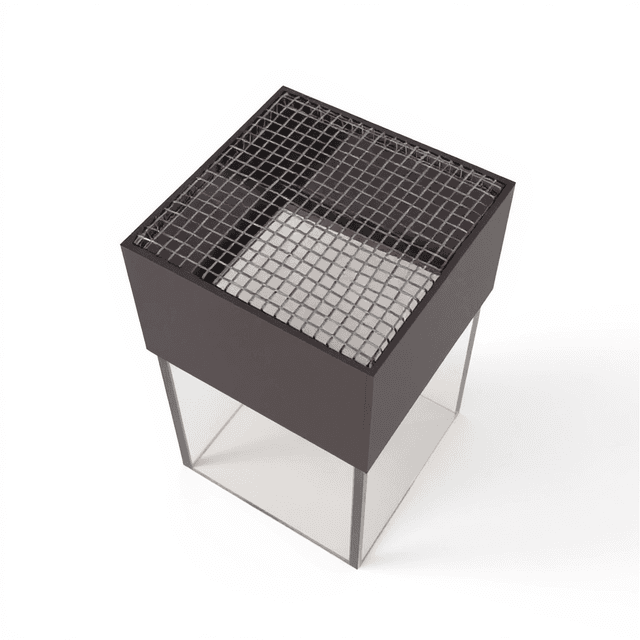
Total: $0.00
Frequently Bought Together
Total: $590.00
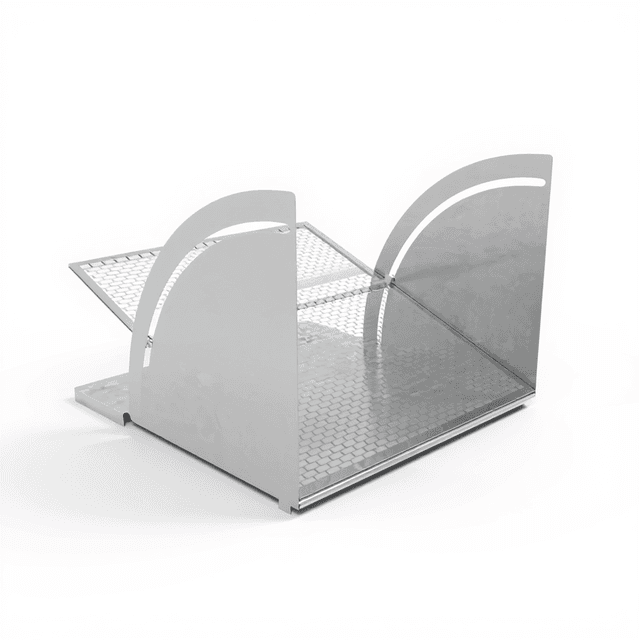
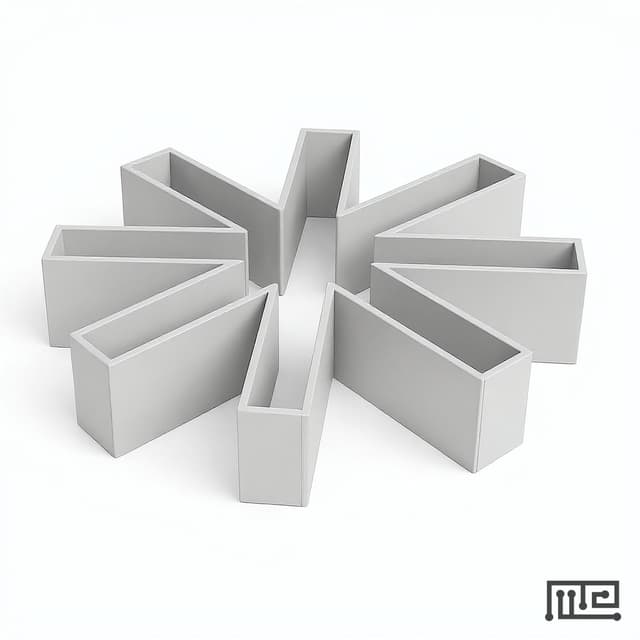

Ziggurat Task
$4,049.99
Added to quoteView Quote