ConductVision Enterprise

Spill & Leak Detection

ConductVision outlines puddles, spilled liquid and oil on floors and yards in each camera view, and tells plant and facility teams where each spill is.

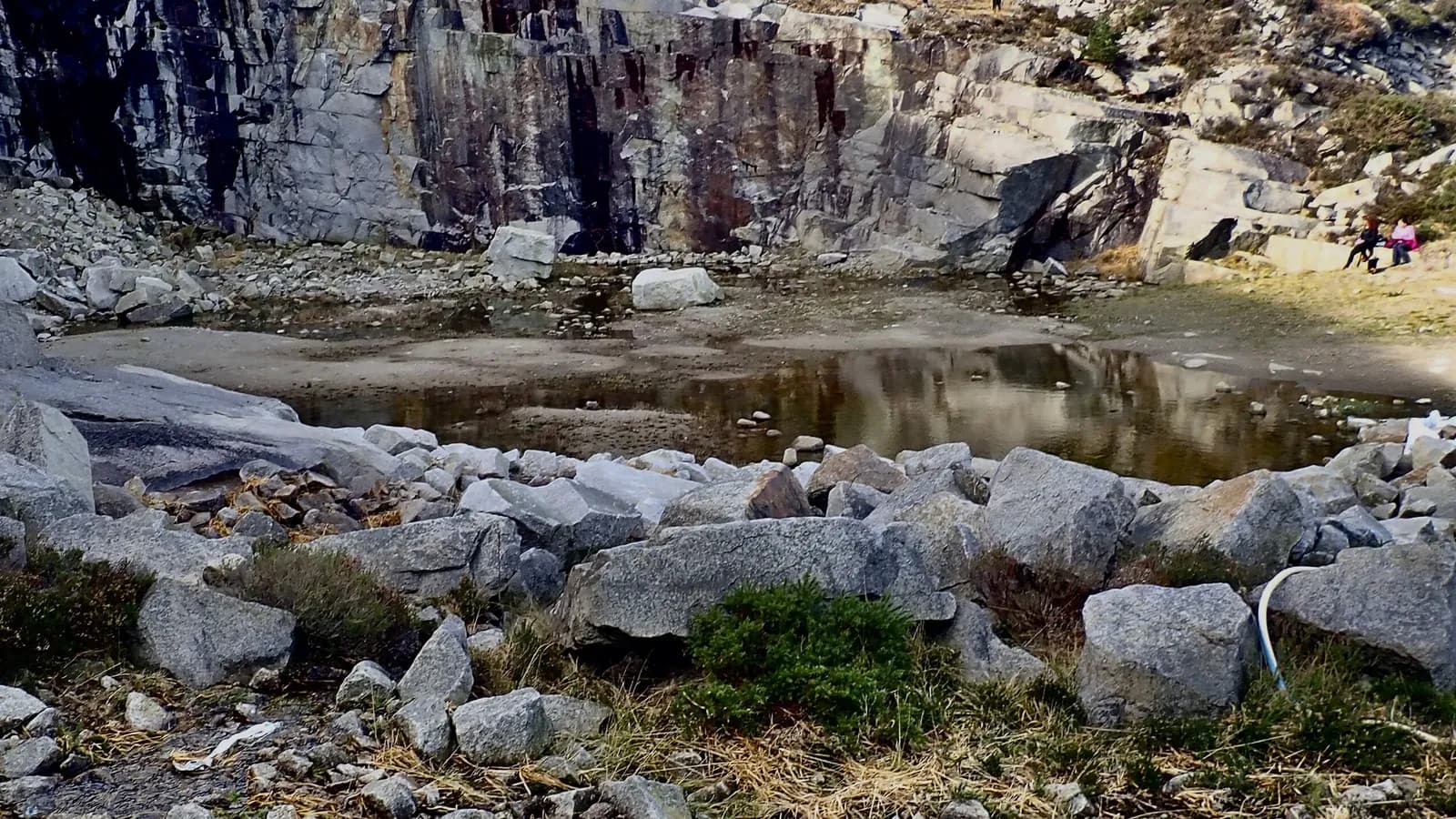
Standing water covers part of a quarry floor below a rock face; an outline traces the water, and boxes mark two people sitting on the far rocks.3 detections
Flooded quarry floor
  • Water1
  • Person2

ConductVision detections on this photo. Photo: Eric Jones, CC BY-SA 2.0, cropped.

Spill & Leak Detection identifies the visual signatures of liquids spreading on surfaces, dripping from equipment, or pooling in containment areas. In a pilot, the system watches for oil on factory floors, leaks at storage tanks, seepage along pipelines and drips from machinery. Early alerts give the team time to act while a leak is still small. Models analyze liquid reflectivity, surface wetting patterns, color changes, and temporal spread dynamics to distinguish genuine spills from shadows, wet cleaning, and normal condensation.

Outcomes

What your team gets

Time from spill to cleanup

A spill on a busy floor gets cleaned when someone reports it, which can be much later.

People and forklifts track liquid across the floor while it waits.

How
ConductVision outlines each new patch of liquid and logs the frame it appears and the frame it is gone.
You get
Minutes from spill to cleanup for every event, by area and shift.

Leaks that keep coming back

The same pump, valve or machine leaves a puddle every few days, and each cleanup goes down as a new spill.

Maintenance sees separate cleanups where there is one leaking part.

How
ConductVision records the outline and place of each patch, so repeats at one spot are grouped.
You get
Spots with repeat spills, ranked by count, with a still of each spill.

Wet walkways found sooner

Water from roofs, doorways and wash-downs lands on walkways used by staff and visitors.

A wet patch nobody reported can cause a slip on the next shift.

How
In a pilot, ConductVision checks each walkway for puddles on a schedule and alerts the cleaner for that area.
You get
Wet-floor alerts by walkway, and the hours when puddles form most often.

What the model sees

Detections in one more setting

Floodwater pours over a damaged trail bridge in a rocky canyon; an outline traces the water running over the bridge.
Flooded trail bridge in a canyon
  • Water1

ConductVision detections on this photo.

Endpoints

What a pilot measures

Each endpoint is defined before the pilot starts, with what is counted, its unit and how the results are broken down.

What a pilot measures
PrimaryTime to cleanupMinutes from the first frame with a new patch of liquid to the first frame with the patch gone.Unit:minutes (median)By:Area, shift
SecondarySpill countNew patches of liquid larger than the minimum size set for each camera, counted once per patch.Unit:spills per weekBy:Area, liquid type
Repeat spotsShare of spills that start within a set distance of an earlier spill in the same view.Unit:%By:Camera, month
Wet-floor hoursHours in which any puddle is visible on a walkway, summed per walkway.Unit:hours per weekBy:Walkway

How we check the model

Each pilot measures ConductVision on your own footage against a sample checked by hand, before anyone relies on its numbers.

  • Spill alert precision

    Share of spill alerts that a reviewer confirms as liquid in a hand-checked sample of alert stills.

    % · by camera, liquid type

  • Missed spills

    Share of spills a reviewer finds in sampled footage that ConductVision did not flag.

    % · by camera, floor surface

  • Outline agreement

    Area shared by the ConductVision outline and a reviewer's hand-drawn outline, divided by the area of both combined.

    intersection over union (mean) · by liquid type

How it works

Spill & Leak Detection in three steps

  1. Connect

    Position Cameras at Risk Points

    Mount cameras above storage tanks, pipe junctions, containment berms, equipment bases, and floor drains. The system supports both fixed cameras for continuous monitoring and drone-mounted cameras for pipeline surveys across large installations.

  2. Analyze

    Detect Liquid Anomalies

    The model compares each frame against a learned baseline of the dry scene, detecting new liquid presence by analyzing surface reflectivity changes, color shifts, and the temporal growth pattern of wet areas. False positive suppression filters normal events like rain, scheduled wash-downs, and condensation.

  3. Act

    Alert and Document for Response

    Confirmed spill detections trigger alerts to operations teams with the camera location, spill area estimate, and a time-lapse sequence showing spread progression. All events are logged with timestamps and imagery for environmental compliance documentation.

What it detects

Classes the models report

  • Puddle

    Standing water on floors, walkways and yards, outlined in each frame

  • Liquid spill

    Spilled liquid on floors and work surfaces, outlined in each frame

  • Oil spill

    Oil and fuel on concrete, gravel or water, with the sheen outlined

  • Patch area

    The outlined area of each patch, tracked from frame to frame

Features

What the system does

Oil and Hydrocarbon Spill Detection
Identifies the characteristic sheen and spreading pattern of oil and hydrocarbon spills on concrete, water surfaces, and soil. Effective for motor oil, hydraulic fluid, diesel, and lubricant leaks.
Chemical Leak Monitoring
Detects liquid pooling and surface discoloration associated with chemical leaks at storage tanks, pipe fittings, and valve assemblies. Color-change detection can identify certain reactive chemicals by their visual signature.
Water Leak and Seepage Detection
Monitors for water accumulation from pipe leaks, roof seepage, and condensation failures in mechanical rooms, data centers, and warehouse facilities.
Spill Area Estimation
Calibrated cameras estimate the area and approximate volume of detected spills based on surface coverage. Trend analysis tracks spread rate to inform containment urgency.
Baseline Scene Learning
The system learns the normal dry appearance of each monitored area over time, adapting to lighting changes, seasonal conditions, and normal wet/dry cycles to minimize false detections.
Pipeline Aerial Survey
Drone-captured video of pipeline corridors is processed to detect surface staining, vegetation die-off patterns, and visible leaks along above-ground and partially buried pipeline routes.
Environmental Compliance Logging
Every detection event is documented with timestamps, imagery, estimated spill area, and response actions. Reports can be generated for environmental audits and incident investigations.
Use cases

Where teams put it to work

Oil and Gas Facility Monitoring

Refineries and tank farms contain thousands of potential leak points across pipes, valves, and storage vessels. Camera-based monitoring can provide an always-on detection layer that catches small leaks before they escalate to reportable spill events.

energychemical

Manufacturing Floor Spill Response

Machine tool coolant, hydraulic oil, and process chemicals can leak onto factory floors, creating slip hazards and contamination. Early detection enables rapid cleanup before the spill spreads or a worker is injured.

manufacturingautomotive

Pipeline Integrity Monitoring

Pipeline operators need to detect leaks along hundreds of kilometers of infrastructure. Drone surveys with onboard cameras can identify surface evidence of underground leaks, soil staining, vegetation changes, and visible seepage, faster than periodic foot patrols.

energyutilitiesgovernment

Data Center Water Leak Prevention

Cooling systems in data centers carry significant water leak risk. Cameras positioned under raised floors and near CRAC units can detect the first signs of pooling water, preventing damage to critical computing infrastructure.

corporatetechnology

Chemical Storage Compliance

Chemical warehouses must monitor containment berms and secondary containment areas for accumulation. Continuous camera monitoring can verify that containment systems are functioning and detect overflow before chemicals reach storm drains.

chemicallogisticsmanufacturing

Mining Tailings and Process Water

Mining operations generate tailings ponds and process water systems that must be monitored for leaks and overflows. Camera-based detection can supplement physical sensors along dam faces and discharge channels.

miningenvironmental

Technical overview

Inputs, outputs and hardware

Accuracy and speed are measured on your footage and cameras during the pilot, and reported with the conditions they were measured under.

Models
Open-vocabulary segmentation (YOLO family) for liquid on floors and surfaces
Input formats
RTSP, ONVIF, MP4, HLS, drone video feeds, JPEG batch (aerial surveys)
Output formats
JSON, MQTT, Webhooks, CSV
Hardware
NVIDIA Jetson, Intel NUC, any x86 with a CUDA-capable GPU

Pilot

Evaluate spill & leak detection on your footage

A pilot takes one prioritized outcome, runs on your cameras, reports the endpoints above and ends with a results review and a decision.