ConductVision Enterprise
Water & Wastewater
Monitor treatment processes, inspect pipeline infrastructure, and secure water facilities with continuous visual intelligence.

Water and wastewater utilities manage critical infrastructure that directly impacts public health, operating treatment plants, pump stations, distribution networks, and collection systems that must function reliably around the clock. Equipment failures, process upsets, and security breaches at water facilities carry severe consequences, yet many utilities rely on periodic manual rounds and sensor-only monitoring that miss visual indicators of developing problems. ConductVision's technology can add a continuous visual monitoring layer to water and wastewater operations, processing feeds from treatment plant cameras, pipeline inspection platforms, and facility security systems to detect process anomalies, infrastructure degradation, and security threats that sensor data alone cannot identify.
The challenge
Treatment plants operate complex biological, chemical, and physical processes where visual indicators such as foam color, settling clarity, and surface scum patterns provide critical process health information that operators traditionally assess during manual rounds. Pipeline networks spanning hundreds of miles degrade from corrosion, root intrusion, and structural fatigue that CCTV inspection reveals only during scheduled assessments. Remote pump stations and reservoirs are vulnerable to unauthorized access and vandalism.
Our approach
ConductVision can process treatment plant camera feeds to monitor clarifier surface conditions, aeration basin foam characteristics, and chemical feed system operation continuously. Pipeline inspection video can be analyzed to classify defect types and severity automatically. Facility security cameras can provide perimeter monitoring and access verification across distributed assets.
AI detection for water & wastewater
Environmental Monitoring
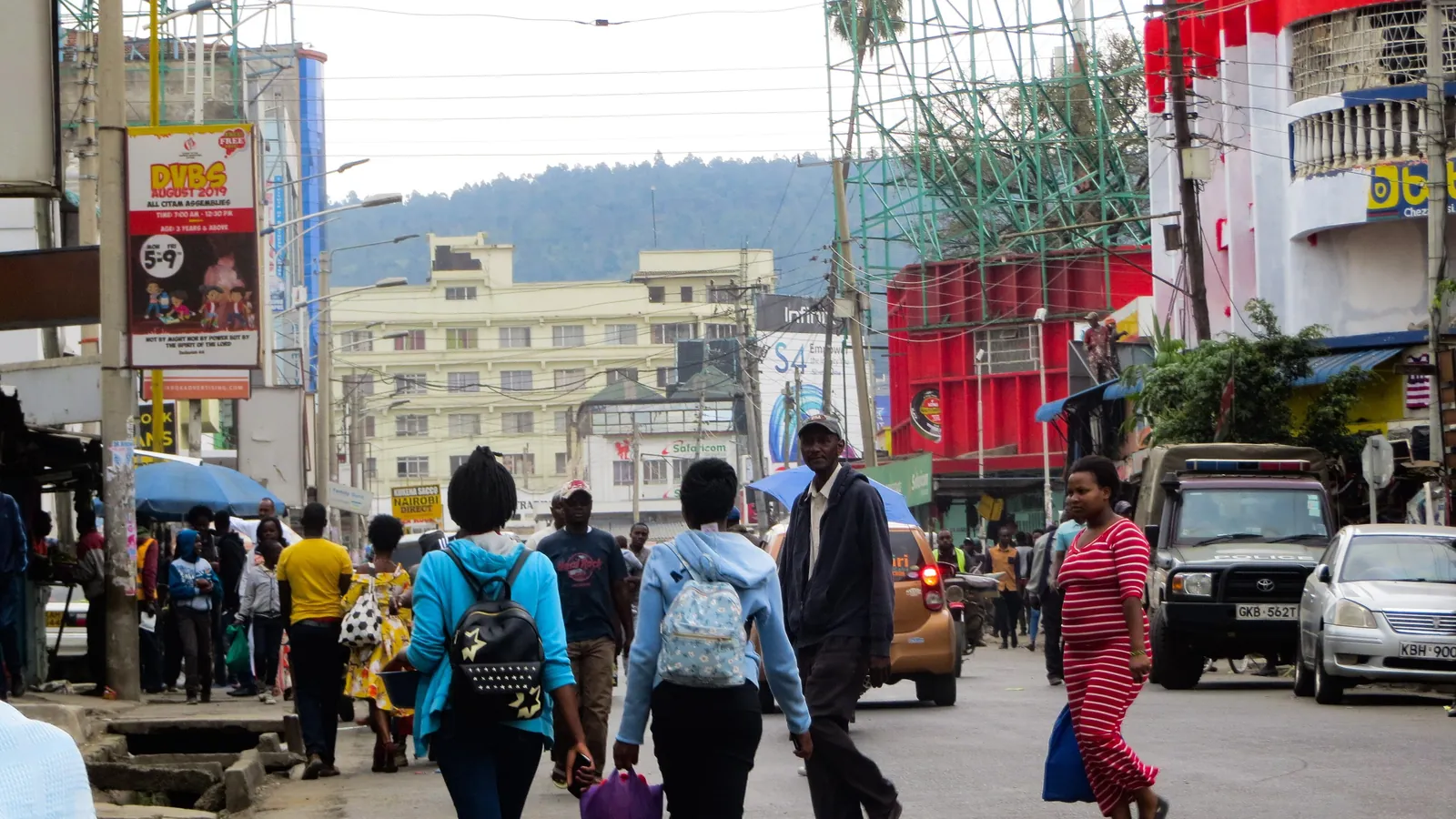
Water levels, flood risk, vegetation health, and erosion, visual intelligence born from ConductScience's environmental research heritage. Available for pilot.
Behavioral Analytics
Loitering, aggression, crowd surges, and abandoned objects, anomaly detection grounded in behavioral science. Available for pilot.
Intrusion & Perimeter Detection
Virtual fences, zone violations, and perimeter breach alerts. Available for pilot across any secured boundary.
Spill & Leak Detection
Detect liquid spills, chemical leaks, and pipeline seepage from camera feeds. Available for pilot in hazardous and industrial environments.
People Detection
Occupancy intelligence from the cameras you already have. Available for pilot at any scale.
Gauge & Meter Reading
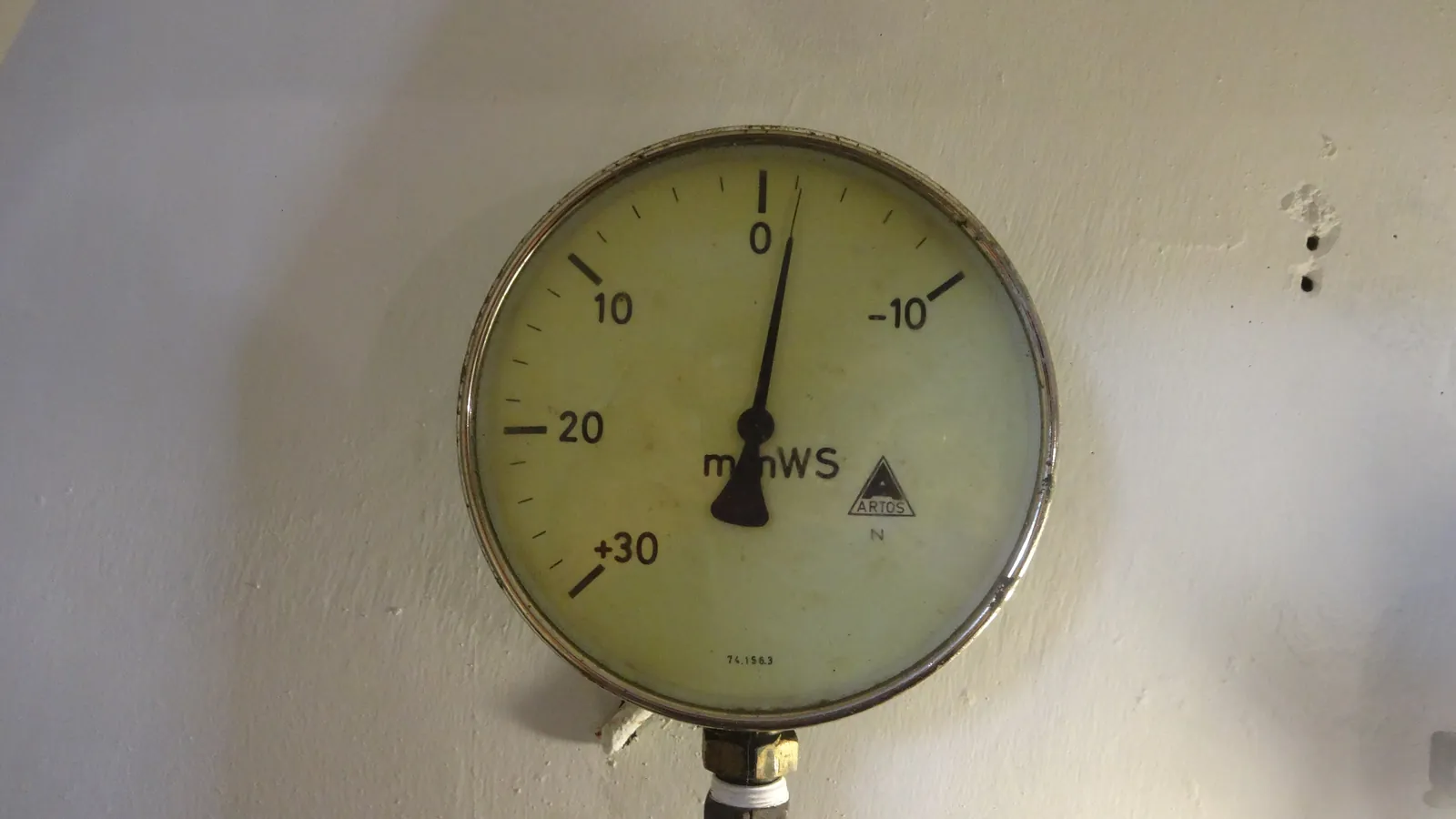
Digitize analog gauges, meters, and displays with camera-based reading. Available for pilot as an industrial IoT bridge.
Use cases
Treatment Process Visual Monitoring
Cameras positioned above clarifiers, aeration basins, and filter beds can detect abnormal surface conditions including excessive foam, rising sludge, floating solids, and color changes that indicate process upsets. Visual alerts can supplement SCADA sensor data, providing operators with early warning before effluent quality is affected.
Pipeline Condition Assessment
CCTV and robotic crawler inspection footage can be analyzed to automatically classify defect types including cracks, fractures, root intrusion, joint displacement, and corrosion. Defect severity scoring can prioritize rehabilitation segments, and automated reporting can reduce the time between inspection and engineering review.
Facility Security and Access Control
Cameras at treatment plants, pump stations, reservoirs, and chemical storage facilities can detect unauthorized access, perimeter breaches, and suspicious activity. Remote facility monitoring can reduce the need for security guard presence at unmanned sites while maintaining continuous surveillance.
Combined Sewer Overflow Monitoring
Cameras at overflow structures and outfall locations can detect activation events, estimate discharge volume through visual level assessment, and document event duration for regulatory reporting. Real-time detection can enable faster notification to downstream stakeholders and public health authorities.
Chemical Feed and Equipment Monitoring
Cameras in chemical storage and feed rooms can verify pump operation, detect chemical spills and container leaks, and monitor tank level indicators between sensor readings. Visual confirmation of equipment status can supplement SCADA data for remote operations teams managing multiple facilities.
Lift Station and Pump Station Monitoring
Cameras at remote pump stations can detect flooding conditions, equipment vibration anomalies, and unauthorized access without requiring on-site personnel. Visual confirmation of alarm conditions can help operators prioritize response when multiple stations report issues simultaneously.
Integration ecosystem
SCADA and Process Control SystemsComputerized Maintenance Management Systems (CMMS)Pipeline Inspection Certification Systems (NASSCO)Environmental Compliance Reporting PlatformsGIS and Hydraulic Modeling Platforms
Related industries
Infrastructure
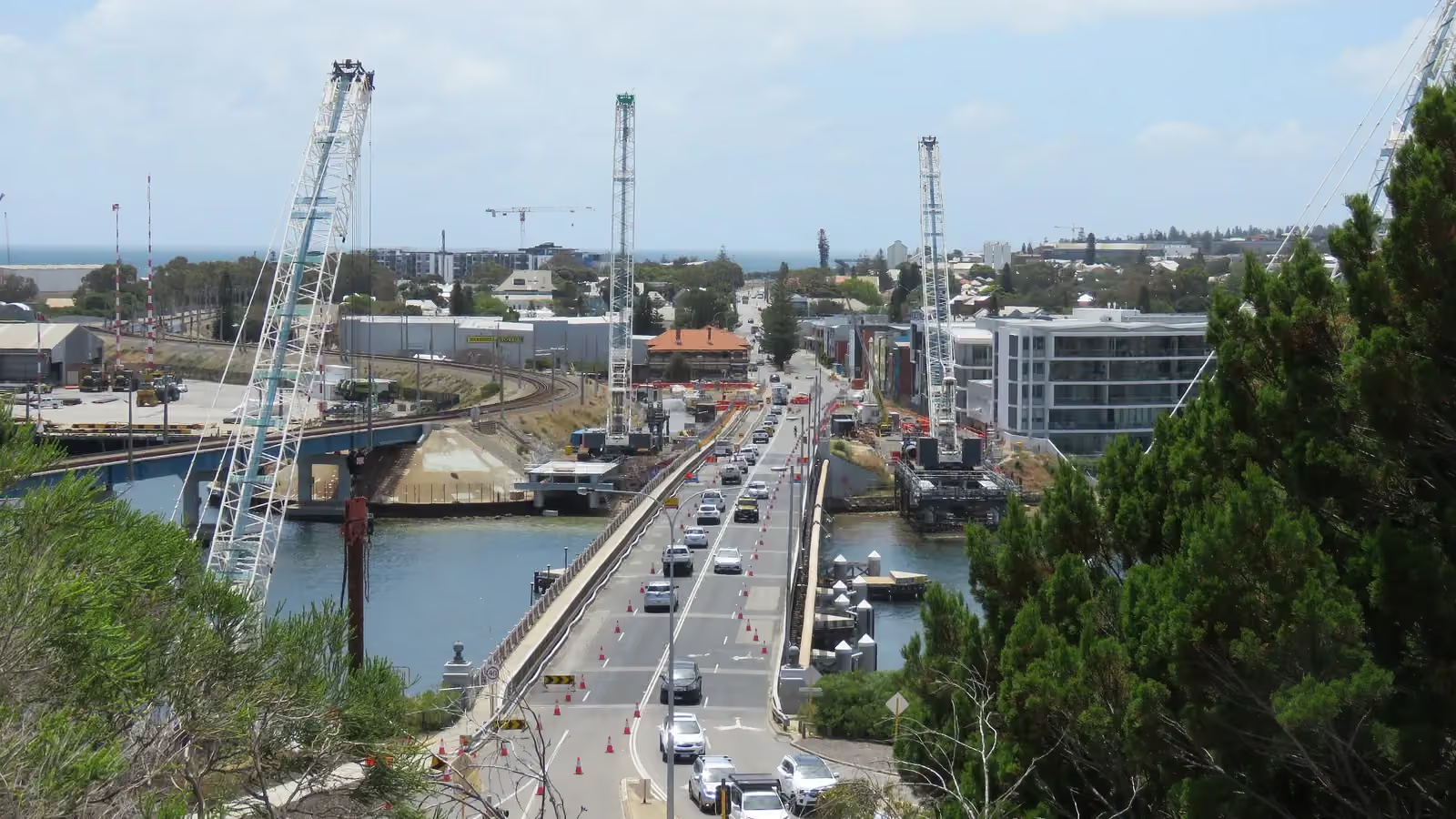
Extend the lifespan and safety of critical infrastructure with continuous visual condition monitoring.
Energy & Utilities
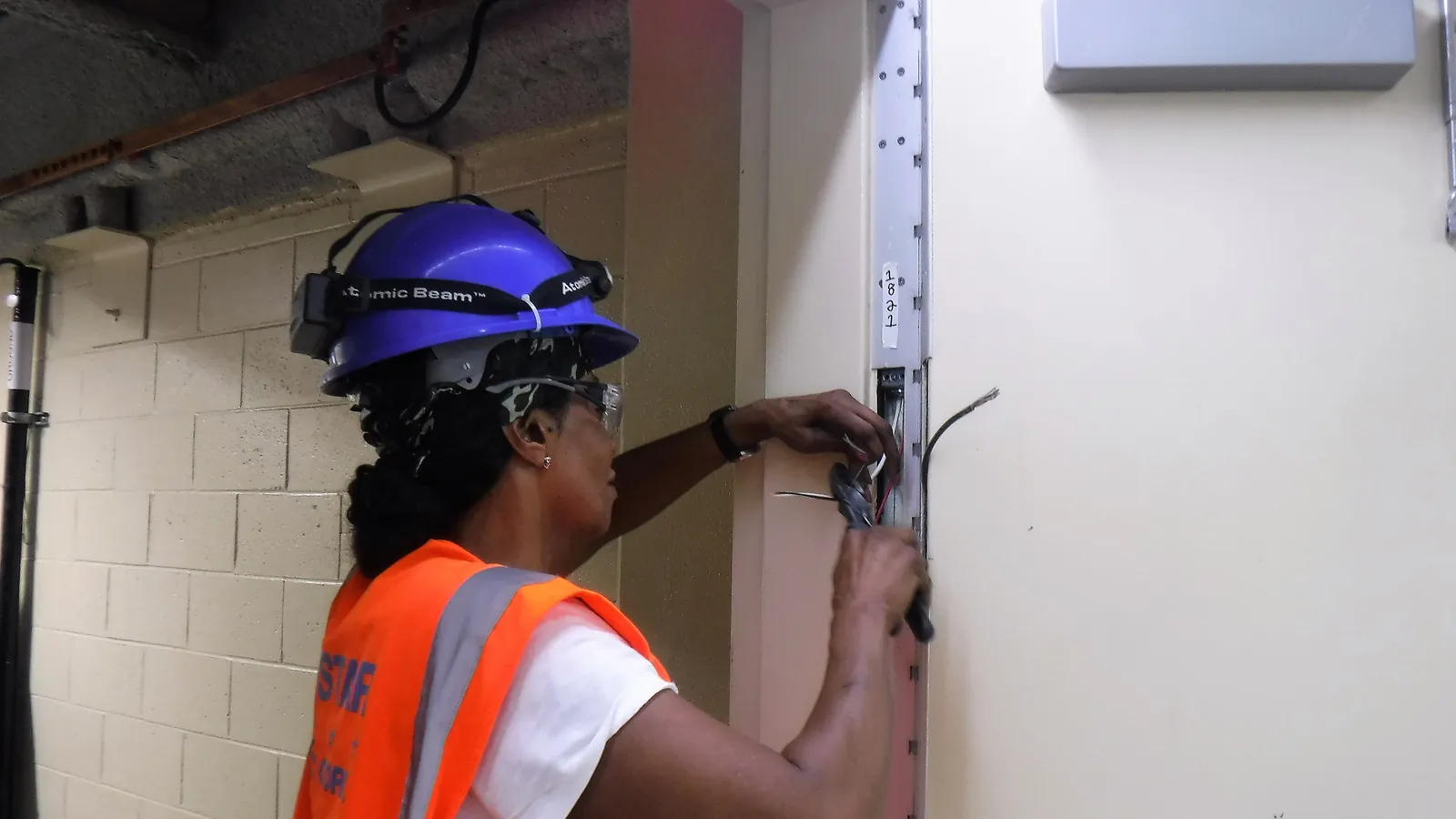
Inspect generation assets, monitor grid infrastructure, and secure substations with vision analytics engineered for critical energy environments.
Smart City
Transform urban infrastructure with real-time visual intelligence across every intersection, corridor, and public space.
Scope a water & wastewater monitoring pilot
Tell us about your sites and cameras; a ConductVision engineer replies with a scoping plan.