ConductVision Enterprise

Energy & Utilities

Inspect generation assets, monitor grid infrastructure, and secure substations with vision analytics engineered for critical energy environments.

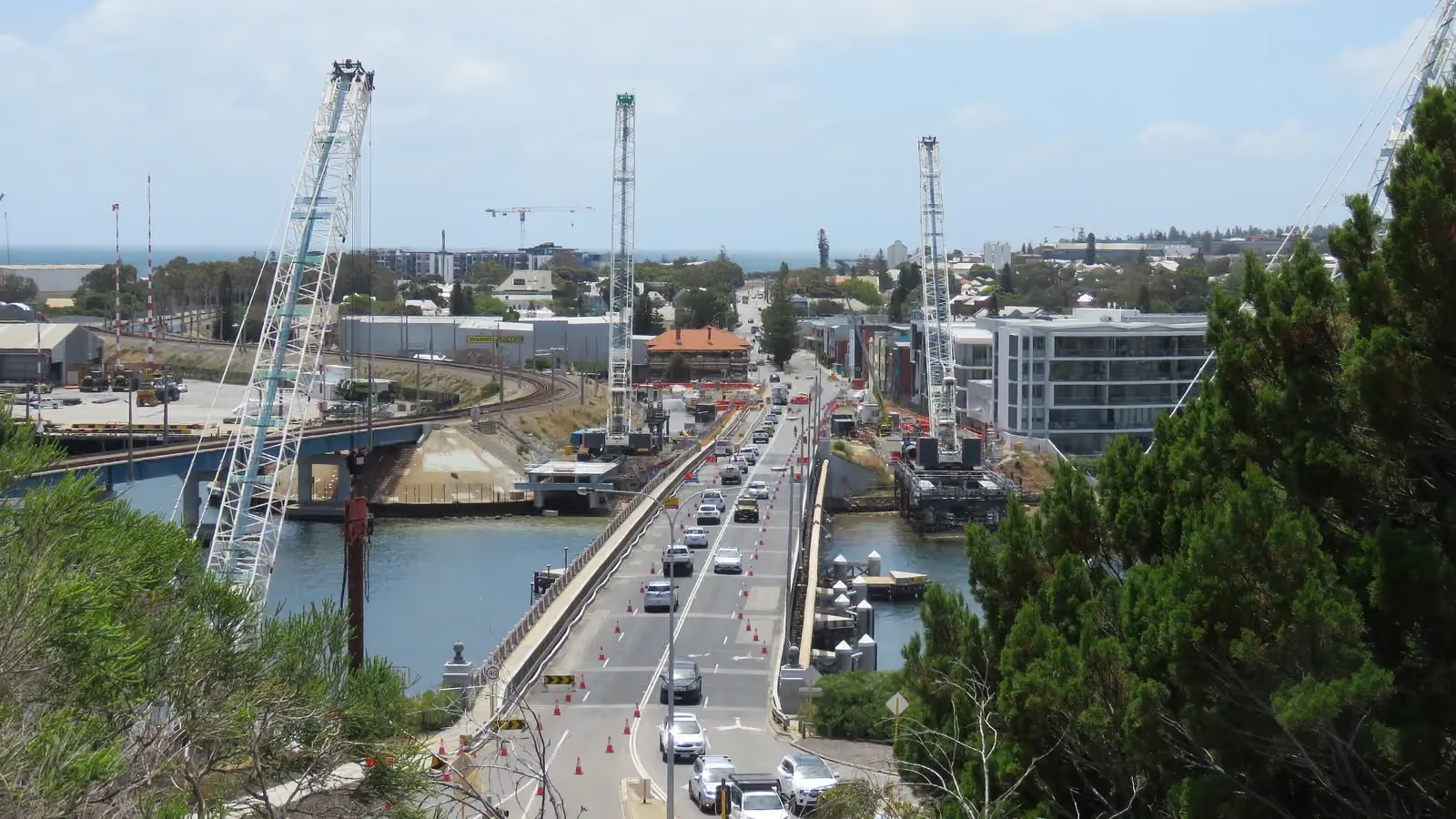
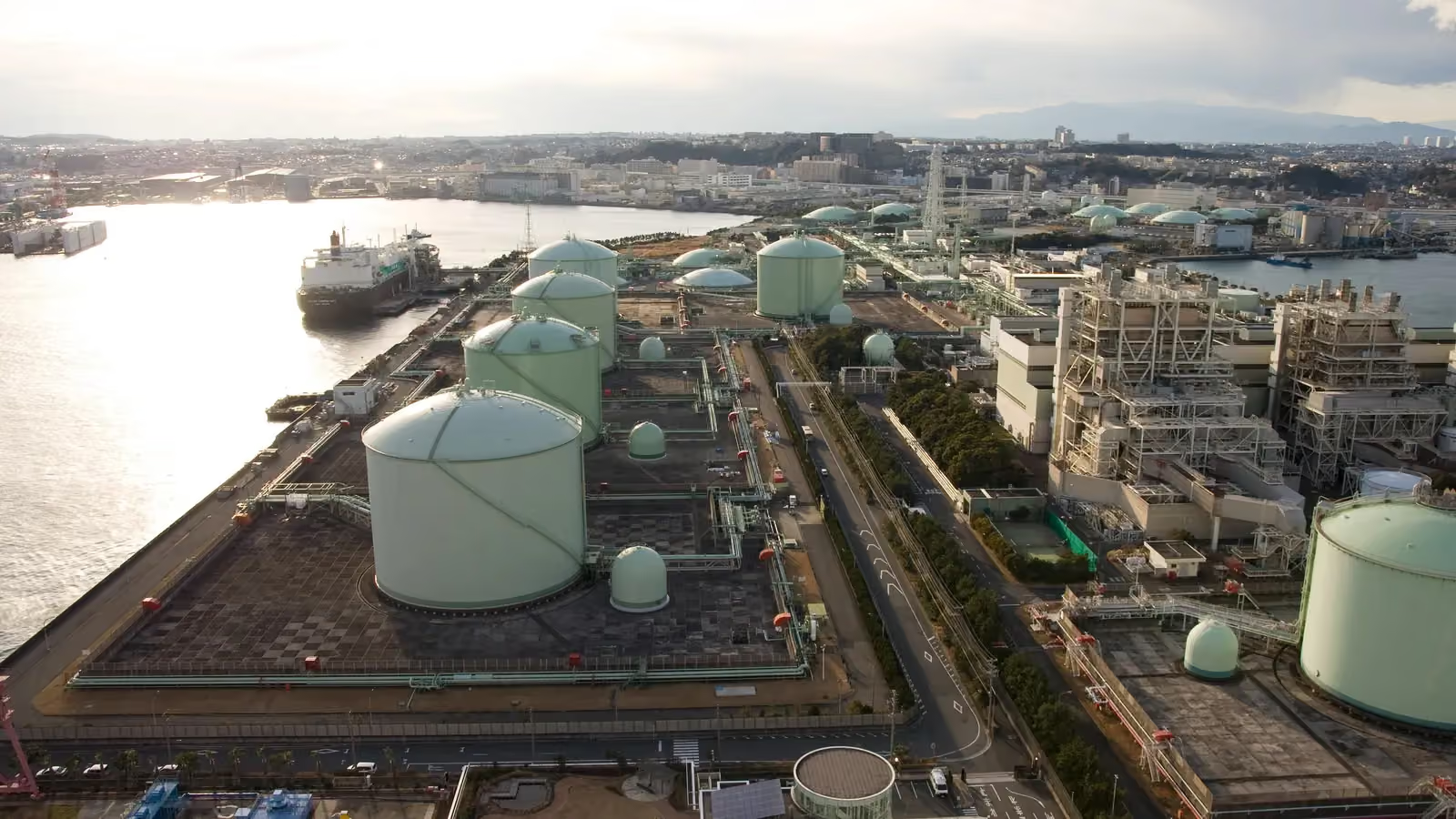
Energy & Utilities operations
Photo: Antti Leppänen, CC BY 4.0

Energy infrastructure spans thousands of miles of transmission lines, hundreds of substations, and distributed generation assets in locations ranging from offshore wind farms to desert solar fields. Inspection and security of these assets depend on periodic manual assessments that are expensive, weather-dependent, and inherently limited in coverage. ConductVision's technology can provide continuous visual monitoring of energy generation and distribution assets, processing feeds from fixed cameras, drone platforms, and robotic crawlers to detect equipment degradation, security breaches, and environmental hazards across the energy value chain.

The challenge

Solar panel degradation, wind turbine blade damage, and transmission line faults develop gradually and often go undetected until performance loss becomes significant or a failure event occurs. Substations in remote locations are vulnerable to intrusion, vandalism, and wildlife-caused outages. Inspection teams cannot maintain adequate coverage across geographically dispersed asset portfolios with manual methods alone.

Our approach

ConductVision can analyze drone and fixed-camera imagery to detect solar panel hotspots, cracked cells, and soiling patterns. Wind turbine blade inspection can identify leading edge erosion, lightning strike damage, and surface cracks from high-resolution imagery. Substation cameras can provide perimeter security, equipment thermal monitoring, and wildlife deterrent triggering.

Use cases

Solar Panel Inspection and Defect Detection

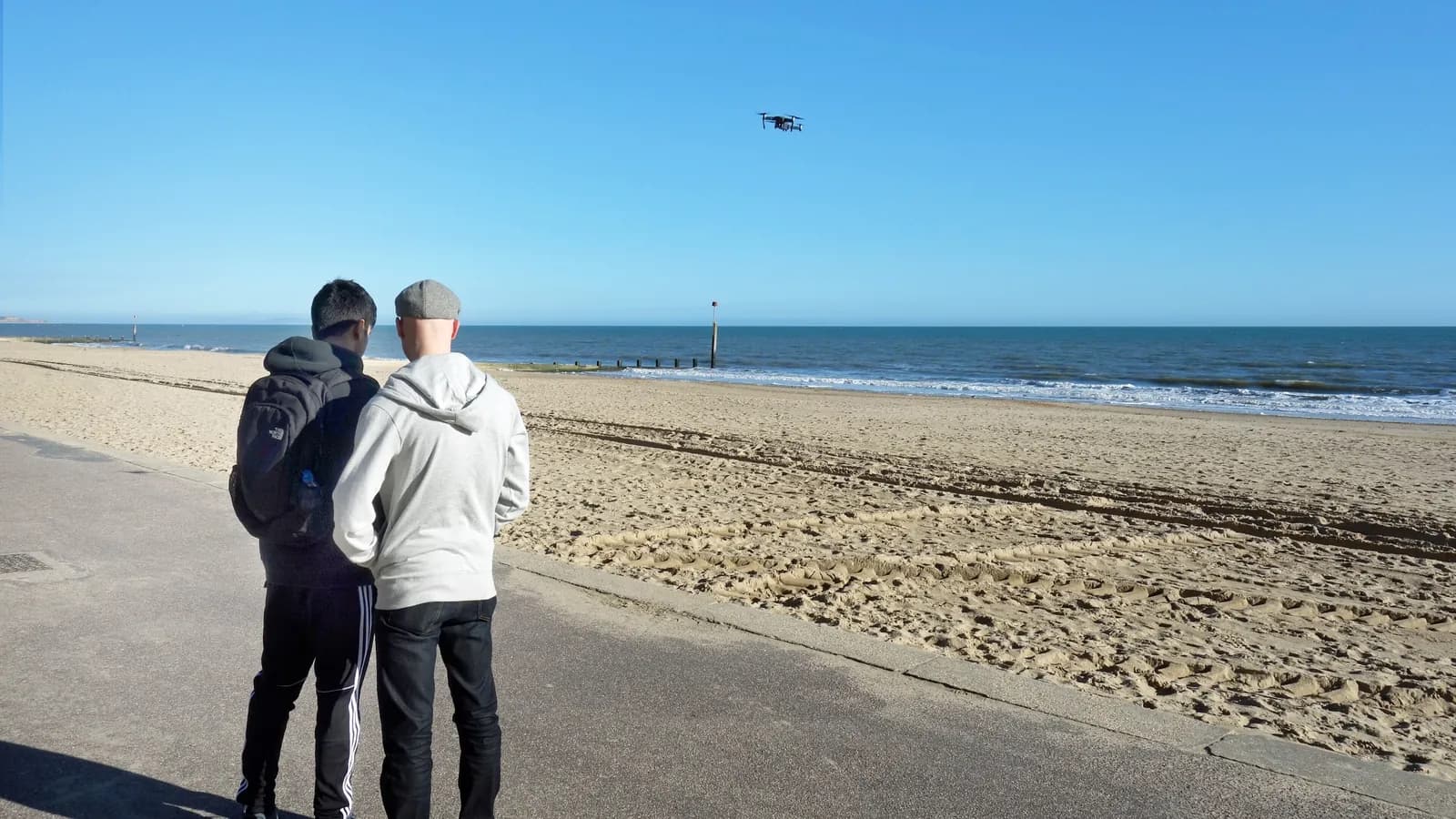
Drone-mounted visible and thermal cameras can scan solar arrays to identify cracked cells, hotspot anomalies, delamination, snail trails, and bypass diode failures. Defective panels can be geolocated within the array layout and prioritized for replacement based on estimated power loss.

Wind Turbine Blade Inspection

High-resolution drone imagery of turbine blades can be analyzed for leading edge erosion, lightning receptor damage, surface cracks, and trailing edge splits. Defect severity classifications can inform maintenance scheduling and blade repair versus replacement decisions.

Substation Security and Intrusion Detection

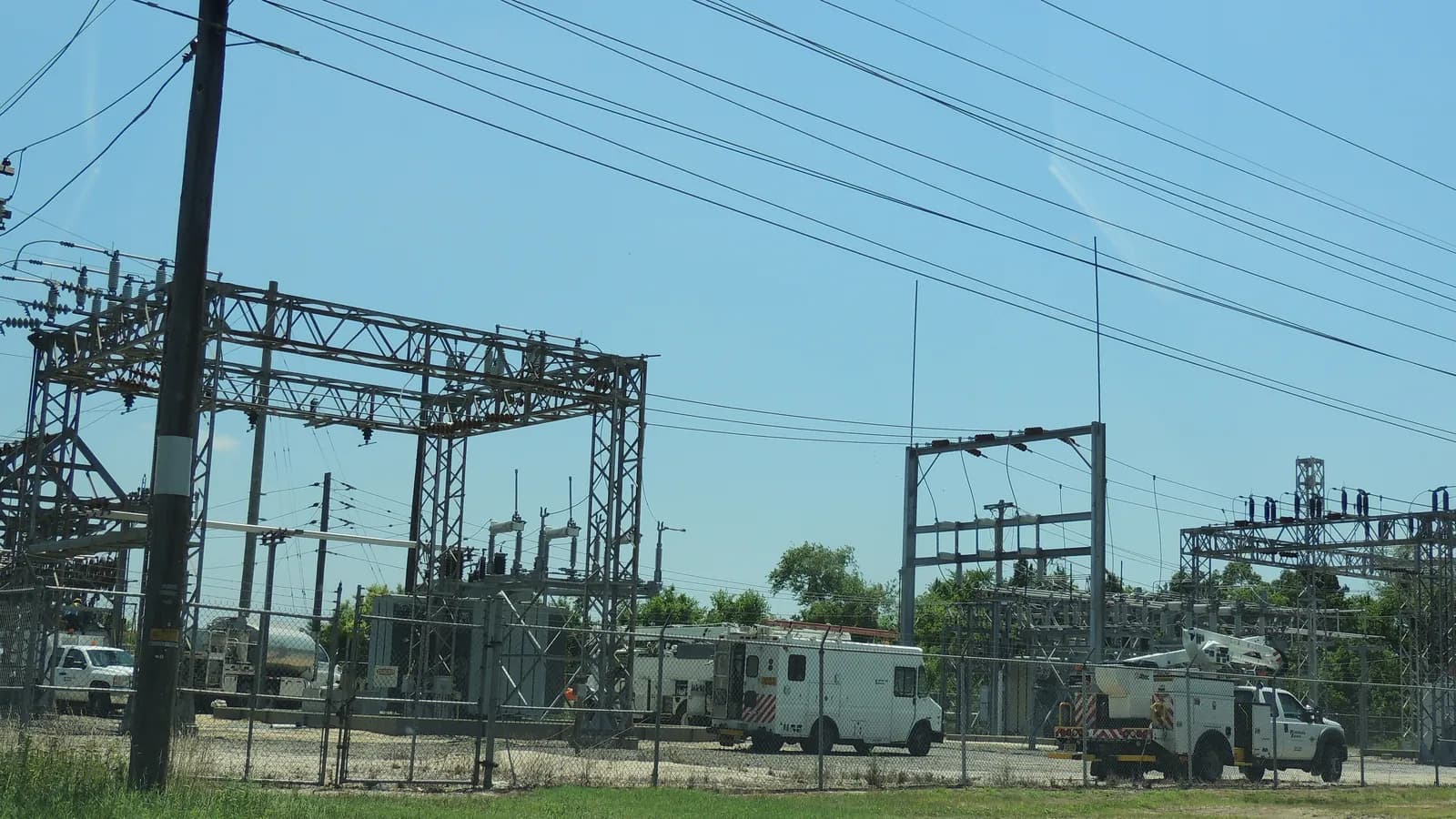
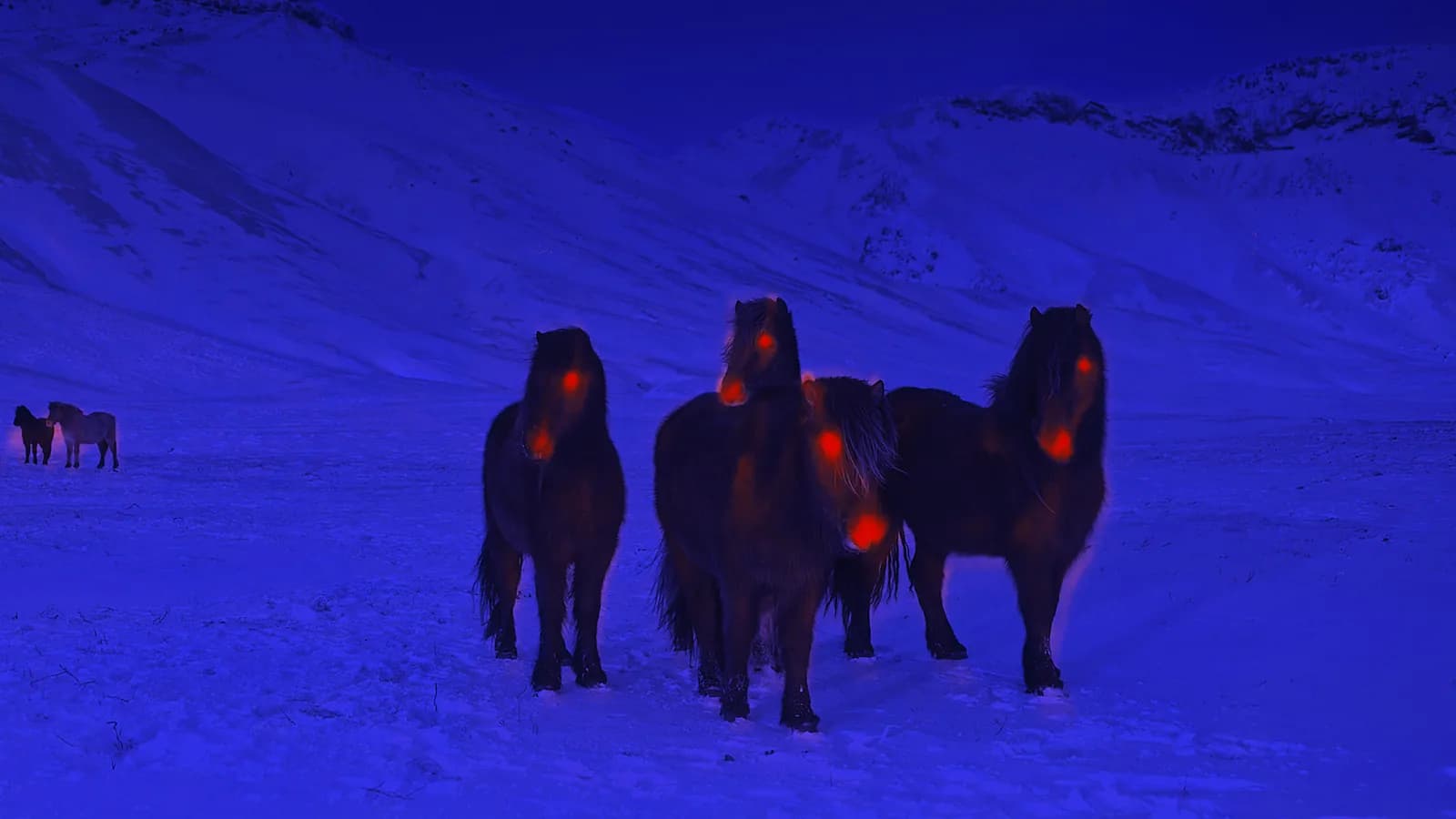
Perimeter cameras can detect fence breaches, unauthorized vehicle approaches, and personnel entry outside of scheduled maintenance windows. Thermal imaging can identify equipment overheating in transformers and switchgear, while wildlife detection can trigger deterrent systems before animals cause outages.

Transmission Line Corridor Monitoring

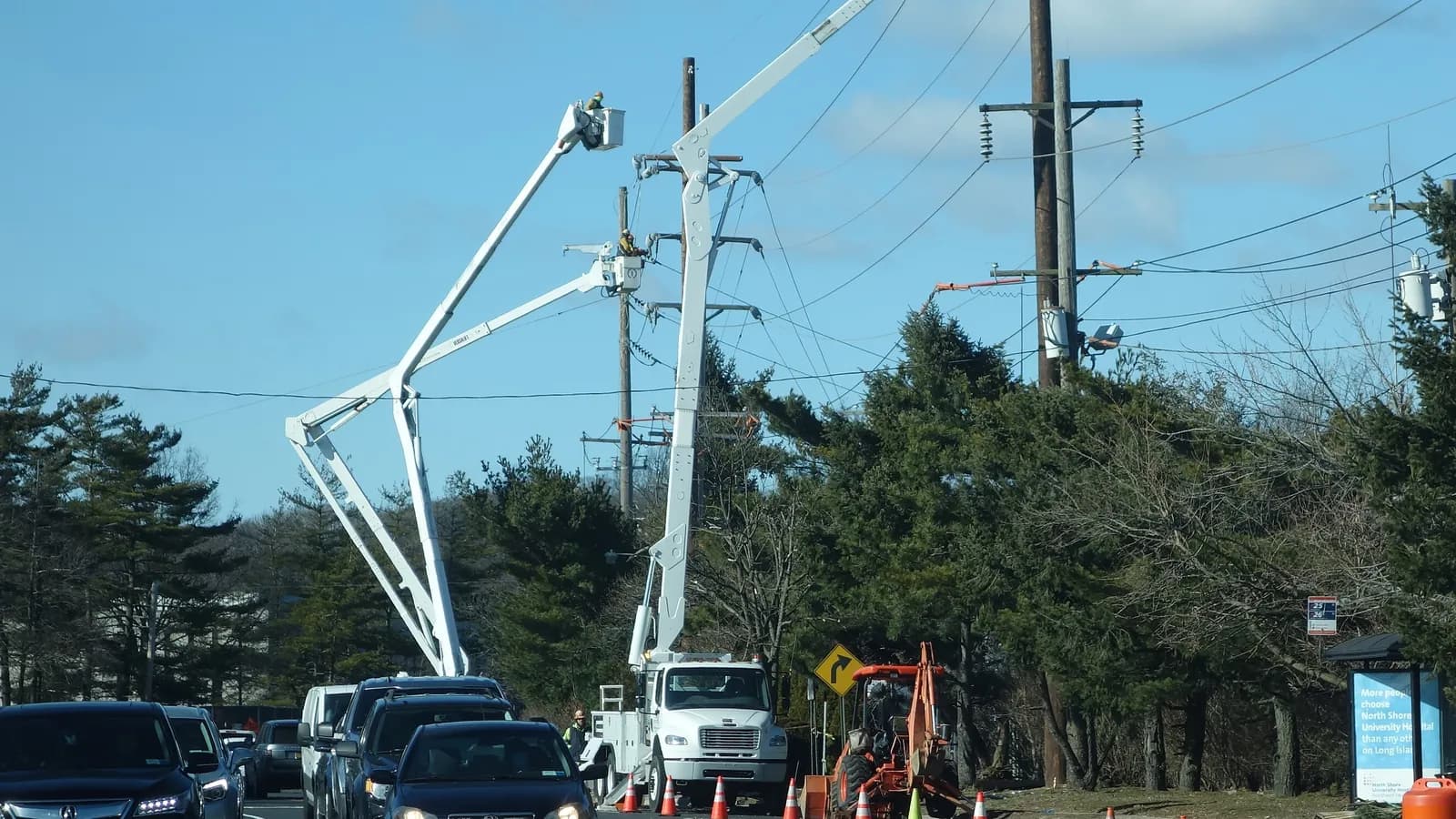
Aerial imagery can identify vegetation encroachment, conductor sag anomalies, insulator damage, and tower structural issues across transmission corridors. Priority alerts can be generated for conditions that present imminent risk, while lower-severity findings can be queued for scheduled maintenance cycles.

Power Line and Cable Route Inspection

Underground cable route cameras and overhead line inspection imagery can detect exposed conductors, damaged cable markings, third-party encroachment near buried assets, and pole lean or foundation erosion. Route condition reports can be generated automatically for asset management systems.

Integration ecosystem

SCADA and Energy Management Systems (EMS)Asset Performance Management (APM) PlatformsDrone Inspection Platforms (Raptor Maps, SkySpecs)GIS Platforms (ArcGIS, Smallworld)Physical Security Information Management (PSIM)

Scope a energy & utilities monitoring pilot

Tell us about your sites and cameras; a ConductVision engineer replies with a scoping plan.