ConductVision Enterprise

Oil & Gas

Enhance safety, detect anomalies early, and maintain continuous visual oversight across remote and hazardous sites.

Oil & Gas operations

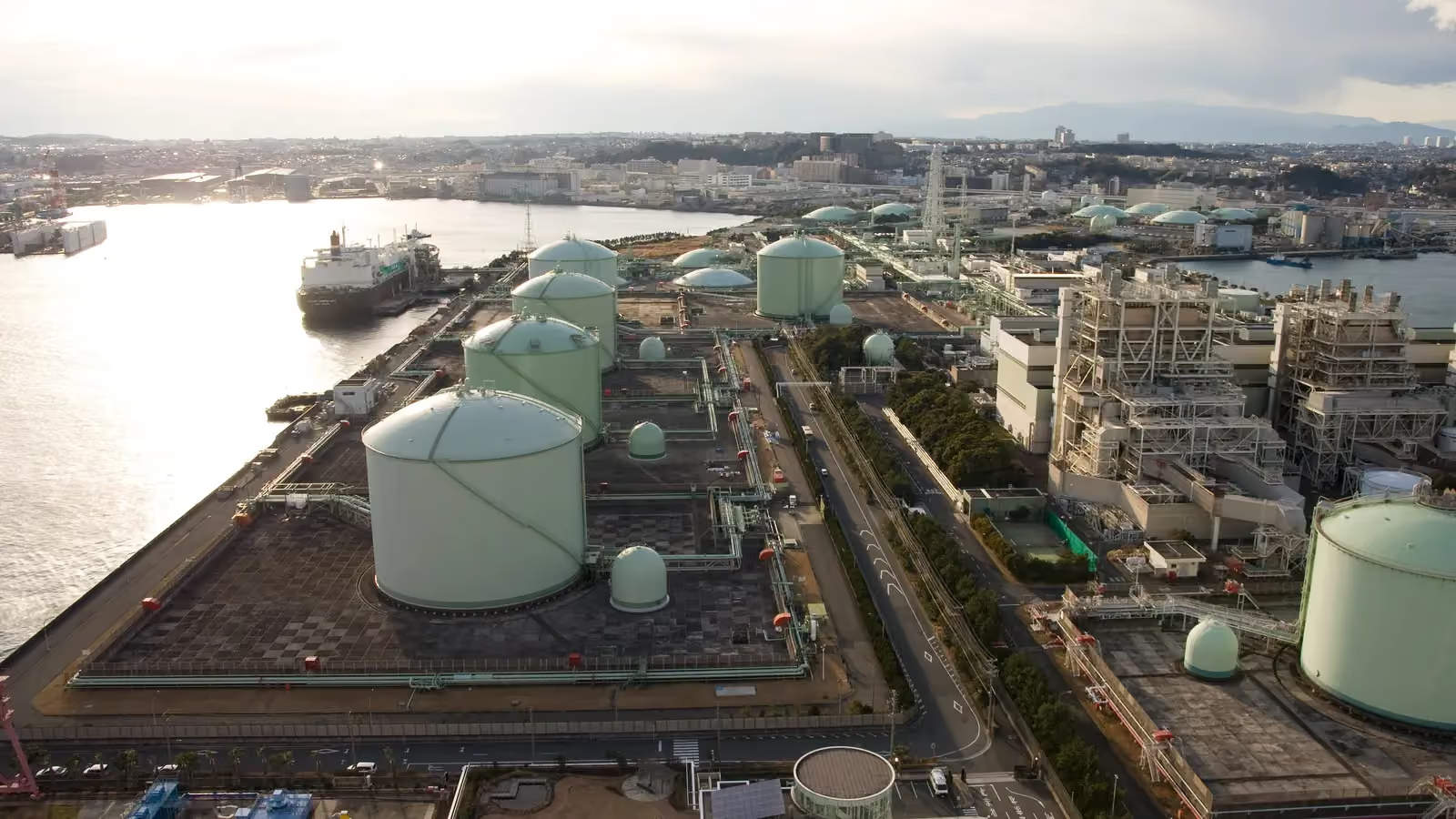
Oil and gas operations span remote wellheads, offshore platforms, pipelines, and processing facilities where environmental conditions are harsh and personnel access is limited. Equipment failures, leaks, and safety violations in these environments carry severe consequences, yet many sites rely on periodic manual inspections supplemented by sensor-based alarms. ConductVision's technology can add a continuous visual monitoring layer to existing camera infrastructure across upstream, midstream, and downstream operations. Real-time anomaly detection, PPE verification, and zone monitoring can reduce risk exposure while creating auditable safety records.

The challenge

Remote and hazardous site conditions make continuous human monitoring impractical. Pipeline corridors span hundreds of miles with limited inspection frequency. Offshore platforms operate in environments where PPE non-compliance and restricted zone breaches carry life-threatening consequences, yet manual observation covers only a fraction of operational hours.

Our approach

ConductVision can process feeds from fixed, PTZ, and drone-mounted cameras to detect visual leak indicators, equipment anomalies, PPE violations, and unauthorized zone entries. Alerts can reach operations centers in real time regardless of site remoteness, and inspection imagery can be archived for regulatory reporting.

Use cases

Visual Leak Indicator Detection

Cameras can monitor pipeline junctions, valve assemblies, and storage tanks for visible vapor plumes, liquid pooling, and discoloration patterns. Detections can be classified by severity and forwarded to operations for immediate response.

PPE Compliance in Hazardous Zones

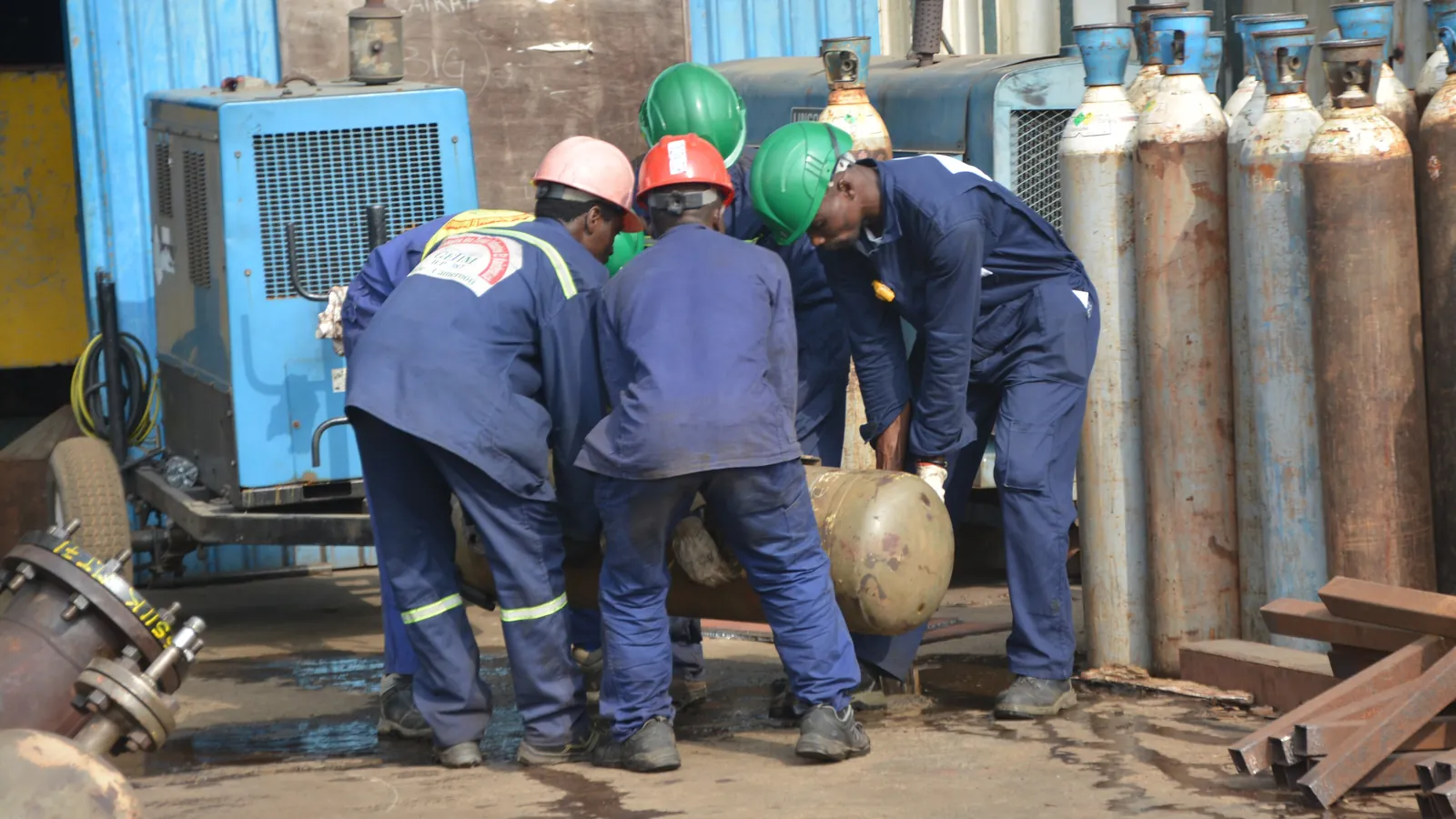
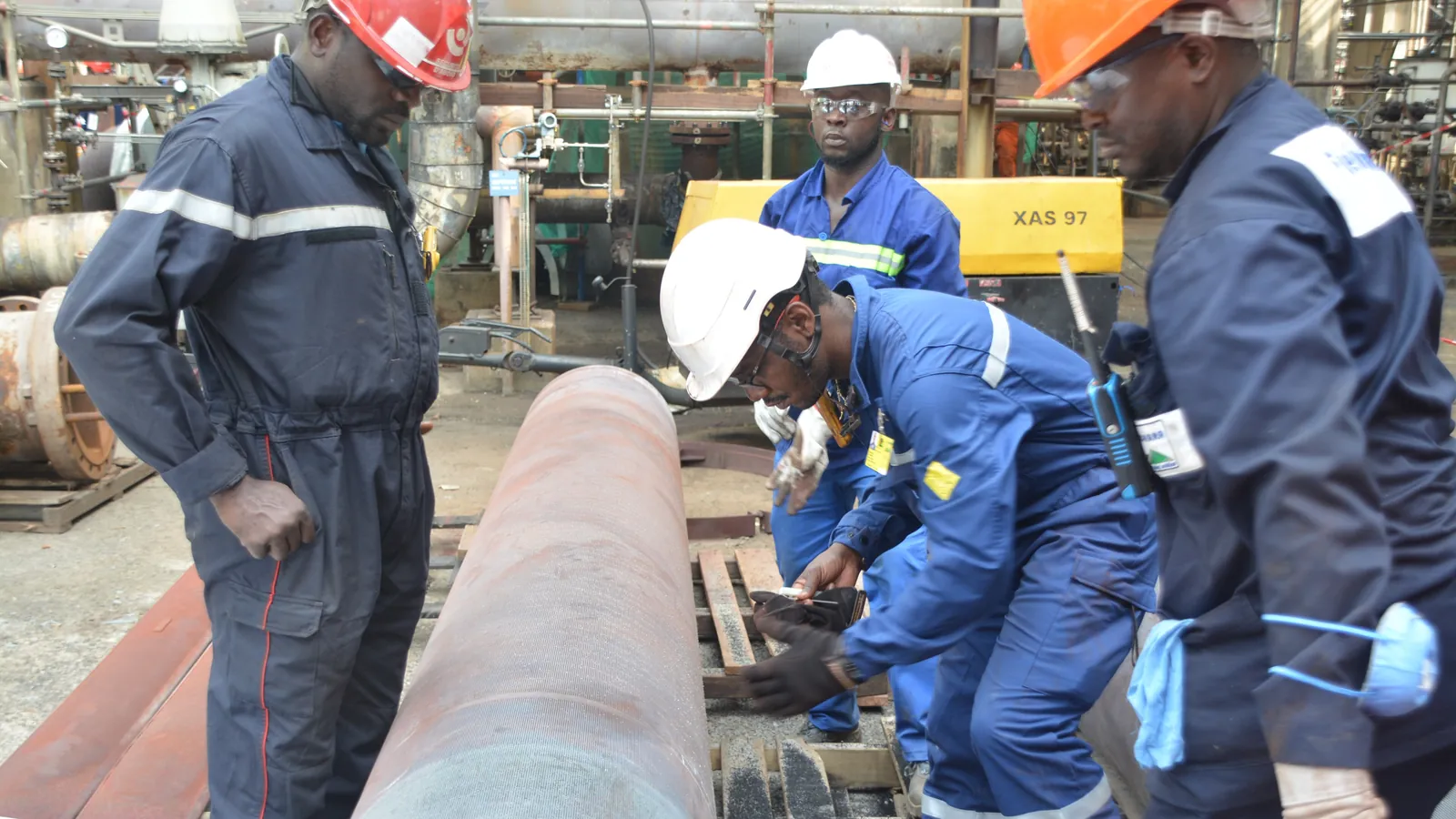
Detection models can verify flame-resistant clothing, hard hats, safety glasses, and gas monitors on personnel entering classified zones. Non-compliance events can be logged with visual evidence and escalated to site safety coordinators.

Restricted Zone Enforcement

Virtual perimeters around active wellheads, pressurized systems, and hazardous material storage areas can alert when unauthorized personnel enter. Entry logs can be maintained automatically for shift-level safety reporting.

Flare Stack and Emissions Monitoring

Cameras can analyze flare stack combustion characteristics including flame color, intensity, and smoke opacity. Deviations from normal combustion patterns can trigger alerts that may indicate process upsets or incomplete combustion.

Pipeline Right-of-Way Surveillance

Aerial and fixed camera imagery can monitor pipeline corridors for third-party encroachment, vegetation overgrowth, and surface disturbances that may indicate subsurface issues. Anomalies can be geotagged and prioritized for field investigation.

Integration ecosystem

SCADA SystemsPipeline Integrity Management SystemsGas Detection Sensor NetworksDrone Inspection PlatformsHSE Reporting Systems

Scope a oil & gas monitoring pilot

Tell us about your sites and cameras; a ConductVision engineer replies with a scoping plan.