Retail Foot Traffic Analysis
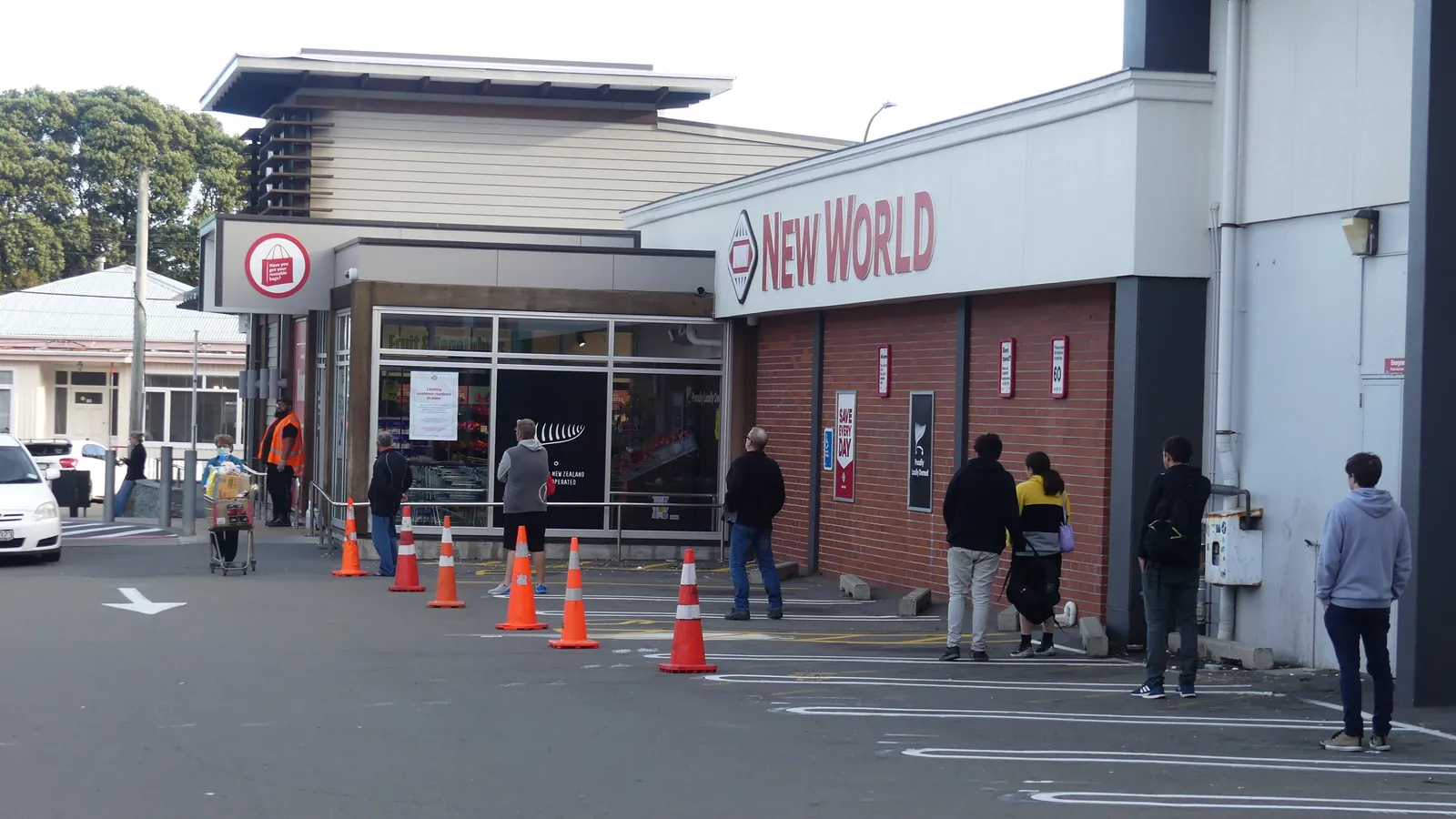
Retailers often struggle to understand in-store customer flow. People Detection can map movement patterns across aisles and departments, providing data to optimize store layout and staffing schedules.
retail
Transit Station Crowd Management
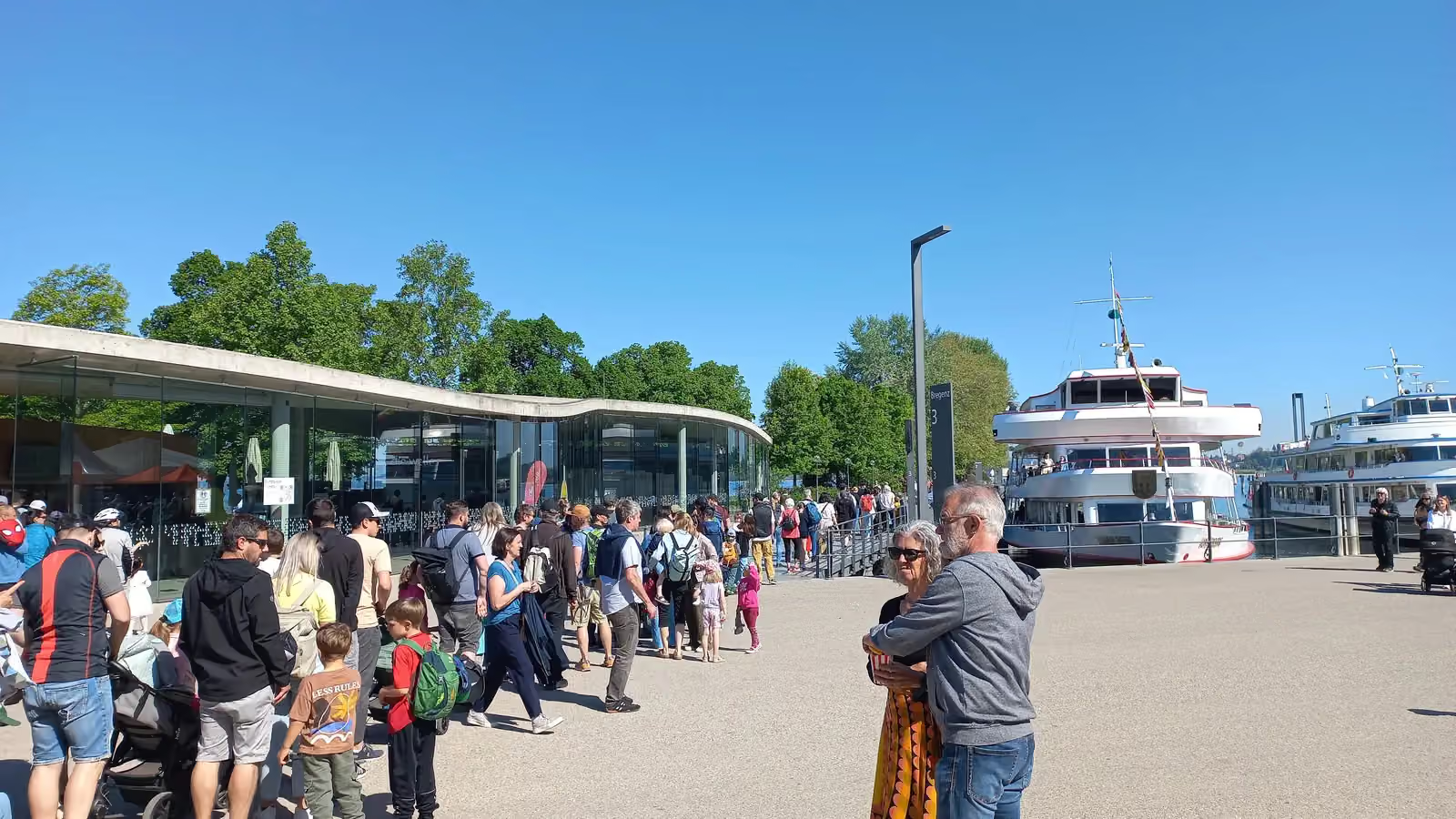
Transit authorities need to prevent dangerous overcrowding on platforms. Real-time density mapping can trigger alerts when platform occupancy approaches capacity, enabling proactive crowd control measures.
smart citytransportation
Workplace Occupancy Compliance
Facilities managers must maintain occupancy limits in conference rooms and open offices. Automated counting can provide live dashboards and historical reporting without manual check-ins.
corporatereal estate
Elder Care Fall Response
Falls in assisted-living facilities often go unnoticed for critical minutes. Fall detection can send alerts to on-duty staff, reducing response times from minutes to seconds.
healthcaresenior living
Event Venue Capacity Management
Large venues need to monitor entry rates and zone densities during events. Bidirectional counting and density mapping can ensure that no area exceeds safe capacity.
eventshospitality
Research Facility Access Monitoring
Laboratories require accurate records of who enters controlled areas and when. People Detection can provide timestamped entry/exit logs without requiring badge swipes at every threshold.
researchmanufacturing
License Plate Gate Access
The challenge
Gate access systems that rely solely on keycards or remotes are vulnerable to lost, shared, or cloned credentials.
How ConductVision helps
ConductVision can read license plates at gate approaches and match them against an authorized vehicle list. Gates can open automatically for recognized vehicles, and unrecognized plates can be logged with timestamps and images for security review.
logisticssmart cityreal estate
Facial Verification
The challenge
Badge-based access can be defeated by sharing or theft, and security desks cannot verify every individual during peak entry periods.
How ConductVision helps
The platform can perform opt-in facial verification at access points, matching entering individuals against an enrolled database. This adds a biometric layer to existing badge systems, and all processing can occur locally with no cloud transmission of biometric data.
healthcaremanufacturingsmart city
Badge and Credential Verification
The challenge
Visual verification of badges, permits, and credentials at checkpoints is slow and subjective, especially for temporary or contractor passes.
How ConductVision helps
ConductVision can read badge text, QR codes, and permit numbers using OCR, cross-referencing against active credential lists. Expired or invalid credentials can be flagged for review, reducing checkpoint processing time while improving accuracy.
constructionmanufacturinghealthcare
Tailgating Detection
The challenge
Tailgating through secured doors, where an unauthorized person follows an authorized badge holder, undermines the entire access control system.
How ConductVision helps
The platform can count the number of people passing through a door after each badge swipe. If more than one person enters on a single credential, the system can alert security with video evidence, deterring casual tailgating and identifying repeat offenders.
smart cityhealthcaremanufacturing
Visitor Management
The challenge
Tracking visitors through a facility after they pass the front desk is difficult, and ensuring they remain in authorized areas requires escort or honor-system compliance.
How ConductVision helps
ConductVision can track visitor movement through camera views, verifying that visitors remain in escorted or authorized zones. If a visitor enters a restricted area, the system can alert security with the visitor location and the nearest escort point.
healthcaremanufacturingsmart city