ConductVision Enterprise

Logistics

ConductVision counts forklifts, pallets, trucks and people across docks, yards and aisles, giving warehouse and transport teams loading counts and waiting times by door and hour.

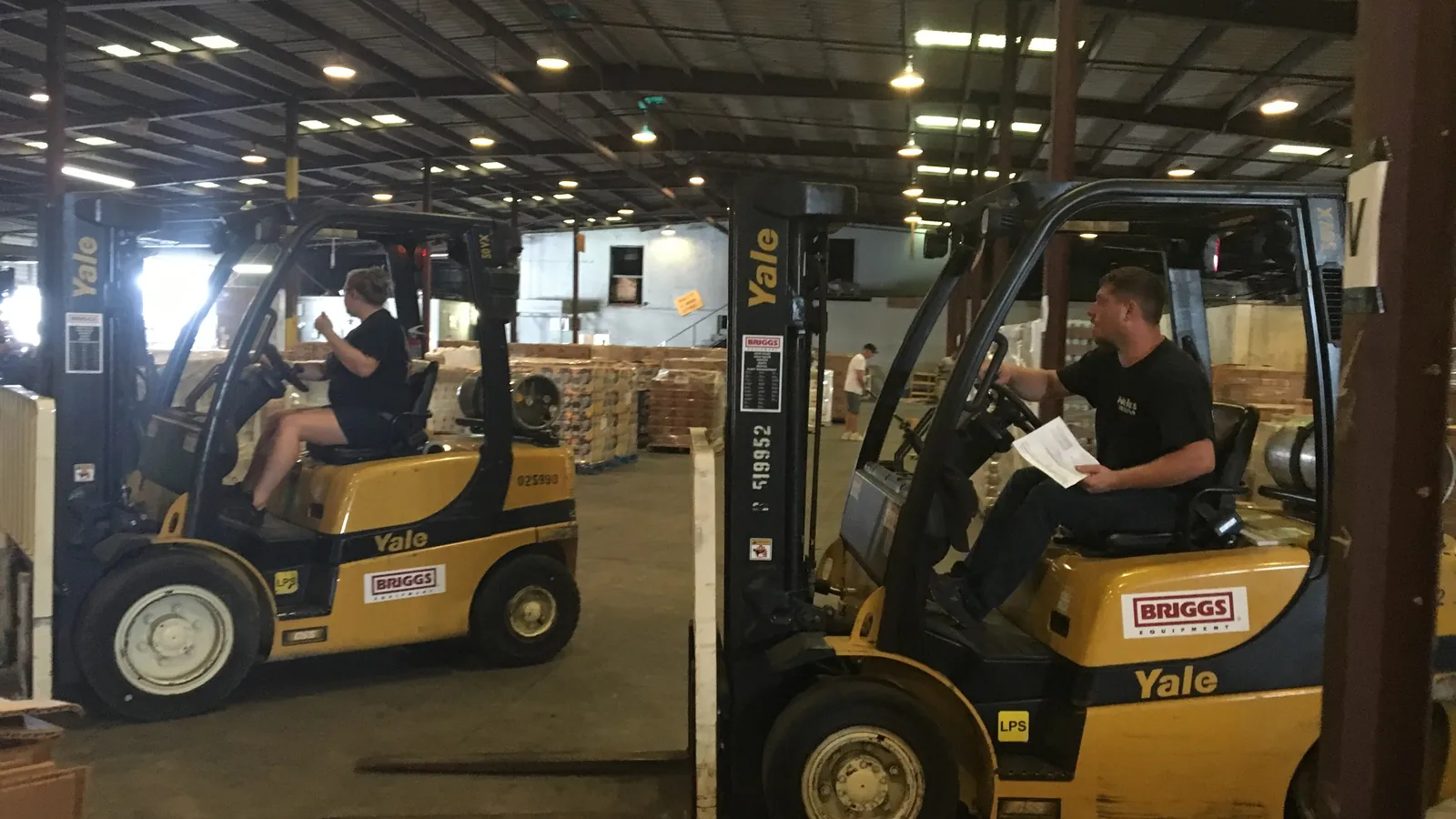
Two forklift operators driving through a warehouse in Baton Rouge, Louisiana, with a third worker in the aisle behind them; boxes mark both forklifts and all three people.5 detections
Warehouse floor in Baton Rouge
  • Forklift2
  • Person3

ConductVision detections on this photo. Photo: TLSuda, CC BY-SA 4.0, cropped.

Logistics networks operate under relentless pressure to move goods faster with fewer errors, yet warehouse and distribution center visibility remains surprisingly limited. Manual dock checks, barcode-dependent tracking, and reactive damage reporting create bottlenecks that compound across the supply chain. ConductVision's technology can layer computer vision onto existing facility cameras to provide continuous, barcode-independent tracking of containers, pallets, and personnel. Operators can gain real-time throughput dashboards, automated damage detection, and spatial analytics that reveal inefficiencies invisible to traditional WMS data.

Outcomes

What your team gets

Pallets counted onto each trailer

Loaders tally pallets by hand as a trailer fills, and the tally can disagree with the shipping order.

Short or over shipments surface only when the customer counts the delivery.

How
In a pilot, ConductVision counts the pallets carried through each dock door into a trailer.
You get
A pallet count per trailer, with the loading clip, to check against the shipping order.
Trucks waiting while doors stand idle

Trucks queue at the gate or in the yard while some dock doors stand empty.

Drivers wait, detention charges build, and the dock loses hours it had free.

How
ConductVision counts the trucks in the yard queue and at each door in every sampled frame.
You get
Yard queue and door use side by side by hour, showing when trucks waited while doors were free.

Forklift use by area

Fleet size and rental decisions rest on a manager's sense of how busy the forklifts are.

Sites rent extra forklifts for peaks they cannot measure, or run short at the dock.

How
ConductVision counts the forklifts in each area of the floor and tracks which ones are moving.
You get
Forklift counts and moving time per area and hour, to size the fleet for each shift.

Aisles kept clear

Pallets get dropped in aisles and cross-aisles to clear a dock fast.

Blocked aisles slow every pick route and push forklifts into walkways.

How
In a pilot, ConductVision flags pallets that stay in an aisle zone past the time limit for that aisle.
You get
A blocked-aisle log by aisle and hour, with a still of each pallet.

The challenge

Distribution centers lose hours daily to manual dock audits, mis-staged shipments, and damage discovered only at delivery. Forklift traffic conflicts and pedestrian near-misses in high-velocity environments remain difficult to quantify, making safety improvements reactive rather than systematic.

Our approach

ConductVision can provide continuous visual monitoring of dock doors, staging lanes, and aisle traffic. Container and pallet movement can be tracked without barcode dependency, forklift-pedestrian proximity alerts can reduce near-miss events, and package damage can be flagged at the point of origin rather than the point of complaint.

What the model sees

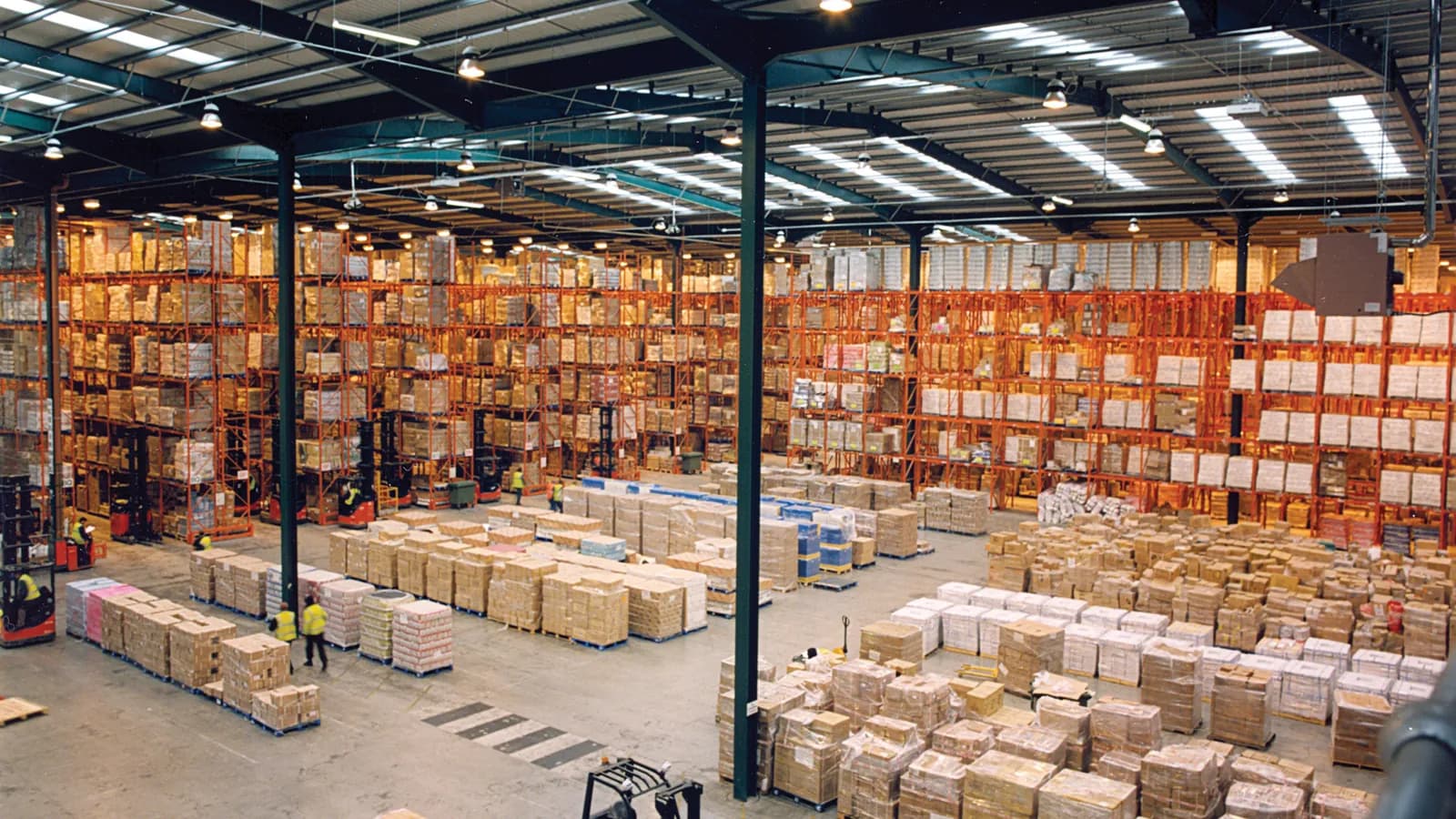
Detections in two more settings

An elevated view across a large warehouse with tall orange pallet racking and rows of stacked goods; boxes mark six workers on the floor.
Distribution warehouse with pallet racking
  • Person6

ConductVision detections on this photo. Photo: Axisadman, CC BY-SA 3.0, cropped.

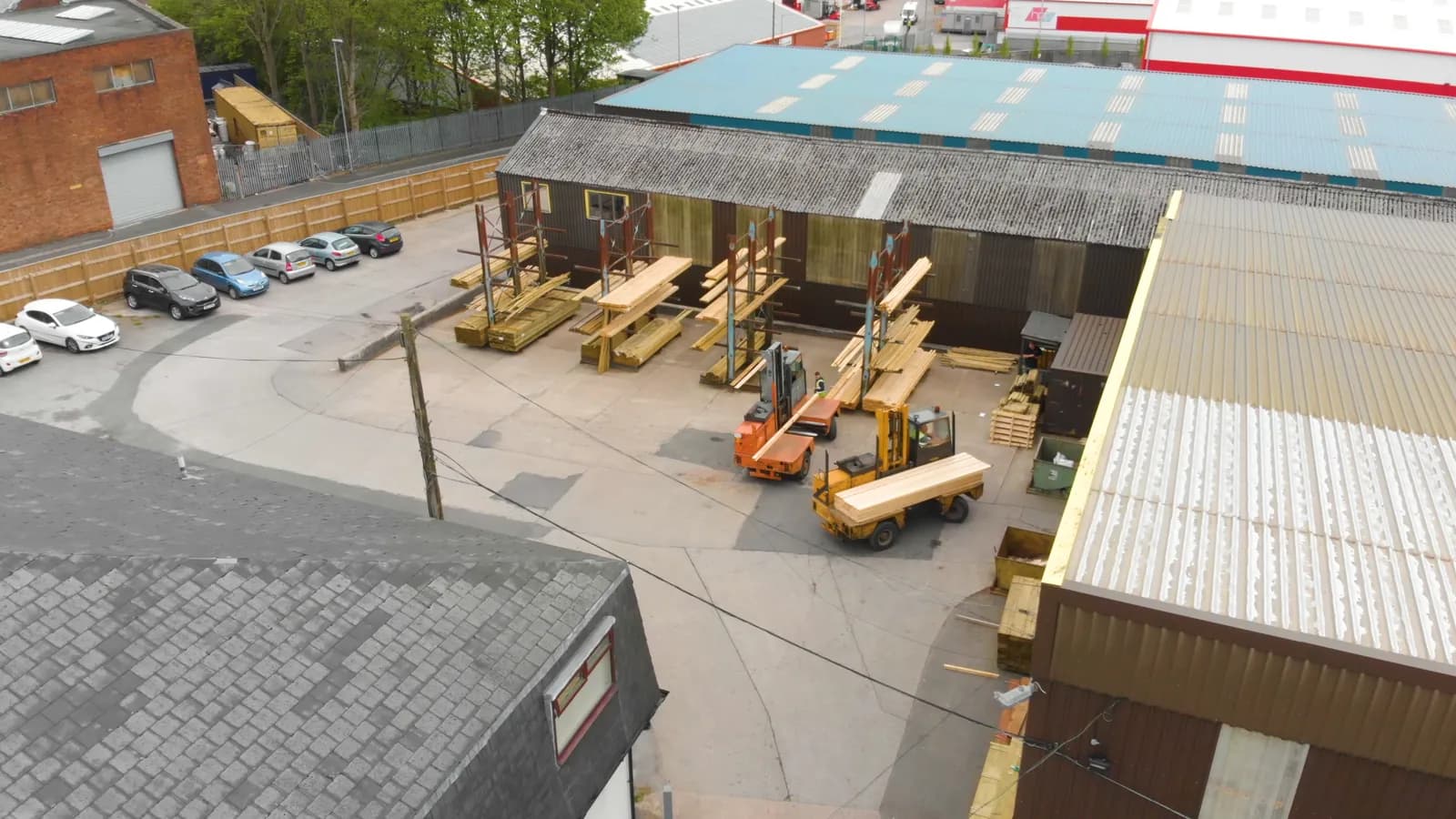
An elevated view of a timber merchant's yard where sideloader forklifts move timber between storage racks; boxes mark one forklift and two workers.
Timber yard loading area
  • Forklift1
  • Person2

ConductVision detections on this photo. Photo: GeorgeHillTimber, CC BY-SA 4.0, cropped.

Endpoints

What a pilot measures

Each endpoint is defined before the pilot starts, with what is counted, its unit and how the results are broken down.

What a pilot measures
PrimaryPallet count matchShare of loaded trailers whose ConductVision pallet count equals the count on the shipping order.Unit:%By:Dock door, shift
SecondaryYard wait timeMinutes from a truck joining the yard queue to it reaching a dock door.Unit:minutes (median)By:Hour, weekday
Idle doors with a queueMinutes a dock door stands empty while at least one truck waits in the yard queue.Unit:minutes per dayBy:Door
Forklift moving timeShare of forklift sightings in sampled frames in which the forklift is moving.Unit:%By:Area, shift
Blocked-aisle minutesMinutes a pallet stays in an aisle zone past the limit for that aisle, summed per day.Unit:minutes per dayBy:Aisle

How we check the model

Each pilot measures ConductVision on your own footage against a sample checked by hand, before anyone relies on its numbers.

  • Pallet count agreement

    Difference between the ConductVision pallet count and a reviewer's count from the same loading clips.

    pallets per trailer (mean absolute difference) · by dock door

  • Forklift precision

    Share of forklift boxes a reviewer confirms in a hand-checked sample of frames.

    % · by camera

  • Missed pallets

    Share of pallets a reviewer marks in sampled frames that ConductVision did not box.

    % · by camera, wrapped or bare load

Use cases

Where teams put it to work

Container and Pallet Tracking

Overhead cameras can identify and track containers and pallets as they move between zones without relying on barcode scans. This can close visibility gaps where items are between scan points and flag mis-staged shipments in real time.

Dock Door Management

Vision models can monitor trailer arrival, door assignment, loading progress, and departure timestamps. Dwell time analytics can identify bottlenecks and enable dispatchers to optimize door allocation dynamically.

Package Damage Detection

Cameras at conveyor transitions and loading zones can detect crushed corners, torn packaging, and deformed boxes. Flagged items can be diverted before shipment, and damage origin points logged for root-cause analysis.

Forklift Traffic Safety

Proximity detection can identify forklift-pedestrian near-miss events and intersection conflicts in real time. Historical heatmaps can reveal chronic danger zones, informing layout changes and traffic pattern redesigns.

Inventory Zone Monitoring

Cameras can verify that pallets are placed in assigned zones, detect overflow conditions, and confirm pick-face replenishment. Discrepancies can trigger alerts to warehouse management systems before they cascade into order errors.

Systems it connects to

  • Warehouse Management Systems (WMS)
  • Transportation Management Systems (TMS)
  • ERP Platforms (SAP, Oracle)
  • Yard Management Systems
  • Conveyor and Sortation Controllers

Pilot

Scope a logistics pilot

Tell us about your sites and cameras, and a ConductVision engineer replies with a scoping plan built around the endpoints above.