ConductVision Enterprise

PPE Detection

Verify hard hats, vests, goggles, gloves, and respiratory protection, automatically, continuously. Available for pilot.

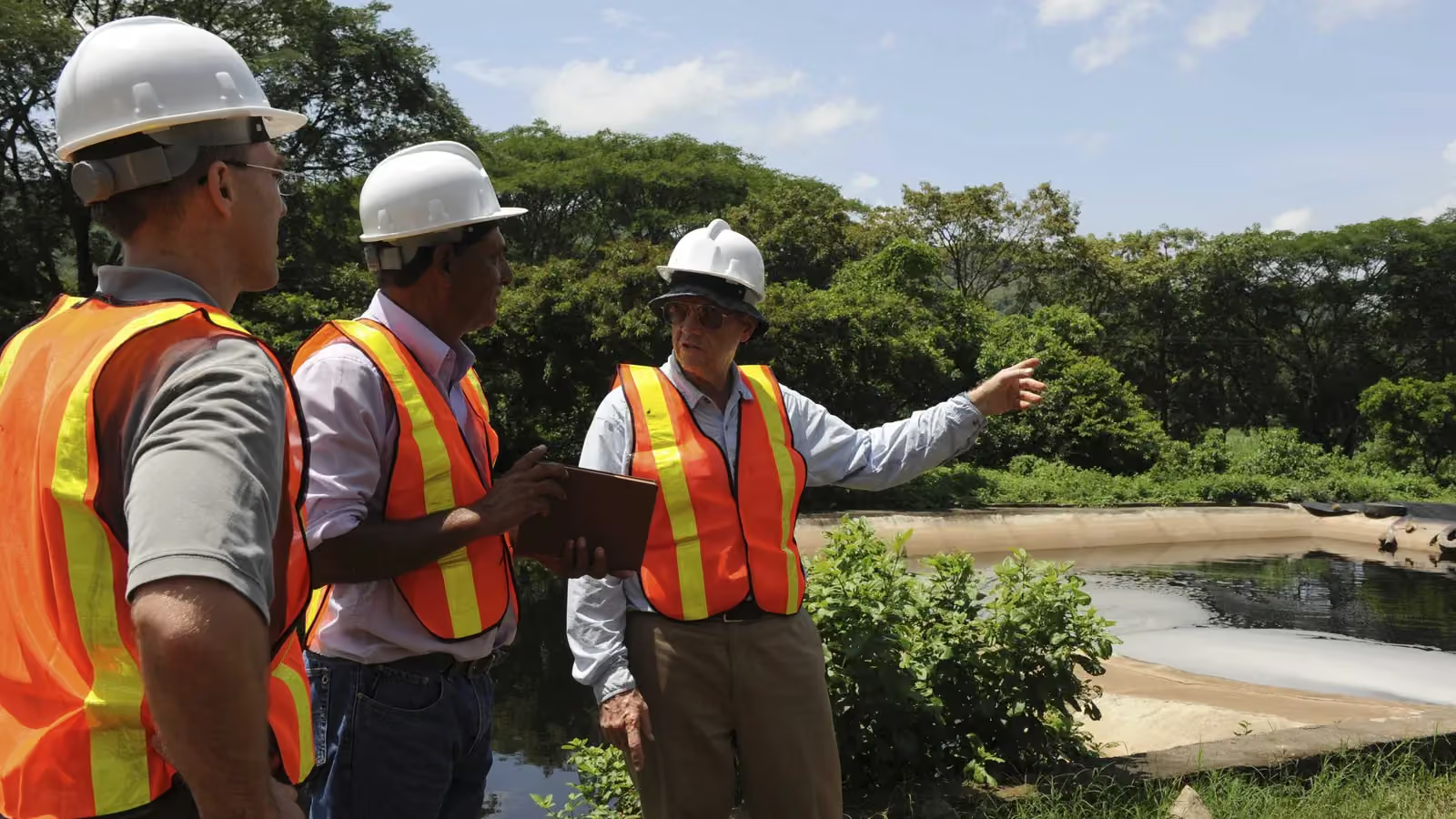
Example ppe detection scene with an illustrative detection overlay
Illustrative detection overlay, drawn for demonstration. Not model output.

PPE Detection is designed to monitor workers in real time to verify that required personal protective equipment is being worn. The system identifies hard hats, high-visibility vests, safety goggles, gloves, and respiratory protection across multiple camera feeds simultaneously. Rather than relying on periodic manual inspections, continuous monitoring can catch the moment equipment is removed or forgotten. The platform supports custom PPE types through transfer learning, accommodating site-specific requirements. It is built for environments subject to occupational safety standards.

How it works

PPE Detection in three steps

Connect

Connect Site Cameras

Use existing site surveillance cameras or add purpose-mounted cameras at entry gates, work zones, and high-risk areas. The system works with any IP camera delivering at least 720p resolution.

Analyze

Detect Workers and Equipment

The model simultaneously detects workers and the PPE items they are (or are not) wearing. Each person is assessed against the zone-specific PPE requirements configured for that camera view.

Act

Alert on Non-Compliance

When a worker enters a zone without required PPE, the system sends an alert to the safety supervisor with a snapshot and the specific items missing. All compliance events are logged for reporting.

Features

Hard Hat Detection

Detects the presence or absence of hard hats on workers, distinguishing between proper wearing, improper wearing (tilted/backward), and absence.

High-Visibility Vest Detection

Identifies high-vis vests and jackets, including color classification (orange, yellow, green) to verify the correct vest type for the work zone.

Safety Goggle and Face Shield Detection

Verifies eye protection is worn in designated areas. Designed for cameras with at least 1080p resolution at typical mounting distances.

Glove Detection

Identifies whether workers are wearing gloves when handling materials or operating equipment. Best performance with cameras positioned to capture hand and arm regions.

Respiratory Protection Detection

Detects N95 masks, half-face respirators, and full-face respirators. Distinguishes between proper fit and mask-below-nose conditions.

Zone-Based PPE Rules

Configure different PPE requirements for different zones within a site. A warehouse aisle may require only vests, while a welding bay requires full face shield, gloves, and apron.

Custom PPE Training

Train the system to recognize site-specific PPE items (fall harnesses, hearing protection, specific aprons) using a small annotated image set via transfer learning.

Compliance Reporting Dashboard

Daily, weekly, and monthly compliance rates by zone, shift, and PPE type. Exportable reports support safety audit documentation.

What we detect

Six classes of protection, continuously verified

The system goes beyond simple presence checks. Each PPE type is verified for correct wearing, proper fit, and zone-appropriate selection, catching the real-world compliance gaps that periodic inspections miss.

Hard Hat

Properly wornImproper (tilted/backward)Absent

The system verifies the hat is actually on the worker’s head and worn correctly. A hat tilted backward, carried in hand, or sitting on a shelf won’t count as compliant. This catches the most common hard hat violations that manual inspections miss: workers who tilt their hats back for comfort or remove them the moment a supervisor walks away.

Catches PPE worn incorrectly as well as PPE that is missing, the violations manual checks miss most often.

High-Visibility Vest

Present (with color ID)Open / unfastenedAbsent

Different zones often require different vest colors, orange for ground crews, green for visitors, yellow for operators. The system verifies that the vest is the right color for the zone and actually fastened. Workers who leave vests hanging open or grab the wrong color from the rack are flagged before they enter a restricted area.

Verifies the right vest color for each zone, beyond simple presence.

Safety Goggles & Face Shield

Worn over eyesPushed up on foreheadAbsent

Eye protection pushed up on the forehead is one of the most common compliance gaps, technically present but offering zero protection. The system distinguishes goggles properly covering the eyes from goggles resting on the forehead, and can tell safety goggles from regular glasses or sunglasses. Works reliably from standard ceiling-mounted cameras.

Catches the “goggles on forehead” gap that passes every manual walkthrough.

Gloves

Both handsOne hand onlyAbsent

The system checks both hands independently, catching workers who remove one glove to use a phone or handle paperwork while still in a glove-required zone. It works even when hands are partially hidden by tools or materials, and distinguishes between different glove types to verify workers are wearing the right protection for their task.

Checks each hand independently, catches single-glove shortcuts.

Respiratory Protection

Properly fittedBelow nose (improper)Absent

A respirator worn below the nose provides zero protection, but it’s the single most common mask-wearing violation. The system detects whether respiratory protection is properly covering both nose and mouth, and distinguishes between N95 masks, half-face respirators, and full-face units to verify the right level of protection for each hazard zone.

Detects mask-below-nose, the most common and most dangerous respirator violation.

Custom PPE

Defined per your site

Every site has unique requirements, fall harnesses at height, hearing protection near heavy machinery, specific aprons in welding bays. Rather than forcing you into a fixed set of detectable items, the system can be trained to recognize your site-specific PPE. We work with your safety team to identify the items that matter most, then train detection from your own reference images.

Your site, your rules, trained on the specific equipment your workers need.

Use cases

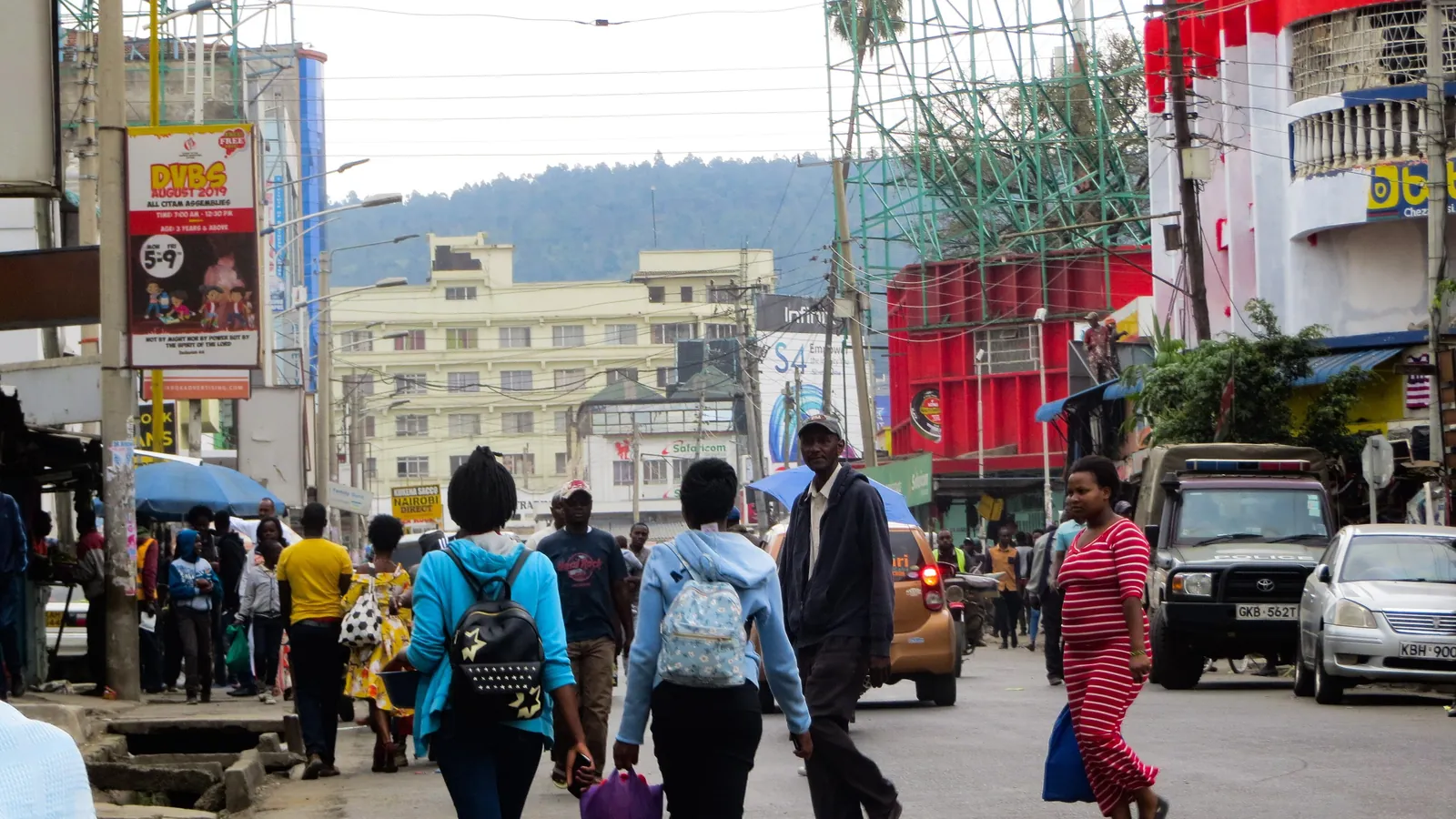
Construction Site Safety

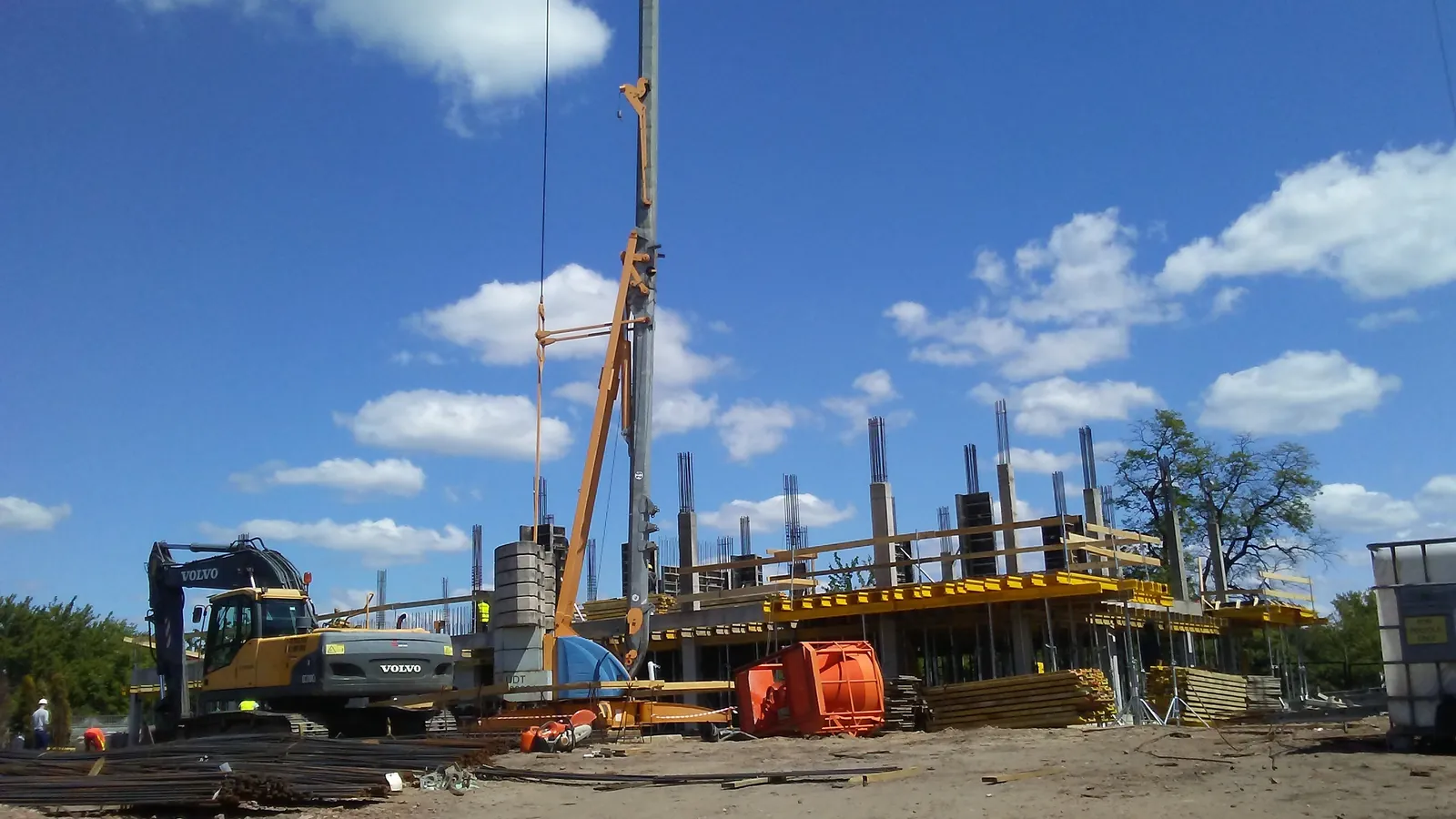
Construction sites have varying PPE requirements across zones and trades. Continuous monitoring can ensure that workers wear the correct equipment as they move between different risk areas.

construction

Manufacturing Floor Compliance

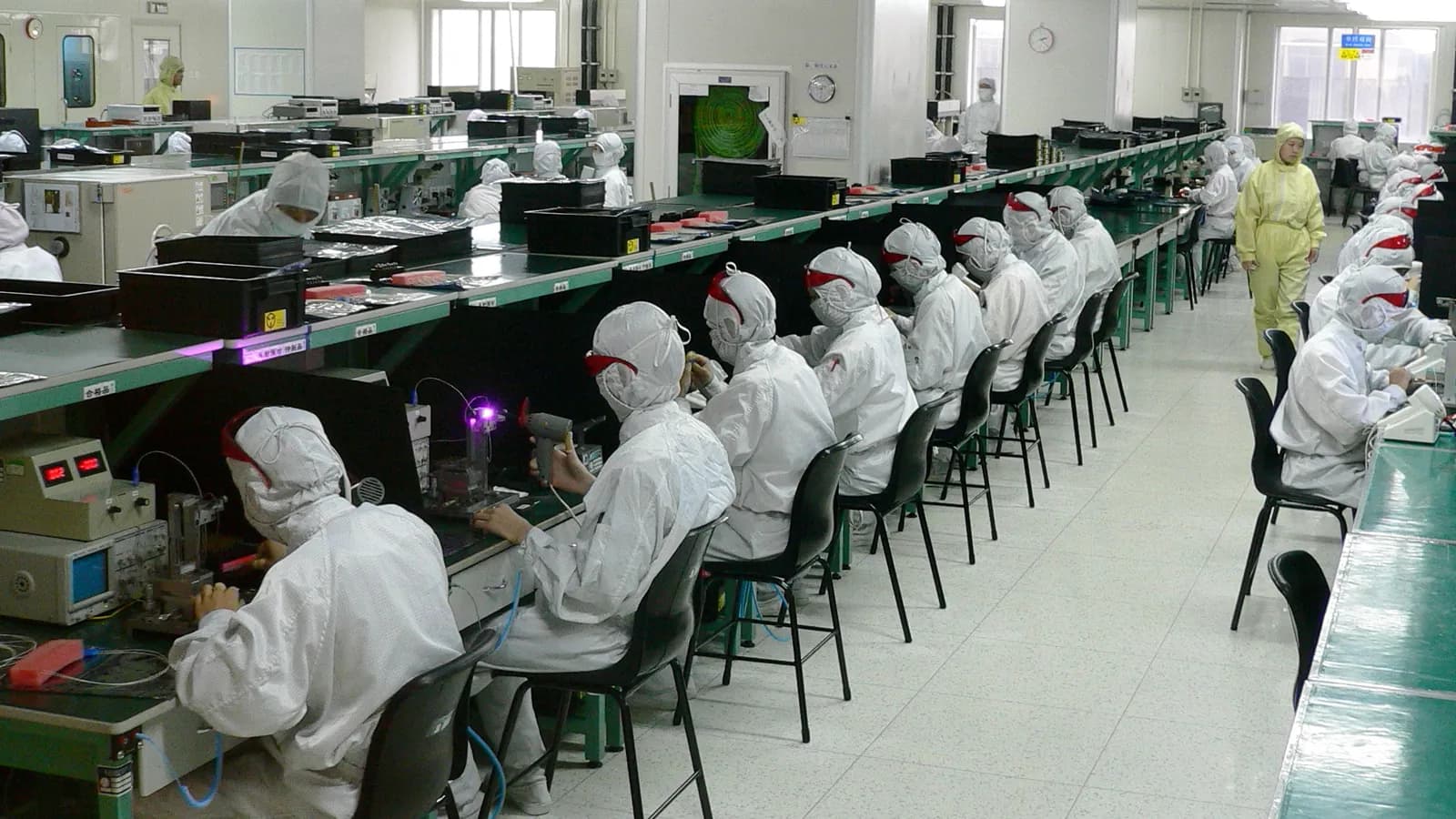
Factory floors require specific PPE near machines, chemical storage, and assembly areas. Automated detection can catch workers who forget to don required equipment after breaks.

manufacturing

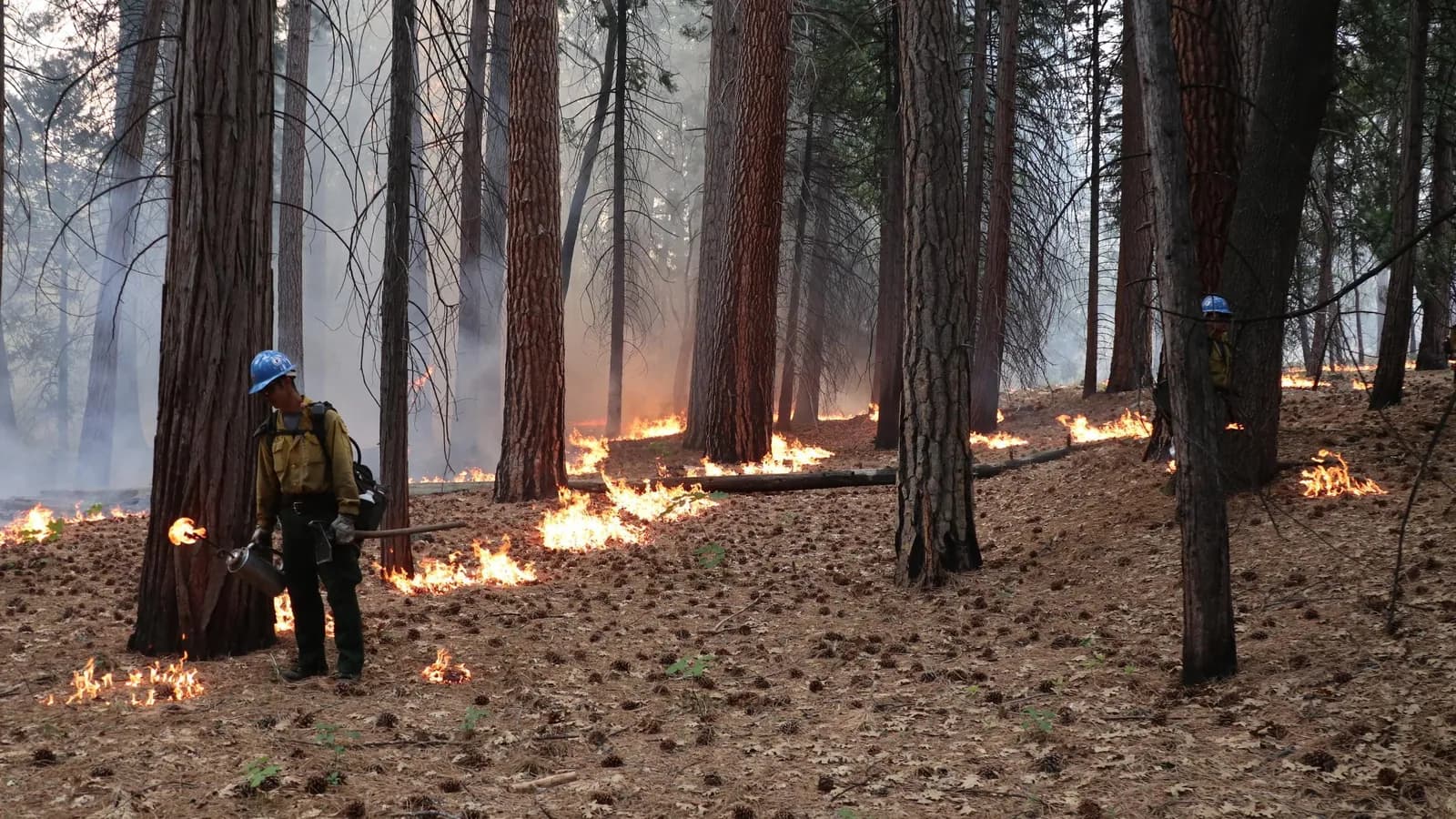
Oil and Gas Operations

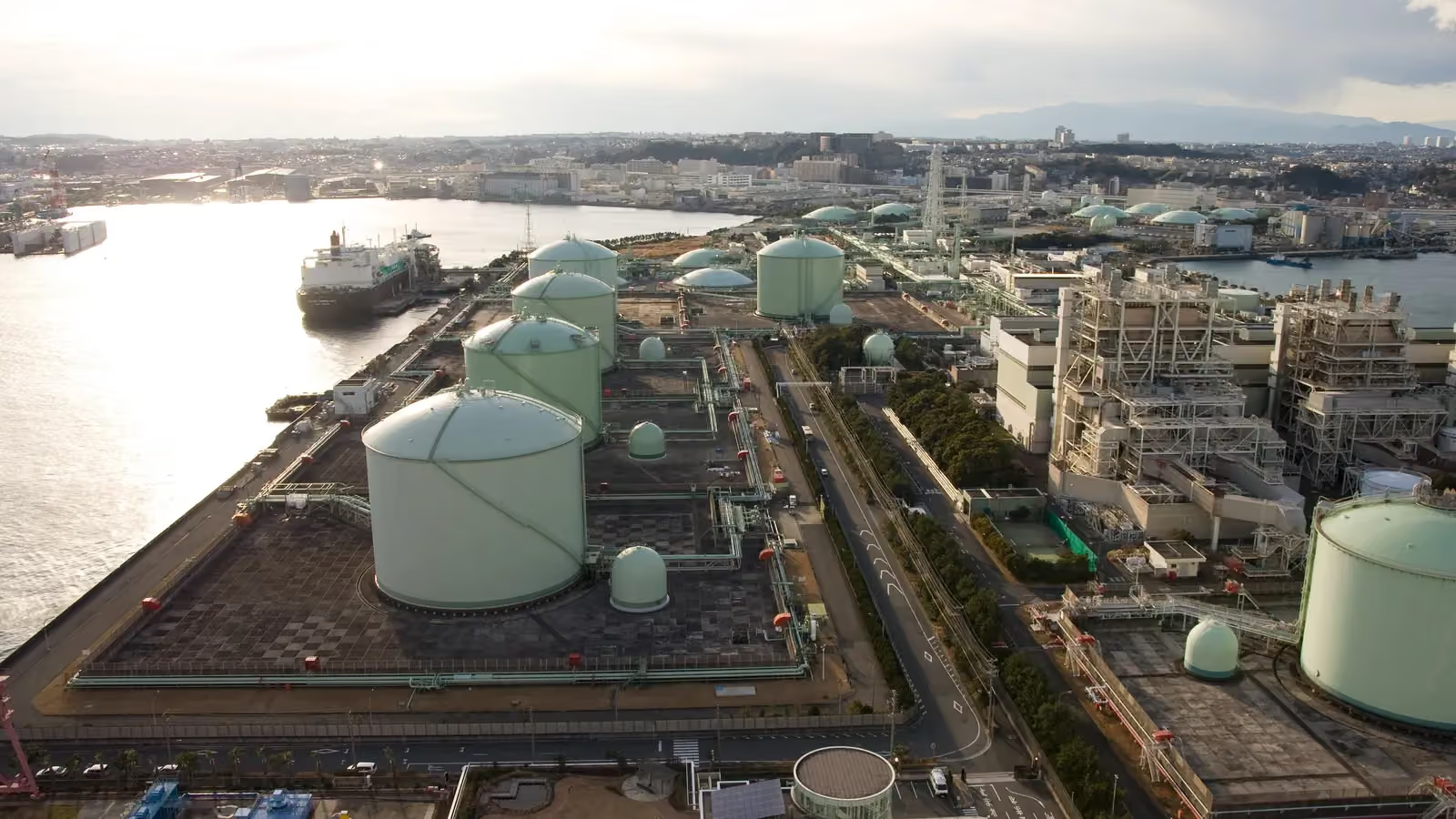
Refineries and drilling sites have strict PPE requirements that vary by hazard zone. Camera-based monitoring can supplement manual safety patrols in hard-to-access areas.

energychemical

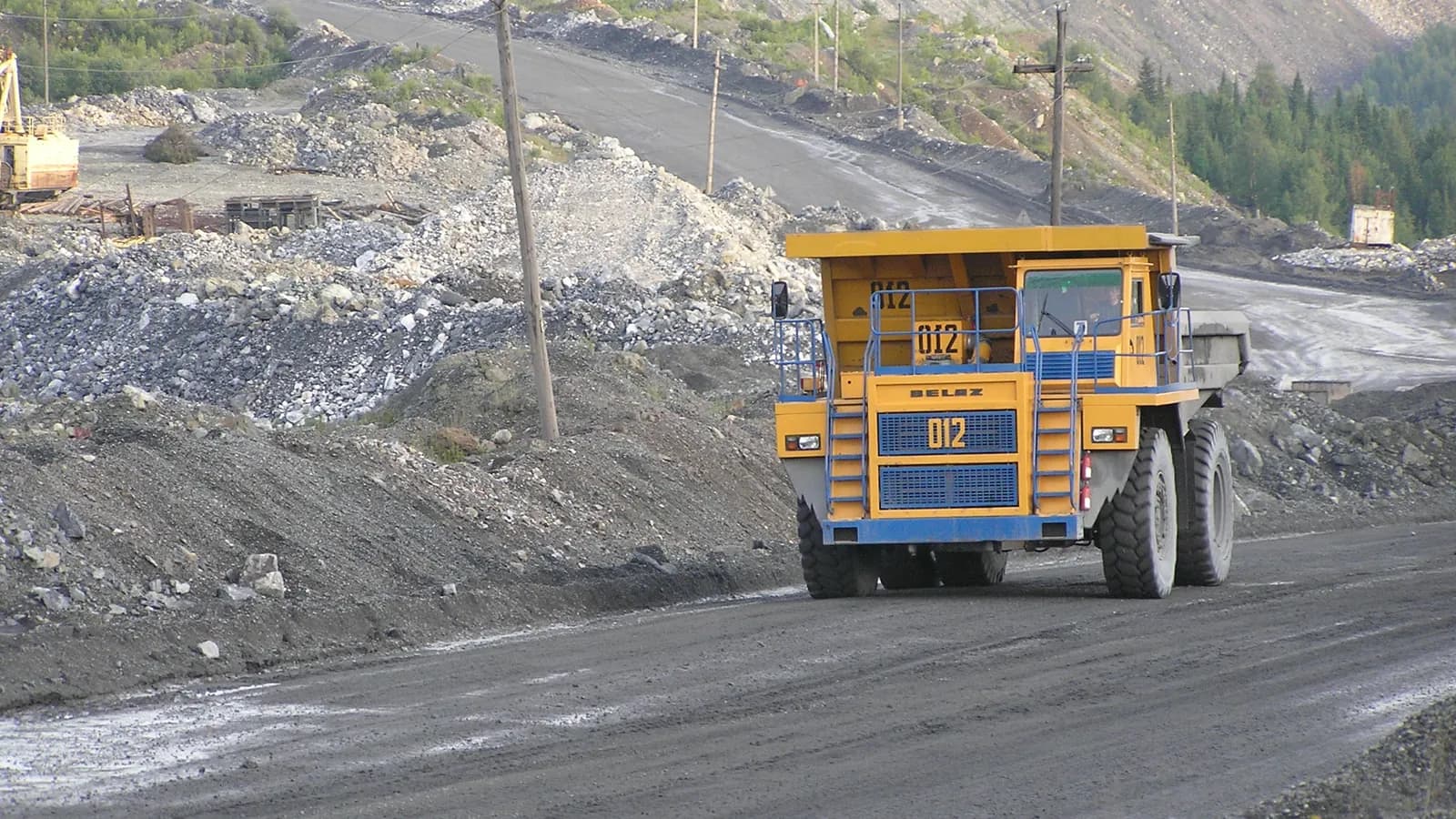
Mining Operations

Underground and open-pit mines require continuous PPE monitoring in environments where conditions change rapidly. The system is designed to operate under challenging lighting and dust conditions.

mining

Food Processing Hygiene

Food facilities require hairnets, gloves, and sometimes face shields in processing areas. Detection can ensure hygiene compliance is maintained throughout production shifts.

food processingmanufacturing

Laboratory Safety

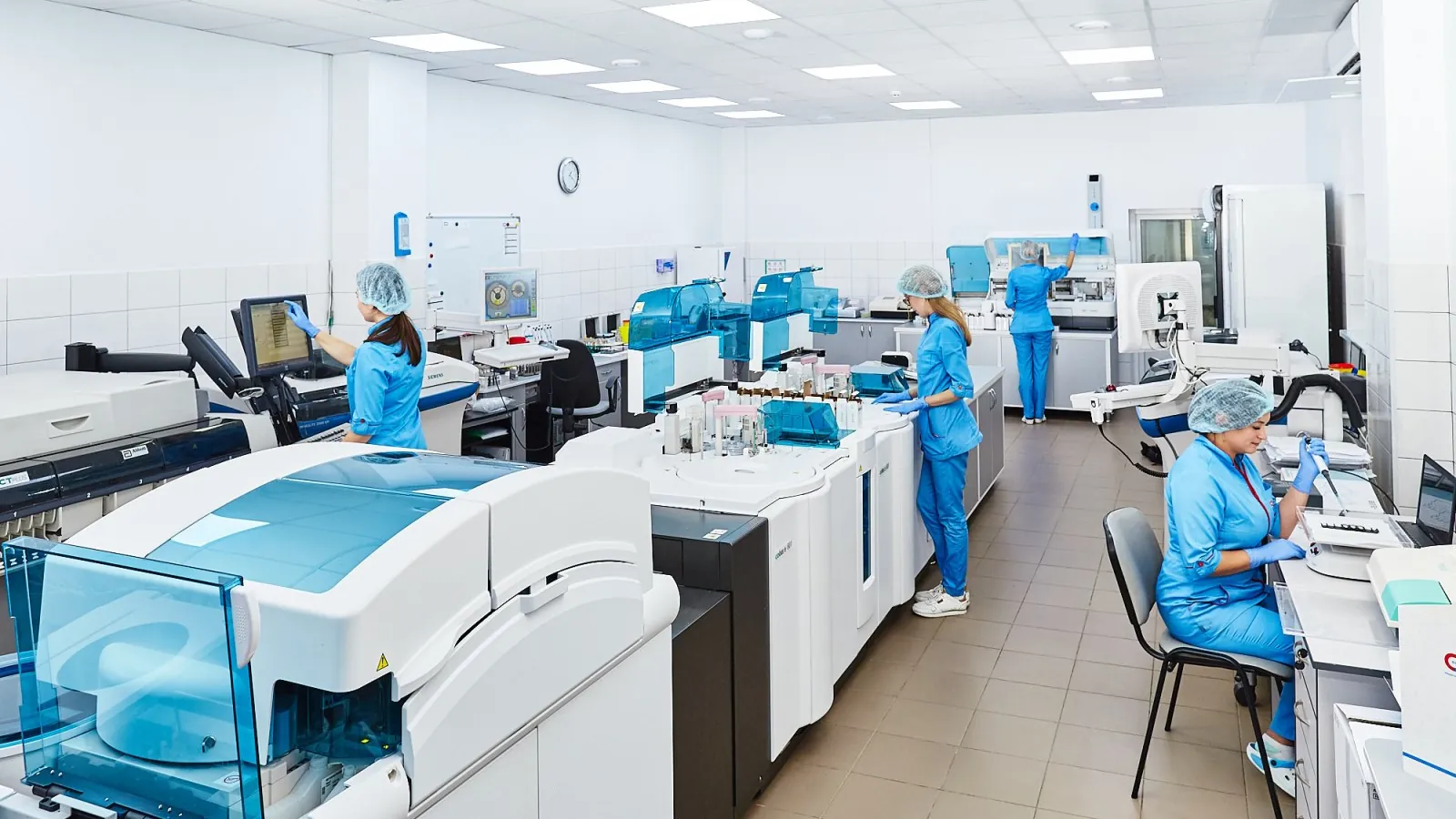
Research laboratories require goggles, gloves, and lab coats in specific areas. Automated monitoring can support laboratory safety officers in maintaining compliance with institutional protocols.

researchpharma

PPE Compliance Monitoring

The challenge: Manual PPE spot-checks are infrequent and inconsistent, leaving gaps where workers operate without required protective equipment.

How ConductVision helps: ConductVision can continuously verify that workers are wearing required PPE such as hard hats, high-visibility vests, safety goggles, and gloves. Non-compliance can trigger real-time alerts to supervisors, and violation trends can be aggregated into compliance dashboards for management review.

constructionmanufacturingoil gas

Slip, Trip, and Fall Detection

The challenge: Falls are among the leading causes of workplace injury, yet they often go unnoticed for minutes, delaying medical response.

How ConductVision helps: The platform can detect sudden postural changes consistent with falls and immediately alert safety personnel. Response time data can be logged automatically, and recurring fall locations can be flagged so environmental hazards like wet floors or uneven surfaces can be addressed proactively.

manufacturinglogisticshealthcare

Hazardous Zone Monitoring

The challenge: Workers sometimes enter dangerous areas around heavy machinery, chemical storage, or high-voltage equipment without following lockout/tagout procedures.

How ConductVision helps: ConductVision can define virtual exclusion zones around hazardous areas. When a person enters a zone during restricted periods or without required PPE, the system can generate alerts and trigger local alarms to warn the worker directly.

manufacturingconstructionoil gas

Forklift Safety

The challenge: Forklifts operating in pedestrian areas create collision risks, and near-miss incidents frequently go unreported.

How ConductVision helps: The platform can track forklift and pedestrian positions simultaneously, identifying converging paths and near-miss events. Alerts can notify operators and warehouse managers of dangerous proximity, while historical data can reveal high-risk zones that benefit from layout changes or traffic controls.

logisticsmanufacturingretail

Confined Space Monitoring

The challenge: Work in confined spaces like tanks, silos, and utility vaults carries elevated risks, and rescue teams need immediate notification if a worker becomes incapacitated.

How ConductVision helps: ConductVision can monitor confined space entry points, tracking the number of workers inside and detecting signs of distress or prolonged inactivity. If a worker collapses or fails to exit within the expected timeframe, the system can alert rescue personnel with the exact entry point and elapsed time.

constructionoil gasinfrastructure

Ergonomic Risk Assessment

The challenge: Repetitive strain injuries develop gradually and are difficult to identify through periodic ergonomic audits alone.

How ConductVision helps: The platform can analyze worker posture and repetitive motions over time, identifying roles and workstations with elevated ergonomic risk. This data can help safety teams redesign workflows, adjust equipment heights, and rotate workers through tasks to reduce cumulative strain.

manufacturinglogisticshealthcare

Fire Prevention Monitoring

The challenge: Industrial fires can start from hot work, electrical faults, or chemical reactions, and traditional smoke detectors may respond too slowly in large open spaces.

How ConductVision helps: ConductVision can flag visible smoke and flame signatures for review, including in high-bay environments where ceiling-mounted sensors are hard to place. The system can pinpoint the fire location on facility maps and trigger alerts before conditions become life-threatening.

manufacturingconstructionlogistics

Emergency Evacuation Monitoring

The challenge: During evacuations, safety officers lack real-time visibility into whether all areas have been cleared and where bottlenecks are forming.

How ConductVision helps: The platform can track evacuation flow in real time, identifying areas where people remain and exit routes that are congested. Safety coordinators can see a live overview that enables them to redirect evacuees and confirm all zones are clear before declaring the facility safe.

manufacturingconstructionhealthcare
Adaptive intelligence

A system that gets smarter at your site

01

Equipment Condition Monitoring

The gap

A cracked hard hat, a vest with faded reflective strips, or goggles with a scratched lens all pass a presence check, but they’re not providing proper protection. Traditional systems can’t tell the difference between functional and degraded equipment.

How we close it

The system learns what properly maintained equipment looks like and flags items that appear damaged, degraded, or worn beyond their effective life. Your safety team gets an early alert to replace equipment before it fails, turning PPE detection into a proactive maintenance tool.

Catches equipment condition issues invisible to presence-only checks.

02

Automatic PPE Inventory

The gap

When deploying to a new site, someone has to catalog every type of PPE in use before the system can be configured. On large sites with multiple zones, trades, and contractors, this inventory process is slow and always incomplete.

How we close it

The system observes your site and automatically groups workers by the equipment they’re wearing. Your safety team reviews the groups and names them, instead of manually cataloging every PPE type, you confirm what the system has already found. Weeks of setup compressed into hours.

Deploys faster by discovering what PPE exists on your site automatically.

03

Works in Your Environment

The gap

Your site doesn’t look like a training dataset. Underground mines have sodium lighting, outdoor construction has weather glare, food processing has steam. A system trained on clean, well-lit imagery can struggle in real conditions.

How we close it

Before going live, the system studies your site’s specific conditions, lighting, backgrounds, camera angles, typical worker appearances, using your existing camera feeds. It’s adapted to your environment before the first compliance check runs, not after weeks of false alarms.

Adapted to your lighting, cameras, and conditions before the first alert fires.

04

Compliance Trend Analysis

The gap

Spot checks tell you compliance at one moment. They don’t reveal patterns, like the crew that removes goggles after lunch, or the zone where vest compliance drops every Friday afternoon.

How we close it

Continuous monitoring builds compliance profiles by zone, shift, crew, and time of day. The system surfaces recurring patterns and anomalies automatically, so your safety team can address root causes behind individual violations.

Turns individual violations into actionable compliance trends by zone, shift, and time.

05

Early Warning for New Situations

The gap

Regulations change, new hazards appear, and PPE requirements evolve. A fixed system only detects what it was originally configured for, everything else is a blind spot.

How we close it

The system maintains an awareness of what “normal” looks like across your site. When something changes, workers suddenly wearing unfamiliar equipment, or behavior patterns shifting in a zone, it raises an alert so your team can investigate before a new situation becomes a compliance gap.

Alerts your team when something changes, even before the system knows what it is.

Technical overview

Models
YOLOv8 multi-label detector with PPE-specific training on 500K+ annotated construction and industrial images
Input formats
RTSP, ONVIF, MP4, HLS
Output formats
JSON, MQTT, Webhooks, CSV compliance reports, PDF audit reports
Edge support
NVIDIA Jetson, ruggedized field units, mine-safe enclosures available

Accuracy and latency are measured against your footage and cameras during pilot scoping; we publish figures only with the conditions they were measured under.

Evaluate PPE Detection on your footage

One prioritized outcome, your cameras, a structured results review.