ConductVision Enterprise

Hospitality & Tourism

In a pilot, ConductVision flags guest falls, times bags waiting at the curb and counts elevator lobby crowds for hotel and resort operations teams.

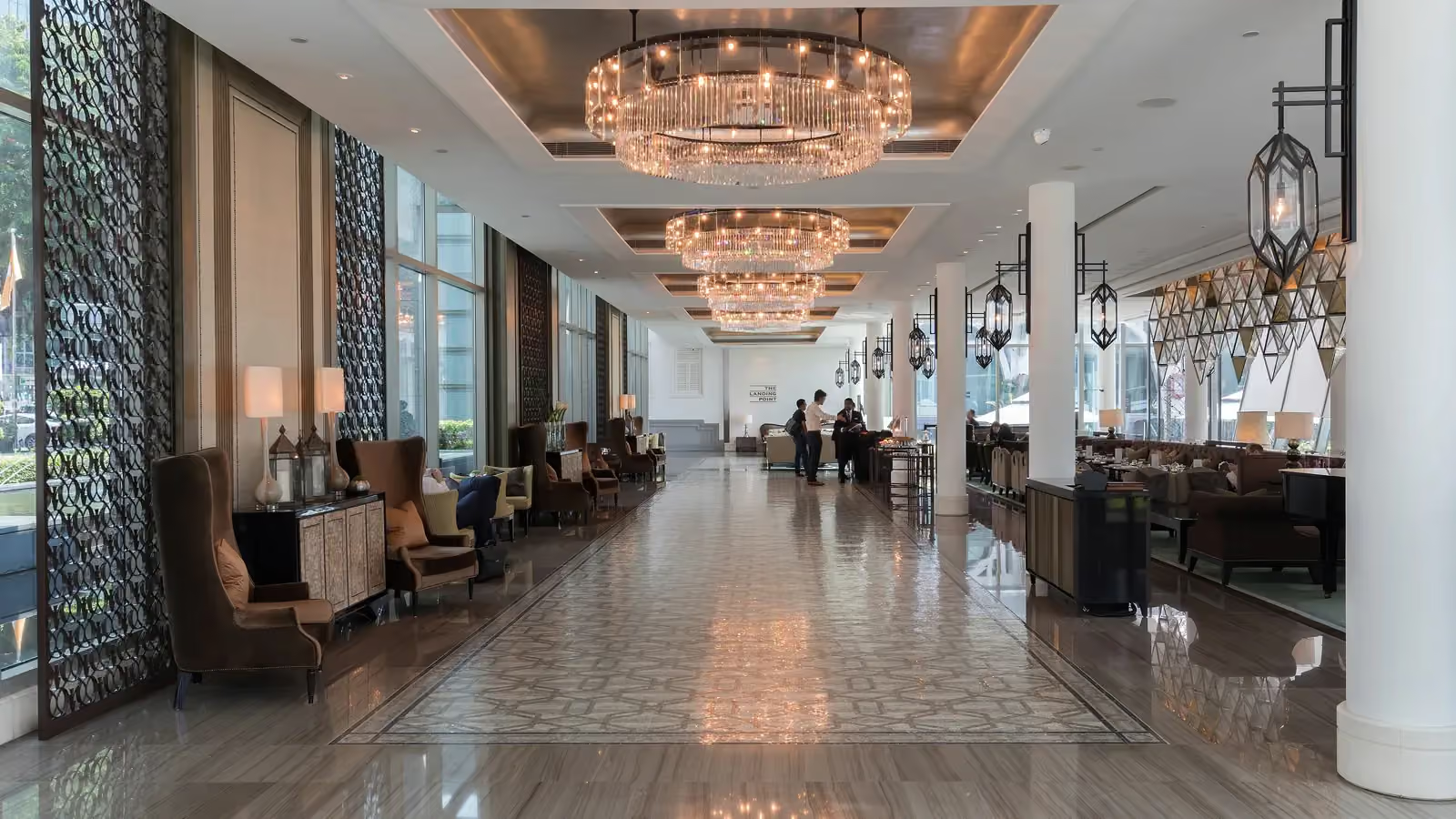
Armchairs line a long hotel lobby lounge under crystal chandeliers as guests gather at the far end; boxes mark 8 chairs and 6 people.14 detections
Hotel lobby lounge in Singapore
  • Chair8
  • Person6

ConductVision detections on this photo. Photo: Basile Morin, CC BY-SA 4.0, cropped.

Hotels, resorts, and tourism venues manage complex environments where guest safety, operational efficiency, and experience quality must be balanced simultaneously. Pool and beach areas require constant lifeguard vigilance, lobbies and event spaces experience unpredictable traffic surges, and expansive resort properties present security challenges that fixed guard patrols cannot fully cover. ConductVision's technology can provide discreet visual analytics that enhance guest safety and operational efficiency without compromising the hospitality atmosphere. Pool and water safety monitoring, lobby flow optimization, event space management, and property security can operate continuously from existing camera infrastructure.

Outcomes

What your team gets

Falls on decks and stairs

Guests slip on pool decks, stairs and wet lobby floors, often with no staff member nearby.

A fall found late means a slower response and an incident report pieced together from memory.

How
In a pilot, ConductVision flags a person who falls and stays down in a camera view.
You get
An alert with the clip and location for each fall, plus a log of where falls happen most.
Bags waiting at the curb

Guests' bags wait at the curb and bell stand at check-in and checkout peaks.

Bags that wait too long leave guests standing in the lobby and pile up at the entrance.

How
ConductVision counts the suitcases at the curb and bell stand and times how long each one waits.
You get
Bag counts and wait times by hour, for porter scheduling.

Elevator lobby waits at checkout

Guests wait for elevators with their bags during checkout and event peaks.

Long elevator waits make guests late for checkout and crowd the floor lobbies.

How
ConductVision counts the people waiting in each elevator lobby view through the day.
You get
Peak waiting counts per floor and hour, for elevator service settings and staffing.

The challenge

Hospitality properties must maintain a welcoming atmosphere while ensuring guest safety across pools, beaches, parking areas, and sprawling resort grounds. Lifeguard attention degrades over long shifts, lobby overcrowding during check-in peaks creates poor first impressions, and large event venues struggle with capacity management. Traditional security camera systems capture footage but generate actionable intelligence only after incidents occur.

Our approach

ConductVision can analyze pool and beach camera feeds to detect distress behavior and drowning indicators in real time, providing lifeguard teams with an additional alerting layer. Lobby cameras can monitor queue lengths and traffic flow to trigger staffing adjustments. Property-wide cameras can provide integrated security monitoring with anomaly detection tuned to hospitality environments.

What the model sees

Detections in two more settings

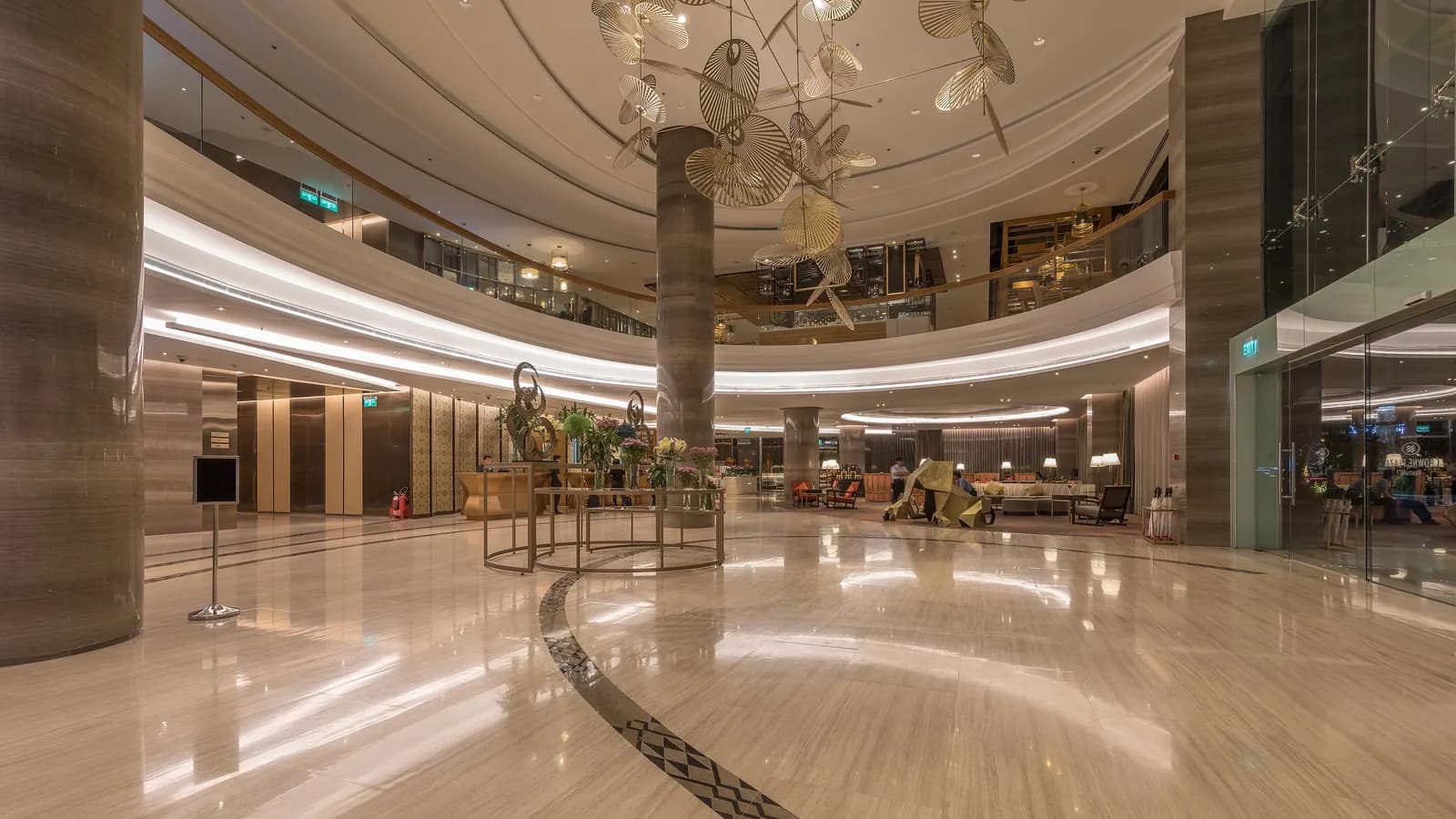
A round marble hotel lobby with a large sculpture and lounge seating; boxes mark 2 chairs and 2 people.
Hotel lobby in Vientiane
  • Chair2
  • Person2

ConductVision detections on this photo. Photo: Basile Morin, CC BY-SA 4.0, cropped.

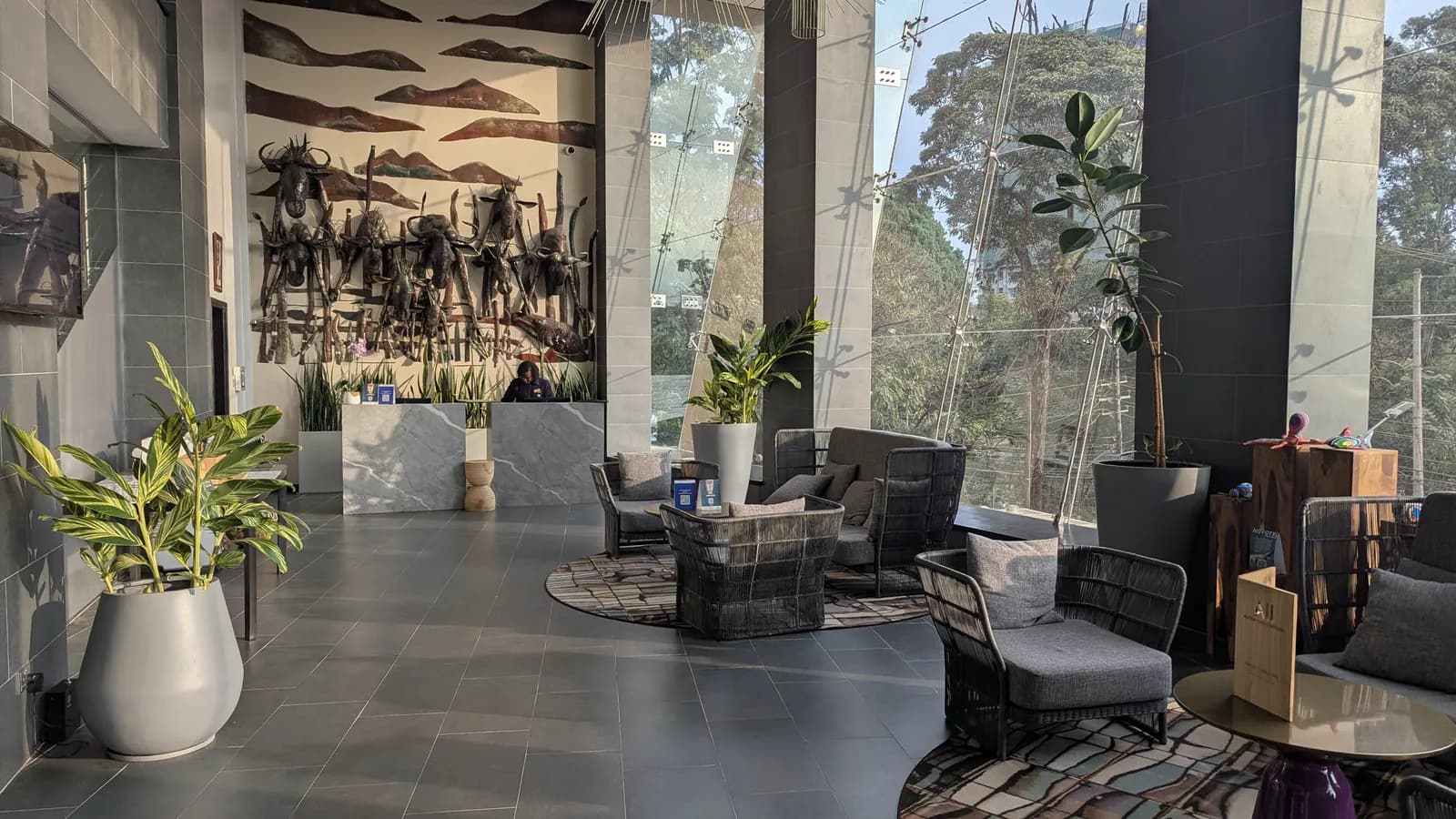
Woven armchairs face the reception desk in a bright hotel lobby; boxes mark 3 chairs and 1 person at the desk.
Hotel lobby in Nairobi
  • Chair3
  • Person1

ConductVision detections on this photo. Photo: Sdkb, CC BY-SA 4.0, cropped.

Endpoints

What a pilot measures

Each endpoint is defined before the pilot starts, with what is counted, its unit and how the results are broken down.

What a pilot measures
PrimaryTime to staff responseMinutes from a detected fall to the first staff member in view beside the guest.Unit:minutes (median)By:Area, shift
SecondaryFalls by areaFalls detected and confirmed by staff from the clip, counted once per event.Unit:falls per monthBy:Area, time of day
Bag wait timeMinutes from a suitcase's first frame at the curb or bell stand to its last.Unit:minutes (median)By:Hour, day
Elevator lobby peakMost people counted waiting in an elevator lobby view in each 15 minutes.Unit:people (peak per 15 minutes)By:Floor, hour

How we check the model

Each pilot measures ConductVision on your own footage against a sample checked by hand, before anyone relies on its numbers.

  • Fall alert precision

    Share of fall alerts that a reviewer confirms in a hand-checked sample of clips.

    % · by camera, area

  • Staged fall recall

    Share of staged test falls in each camera view that ConductVision flagged.

    % · by camera, lighting

  • Suitcase count agreement

    Difference between the ConductVision suitcase count and a reviewer's hand count on sampled frames.

    suitcases per frame (mean absolute difference) · by camera

Use cases

Where teams put it to work

Pool and Water Safety Monitoring

Underwater and overhead cameras can detect submersion events, distress behavior, and unaccompanied children in pool and beach areas. Alerts can reach lifeguard teams and duty managers on detection, providing a supplementary safety layer during high-occupancy periods and shift transitions.

Lobby and Check-In Flow Optimization

Cameras in lobby and reception areas can monitor guest queue lengths, wait times, and traffic patterns in real time. When queue thresholds are exceeded during check-in peaks, alerts can prompt managers to open additional counters or deploy mobile check-in staff.

Event Space Capacity Management

Ballroom, conference center, and outdoor event area cameras can provide real-time occupancy counts. Capacity threshold alerts can ensure compliance with fire codes, and post-event analytics can inform space allocation and pricing for future bookings.

Resort Property Security

Perimeter cameras, parking area feeds and building entry points can be monitored for after-hours intrusion and vehicle theft. Restricted areas such as maintenance facilities, staff zones and unoccupied wings can be watched during the off-season.

Guest Experience Analytics

Cameras in common areas, restaurants, and amenity zones can measure dwell times, traffic patterns, and utilization rates across property facilities. Data can inform amenity scheduling, staffing allocation, and capital investment decisions based on actual guest behavior rather than survey data alone.

Systems it connects to

  • Property Management Systems (Opera, Mews)
  • Access Control and Key Card Systems
  • Guest Experience Platforms
  • Video Management Systems (Genetec, Milestone)
  • Building Management Systems (HVAC, Lighting)

Pilot

Scope a hospitality & tourism pilot

Tell us about your sites and cameras, and a ConductVision engineer replies with a scoping plan built around the endpoints above.