Critical Infrastructure Protection
Power plants, water treatment facilities, and data centers require continuous perimeter monitoring. Virtual fences along fence lines and access roads can detect intrusion attempts day and night, supplementing physical security barriers.
energyutilitiesgovernment
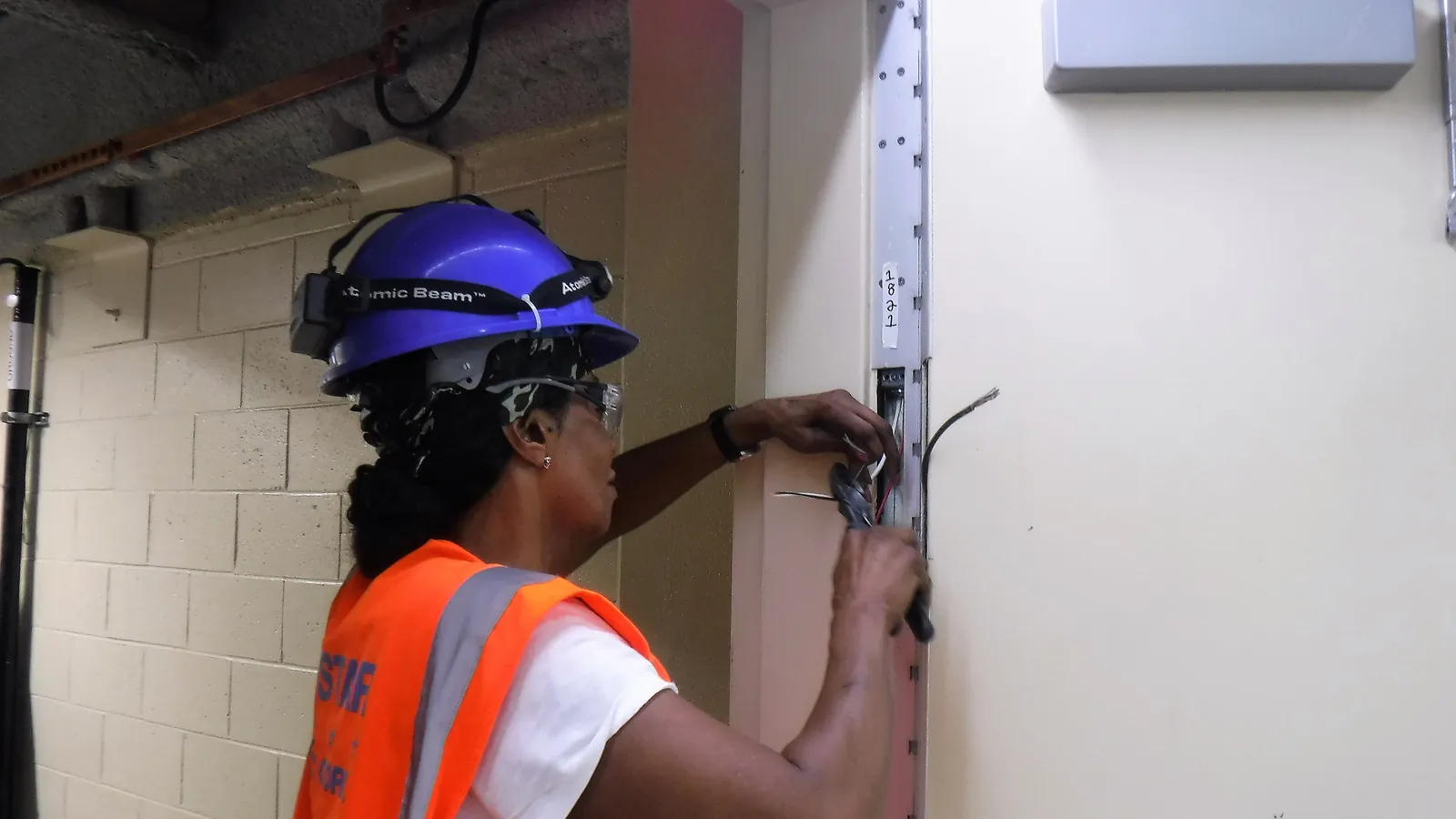
Construction Site After-Hours Security
Construction sites with expensive equipment and materials are vulnerable to theft after work hours. Perimeter cameras with virtual fence lines can alert security services when anyone enters the site outside scheduled work windows.
construction
Warehouse and Distribution Center Security
Large warehouse perimeters are difficult to patrol continuously. Camera-based intrusion detection can cover the full perimeter and loading dock areas, alerting on unauthorized entry while ignoring scheduled deliveries in designated zones.
logisticsmanufacturingretail
Military and Government Facility Perimeters
Secured facilities require multiple layers of intrusion detection. Camera-based virtual fences can provide an independent detection layer that operates alongside physical sensors, radar, and patrol schedules.
governmentdefense
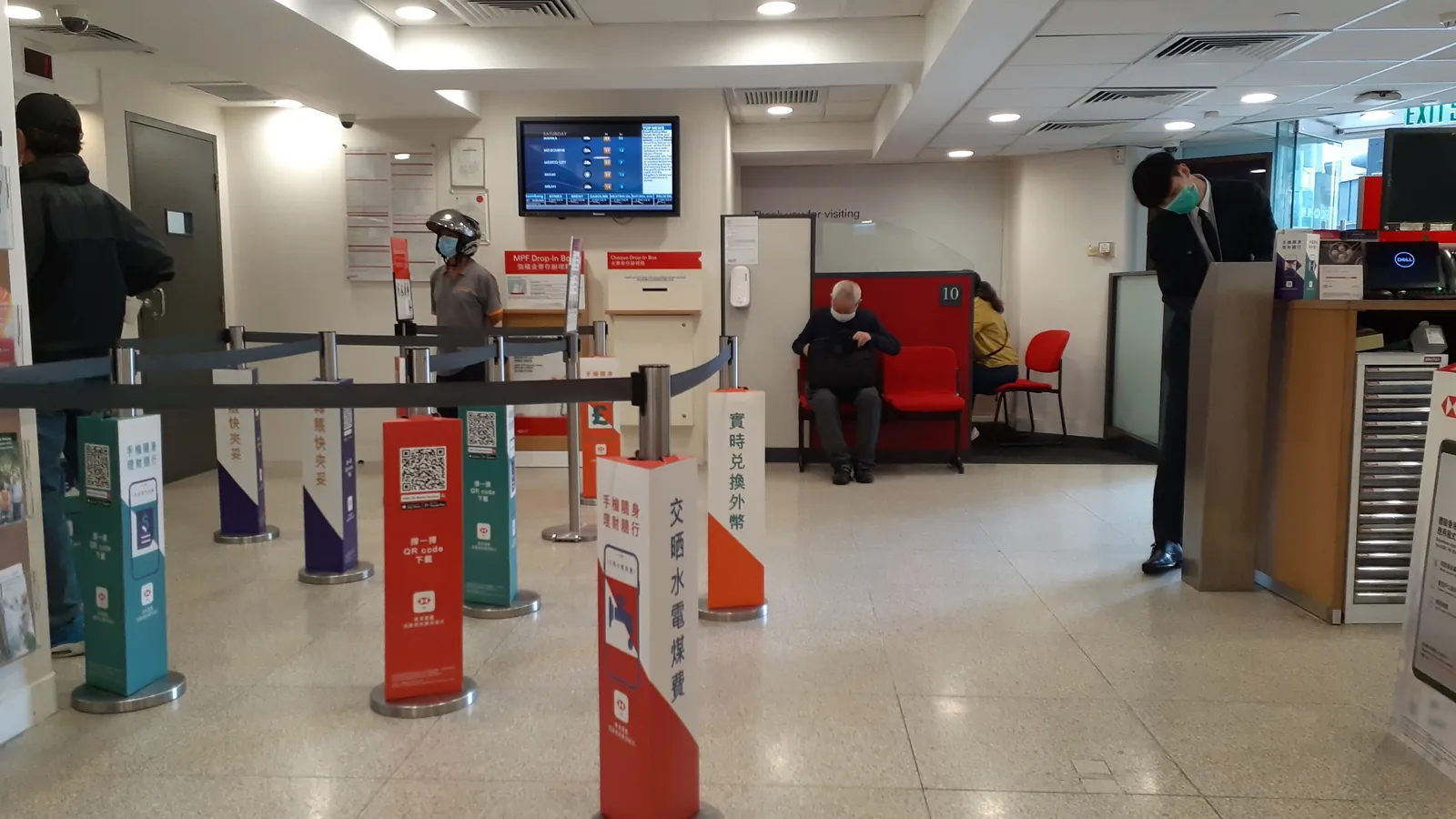
Restricted Zone Enforcement Within Buildings
Hospitals, laboratories, and corporate offices have internal zones where access is limited. Zone monitoring can alert when unauthorized individuals enter server rooms, pharmacy storage, or executive areas without badging through access control.
healthcarecorporateresearch
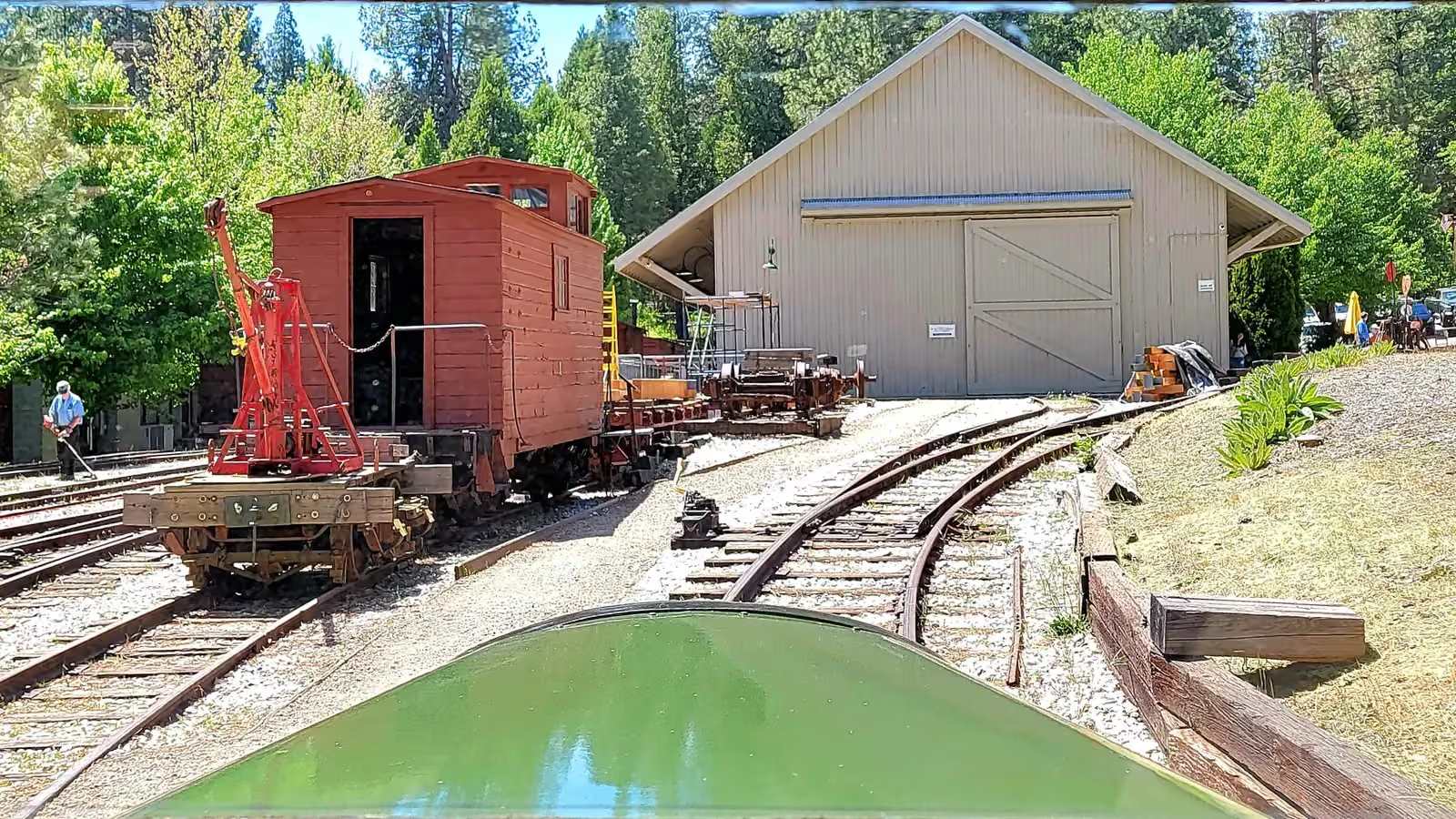
Solar and Wind Farm Perimeter Security
Renewable energy installations span large, remote areas with minimal on-site staff. Thermal-visible camera pairs along access roads and fence lines can detect intrusions across the entire site and alert remote monitoring centers.
energyutilities
Perimeter Intrusion Detection
The challenge
Securing large perimeters with human guards is expensive and error-prone, especially at night or during adverse weather.
How ConductVision helps
ConductVision can draw virtual tripwires and zones around your perimeter. When a person or vehicle crosses a boundary, the system can trigger an alert with a snapshot and location overlay, enabling rapid response without constant human surveillance.
smart cityconstructionoil gas
Crowd Monitoring
The challenge
Large gatherings can escalate quickly, and security teams lack real-time visibility into crowd density and flow.
How ConductVision helps
ConductVision can estimate crowd density in real time and flag areas that exceed safe thresholds. Operators can receive heatmaps showing congestion patterns, enabling proactive crowd management and earlier intervention during events or peak hours.
smart cityretailentertainment
Vandalism Detection
The challenge
Property damage often occurs in blind spots or outside business hours, discovered only after the fact.
How ConductVision helps
The platform can identify loitering, sudden motion bursts, and object tampering near assets like ATMs, signage, or building facades. Alerts can be dispatched immediately, reducing damage and providing evidentiary footage with timestamped frames.
smart cityretailconstruction
Night Surveillance
The challenge
Low-light conditions degrade traditional camera performance, creating windows of vulnerability during the most critical hours.
How ConductVision helps
ConductVision can apply AI models optimized for low-light and infrared feeds, maintaining detection accuracy when visibility drops. The system can compensate for shadows, glare, and noise, ensuring reliable alerts through dusk, night, and dawn transitions.
smart citylogisticsoil gas
Restricted Area Monitoring
The challenge
Sensitive zones like server rooms, utility corridors, and chemical storage areas require strict access enforcement that badge systems alone cannot guarantee.
How ConductVision helps
ConductVision can monitor restricted areas visually, detecting any human presence and cross-referencing with expected access schedules. Unauthorized entries can trigger alerts with video evidence, complementing badge-based access control layers.
manufacturinghealthcareinfrastructure
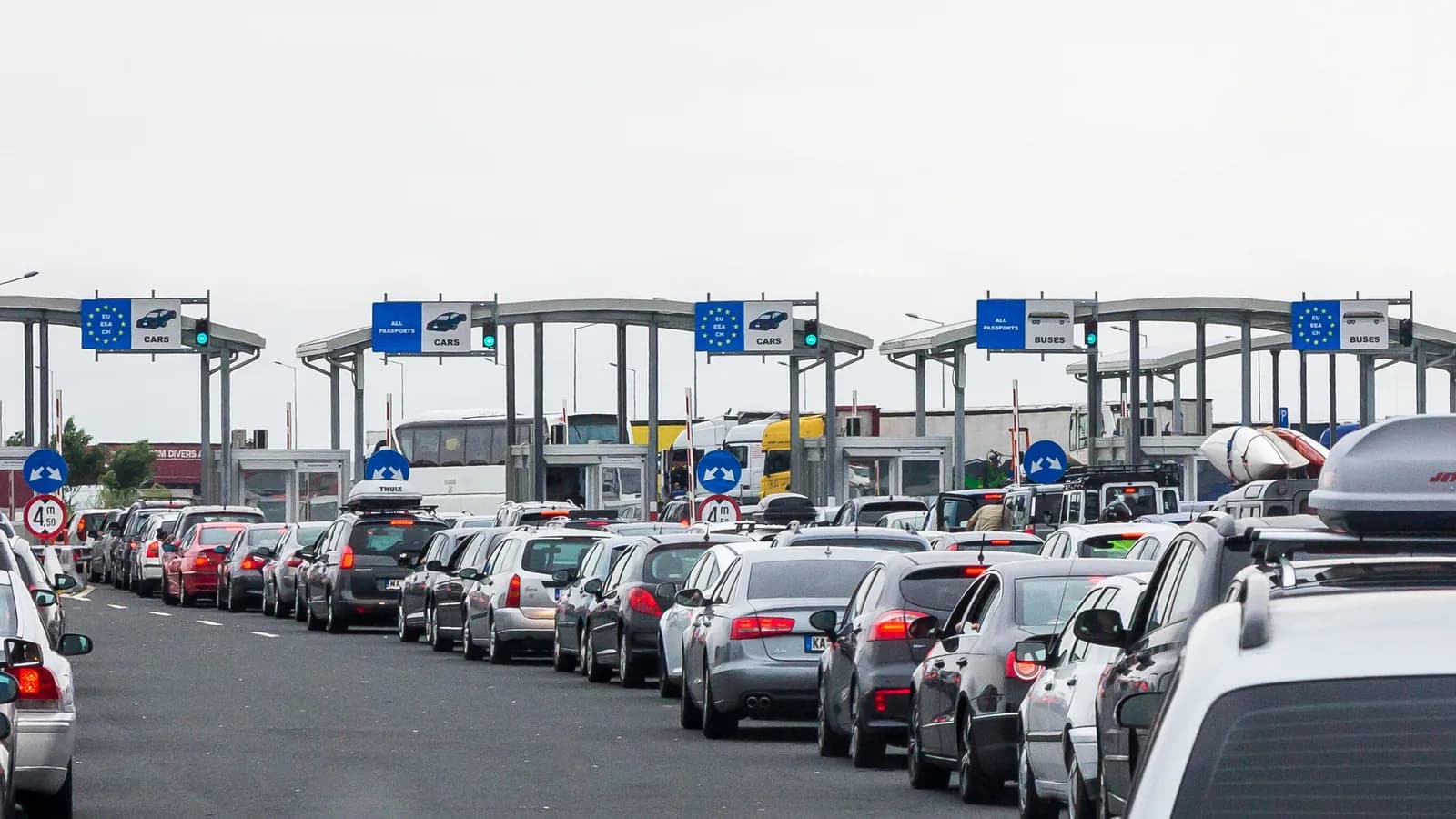
Parking Lot Security
The challenge
Parking structures and surface lots are common sites for vehicle break-ins, and patrolling large areas manually is inefficient.
How ConductVision helps
The platform can monitor for suspicious behaviors such as prolonged loitering near vehicles, forced entry attempts, and unusual movement patterns. License plate recognition adds a layer of identification, linking activity to specific vehicles for faster incident resolution.
retailsmart citylogistics
Retail Loss Prevention
The challenge
Shrinkage from shoplifting and organized retail crime costs billions annually, and traditional loss prevention relies on limited staff.
How ConductVision helps
ConductVision can detect concealment behaviors, unusual dwell patterns near high-value merchandise, and coordinated group movements. Alerts can support loss prevention teams to intervene during the act rather than reviewing footage after the fact.
retaillogistics
Property Monitoring
The challenge
Remote or unoccupied properties such as construction sites, vacation rentals, and vacant commercial buildings are difficult to protect without on-site staff.
How ConductVision helps
ConductVision can provide 24/7 visual monitoring of unattended properties. The system can distinguish authorized visitors from trespassers, detect vehicles entering the premises, and send alerts with video clips so property managers can respond from anywhere.
constructionreal estateinfrastructure