ConductVision Enterprise

Telecommunications

ConductVision counts the antennas on each tower face, checks ground crews for hard hats and vests and logs entries into rooftop antenna zones for network operations teams.

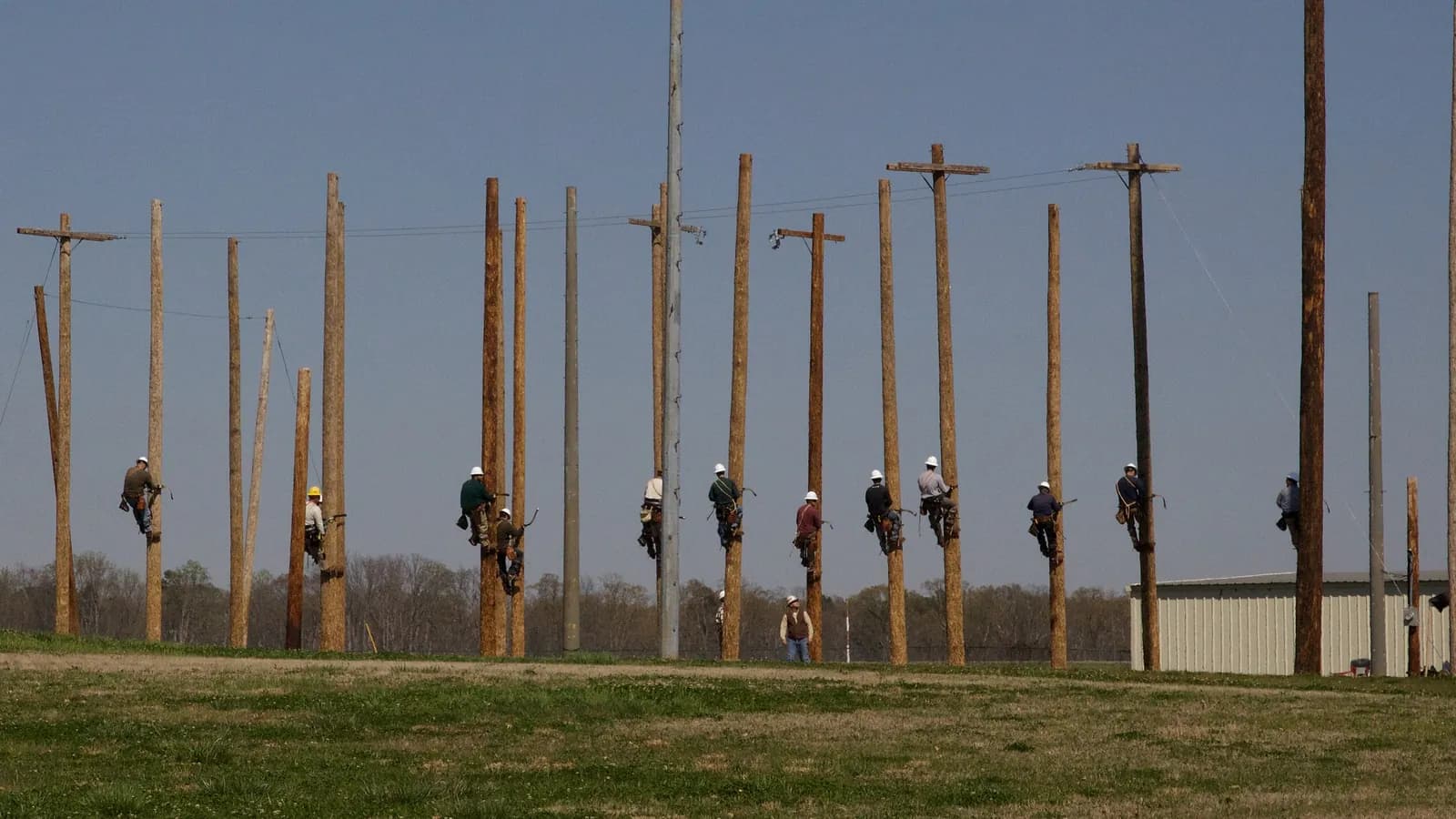
Trainee line workers climb rows of wooden utility poles at a lineworker training school in Alabama; boxes mark 11 people and one hard hat.12 detections
Lineworker training yard in Alabama
  • Person11
  • Hard hat1

ConductVision detections on this photo. Photo: David Brossard, CC BY-SA 2.0, cropped.

Telecommunications companies manage vast physical infrastructure portfolios spanning cell towers, data centers, central offices, cable routes, and customer premises equipment, all requiring regular inspection, security monitoring, and maintenance coordination. Tower climbs for inspection are expensive and inherently dangerous, data center operations demand stringent environmental and access control, and fiber route integrity depends on detecting third-party encroachment before damage occurs. ConductVision's technology can provide visual intelligence across the telecom infrastructure lifecycle, from drone-based tower inspection to data center environmental monitoring to cable route surveillance. Automated detection of equipment degradation, security breaches, and environmental anomalies can reduce inspection costs and improve asset uptime.

Outcomes

What your team gets

Antenna counts against the lease

Tower owners lease space by the antenna, and site records drift as tenants add equipment.

Unrecorded antennas mean unbilled space and loads that no one has checked.

How
In a pilot, ConductVision counts the antennas on each tower face in inspection photos and compares the count with the lease record.
You get
A list of towers where the counted antennas differ from the lease, with the photo for each.
Hard hats at the tower base

Ground crews work below climbers at tower sites, in the drop zone for tools and parts.

PPE gaps at the base go unseen at sites that get few safety visits.

How
ConductVision checks each person at the site for a hard hat and a high-visibility vest.
You get
PPE rates per site visit and crew, with a still of each gap.

Entries into rooftop antenna zones

Building staff and roofers work near rooftop antennas without knowing where the marked exposure zones are.

Each unplanned visit near the antennas happens without a power-down request to the network team.

How
In a pilot, ConductVision flags people who enter the marked zone in front of rooftop antennas.
You get
A visit log per rooftop site with time, duration and a still of each entry.

The challenge

Cell tower inspection requires skilled climbers, weather-dependent scheduling, and significant per-tower costs that limit inspection frequency. Data centers house critical infrastructure where unauthorized access, environmental excursions, and equipment failures must be detected immediately. Buried and aerial cable routes face constant threat from construction activity, weather events, and vegetation growth that traditional patrol schedules cannot adequately monitor.

Our approach

ConductVision can analyze drone imagery to inspect tower structures, antenna arrays, and cable tray conditions without requiring tower climbs. Data center cameras can monitor hot and cold aisle conditions, cable management, equipment indicator lights, and access control compliance. Route cameras can detect third-party excavation activity near buried infrastructure.

What the model sees

Detections in two more settings

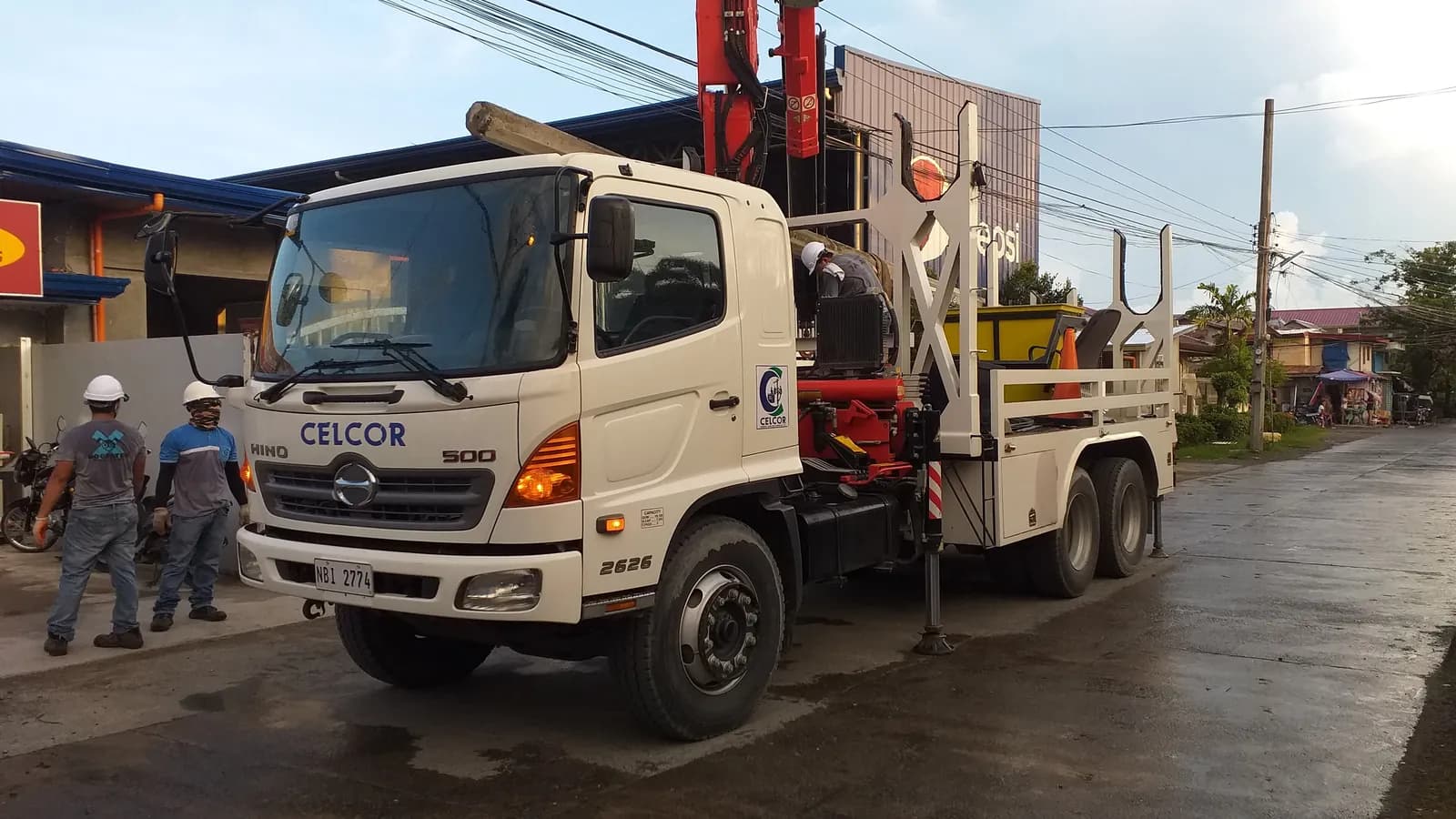
A line crew's boom truck parked under overhead cables in Cabanatuan, Philippines; boxes mark the truck, three crew members, a person down the street and one hard hat.
Line repair truck in Cabanatuan
  • Person4
  • Truck1
  • Hard hat1

ConductVision detections on this photo. Photo: Captainmorlypogi1959, CC BY-SA 4.0, cropped.

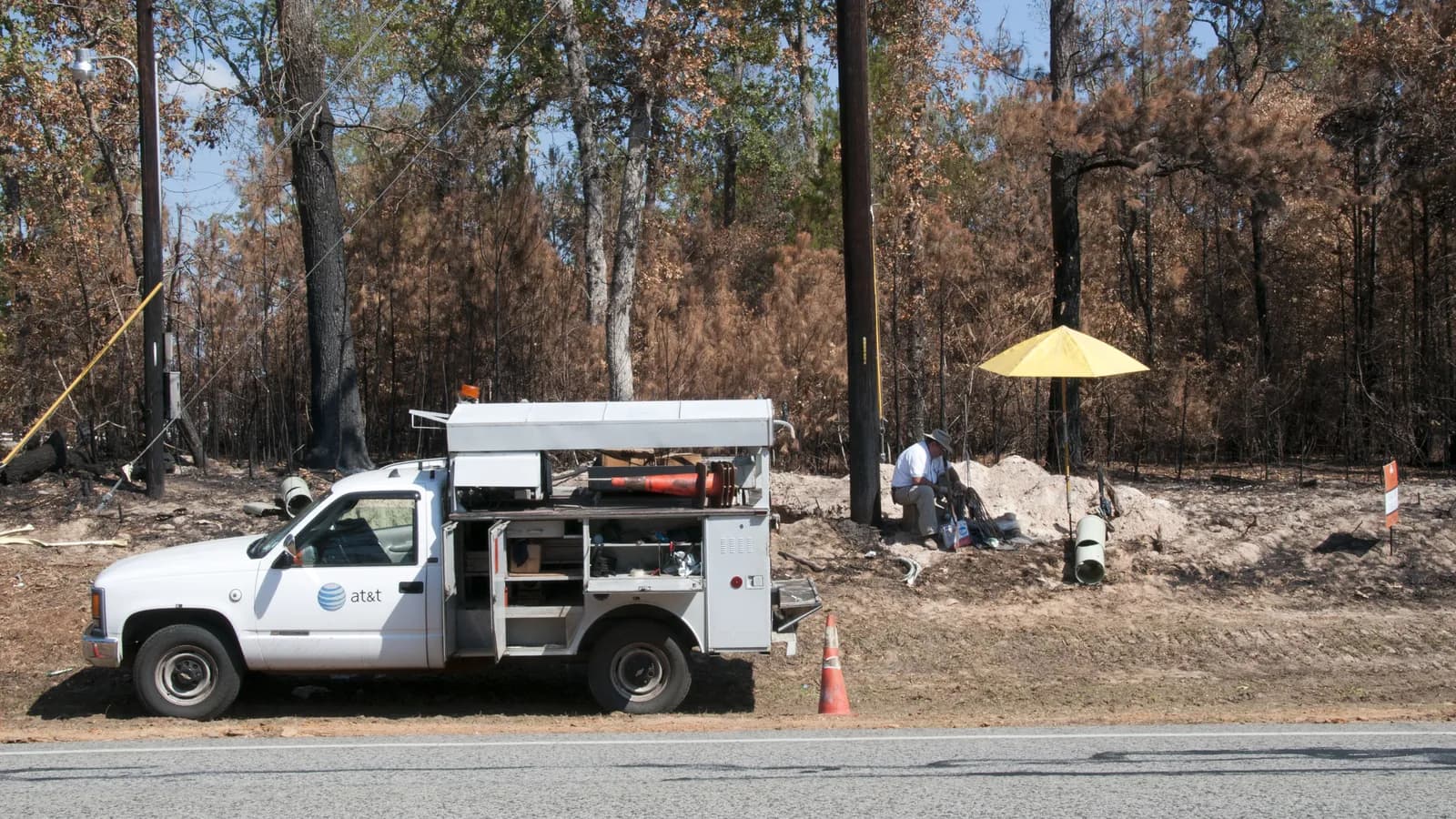
A telephone repairman works on cables at the roadside beside his service truck while restoring phone service after the 2011 wildfires near Magnolia, Texas; boxes mark the truck and the repairman.
Phone line repair in Magnolia, Texas
  • Truck1
  • Person1

ConductVision detections on this photo.

Endpoints

What a pilot measures

Each endpoint is defined before the pilot starts, with what is counted, its unit and how the results are broken down.

What a pilot measures
PrimaryAntenna record mismatchesTowers where the antenna count on any face differs from the lease record, as a share of towers reviewed.Unit:%By:Region, tower type
SecondaryGround crew PPE rateShare of person-minutes at the tower base with a hard hat and a high-visibility vest worn.Unit:%By:Site, crew visit
Rooftop zone entriesPeople detected inside a marked rooftop antenna zone, counted once per entry.Unit:entries per site-monthBy:Site, hour
Time in zoneMinutes from a person's first frame inside a rooftop antenna zone to their last.Unit:minutes (median)By:Site

How we check the model

Each pilot measures ConductVision on your own footage against a sample checked by hand, before anyone relies on its numbers.

  • Antenna count agreement

    Difference between the ConductVision antenna count and a reviewer's count on the same tower photos.

    antennas per tower face (mean absolute difference) · by tower type, photo angle

  • Hard-hat recall

    Share of hard hats a reviewer sees in sampled frames that ConductVision also detected.

    % · by site, distance to camera

  • False zone alerts

    Zone-entry alerts a reviewer rejects, such as birds or shadows, per camera per day.

    alerts per camera-day · by site

Use cases

Where teams put it to work

Cell Tower Visual Inspection

Drone-captured imagery can be analyzed to detect antenna misalignment, cable tray damage, rust and corrosion on structural steel, missing hardware, and ice or debris accumulation. Inspection reports can be generated automatically with defect location mapping against tower elevation drawings.

Data Center Environmental Monitoring

Cameras positioned in server rows can monitor equipment indicator lights for fault conditions, detect cable management violations, and identify hotspot locations through thermal overlay. Unauthorized access to server cabinets can be detected and logged with visual evidence for incident response.

Equipment Room Security

Cameras at central office and remote terminal equipment rooms can verify authorized access, detect tailgating, and monitor for unusual activity patterns. Door-left-open conditions and unauthorized equipment connections can be flagged in real time for network security teams.

Cable and Fiber Route Surveillance

Fixed and mobile cameras along critical fiber routes can detect excavation activity, heavy equipment operation, and ground disturbance near buried infrastructure. Early detection alerts can enable proactive contact with construction crews before accidental cable strikes occur.

Facility Maintenance Verification

Cameras can document maintenance activity at remote sites, verifying that scheduled work is performed, equipment is properly secured after service, and site conditions meet standards. Visual records can supplement electronic work order systems for compliance auditing.

Systems it connects to

  • Network Management Systems (NMS)
  • Data Center Infrastructure Management (DCIM)
  • Tower Management Platforms (SiteSee, TowerXchange)
  • Physical Access Control Systems
  • Work Order and Field Service Management

Pilot

Scope a telecommunications pilot

Tell us about your sites and cameras, and a ConductVision engineer replies with a scoping plan built around the endpoints above.