ConductVision Enterprise

Government & Defense

ConductVision measures vehicle lane waits at ports of entry, visitor lines at public entrances and stops in approach lanes for government facility operations teams.

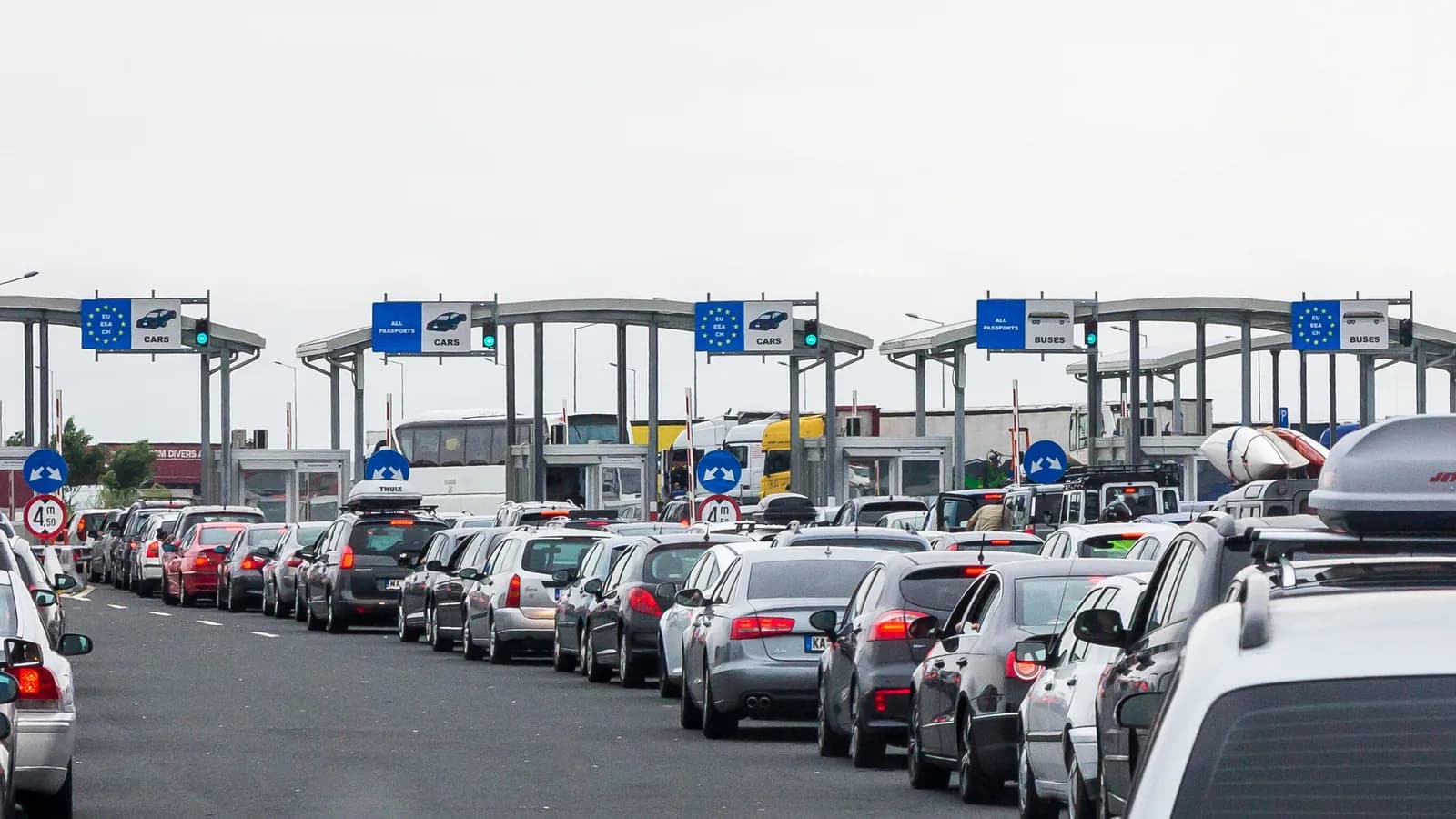
Cars queue at the passport control booths on the Romanian side of the Nădlac and Nagylak crossing between Romania and Hungary; boxes mark 21 cars and a coach.22 detections
Border checkpoint at Nădlac, Romania
  • Car21
  • Bus1

ConductVision detections on this photo. Photo: Raimond Spekking, CC BY-SA 4.0, cropped.

Government agencies and defense organizations manage vast perimeters, critical infrastructure, and high-security facilities where the consequences of undetected intrusion or surveillance failure can be severe. Traditional security architectures rely on human operators monitoring camera feeds around the clock, an approach vulnerable to attention fatigue, staffing gaps, and the sheer volume of feeds across distributed installations. ConductVision's technology can augment security operations with automated perimeter monitoring, anomaly detection, and multi-sensor fusion across government and defense installations. The platform can reduce operator fatigue by surfacing only actionable events while maintaining continuous coverage across extended perimeters and multiple facilities.

Outcomes

What your team gets

Wait times at vehicle lanes

Cars, trucks and buses queue at inspection lanes, and posted wait times come from rough estimates.

Staff open or close lanes late, and travelers plan crossings on old numbers.

How
ConductVision counts the vehicles in each lane view and times each one from joining the queue to reaching the booth.
You get
Wait times by lane and vehicle type through the day, ready to post or plan staffing.
Visitor lines at public entrances

Visitors queue at the public entrance in morning peaks and before hearings.

Long lines spill onto the sidewalk and make visitors late for appointments.

How
ConductVision counts the people in the entrance queue and logs how fast the line moves.
You get
Queue length and wait per hour, set against the number of screening lanes open.

Stops in the approach lane

Delivery vans and visitors stop in the approach lane while they look for the right gate.

Stopped vehicles block staff traffic and keep the gate team busy redirecting drivers.

How
ConductVision detects vehicles that stop in the approach lane and times each stop.
You get
A count of approach-lane stops by hour, with a still of each, for signage and gate planning.

The challenge

Government facilities and defense installations face persistent threats across perimeters that may span miles of fence line, coastline, or restricted airspace. Monitoring operations rooms staff hundreds of camera feeds that exceed human attention capacity, particularly during overnight shifts. Border monitoring environments present additional challenges including extreme weather, wildlife false alarms, and vast distances between patrol assets.

Our approach

ConductVision can process perimeter camera feeds to detect human and vehicle approaches, classify threat levels based on behavior and trajectory, and filter wildlife and environmental false alarms. Multi-camera tracking can follow subjects across overlapping fields of view, and drone detection models can identify unauthorized aerial vehicles approaching restricted airspace.

What the model sees

Detections in two more settings

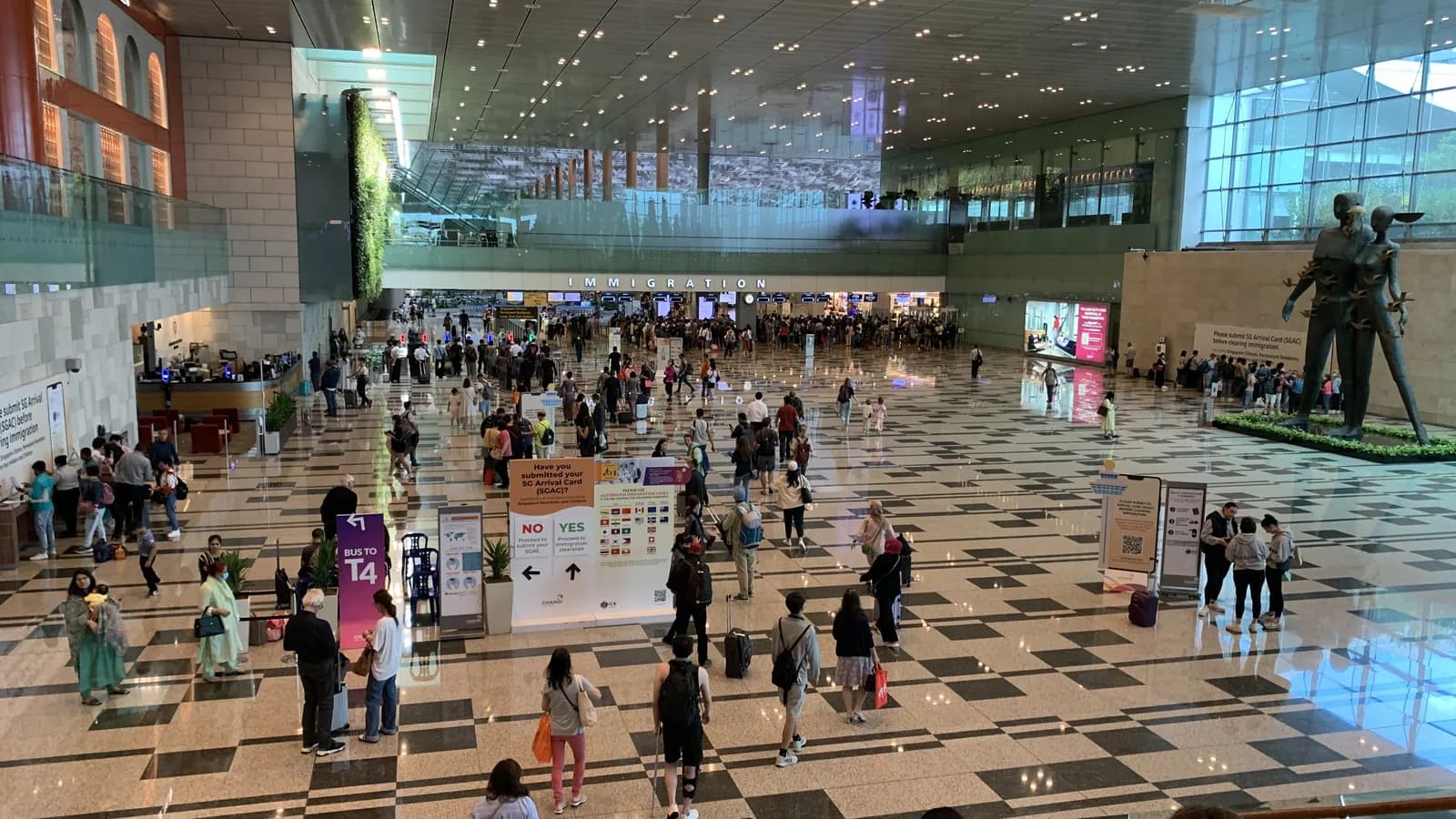
Arriving travelers cross the hall in front of the immigration counters at Changi Airport Terminal 3 in Singapore; boxes mark 32 people.
Immigration hall at Changi Airport
  • Person32

ConductVision detections on this photo. Photo: GSyalindri-WMF, CC BY-SA 4.0, cropped.

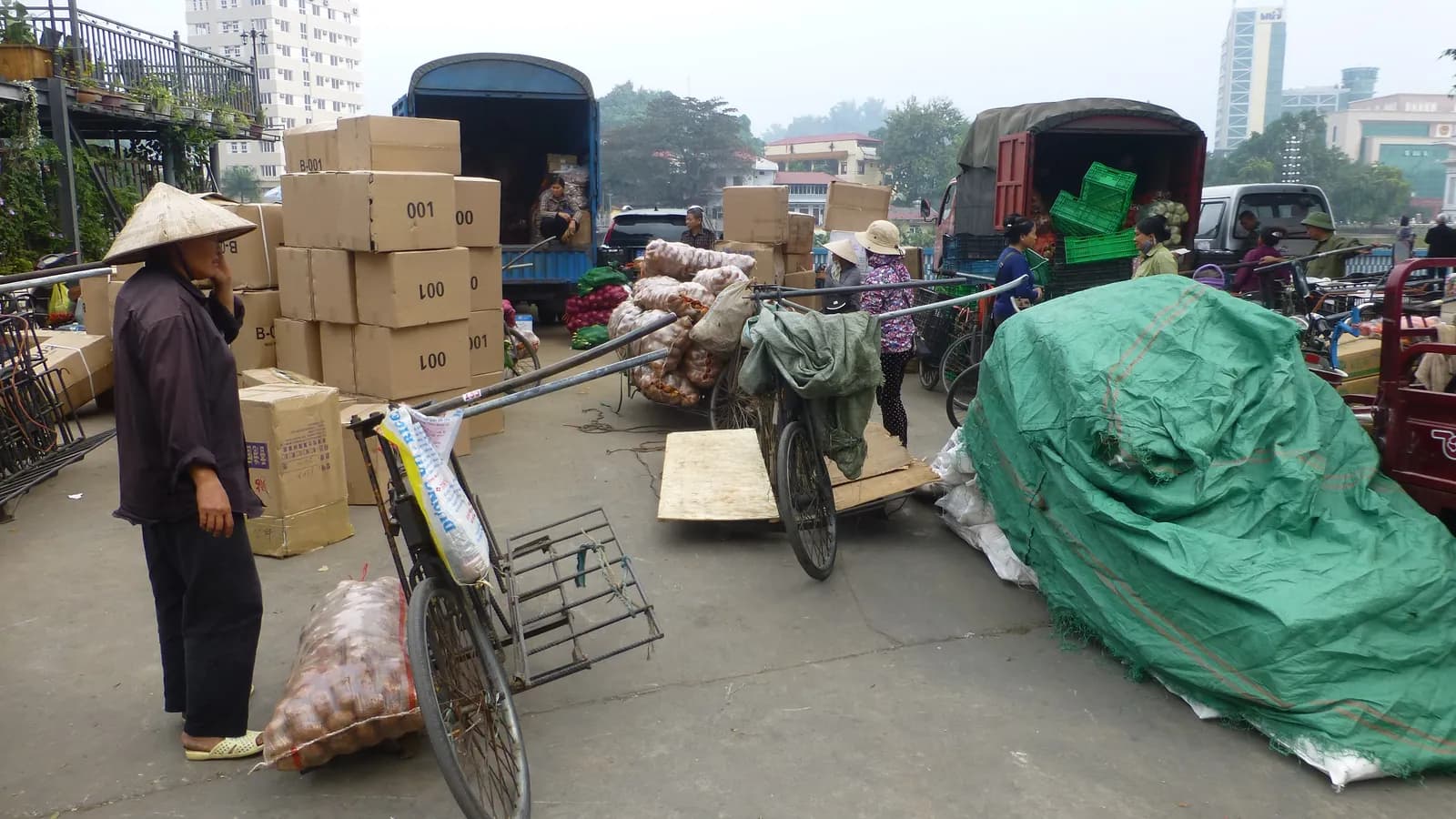
Traders with cargo bicycles unload trucks and stacked boxes outside the downtown border crossing in Hekou, China; boxes mark 11 people and 2 trucks.
Border trade lane in Hekou
  • Person11
  • Truck2

ConductVision detections on this photo. Photo: User:Vmenkov, CC BY-SA 3.0, cropped.

Endpoints

What a pilot measures

Each endpoint is defined before the pilot starts, with what is counted, its unit and how the results are broken down.

What a pilot measures
PrimaryLane wait timeMinutes from a vehicle joining a lane queue to its arrival at the inspection booth.Unit:minutes (median)By:Lane, vehicle type, hour
SecondaryLane throughputVehicles passing each inspection booth, counted once per vehicle.Unit:vehicles per lane-hourBy:Lane, vehicle type
Visitor queue lengthPeople counted in the entrance queue view, sampled every 5 minutes.Unit:people (hourly peak)By:Entrance, hour
Approach-lane stopsVehicles stopped in the approach lane longer than the set time, counted once per stop.Unit:stops per dayBy:Entrance, hour

How we check the model

Each pilot measures ConductVision on your own footage against a sample checked by hand, before anyone relies on its numbers.

  • Vehicle type agreement

    Share of sampled vehicles where the ConductVision type matches a reviewer's call.

    % · by lane, light conditions

  • Wait time error

    Difference between the queue entry time ConductVision records and a reviewer's timestamp for sampled vehicles.

    seconds (median absolute difference) · by lane

  • Queue count agreement

    Difference between the ConductVision queue count and a reviewer's hand count on sampled frames.

    people per frame (mean absolute difference) · by entrance

Use cases

Where teams put it to work

Perimeter Intrusion Detection

Fence line and open-area cameras can detect human and vehicle approaches within configurable exclusion zones. Classification models can distinguish between personnel, vehicles, animals, and environmental motion to minimize false alarm rates. Verified detections can be escalated to security response teams with camera coordinates and tracking data.

Border Surveillance and Monitoring

Long-range cameras and thermal imagers can monitor border corridors for unauthorized crossings. Detection models can classify individuals, vehicle types, and group sizes, providing border security operations with situational awareness across remote segments where patrol presence is intermittent.

Critical Infrastructure Protection

Cameras at power plants, water treatment facilities, communications hubs, and transportation nodes can provide layered security monitoring. Behavioral analytics can detect loitering, vehicle circling, and pre-operational surveillance patterns that may indicate threat activity.

Drone Detection and Airspace Monitoring

Cameras can detect and track unauthorized unmanned aerial vehicles approaching restricted airspace around government facilities. Detection events can be classified by drone type and flight pattern, and alert data can be forwarded to counter-UAS response systems.

Facility Access and Tailgating Prevention

Cameras at controlled access points can detect tailgating, credential sharing, and unauthorized entry attempts. Person counting across doorways can verify that the number of entries matches access control system badge reads, flagging discrepancies for security review.

Operational Base Monitoring

Cameras across motor pools, storage areas, fuel points, and maintenance facilities can monitor activity patterns and detect unauthorized access or unusual operational tempos. Historical activity data can establish baseline patterns for anomaly detection.

Systems it connects to

  • Physical Security Information Management (PSIM)
  • Access Control Systems (Lenel, AMAG)
  • Command and Control Platforms
  • Counter-UAS Systems
  • Video Management Systems (Genetec, Milestone)

Pilot

Scope a government & defense pilot

Tell us about your sites and cameras, and a ConductVision engineer replies with a scoping plan built around the endpoints above.