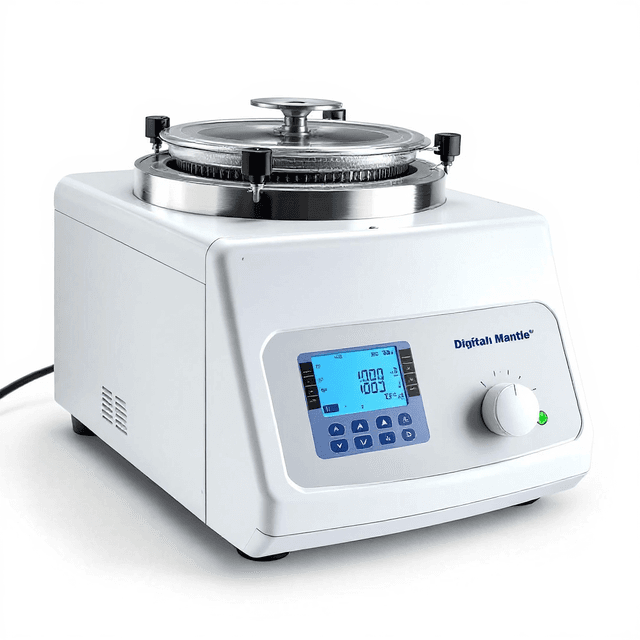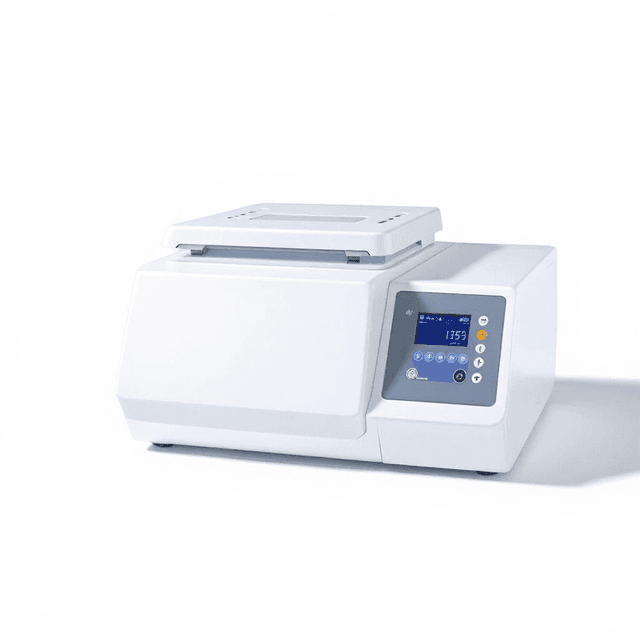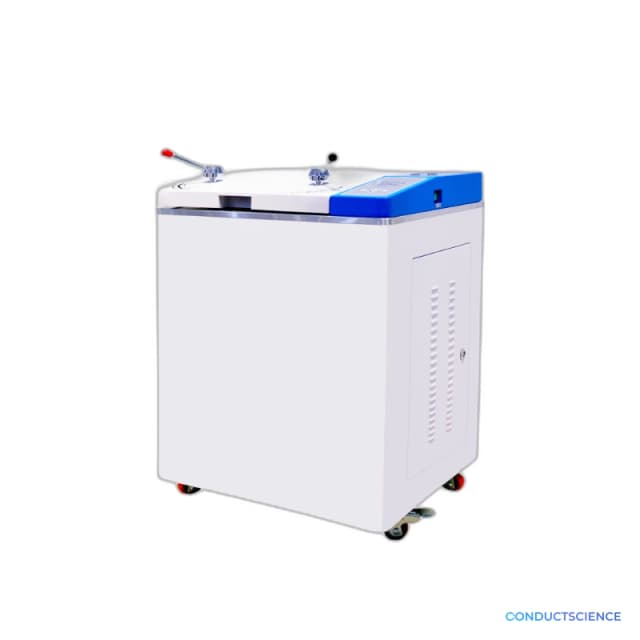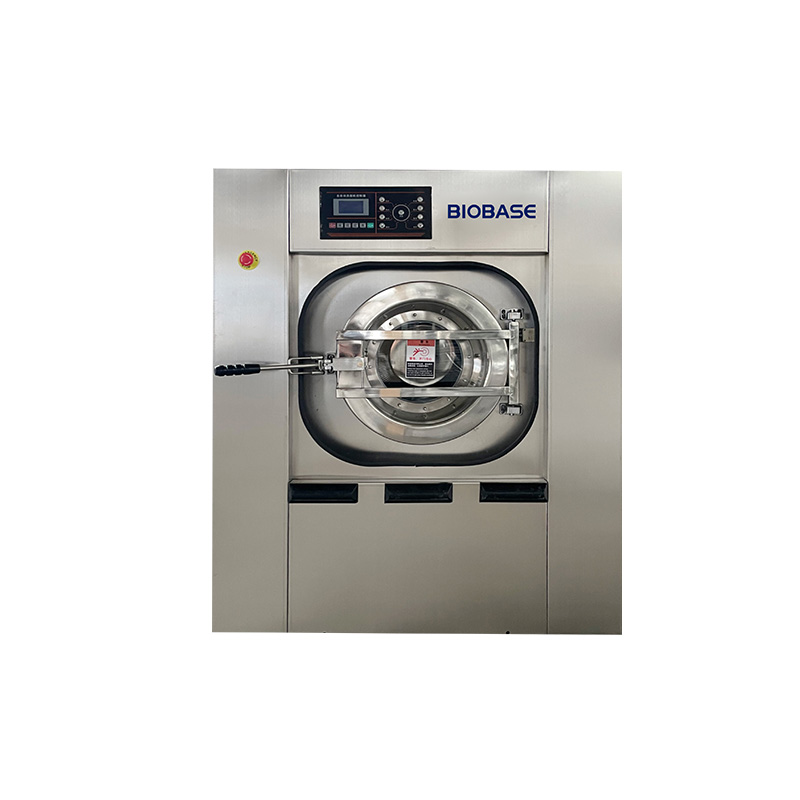
Automatic Washing and Dewatering Machine
High-capacity automatic washing and dewatering system with 30kg capacity and 30-40 minute cycle times for laboratory material processing.
| Automation Level | fully-automated |
| Drum Size | φ800*500mm |
| Drum Speed | 31rpm |
| Motor Power | 3KW |
| Electric Heating Power | 15KW |
| Water Consumption Per Cycle | 380kg |
The Automatic Washing and Dewatering Machine is a high-capacity laboratory equipment processing system designed for automated cleaning and moisture removal of research materials. This benchtop instrument features a large 30kg capacity drum (φ800*500mm) with automated washing and dewatering cycles, eliminating manual handling of wet laboratory materials and ensuring consistent processing conditions.
The system operates on a 30-40 minute cycle time with controlled drum rotation at 31rpm, providing gentle yet thorough processing. With 15KW electric heating power and 3KW motor drive, the machine delivers reliable performance for high-throughput laboratory operations requiring standardized cleaning and drying protocols.
How It Works
The system operates through a combination of mechanical washing action and controlled dewatering cycles. The rotating drum at 31rpm provides gentle agitation while washing solutions circulate through the chamber, ensuring thorough contact with all surfaces. The mechanical action combined with heated washing solutions (up to 15KW heating capacity) effectively removes contaminants and residues.
During the dewatering phase, centrifugal force generated by the rotating drum removes excess moisture from cleaned materials. The controlled rotation speed prevents damage to delicate equipment while maximizing water extraction efficiency. The complete cycle integrates washing, rinsing, and dewatering phases with automated transitions between each stage.
Temperature control through the electric heating system allows optimization for different material types and contamination levels, while the 380kg water consumption per cycle ensures adequate cleaning volume for the 30kg material capacity.
Features & Benefits
Automation Level
- fully-automated
Drum Size
- φ800*500mm
Drum Speed
- 31rpm
Motor Power
- 3KW
Electric Heating Power
- 15KW
Water Consumption Per Cycle
- 380kg
Power Consumption Per Cycle
- 1.5KWh
Cycle Time
- 30~40min
External Size(L*W*H)
- 1150*1200*1600mm
Package Size(L*W*H)
- 1350*1400*1800mm
Brand
- ConductScience
Research Domain
- Analytical Chemistry
- Environmental Monitoring
- Food Science
- Industrial Hygiene
- Materials Science
- Microbiology
- Pharmaceutical QC
Capacity
- 30kg
Weight
- 950kg
Weight
- 850.0 kg
Dimensions
- L: 160.0 mm
- W: 115.0 mm
- H: 120.0 mm
Comparison Guide
| Feature | This Product | Typical Alternative | Advantage |
|---|---|---|---|
| Processing Capacity | 30kg per cycle | Entry-level models often offer 10-20kg capacity | Accommodates larger laboratory equipment batches, reducing processing frequency and labor requirements. |
| Drum Dimensions | φ800*500mm | Smaller units typically feature reduced chamber sizes | Provides space for oversized laboratory equipment and irregular-shaped items that require specialized cleaning. |
| Heating Power | 15KW electric heating | Basic models often provide lower heating capacity | Enables temperature-controlled cleaning for enhanced removal of temperature-sensitive contaminants. |
| Cycle Integration | Automated wash-rinse-dewater sequence | Many systems require separate drying steps | Eliminates manual material transfer between cleaning and drying processes, reducing contamination risk. |
| Energy Efficiency | 1.5KWh per cycle | Power consumption varies by model and capacity | Provides predictable operating costs for high-volume laboratory processing requirements. |
This system offers substantial processing capacity with integrated dewatering capability and temperature-controlled cleaning. The combination of large drum size, automated sequencing, and energy-efficient operation addresses high-throughput laboratory cleaning requirements.
Practical Tips
Verify the 31rpm drum speed and heating system temperature accuracy monthly using appropriate measuring instruments.
Why: Ensures consistent processing conditions and identifies potential mechanical or heating system drift before it affects cleaning performance.
Inspect and clean the drum interior weekly to remove accumulated residues that could affect subsequent cleaning cycles.
Why: Prevents cross-contamination between different material types and maintains optimal washing action efficiency.
Distribute the material load evenly throughout the φ800*500mm drum to ensure balanced rotation and effective cleaning action.
Why: Uneven loading can cause mechanical stress and reduce cleaning effectiveness on materials in less-contacted areas.
Monitor the 1.5KWh energy consumption per cycle as a performance indicator for motor and heating system efficiency.
Why: Significant deviations from normal consumption patterns can indicate mechanical wear or heating element degradation requiring attention.
Allow the 850kg unit to completely stop rotation before opening the chamber door to access processed materials.
Why: Prevents injury from residual drum movement and ensures safe material removal from the large processing chamber.
If cycle times extend beyond 40 minutes, check water flow rates and heating element performance for potential system issues.
Why: Extended cycle times may indicate insufficient heating or water circulation that could compromise cleaning effectiveness.
Pre-rinse heavily contaminated materials to remove gross debris before placing in the washing chamber.
Why: Reduces the contamination load on the automated system and prevents clogging of water circulation components.
Setup Guide
What’s in the Box
- Automatic Washing and Dewatering Machine main unit
- Power connection cables (typical)
- Water inlet and drain connections (typical)
- Operating manual and technical documentation
- Installation hardware (typical)
- Calibration certificate (typical)
Warranty
ConductScience provides a standard one-year manufacturer warranty covering defects in materials and workmanship, with technical support for installation and operational guidance.
Compliance
What types of laboratory materials can be processed safely in this system?
The system accommodates up to 30kg of laboratory equipment including glassware, metal instruments, and plastic components that can withstand the 31rpm rotation and heated washing conditions. Consult material compatibility guidelines for specific items.
How do I determine the appropriate cycle parameters for different contamination types?
Cycle optimization depends on contaminant type and material sensitivity. The 15KW heating system allows temperature adjustment, while the 30-40 minute cycle duration can be modified based on cleaning requirements and material tolerance.
What water quality requirements are needed for the 380kg per cycle consumption?
Water quality should meet laboratory standards for the intended application. For analytical equipment cleaning, deionized or distilled water may be required to prevent mineral deposits and interference with subsequent measurements.
How does the system handle different load sizes within the 30kg capacity?
The φ800*500mm drum accommodates varied load configurations from small laboratory instruments to larger equipment pieces. Proper load distribution ensures effective washing action and prevents mechanical stress during the 31rpm rotation.
What maintenance intervals are recommended for sustained performance?
Regular maintenance should include cleaning system inspection, heating element verification, and motor performance monitoring. The 1.5KWh energy consumption provides a baseline for detecting mechanical or heating system degradation.
Can the system process materials requiring specific decontamination protocols?
The automated wash-rinse-dewater sequence can be customized for specific decontamination requirements. The combination of mechanical action, controlled heating, and extended contact time supports various cleaning and disinfection protocols.