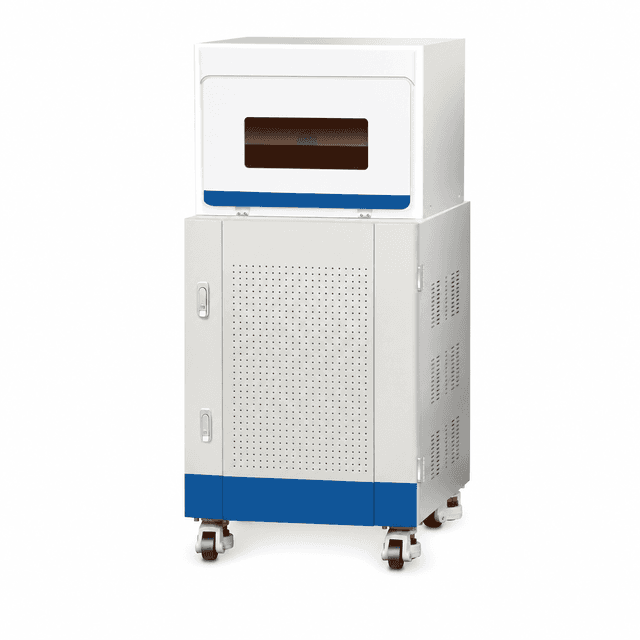
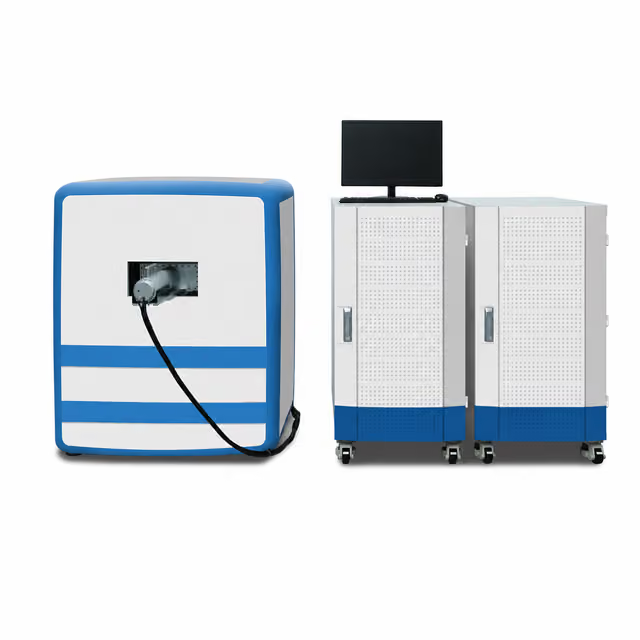
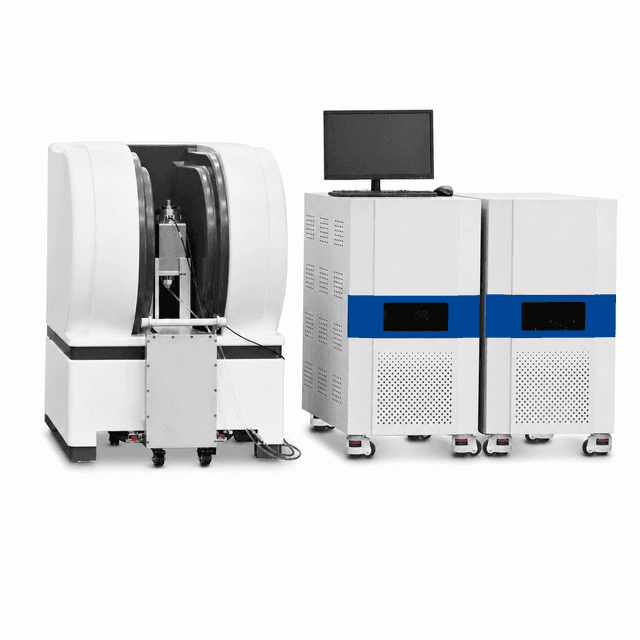
Compact Small Animal MRI System (Aspect M3)
Benchtop MRI system designed specifically for mouse imaging with anatomical, functional, and molecular imaging capabilities in automated protocols.

Louise Corscadden, PhD
Director of Science · ConductScience
Ask Louise about Compact Small Animal MRI System (Aspect M3) fit, setup, configuration, or quote prep.
Already working with us? Sign in to connect this with My Scientist.
Key Specifications
Full details →- Model fit
- Mouse
- SKU family
- NMS-ASPECT-M3
- Shipping box
- 100.0 x 80.0 x 100.0 cm
- Ordering
- Online checkout and quote request available
- Category
- MRI Systems
- Build notes
- Confirm accessories, station layout, and support needs before purchase
The Compact Small Animal MRI System (Aspect M3) delivers preclinical magnetic resonance imaging capabilities in a benchtop format optimized for mouse research. This system integrates anatomical, functional, and molecular imaging modalities within a single platform, enabling comprehensive assessment of mouse models without the infrastructure requirements of traditional clinical MRI systems.
The M3 system features automated imaging protocols designed to streamline data acquisition for longitudinal studies, phenotyping investigations, and therapeutic monitoring. The compact design allows installation in standard laboratory environments while maintaining the imaging quality necessary for quantitative research applications in mouse models.
How It Works
The Aspect M3 system utilizes magnetic resonance imaging principles adapted for small animal research. The system generates a strong, homogeneous magnetic field that aligns hydrogen nuclei in biological tissues. Radiofrequency pulses are applied to excite these nuclei, and the resulting signal relaxation patterns are detected and processed to construct detailed images of internal structures.
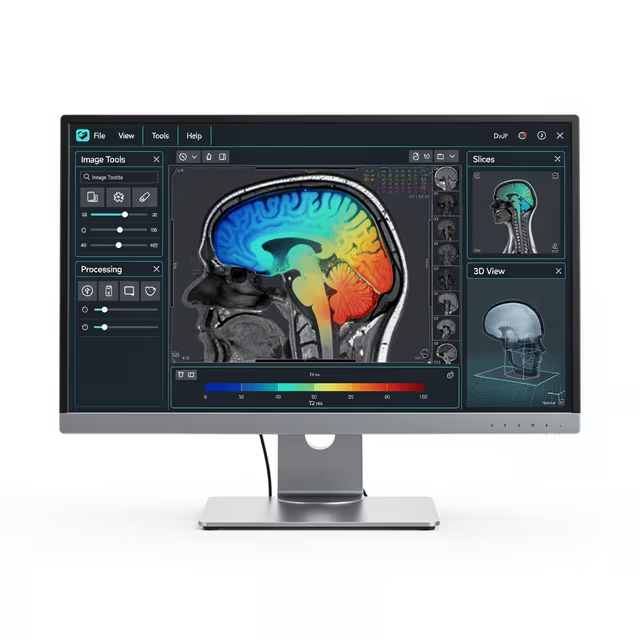
The system's compact design incorporates specialized gradient coils and radiofrequency hardware optimized for mouse-scale imaging. Automated pulse sequences enable acquisition of T1-weighted, T2-weighted, and functional imaging data with spatial resolutions appropriate for mouse anatomy. The molecular imaging capability utilizes contrast agents to highlight specific biological processes or tissue characteristics.
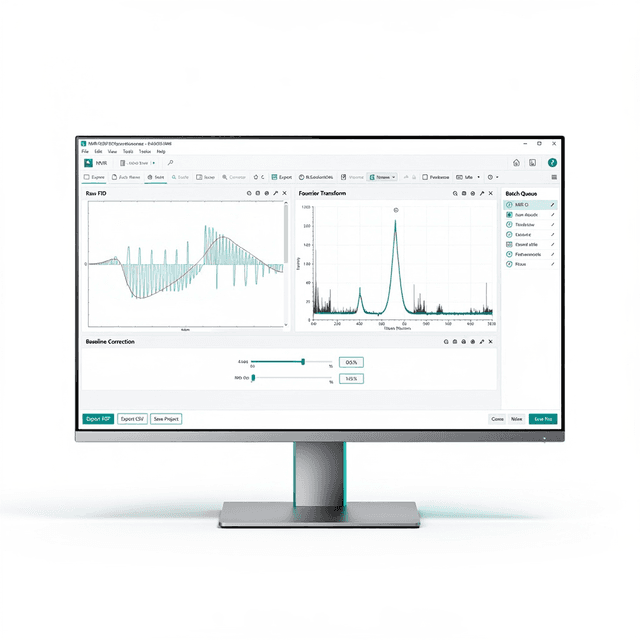
Image reconstruction algorithms process the acquired data to generate 3D anatomical maps and functional parameter maps. The one-touch protocol system automates acquisition parameter selection based on the imaging objective, reducing operator variability and streamlining the imaging workflow.
Features & Benefits
Animal Size
- Mouse
Imaging Modes
- Anatomical, Functional, Molecular
Automation Level
- fully-automated
Brand
- Greenwaves Scientific
Research Domain
- Aging Research
- Cancer Research
- Cardiovascular
- Developmental Biology
- Metabolic Research
- Neurodegeneration
- Neuroscience
- Pharmaceutical QC
Species
- Mouse
Shipping weight
- 800.0 lb
Shipping box
- L: 100.0 cm
- W: 80.0 cm
- H: 100.0 cm
| Feature | This Product | Typical Alternative | Advantage |
|---|---|---|---|
| Imaging Modalities | Anatomical, functional, and molecular imaging in integrated platform | Single-modality systems often require separate instruments for different imaging approaches | Enables comprehensive characterization of mouse models without multiple system acquisitions and animal transfers. |
| Protocol Automation | One-touch automated imaging protocols | Manual parameter optimization typically required for each imaging session | Reduces operator training requirements and ensures consistent data quality across studies and users. |
| System Footprint | Compact benchtop design | Clinical MRI adaptations often require dedicated imaging suites | Enables installation in standard laboratory environments without specialized infrastructure modifications. |
| Animal Compatibility | Mouse-optimized hardware and protocols | Multi-species systems may compromise optimization for specific animal models | Provides imaging parameters specifically tailored for mouse anatomy and research applications. |
| Longitudinal Study Support | Designed for repeated imaging of same animals | Systems may lack protocols for consistent longitudinal data acquisition | Facilitates tracking of disease progression, development, or treatment effects over extended study periods. |
The Aspect M3 system integrates multiple MRI modalities with automated protocols specifically optimized for mouse research. The benchtop design and one-touch operation distinguish it from larger clinical systems adapted for small animals, while the multi-modal capability provides comprehensive imaging without requiring multiple specialized instruments.
Practical Tips
Perform magnetic field shimming calibration whenever the system is moved or when ferromagnetic materials are introduced to the imaging environment.
Why: Magnetic field homogeneity directly affects image quality and quantitative measurement accuracy.
Monitor cooling system performance and maintain consistent ambient temperature in the imaging room.
Why: Temperature fluctuations can affect magnetic field stability and image quality consistency.
Standardize anesthesia protocols and monitoring procedures across all imaging sessions within a study.
Why: Consistent physiological conditions are essential for reproducible functional imaging and longitudinal comparisons.
Use the provided phantom for regular image quality assessment and to verify system performance over time.
Why: Regular quality control enables detection of system drift and ensures data integrity across extended studies.
Ensure all personnel remove ferromagnetic objects before entering the imaging area and maintain safe distances during operation.
Why: Magnetic field safety protocols prevent injury and protect sensitive system components from damage.
Document imaging parameters and animal positioning for successful scans to facilitate protocol optimization.
Why: Systematic documentation enables rapid troubleshooting and protocol refinement for challenging imaging applications.
Plan imaging sessions to minimize animal handling time and maintain consistent timing relative to experimental interventions.
Why: Standardized timing reduces variability in functional measurements and improves reproducibility across study cohorts.
Setup Guide
What’s in the Box
- Aspect M3 MRI system main unit
- Mouse imaging cradle and positioning accessories
- Anesthesia delivery interface (typical)
- Physiological monitoring sensors (typical)
- System software and imaging protocols
- Calibration phantom and test objects
- Power supply and cooling system components
- User manual and protocol documentation
- Installation and service contact information
Warranty
ConductScience provides a standard one-year manufacturer warranty covering hardware defects and system malfunctions. Technical support includes installation assistance, training, and ongoing protocol optimization guidance.
Compliance
What spatial resolution can be achieved with anatomical imaging protocols?
Consult product datasheet for specific resolution specifications. The system is optimized for mouse-scale imaging with protocols designed for organ-level and tissue-level anatomical assessment.
How does the functional MRI capability compare to traditional fMRI systems?
The system provides fMRI acquisition optimized for mouse brain imaging. Specific temporal and spatial resolution parameters should be verified in the technical specifications for your application requirements.
What contrast agents are compatible with the molecular imaging protocols?
The system supports standard MRI contrast agents including gadolinium-based compounds and iron oxide nanoparticles. Specific protocol optimization may be required for novel contrast agents.
Can the system accommodate anesthetized animals with physiological monitoring?
Yes, the system includes provisions for anesthesia delivery and physiological monitoring during imaging. Standard mouse anesthesia protocols are compatible with the imaging environment.
What data formats are supported for image export and analysis?
Consult product datasheet for supported file formats. The system typically provides DICOM compatibility and common research imaging formats for integration with analysis software.
How frequently does the system require calibration and maintenance?
Regular calibration procedures are automated within the system software. Preventive maintenance schedules should be established based on usage frequency and manufacturer recommendations.
What are the power and cooling requirements for laboratory installation?
Installation requirements include stable electrical power and adequate cooling capacity. Specific utility requirements are detailed in the installation manual and should be verified during site preparation.
Have a question about this product?
Have a question? Just ask.
Send it over and we'll email you a personalized answer — no call, no scheduling.
Prefer to talk it through?
Frequently Bought Together