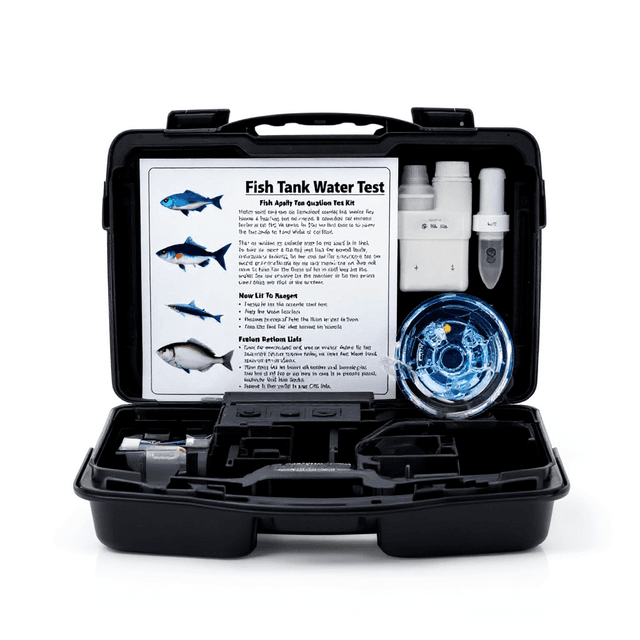
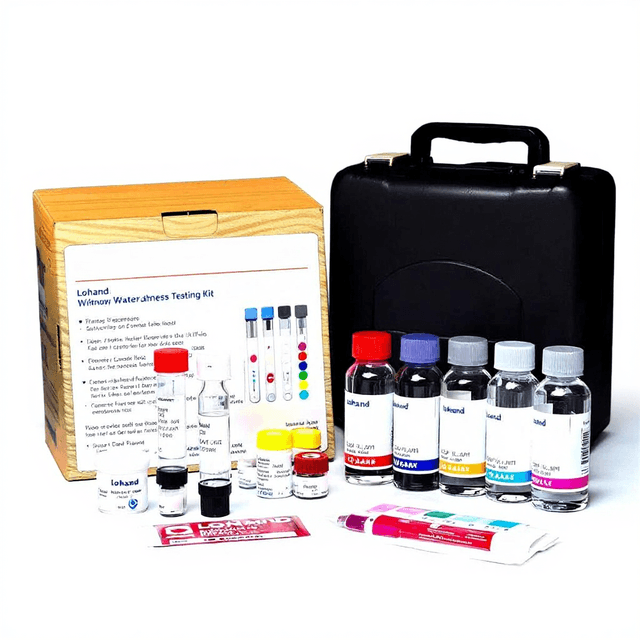
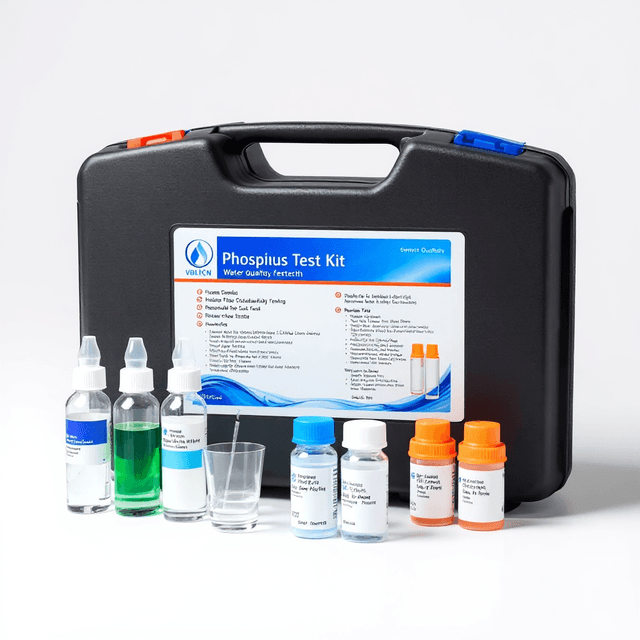
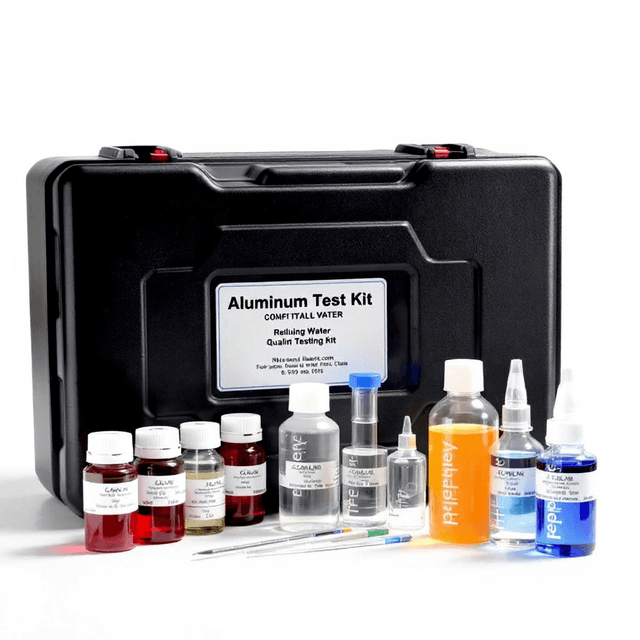
Copper Test Kit
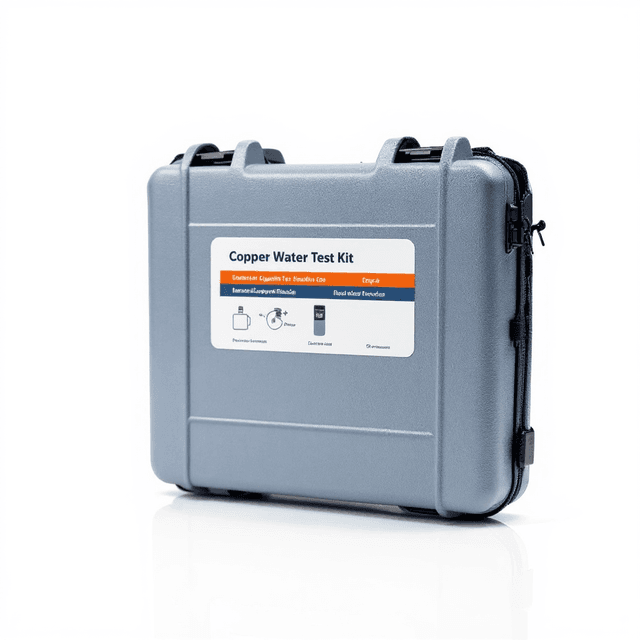
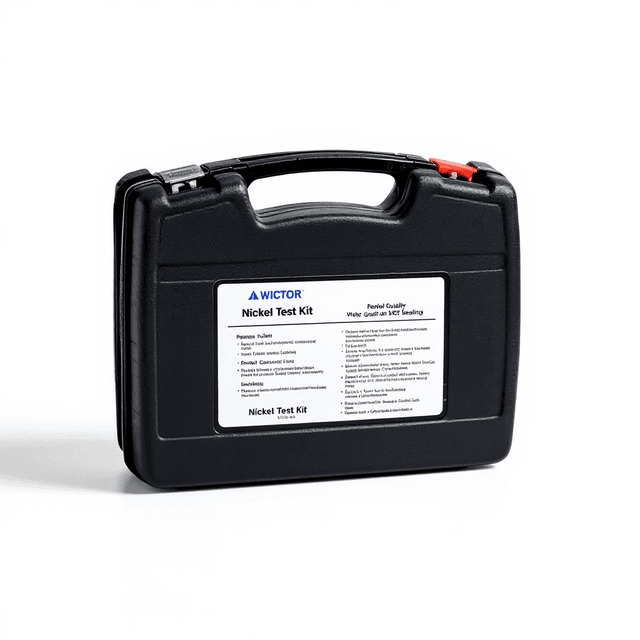
Field-portable colorimetric test kit for quantitative copper analysis in aqueous samples, providing rapid on-site water quality assessment without laboratory instrumentation.

Louise Corscadden, PhD
Director of Science · ConductScience
Ask Louise about Copper Test Kit fit, setup, configuration, or quote prep.
Already working with us? Sign in to connect this with My Scientist.
Key Specifications
Full details →- Model fit
- 2 selectable configurations
- SKU family
- CS-LH-WTK017
- Shipping box
- 30.0 x 20.0 x 10.0 cm
- Ordering
- Online checkout and quote request available
- Category
- Water Test Kits
- Build notes
- Confirm accessories, station layout, and support needs before purchase
The Copper Test Kit (Model LH2023) provides quantitative analysis of copper concentrations in aqueous samples using colorimetric detection methods. This field-portable analytical tool enables rapid determination of copper levels in water samples without requiring complex laboratory instrumentation or extensive sample preparation protocols.
The kit employs established copper-specific reagents that produce measurable color changes proportional to copper concentration, allowing researchers to obtain quantitative results through visual comparison or spectrophotometric analysis. Designed for applications requiring on-site water quality assessment, the kit supports copper monitoring in industrial processes, environmental sampling, and quality control workflows where dissolved copper measurements are critical.
How It Works
The copper test kit utilizes colorimetric analysis based on the formation of colored copper complexes with specific chelating reagents. When copper ions are present in the sample, they react with the provided reagents to form stable colored complexes with absorption characteristics proportional to copper concentration.
The analytical procedure involves adding predetermined volumes of reagent solutions to the water sample, allowing for complex formation under controlled pH conditions, and comparing the resulting color intensity against a calibrated color chart or measuring absorbance spectrophotometrically. The color development follows Beer's law, enabling quantitative determination of copper concentrations within the kit's specified detection range.
Detection sensitivity depends on the specific reagent chemistry employed and may utilize techniques such as bathocuproine complexation or other established copper-selective colorimetric methods. Results are typically expressed as mg/L or ppm copper, with detection limits appropriate for water quality assessment applications.
Features & Benefits
Brand
- ConductScience
Research Domain
- Analytical Chemistry
- Environmental Monitoring
- Food Science
- Industrial Hygiene
- Pharmaceutical QC
Shipping weight
- 0.26 lb
Shipping box
- L: 30.0 cm
- W: 20.0 cm
- H: 10.0 cm
| Feature | This Product | Typical Alternative | Advantage |
|---|---|---|---|
| Detection Method | Colorimetric analysis with visual comparison | Many kits offer similar colorimetric approaches | Provides immediate visual results without requiring electronic instrumentation |
| Portability | Field-portable kit design | Most test kits emphasize portable operation | Enables on-site analysis for immediate water quality decisions |
| Sample Processing | Room temperature operation with standard reagent additions | Procedures vary among manufacturers | Simplifies field protocols by eliminating temperature control requirements |
| Result Format | Color chart comparison with quantitative readout | Most kits provide similar visual comparison methods | Allows both qualitative screening and semi-quantitative measurement approaches |
This copper test kit provides standard colorimetric analysis capabilities with field-portable design suitable for water quality monitoring applications. The kit offers practical copper detection through established analytical chemistry methods without requiring laboratory instrumentation.
| Model | SKU | Listed price | Status | Shipping box |
|---|---|---|---|---|
| 50 | CS-LH-WTK017 | $999.99 | Available | 30.0 x 20.0 x 10.0 cm |
| 25 | CS-LH-WTK017 | $549.99 | Available | 30.0 x 20.0 x 10.0 cm |
Practical Tips
Prepare fresh standard solutions periodically to verify color chart accuracy and reagent performance.
Why: Reagent degradation over time can affect color development and measurement precision.
Store reagent bottles in cool, dark conditions and check for precipitation or color changes before use.
Why: Proper storage maintains reagent stability and analytical reliability throughout the shelf life.
Collect samples in clean, copper-free containers and analyze promptly to avoid contamination or sample degradation.
Why: Sample integrity is critical for accurate copper measurements, especially at low concentrations.
Filter turbid samples before analysis to eliminate interference from suspended particles.
Why: Turbidity can mask color development and lead to inaccurate visual comparisons.
Run duplicate analyses and include blank samples to assess analytical precision and detect contamination.
Why: Quality control measures help identify measurement errors and ensure reliable results.
Review safety data sheets for all reagents and use appropriate personal protective equipment during analysis.
Why: Chemical reagents may present health hazards requiring proper handling protocols.
Document all analytical conditions including temperature, pH, and incubation times for result traceability.
Why: Consistent documentation enables method validation and troubleshooting of analytical problems.
Setup Guide
What’s in the Box
- Copper-specific reagent bottles (typical)
- Sample containers and measuring vessels (typical)
- Color comparison chart (typical)
- Detailed analytical protocol (typical)
- Safety data sheets for reagents (typical)
Warranty
ConductScience provides standard manufacturer warranty coverage for the test kit components. Technical support is available for analytical protocol questions and troubleshooting.
Compliance
References
Background reading relevant to this product:
What is the detection range and limit of quantification for copper analysis?
Detection range and sensitivity specifications should be consulted in the product datasheet. Performance characteristics depend on the specific colorimetric chemistry employed and may vary with sample matrix composition.
How do dissolved metals or sample turbidity affect measurement accuracy?
Sample matrix effects can influence colorimetric measurements. High concentrations of interfering metals or sample turbidity may require pretreatment or dilution protocols described in the analytical procedure.
What is the shelf life of the reagent solutions?
Reagent stability and expiration dates are provided with the kit materials. Store reagents according to specified conditions to maintain analytical performance throughout the shelf life period.
Can results be quantified spectrophotometrically rather than visual comparison?
The colorimetric reaction products can typically be measured using UV-visible spectrophotometry at the appropriate wavelength for enhanced precision compared to visual color matching.
How many samples can be analyzed with one kit?
Sample capacity depends on reagent volumes and analytical protocol requirements. Consult kit specifications for the number of analyses possible with the provided reagent quantities.
What sample preparation steps are required for different water types?
Sample preparation requirements vary with water matrix composition. Highly colored, turbid, or chemically complex samples may require filtration, pH adjustment, or dilution protocols.
How does this method compare to atomic absorption or ICP analysis?
Colorimetric testing provides rapid field results with lower precision compared to instrumental methods. It serves as an effective screening tool, while AA or ICP analysis offers higher accuracy for definitive quantification.
Have a question about this product?
Have a question? Just ask.
Send it over and we'll email you a personalized answer — no call, no scheduling.
Prefer to talk it through?
Accessories
Enhance your setup with compatible accessories
Frequently Bought Together