Extensograph
Measure dough extensibility and stretch resistance with electronic sensor accuracy.
Displays 5 curves simultaneously; USB data output; auto calibration. 300 g flour sample.

Louise Corscadden, PhD
Director of Science · ConductScience
Ask Louise about Extensograph fit, setup, configuration, or quote prep.
Already working with us? Sign in to connect this with My Scientist.
Key Specifications
Full details →- Model fit
- Configured during quote
- SKU family
- AGR-0047
- Sizing
- Model-specific dimensions confirmed from the selected configuration
- Ordering
- Quote-reviewed before fulfillment
- Category
- Agriculture & Food Science
- Build notes
- Confirm accessories, station layout, and support needs before purchase
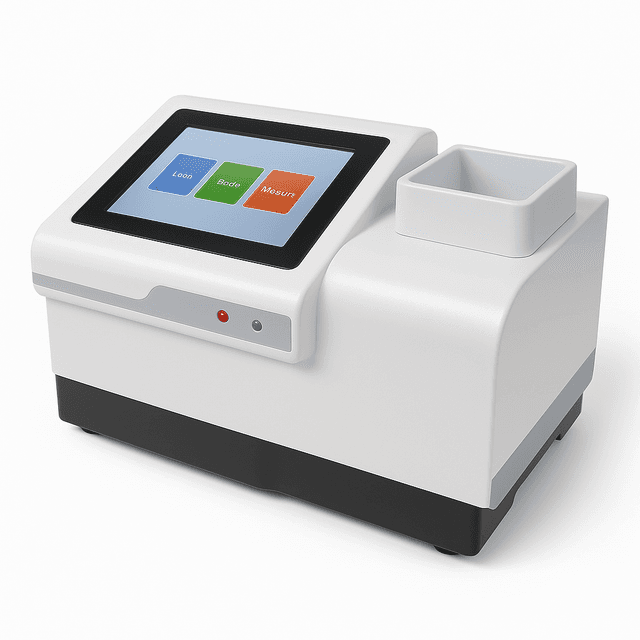
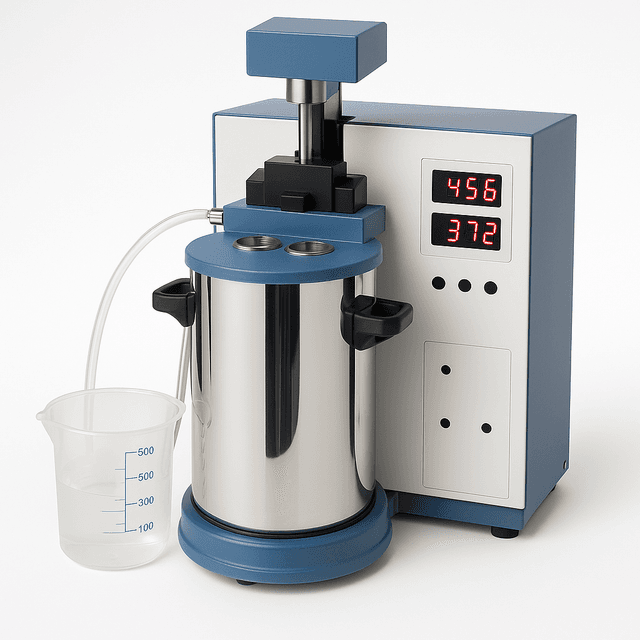
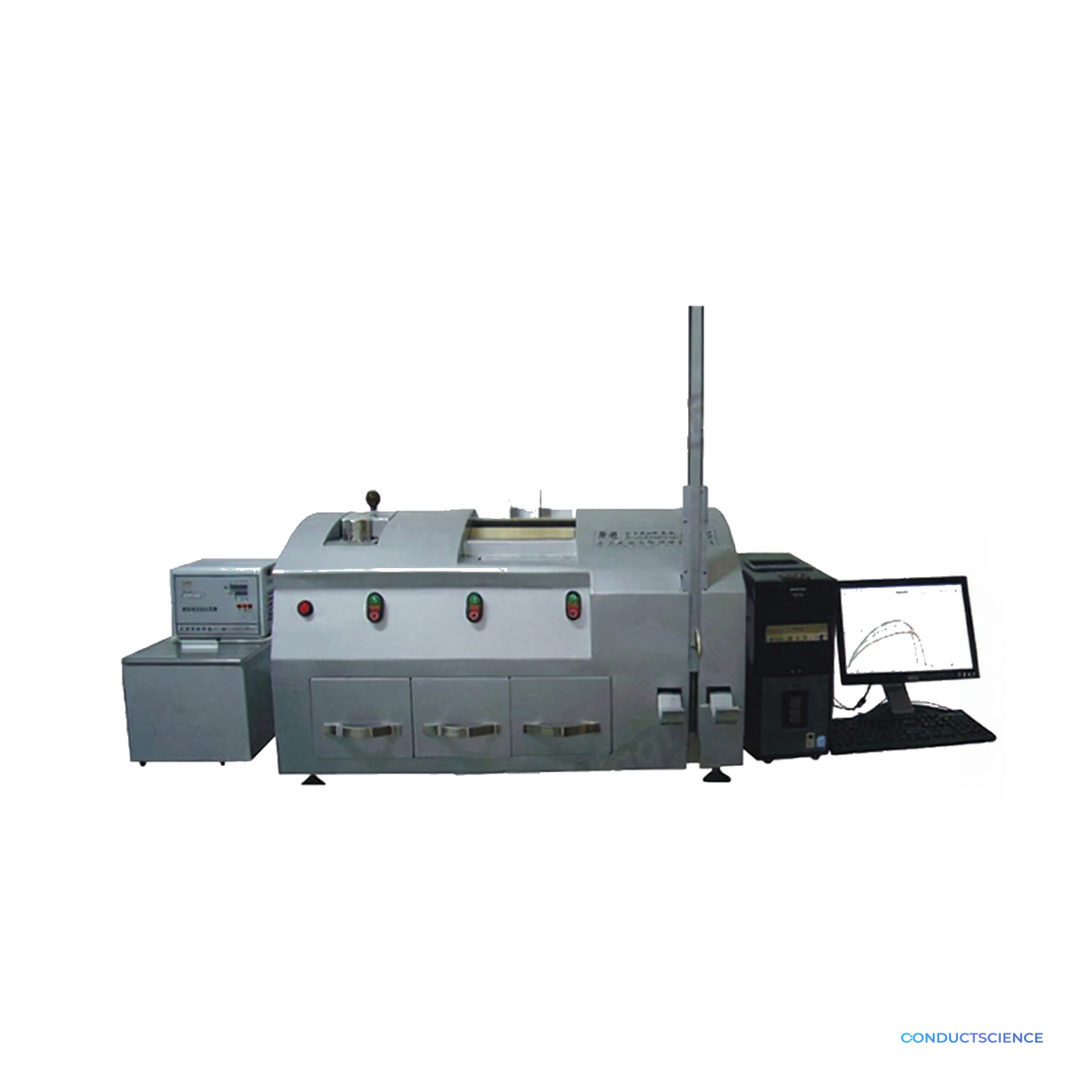
The Extensograph measures the extensibility and resistance-to-extension of dough, giving bakers, cereal scientists, and flour quality labs a direct window into how a flour sample will perform during mixing, fermentation, and baking. By stretching a standardized dough hook to its breaking point, the instrument captures the full tensile curve—from initial resistance through maximum force to rupture—so researchers can compare flour lots, wheat varieties, and recipe modifications on a single, objective scale.
At the heart of the system is an electronic pressure sensor that records stretch resistance with high accuracy, while an automatic zero-calibration routine and automatic chart-start eliminate operator-to-operator variability. Up to five tensile curves can be displayed simultaneously, making side-by-side comparison of fermentation intervals or treatment groups straightforward at a glance. All results are saved to an Access database for convenient retrieval, and data collection and analysis run through a USB-connected computer for an efficient digital workflow.
Sample preparation is handled by integrated kneading-ball and rubbing machines with controlled rotation speeds, ensuring each 300 g flour sample is conditioned consistently before every pull test. The enclosed, drawer-type fermentation box features spring and oil-damping guide rails for smooth operation, along with dustproof and heat-retention design to maintain stable fermentation conditions throughout the rest period.
The Extensograph is suited to quality-control laboratories in flour milling and baking, grain research institutes, and food-science programs studying gluten network development, dough rheology, or the impact of additives and improvers on extensional properties.
Sample Weight
- Flour 300 g + 6 g salt + distilled water
Kneading-Ball Machine Speed
- 83 ± r/min; auto-stop after 20 revolutions
Rubbing Machine Speed
- 15 ± 1 r/min
Hook-Toothed Tape Speed
- 14.5 ± 0.5 mm/s
Tension Test Mode
- Electronic pressure sensor
Computer Connection
- USB
Power Supply
- AC 220 V, 50 Hz
Dimensions (L × W × H)
- 92 × 64 × 95 cm
Weight
- Approximately 115 kg
What sample size does the Extensograph require?
Each test uses 300 g of flour combined with 6 g of salt and distilled water, in line with standard extensograph protocols.
How does the instrument ensure consistent dough preparation before each pull test?
An integrated kneading-ball machine operates at 83 ± r/min and stops automatically after 20 revolutions, while a rubbing machine runs at 15 ± 1 r/min—both controlled automatically to remove manual variability from the preparation step.
Can I compare multiple fermentation intervals on the same screen?
Yes. The Extensograph can display up to five tensile curves simultaneously, so you can overlay results from different rest periods or treatment conditions and assess differences directly.
How are test results stored and accessed?
Results are saved automatically to an Access database. The instrument connects to a computer via USB, and the bundled software handles data collection and analysis, keeping records easy to retrieve and review.
What power supply and space requirements should I plan for?
The Extensograph runs on AC 220 V / 50 Hz. The unit measures 92 cm (L) × 64 cm (W) × 95 cm (H) and weighs approximately 115 kg, so a sturdy bench with adequate clearance is recommended.
Have a question about this product?
Have a question? Just ask.
Send it over and we'll email you a personalized answer — no call, no scheduling.
Prefer to talk it through?
Frequently Bought Together