Behavioral Mazes

Horizontal Grid Test

$790.00 - $890.00

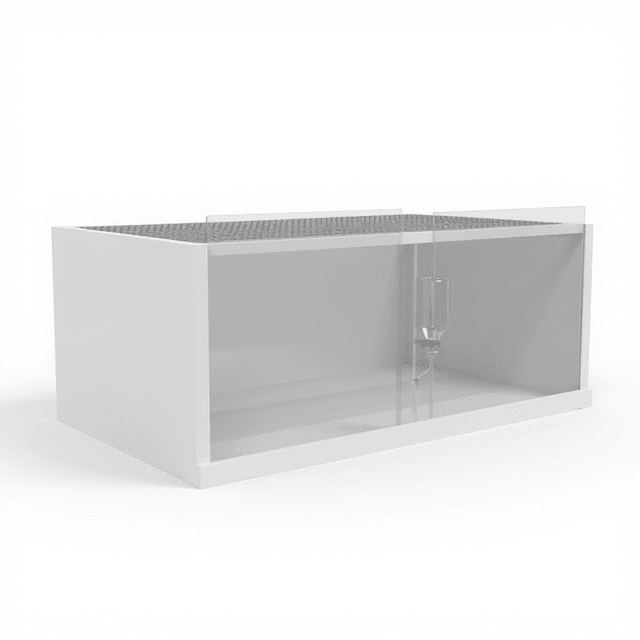
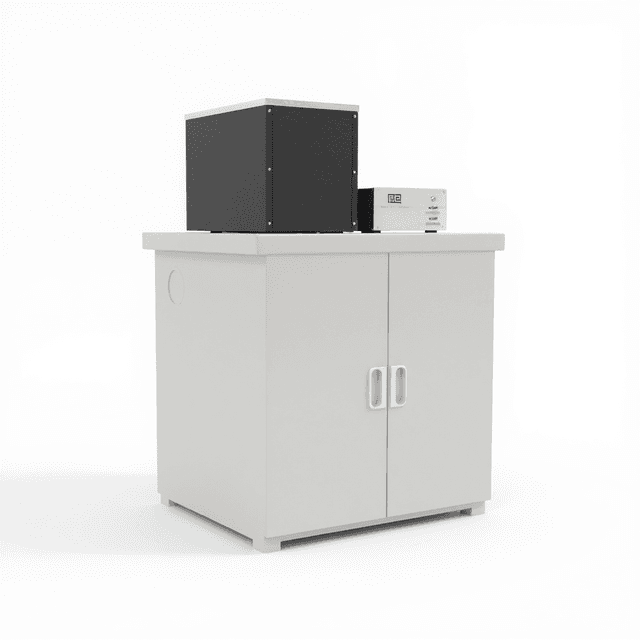
Motor function assessment apparatus measuring grip strength and coordination in rodents using a vertically positioned wire mesh grid system.

Size SKU ME-5002
$890.00
Key Specifications
orientation
vertically positioned
apparatus_type
grid box
Automation Level
manual
Material
Plexiglass
Species
Mouse, Rat
Compatible Tracking Software
ConductVision
SKU:ME-5002
Need Help? Visit our Support CenterKnowledge base, order lookup, and ticket support
Scientist guidance
Louise Corscadden, PhD, Director of Science

Louise Corscadden, PhD

Director of Science · ConductScience

Ask Louise about Horizontal Grid Test fit, setup, configuration, or quote prep.

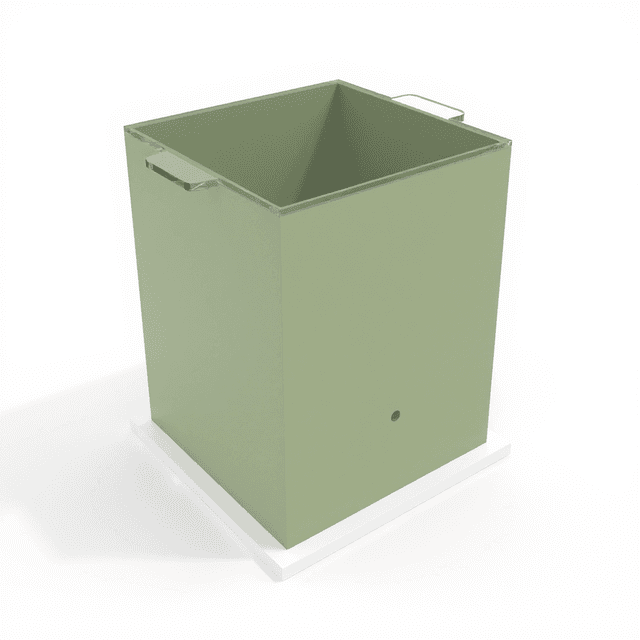
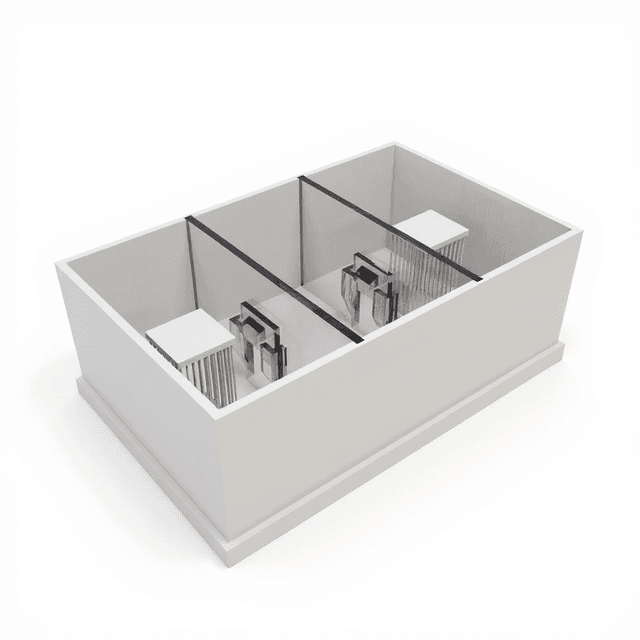
The Horizontal Grid Test is a motor function assessment apparatus used to evaluate grip strength, motor coordination, and neuromuscular function in laboratory rodents. The apparatus consists of a vertically positioned grid box with transparent plexiglass mounting that allows researchers to observe and record animal behavior during the test procedure.

The test measures an animal's ability to maintain grip and coordinate movement while navigating a wire mesh surface. Subjects are placed on the horizontal grid and their latency to fall, grip strength, and movement patterns are recorded. This paradigm is particularly valuable for assessing motor deficits in disease models and evaluating therapeutic interventions targeting neuromuscular function.

How It Works

The Horizontal Grid Test operates on the principle of gravitational challenge combined with grip strength assessment. Animals are placed on the horizontally oriented wire mesh grid while the apparatus is positioned vertically, requiring subjects to maintain grip against gravitational force to prevent falling.

The transparent plexiglass construction allows for continuous behavioral observation and video recording from multiple angles. The wire mesh openings are sized appropriately for each species (0.8 cm for mice, 1.0 cm for rats) to allow secure grip without entrapment. The black acrylic upper section provides visual contrast while the transparent lower section enables clear observation of limb positioning and grip patterns.

Test parameters typically include latency to fall, number of paw slips, and total time spent on the grid. These measurements provide quantitative assessment of grip strength, motor coordination, and neuromuscular function that can be compared across experimental groups and time points.


Features & Benefits

Species-specific wire mesh openings
Optimized grip dimensions (0.8 cm for mice, 1.0 cm for rats) ensure appropriate challenge level while preventing paw entrapment.
Transparent plexiglass construction
Enables clear behavioral observation and video recording from multiple angles for comprehensive motor assessment.
Vertically positioned grid orientation
Provides gravitational challenge that effectively tests grip strength and motor coordination under controlled conditions.
Dual-section mounting design
Black acrylic upper section provides visual contrast while transparent lower section allows detailed observation of limb positioning.
Standardized dimensions
Consistent grid box sizes (12×12 cm mice, 18×18 cm rats) ensure reproducible testing conditions across studies.
Appropriate height mounting
Species-specific heights (20 cm mice, 30 cm rats) provide optimal testing duration while ensuring animal safety.
Durable plexiglass material
Withstands repeated cleaning cycles and provides long-term stability for longitudinal motor function studies.

Accessories

Enhance your setup with compatible accessories

Total: $0.00

Use this apparatus with

The complete Horizontal Grid Test workflow

Track behavior

No exact ConductVision horizontal-grid page is currently published. Hang latency and foot faults are normally captured by a stopwatch and frame-by-frame video rather than overhead tracking; keep automated grip detection as a roadmap gap.

Supporting page not yet built

Run protocol

No exact ConductMaze horizontal-grid protocol is currently published. Grid spacing, inversion timing, the holding-impulse definition, and re-grip rules belong here once the protocol page ships; keep this as a roadmap gap.

Supporting page not yet built

Analyze output

No published grid-specific analyzer is currently available. Latency to fall, foot faults, and holding impulse are normally summarized in a spreadsheet against body weight; keep a dedicated grid scorer as a roadmap gap.

Supporting page not yet built

Configuration considerations

Common Horizontal Grid Test setup decisions

Use these notes to scope species, cohort, tracking, and automation needs. Only verified product or support routes are linked from this section.

This productInvertible grid

Horizontal Grid Apparatus

Wire-mesh grid in an invertible frame with padded landing surface below

Standard configuration for grip endurance and limb placement, scoring latency to fall and foot faults as the animal holds onto a grid that is inverted above a padded surface.

Quote

Request Quote
BuyableMouse or rat

Species-Scaled Grid

Wire diameter and grid spacing scaled for mouse or rat paw size

Wire diameter and grid spacing change grip mechanics and hold times, so the grid geometry should match the paw size and body weight of the species being tested.

Quote

View options ->
SpecialtyFoot-fault scoring

Horizontal-Walk Grid

Horizontal grid walkway with side-view camera for foot-fault counting

Best when the question is limb placement rather than grip endurance, scoring foot faults as the animal walks across a horizontal grid rather than hanging from an inverted one.

Quote

Request automation help

§ 1

Introduction

The Horizontal Grid Test measures neuromuscular grip endurance and limb placement by recording how long a rodent holds onto a wire grid and how often its paws slip through the openings. Tillerson and colleagues used grid-based measures to detect sensorimotor impairments that track neurochemical deficits in mouse models. 1

In the inverted configuration the grid is rotated above a padded surface and the apparatus records latency to fall and maximal hang time, while a horizontal-walk configuration scores foot faults as paws slip through the grid. Together these give a combined index of grip strength, endurance, and limb placement that is sensitive to muscle and motor-system deficits. 1

Body weight, motivation, grid spacing and wire diameter, fatigue across trials, and repeated-trial learning all change hold times and foot faults independent of true neuromuscular function. A defensible protocol fixes the grid geometry and inversion timing, reports body weight, standardizes inter-trial rest, and separates the first trial from later, learning-influenced trials. 1

§ 2

Methods

2.1 Procedure

Inverted-grid hang testing with foot-fault scoring, holding-impulse calculation, and standardized inter-trial rest.

Pre-test setup

  1. 1.Acclimation and habituationHabituate animals to the room and to brief handling so the first measured trial reflects neuromuscular function rather than novelty or handling stress.
  2. 2.Apparatus calibrationVerify grid spacing, wire diameter, inversion height, and the padded landing surface, and confirm the timer and side-view camera capture the moment of fall and individual foot faults.
  3. 3.Set the protocolFix the number of trials, the maximum hang duration, the inter-trial rest interval, and whether the test uses the inverted-hang or horizontal-walk configuration before any data are collected.
  4. 4.Record body weightWeigh each animal before testing, because body weight is a major non-neuromuscular driver of hang time and is needed to compute holding impulse.

Trial sequence

  1. 1.Place on the gridAllow the animal to grip the grid with all four paws, then invert or position the grid according to the protocol and start the timer.
  2. 2.Record latency to fallStop the timer when the animal releases and drops onto the padded surface, capping at the pre-defined maximum hang duration.2
  3. 3.Score foot faultsCount foot faults where a paw slips through the grid openings, scored from side-view video in the horizontal-walk configuration.4
  4. 4.Compute holding impulseMultiply hang time by body weight to express a holding impulse that accounts for the load the animal supported.
  5. 5.Rest and repeatAllow the planned inter-trial rest to limit fatigue, then clean the grid between subjects to remove odor and urine cues before the next trial.

Critical methodological constraints

  • Body weight. Heavier animals fall sooner from an inverted grid independent of neuromuscular function. Report body weight and express results as holding impulse where possible.4
  • Grid geometry. Wire diameter and grid spacing set grip difficulty. Geometry must be held constant across groups so hang times and foot faults are comparable.2
  • Fatigue across trials. Repeated hangs with short rest reduce hold times through fatigue rather than a stable deficit. Standardize the inter-trial rest interval.
  • Repeated-trial learning. Animals can improve grip strategy across trials, so the first trial and later trials measure partly different things. Separate them when interpreting group differences.3

2.2 Measurement & Analysis

Core horizontal-grid endpoints for grip endurance, limb placement, and quality control.

Latency To Fall

Grip endurance (inverted grid)

Time the animal holds onto the inverted grid before releasing, the primary grip-endurance readout.2

Foot Faults

Limb placement

Count of paw slips through the grid openings in the horizontal-walk configuration, indexing limb placement accuracy.4

Holding Impulse

Strength-time

Hang time multiplied by body weight, a strength-time product that adjusts grip endurance for the load supported.

Maximal Hang Time

Endurance ceiling

The longest single hang across trials, capped at the protocol maximum, indexing the endurance ceiling.2

Re-grip Attempts

Quality-control flag

Number of times the animal re-grips or shifts position during a hang; high counts flag an unstable or invalid trial.

+ Additional metrics: body weight, trial number, inter-trial interval, grid spacing, configuration used, and per-trial video notes.

2.3 hold fraction (analysis)

A compact fraction of the testing window the animal spent holding onto the grid.

Inline calculator

Type the values your tracker recorded.

Full calculator with 95% CI ->
Hold fraction

83.3%

Formula: time holding / (time holding + time off-grid) x 100. Interpret with body weight, grid geometry, fatigue, and trial number because hold fraction depends heavily on the load supported and grip difficulty. 1

2.4 sample-size planning

Estimate the N per group needed to detect a literature-anchored motor effect at the endpoint you plan to report. Override the defaults with your own pilot numbers.

sample-size planning

Estimate the N per group needed to detect a literature-anchored motor effect at the endpoint you plan to report. Override the defaults with your own pilot numbers.

MPTP-treated vs control mouse on an inverted grid; representative magnitudes from Tillerson et al. (2002) sensorimotor impairment study.1

Cohen's d

1.96

N per group at 80% power

5

Total N

10

With attrition cushion

12

At 70% / 90% power

4 / 6

Methods sentence

Need ANOVA, proportions, paired design, or a power curve? Open in the full Sample-Size Calculator →

Formula: n = 2 · ((zα/2 + zβ) / d)2, where d = |μ₁ − μ₂| / σ. Assumes equal allocation, normality, and homoskedasticity. The attrition cushion inflates total N by 1 / (1 − dropout); confirm with your IACUC.

§ 3

Results

Aggregate publication data, sample apparatus output, and recent findings from the live PubMed feed.

3.1 Publication trends

PubMed volume and co-occurring behavioral methods for horizontal-grid neuromuscular studies.

Figure 1 · EPM publications by year (PubMed)

The paradigm has been dominant for 40 years and is still growing.

Live · Weekly

2000201020202025 YTD: 46 papers

Total in PubMed since 1985: 940+ papers. Updated 2026-06-12.

Figure 2 · Methods co-occurring with EPM (last 12 months)

Other paradigms most often run alongside EPM in the same paper.

Live

3.2 Sample apparatus output

Representative output from an inverted-grid hang session capped at a 180 s maximum hang duration.

Table 1 · Per-animal EPM scoring output

Download sample CSV →
AnimalGroupLatency to fallFoot faultsMax hangHold fraction
HG-001Control118 s3172 s85.0%
HG-002Control105 s2160 s82.0%
HG-003Control112 s4178 s83.6%
HG-004Impaired58 s998 s54.7%
HG-005Impaired49 s1088 s49.0%
HG-006Impaired61 s8102 s56.5%

Synthetic example for illustration only. Report body weight and express grip endurance as holding impulse before interpreting neuromuscular differences.

3.3 Recent findings (live PubMed feed)

  • Jun 2026Source note

    Inverted-grid methods continue to emphasize body-weight reporting and holding-impulse adjustment.

    Static methods note aligned with Tillerson et al. (2002), Deacon (2013), and Carlson et al. (2010).

    Review grid-test studies for fixed grid geometry, standardized inversion timing and inter-trial rest, reported body weight, and grip endurance expressed as holding impulse before interpreting neuromuscular differences.

    Methods overviewReproducibility
  • Jun 2026Source note

    Horizontal grid as one assay in a motor battery: pair with grip strength, rotarod, and gait analysis.

    Static methods note aligned with Aartsma-Rus & van Putten (2014) and Brooks & Dunnett (2009).

    A single hang time is a screening signal. Neuromuscular deficits are most defensible when confirmed with holding impulse and an independent strength or coordination assay scored in the same cohort.

    Motor batteryGrip endurance

View all 940matching papers on PubMed ->

§ 4

Discussion

Limitations of the paradigm, methodological caveats, and current directions.

4.1 Common confounds

Variables that shift Horizontal Grid Test results independent of anxiety state.

Body weight

Heavier animals fall sooner from an inverted grid independent of neuromuscular function. Report weight and express results as holding impulse where possible.

Motivation

A poorly motivated or stressed animal may release early without a true strength deficit, so handling and habituation must be standardized.

Grid spacing and wire diameter

Grid geometry sets grip difficulty. Wire diameter and spacing must be held constant across groups for hang times and foot faults to be comparable.

Fatigue across trials

Repeated hangs with short rest reduce hold times through fatigue rather than a stable deficit. Standardize the inter-trial rest interval.

Repeated-trial learning

Animals can improve grip strategy across trials, so the first trial and later trials measure partly different things. Separate them when interpreting differences.

Confound checklist

Tick the confounds your protocol addresses, then export a methods-paragraph blurb you can paste into your manuscript.

Preview exported markdown
## Horizontal Grid Test — methods controls

Confounds controlled in this protocol:

- **Body weight.** Heavier animals fall sooner from an inverted grid independent of neuromuscular function. Report weight and express results as holding impulse where possible.
- **Motivation.** A poorly motivated or stressed animal may release early without a true strength deficit, so handling and habituation must be standardized.
- **Grid spacing and wire diameter.** Grid geometry sets grip difficulty. Wire diameter and spacing must be held constant across groups for hang times and foot faults to be comparable.
- **Fatigue across trials.** Repeated hangs with short rest reduce hold times through fatigue rather than a stable deficit. Standardize the inter-trial rest interval.
- **Repeated-trial learning.** Animals can improve grip strategy across trials, so the first trial and later trials measure partly different things. Separate them when interpreting differences.

4.2 Construct validity caveats

The horizontal grid test is strongest when grid geometry, inversion timing, and inter-trial rest are fixed, body weight is reported, and the first trial is separated from later, learning-influenced trials. A single hang time is a screening signal; confirm neuromuscular deficits with holding impulse and an independent strength or coordination assay such as grip strength or the rotarod. 1

4.3 Special considerations

Inverted hang or horizontal walk?

Use the inverted-hang configuration for grip endurance and the horizontal-walk configuration for limb placement and foot faults. The two index different functions and should be reported as distinct endpoints.

Should I report body weight?

Yes. Body weight is one of the largest non-neuromuscular drivers of hang time and is required to compute holding impulse, which adjusts grip endurance for the load the animal supported.

How do I limit fatigue effects?

Standardize the inter-trial rest interval and cap the number of trials. Repeated hangs with short rest reduce hold times through fatigue rather than a stable deficit.

4.4 Current directions

Quarterly editorial review of emerging Horizontal Grid Test methodology. Q2 2026

Methods

Holding-impulse standardization

Expressing grip endurance as hang time multiplied by body weight improves comparability across cohorts that differ in mass.

Emerging

Video-based foot-fault scoring

High-frame-rate side-view video improves foot-fault counting consistency in the horizontal-walk configuration and reduces observer burden.

Methods

Standardized grid geometry

Reporting wire diameter and grid spacing is increasingly expected because grid geometry sets grip difficulty and hang times.

Emerging

Multi-assay motor batteries

The horizontal grid is paired with grip strength, rotarod, and gait analysis to separate neuromuscular strength from coordination and limb placement.

§ 5

References

5 selected methods and validation references for Horizontal Grid Test.

  1. Tillerson JL, Caudle WM, Reveron ME, Miller GW. Detection of behavioral impairments correlated to neurochemical deficits in mice treated with moderate doses of MPTP. Exp Neurol. 2002;178(1):80-90. doi:10.1006/exnr.2002.8021
  2. Deacon RM. Measuring the strength of mice. J Vis Exp. 2013;(76):2610. doi:10.3791/2610
  3. Aartsma-Rus A, van Putten M. Assessing functional performance in the mdx mouse model. J Vis Exp. 2014;(85):51303. doi:10.3791/51303
  4. Carlson CG, Rutter J, Bledsoe C, et al. A simple protocol for assessing inter-trial and inter-examiner reliability for two noninvasive measures of limb muscle strength. J Neurosci Methods. 2010;186(2):226-230. doi:10.1016/j.jneumeth.2009.11.006
  5. Brooks SP, Dunnett SB. Tests to assess motor phenotype in mice: a user's guide. Nat Rev Neurosci. 2009;10(7):519-529. doi:10.1038/nrn2652
Horizontal Grid Test
$790.00 - $890.00
Added to quoteView Quote