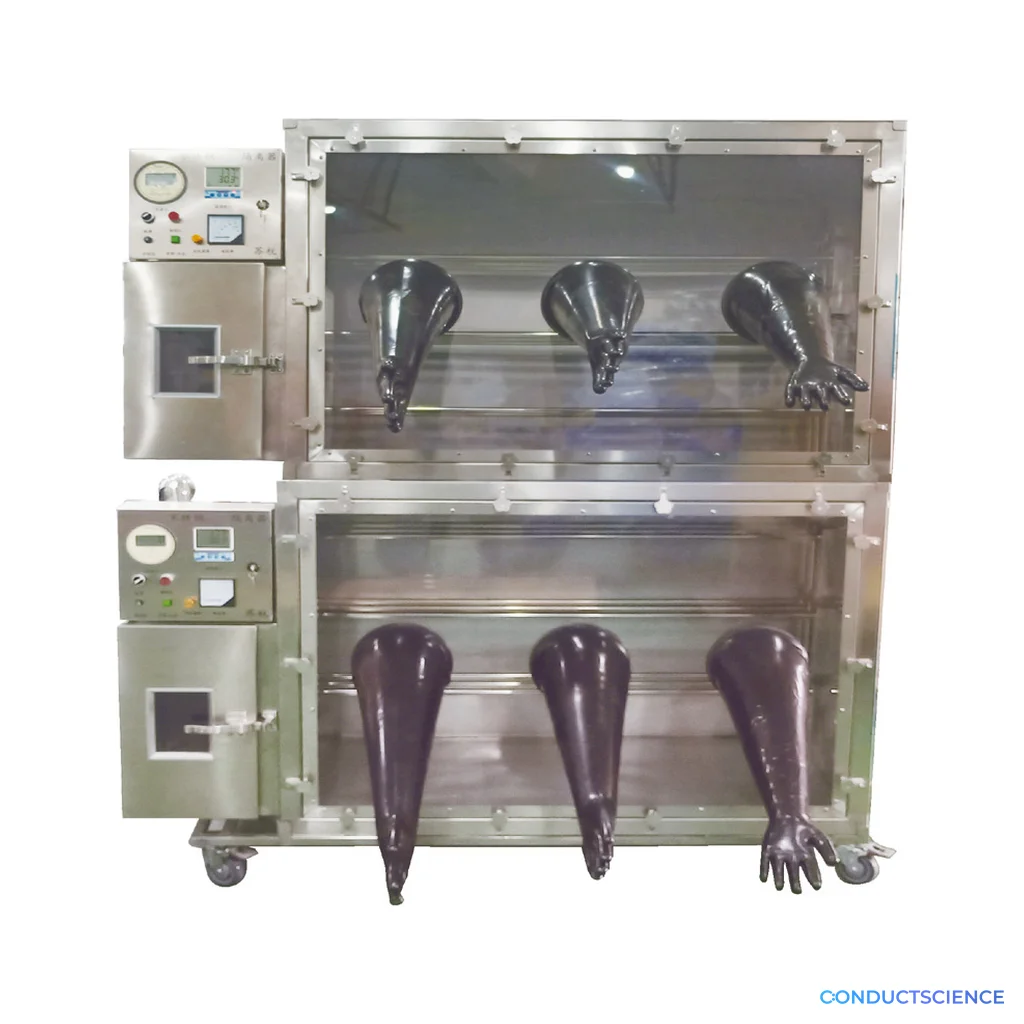
Negative-Pressure Rodent Isolator
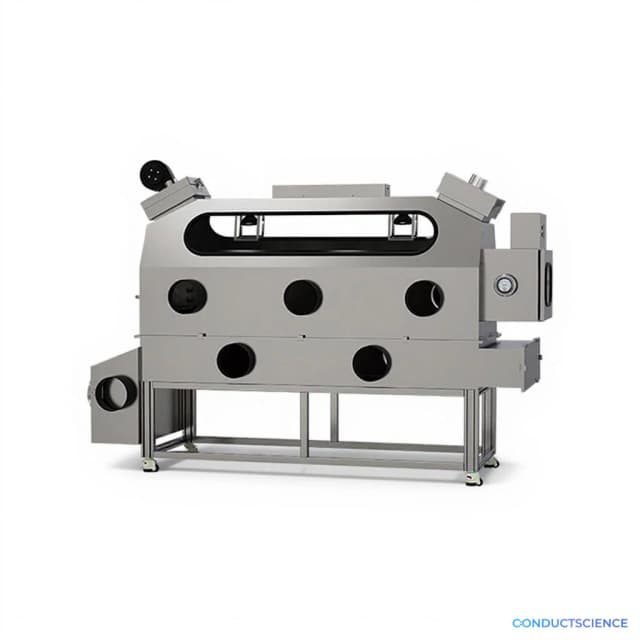
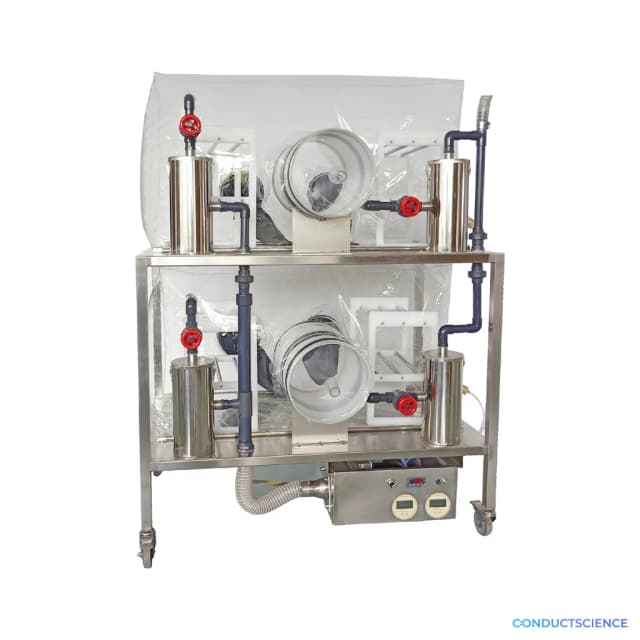
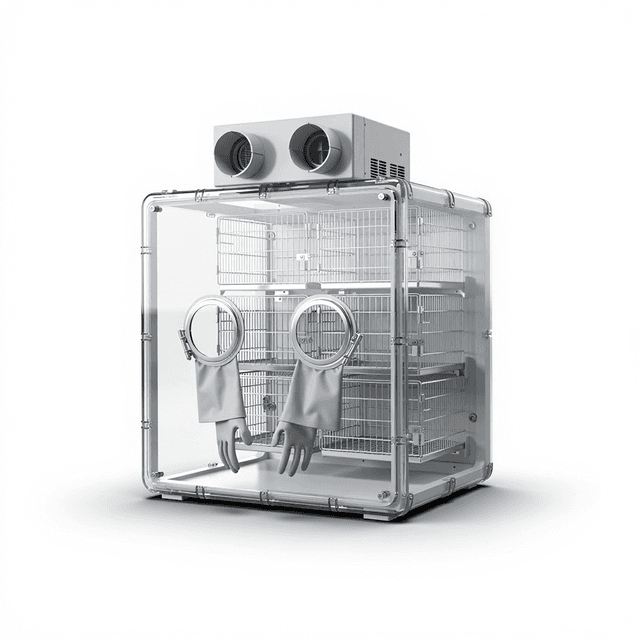
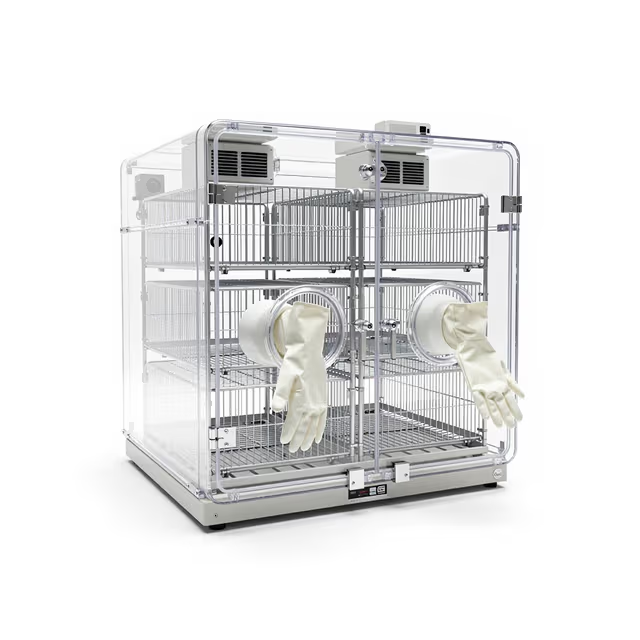
Stainless steel negative-pressure isolator for mouse and rat programs that require a controlled housing boundary and managed exhaust.
The 1860 × 880 × 2200 mm system is documented for -125 to -50 Pa, 20 to 50 air changes per hour, 0.05 to 0.18 m/s airflow, ISO 7 housing cleanliness, ISO 5 exhaust cleanliness, and no detected settling colonies.

Louise Corscadden, PhD
Director of Science · ConductScience
Ask Louise about Negative-Pressure Rodent Isolator fit, setup, configuration, or quote prep.
Already working with us? Sign in to connect this with My Scientist.
Key Specifications
Full details →- External dimensions
- 1860 × 880 × 2200 mm
- Operating pressure
- -125 to -50 Pa
- Air changes
- 20-50 changes/h
- Airflow
- 0.05-0.18 m/s
- Cleanliness
- Housing zone ISO 7 · exhaust ISO 5
- Environmental values
- ≤50 dB(A) · 150-500 lx · settling colonies none detected
Separate rodent housing while controlling the exhaust path
This negative-pressure rodent isolator is intended for mouse and rat programs in which the enclosure boundary, inward airflow, and managed exhaust are part of the approved containment strategy. It differs from a general flexible-film housing isolator because its operating table specifically defines a negative-pressure range and separate cleanliness values for the housing zone and exhaust. The equipment should be evaluated with the institutional risk assessment and animal protocol.
The stainless steel isolator measures 1860 × 880 × 2200 mm. Its documented pressure range is -125 to -50 Pa, with airflow from 0.05 to 0.18 m/s and 20 to 50 air changes per hour. Housing-zone cleanliness is ISO 7 and exhaust cleanliness is ISO 5. Noise is no greater than 50 dB(A), illuminance ranges from 150 to 500 lx, and the settling-colony result is listed as none detected. Commissioning should confirm the selected operating point in the actual room.
Negative pressure changes the way transfers, animal access, sanitation, and failures are managed. The team should define how animals, feed, bedding, water, cages, tools, samples, and waste cross the boundary. Procedures should cover glove inspection, door or transfer operation, pressure recovery, cleaning, decontamination, filter service, alarms, power interruption, and the response to a suspected breach.
The external size requires a coordinated room plan. Check delivery and placement, operator access, observation lines, carts, clean and used material staging, room exhaust capacity, electrical service, controls, alarms, monitoring, and maintenance clearance. Mouse and rat workflows may require different cage arrangements and handling tools, so the quote should state the intended species and housing configuration.
Share the risk assessment, species, cage and cohort plan, study duration, transfer schedule, sanitation and decontamination method, room drawing, exhaust conditions, alarm response, and qualification requirements with ConductScience. The final quote will define the isolator configuration, ventilation and filtration, controls, transfer and husbandry accessories, installation, testing, training, and commissioning. This gives researchers and care teams one documented basis for contained operation.
Features & Benefits
External dimensions
- 1860 × 880 × 2200 mm
Operating pressure
- -125 to -50 Pa
Air changes
- 20-50 changes/h
Airflow
- 0.05-0.18 m/s
Cleanliness
- Housing zone ISO 7 · exhaust ISO 5
Environmental values
- ≤50 dB(A) · 150-500 lx · settling colonies none detected
Quote confirmation
- Species and cage layout, exhaust, controls, alarms, transfer package, installation, and qualification
Setup Guide
What’s in the Box
- Selected negative-pressure rodent isolator; enclosure, ventilation and filtration, controls, transfer and husbandry accessories, and commissioning scope confirmed in the quote
How is this different from a general rodent isolator?
This configuration has a documented negative-pressure range and separate housing-zone and exhaust cleanliness values for containment planning.
Can mice and rats use the same internal setup?
The enclosure supports either species, but the quote should define cage geometry, capacity, handling tools, and care procedures for the intended program.
What must be tested on site?
Test the selected pressure, airflow, cleanliness, exhaust integration, alarms, controls, recovery, transfers, and sanitation workflow in the installed room.
Have a question about this product?
Have a question? Just ask.
Send it over and we'll email you a personalized answer — no call, no scheduling.
Prefer to talk it through?