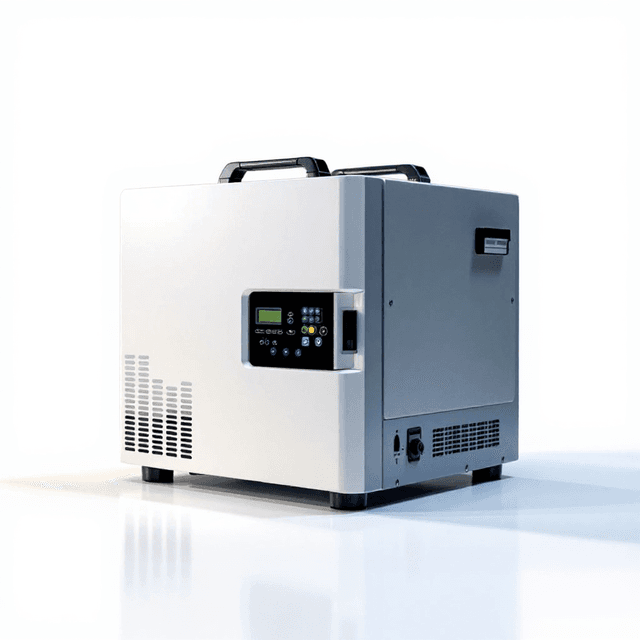
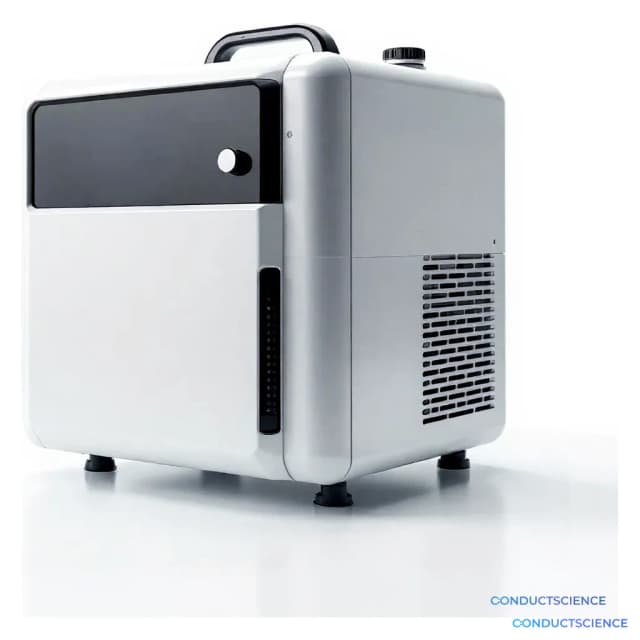
Pure Water Hydrogen Generator
Benchtop electrolytic hydrogen generator producing laboratory-grade hydrogen gas from purified water for analytical applications.

Louise Corscadden, PhD
Director of Science · ConductScience
Ask Louise about Pure Water Hydrogen Generator fit, setup, configuration, or quote prep.
Already working with us? Sign in to connect this with My Scientist.
Key Specifications
Full details →- Model fit
- Configured during quote
- SKU family
- BIO-0741
- Shipping box
- 38.0 x 35.0 x 22.0 cm
- Ordering
- Online checkout and quote request available
- Category
- Gas Generators
- Build notes
- Confirm accessories, station layout, and support needs before purchase
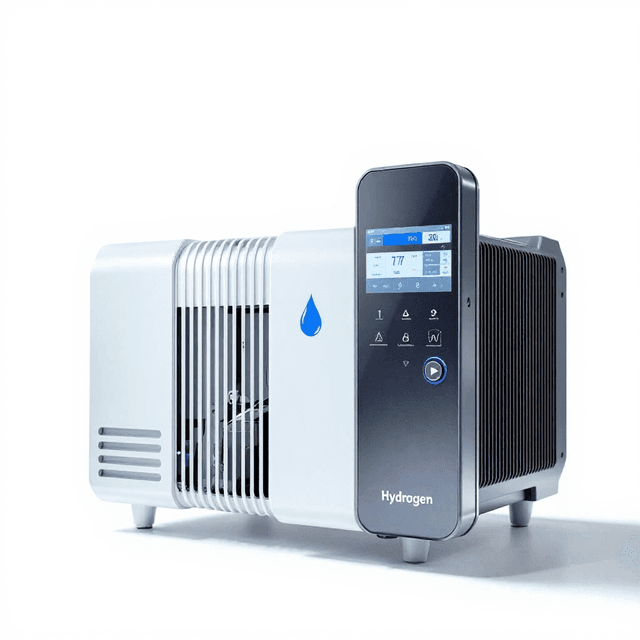
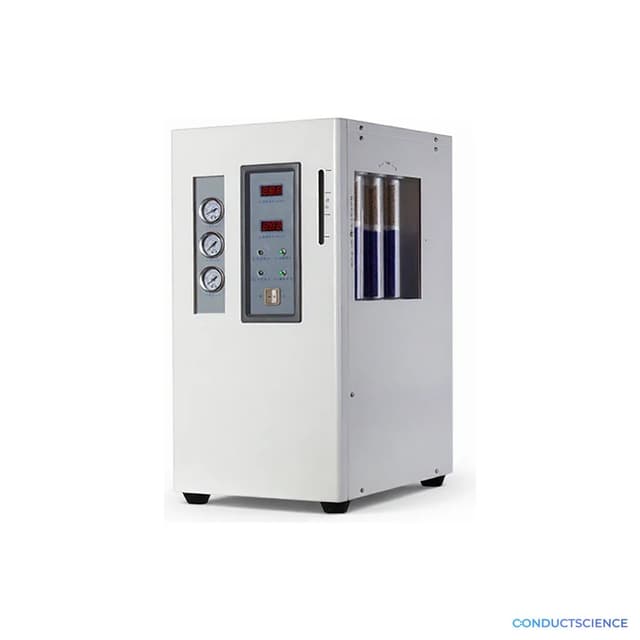
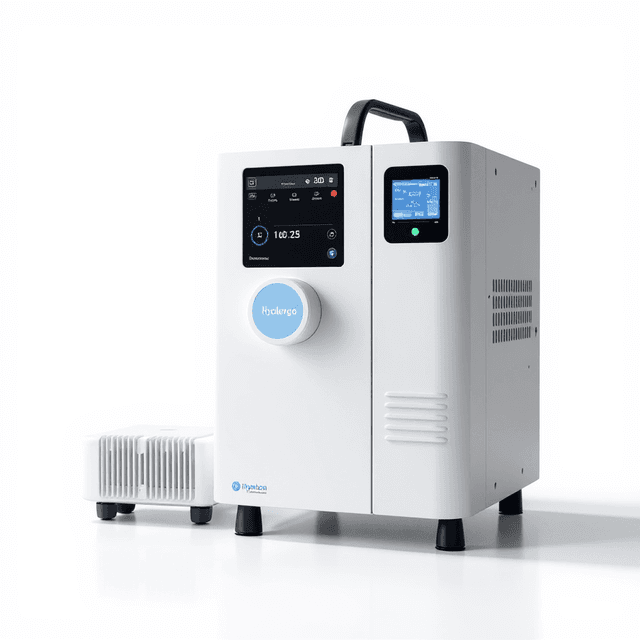
The Pure Water Hydrogen Generator provides laboratory-grade hydrogen gas through electrolysis of purified water. This compact benchtop system produces high-purity hydrogen on-demand, eliminating the need for compressed gas cylinders and their associated safety and logistics concerns. The unit operates through proton exchange membrane (PEM) electrolysis technology to generate hydrogen with minimal trace contaminants.
Designed for analytical applications requiring consistent hydrogen supply, this generator supports gas chromatography, fuel cell research, and materials science applications where hydrogen purity and flow stability are critical. The self-contained design includes integrated safety features and requires only electrical power and deionized water for operation.
How It Works
The system employs proton exchange membrane (PEM) electrolysis to split water molecules into hydrogen and oxygen gases. When electrical current passes through the PEM cell, water molecules at the anode are oxidized to produce oxygen, protons, and electrons. The protons migrate through the selective membrane while electrons travel through the external circuit.
At the cathode, protons and electrons recombine to form pure hydrogen gas. The PEM technology ensures high gas purity by preventing crossover contamination between the hydrogen and oxygen chambers. Internal pressure regulation and flow control systems maintain consistent output conditions.
Water purification requirements are critical for optimal performance, as ionic impurities can affect membrane efficiency and gas purity. The system continuously monitors operational parameters to maintain stable hydrogen production rates and quality.
Features & Benefits
Automation Level
- semi-automated
Research Domain
- Analytical Chemistry
- Environmental Monitoring
- Food Science
- Materials Science
- Pharmaceutical QC
Shipping weight
- 11.0 lb
Shipping box
- L: 38.0 cm
- W: 35.0 cm
- H: 22.0 cm
| Feature | This Product | Typical Alternative | Advantage |
|---|---|---|---|
| Footprint | 38.0 × 35.0 × 22.0 cm benchtop design | Larger systems often require floor mounting or dedicated bench space | Compact design preserves valuable laboratory bench real estate for other instrumentation |
| Weight | 11.0 kg operating weight | Comparable systems range from 15-25 kg | Lower weight facilitates installation and potential relocation within the laboratory |
| Gas Source | Water electrolysis technology | Some systems use chemical reforming or metal hydride storage | Water-based generation eliminates chemical consumables and reduces operational complexity |
| Installation Requirements | Benchtop installation with water and electrical connections | Larger systems may require dedicated utilities or ventilation modifications | Simplified installation reduces setup time and infrastructure requirements |
This generator provides a compact, water-based hydrogen source suitable for standard laboratory environments. The benchtop design and moderate weight facilitate installation while PEM technology offers reliable gas generation from readily available consumables.
Practical Tips
Monitor water resistivity regularly and replace when below 18 MΩ-cm to prevent membrane degradation.
Why: Water quality directly affects membrane life and hydrogen purity output.
Allow system to reach thermal equilibrium before connecting to analytical instruments.
Why: Temperature stability ensures consistent gas flow and pressure for reliable analytical results.
Install hydrogen detection monitors in enclosed spaces and ensure adequate ventilation.
Why: Hydrogen gas accumulation poses explosion risks in poorly ventilated areas.
Verify output flow rate and pressure periodically using calibrated flow meters.
Why: Performance verification ensures analytical instrument requirements are consistently met.
Check water supply and electrical connections if gas output pressure drops unexpectedly.
Why: Insufficient water or power supply commonly causes reduced performance.
Purge gas lines thoroughly after extended shutdown periods before analytical use.
Why: Line purging removes air contamination that could affect analytical measurements.
Setup Guide
What’s in the Box
- Pure Water Hydrogen Generator main unit
- Power cord (typical)
- Water inlet tubing (typical)
- Hydrogen outlet fittings (typical)
- User manual and safety documentation (typical)
- Warranty registration materials (typical)
Warranty
ConductScience provides a standard one-year manufacturer warranty covering defects in materials and workmanship, with technical support available for installation and operational guidance.
Compliance
What water purity requirements are necessary for optimal operation?
The system requires deionized water with resistivity >18 MΩ-cm to prevent membrane contamination and maintain hydrogen purity. Lower quality water can reduce membrane life and gas quality.
How does hydrogen purity compare to compressed cylinder gas?
Consult product datasheet for specific purity specifications. PEM electrolysis typically produces hydrogen with minimal hydrocarbon contamination compared to some cylinder sources.
What maintenance procedures are required for continued operation?
Routine maintenance includes water quality monitoring, periodic membrane inspection, and system performance verification. Detailed maintenance schedules are provided in the user manual.
Can the generator supply multiple analytical instruments simultaneously?
Output capacity and pressure specifications determine multi-instrument compatibility. Consult datasheet for maximum flow rates and consider gas splitting manifolds for multiple connections.
What safety features protect against hydrogen accumulation?
Integrated safety systems include automatic shutdown, pressure relief, and leak detection capabilities. Proper ventilation and gas monitoring are recommended for safe laboratory operation.
How quickly does the system reach stable hydrogen output after startup?
Startup time varies with system design and operating conditions. Consult specifications for warm-up time requirements before analytical use.
What power requirements are needed for installation?
Electrical specifications including voltage, frequency, and power consumption are detailed in the product datasheet. Standard laboratory electrical service is typically sufficient.
Have a question about this product?
Have a question? Just ask.
Send it over and we'll email you a personalized answer — no call, no scheduling.
Prefer to talk it through?
Accessories
Enhance your setup with compatible accessories