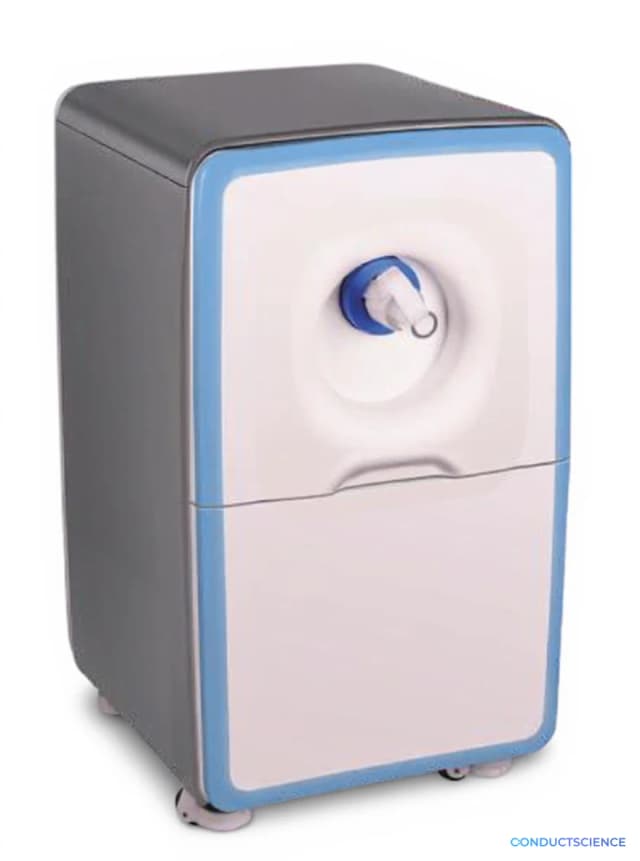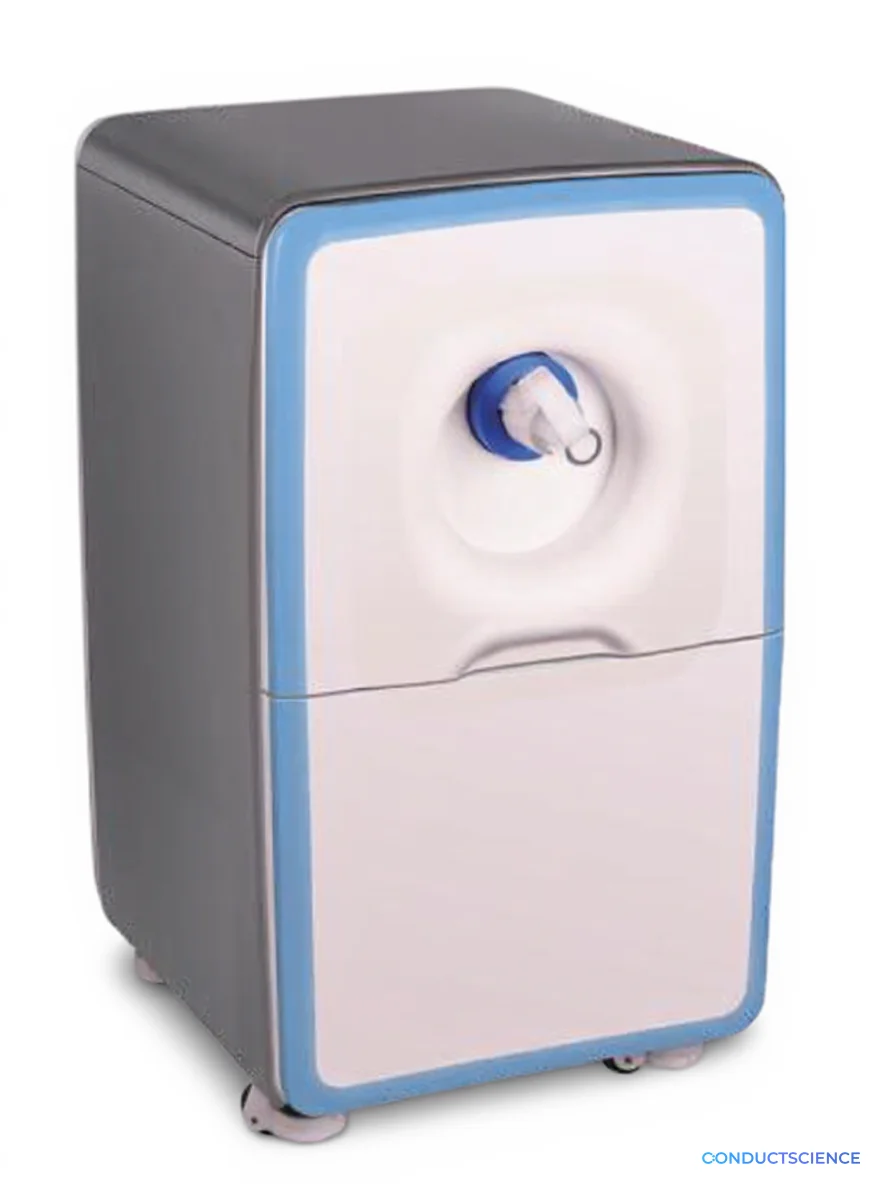
QMR06 Body Composition Analyzer (Mouse Configuration)
QMR06 mouse-configuration body composition analyzer for awake mouse studies from 10-100 g.
Measures fat mass, lean/muscle mass, and free water in under 80 seconds using permanent-magnet low-field quantitative magnetic resonance.

Louise Corscadden, PhD
Director of Science · ConductScience
Ask Louise about QMR06 Body Composition Analyzer (Mouse Configuration) fit, setup, configuration, or quote prep.
Already working with us? Sign in to connect this with My Scientist.
Key Specifications
Full details →- Model fit
- Configured during quote
- SKU family
- NMS-QMR-MOUSE
- Shipping box
- 60.0 x 65.0 x 105.0 cm
- Ordering
- Online checkout and quote request available
- Category
- Small Animal Body Composition
- Build notes
- Confirm accessories, station layout, and support needs before purchase
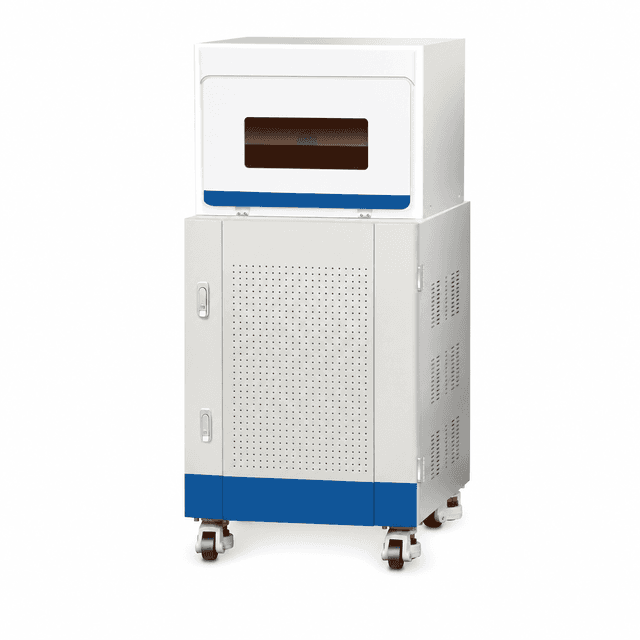
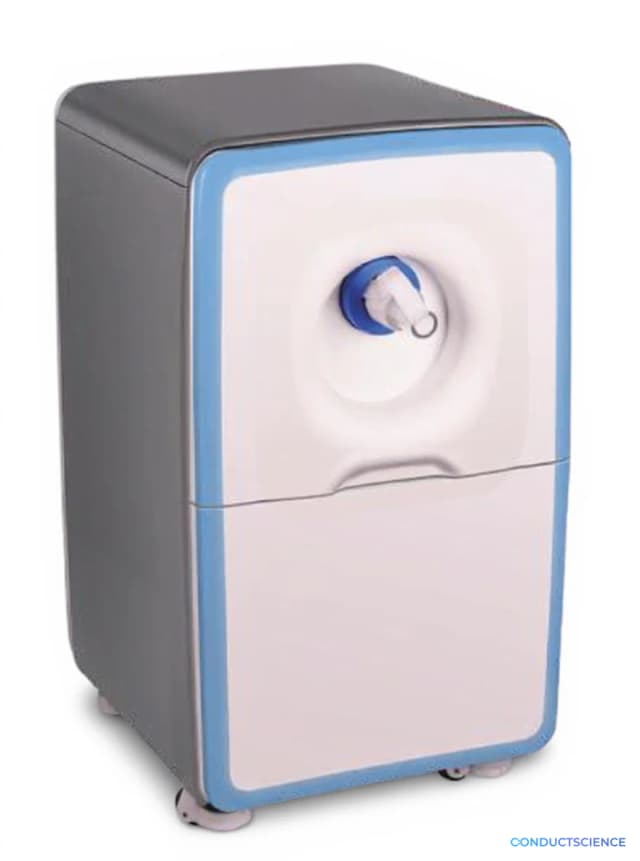
The QMR06 Body Composition Analyzer (Mouse Configuration) is the ConductScience configuration of the QMR06-060H-PRO, a permanent-magnet low-field quantitative magnetic resonance system for mouse metabolic phenotyping. It is designed for awake mouse studies from 10-100 g where researchers need repeated, non-destructive measurements of body composition across the same animals.
Best-fit applications
- Obesity, diabetes, nutrition, aging, cardiovascular, and toxicology studies
- Longitudinal drug-efficacy studies tracking fat and lean mass in the same animals
- Mouse phenotyping workflows that need fast body-composition readouts without endpoint sampling
- Ex vivo tissue studies from 0.1-6 g when the workflow is configured for tissue samples
Source-backed configuration
- Source model: QMR06-060H-PRO
- Sample range: mice 10-100 g with 60 mm probe configuration
- Measurement speed: body-composition analysis within 80 seconds
- Measured outputs: fat content, lean/muscle mass, and free water content
- Repeatability: body fat content standard deviation <= 0.3% across repeated mouse measurements
- Magnet: permanent magnet, 0.15 +/- 0.015 T
- Magnet frequency: 6.387 +/- 0.638 MHz; detected nucleus: 1H
- Field homogeneity: <= 300 ppm over a 60 mm diameter x 140 mm high cylinder
- Field stability: <= 100 Hz/hour
- Temperature control accuracy: <= 0.01 C
- Main unit footprint: 600 x 650 x 1050 mm; approximate source weight: 400 kg
Included system elements to confirm in quote
The source configuration includes the magnet unit, RF unit, temperature-control unit, spectrometer unit, 60 mm probe coil, QMR body-composition analysis software, NMR analysis software, calibration sample, mouse holder/cage, computer peripherals, and service tooling. ConductScience confirms the final included components and support scope before issuing a formal quote.
Facility and workflow notes
The source configuration uses a permanent magnet and does not require cryogens or a shielded room. Standard source operating conditions are 220 V, 50/60 Hz, 1 kW rated power, 22-28 C room temperature, and 30-90% non-condensing humidity. ConductScience confirms power, facility, shipping, training, and warranty details before quote.
Choose the right QMR body-composition configuration
Mouse and rat body-composition analyzers are consolidated as QMR06 configuration choices. Compare QMR06 mouse configuration (QMR06-060H-PRO; Mice 10-100 g; tissues 0.1-6 g; best fit: Mouse metabolic phenotyping and repeated fat/lean/free-water measurement) is the current configuration; QMR06 rat / larger small-animal configuration (QMR06-090H-PRO; Small animals 10-800 g; tissues 0.1-6 g; best fit: Rat and larger small-animal metabolic phenotyping); QMR12 imaging-capable option (QMR12-060H-I; Small animals 15-150 g; tissues 0.1-6 g; best fit: Body-composition quantification plus qualitative fat-distribution imaging). Compare all small animal body-composition configurations. ConductScience keeps the QMR12 imaging-capable analyzer as a separate advanced option and confirms included accessories, installation requirements, and support scope before quote.
How It Works
QMR uses low-field magnetic resonance to measure hydrogen-proton signals from fat, lean tissue, and water-rich compartments. The QMR06-060H-PRO source configuration uses a 0.15 +/- 0.015 T permanent magnet and a 60 mm probe configuration for mouse studies from 10-100 g.
The system separates body-composition signals by their relaxation behavior, allowing repeated non-destructive measurements in awake animals. This supports longitudinal metabolic phenotyping without endpoint tissue collection for every time point.
Features & Benefits
Model
- QMR06-060H-PRO
Suitable For
- Mice 10-100 g
- Ex vivo tissues 0.1-6 g
Technology
- Low-field quantitative magnetic resonance
Magnetic Field Strength
- 0.15 +/- 0.015 T
Measurement Speed
- <= 80 seconds
Repeatability
- Body fat content SD <= 0.3%
Power
- 220 V, 50/60 Hz, 1 kW
Certifications
- CE
- ISO 9001
- ISO 14001
Magnet Type
- Permanent magnet
Probe / Bore
- 60 mm probe configuration
Measured Outputs
- Fat content
- Lean/muscle mass
- Free water content
Facility Notes
- No cryogens
- No shielded room required per source configuration
Source Dimensions
- 600 x 650 x 1050 mm
Source Weight
- Approximately 400 kg
Research Domain
- Metabolic Research
- Obesity Research
- Diabetes Research
- Nutrition Research
- Pharmaceutical QC
- Toxicology
Shipping weight
- 400.0 lb
Shipping box
- L: 60.0 cm
- W: 65.0 cm
- H: 105.0 cm
| Feature | This Product | Typical Alternative | Advantage |
|---|---|---|---|
| Primary workflow | Fast mouse body-composition quantification | Imaging-first anatomical workflows | Short handling time for longitudinal metabolic studies |
| Animal state | Awake monitoring without anesthesia or euthanasia | Anesthesia or endpoint sampling in some alternatives | Reduces anesthesia-related metabolic confounds |
| Facility burden | Permanent magnet; no cryogens or shielded room per source configuration | Higher-field imaging systems may require more facility support | Simpler installation path when source conditions are met |
Use this mouse QMR configuration when repeated fat/lean body-composition measurement is the primary requirement.
Practical Tips
Confirm expected mouse weight range before quote.
Why: The source-backed QMR06-060H-PRO configuration is for mice from 10-100 g.
Specify whether fat, lean/muscle, and free-water outputs are all required.
Why: The mouse source spec supports all three, but quote documents should state required outputs explicitly.
Confirm room temperature, humidity, power, and freight access.
Why: The source spec includes defined operating conditions and an approximately 400 kg system weight.
Setup Guide
What’s in the Box
- QMR06-060H-PRO main system
- 60 mm probe coil
- Body-composition analysis software
- NMR analysis software
- Mouse holder/cage
- Calibration sample
- Computer peripherals and service tooling
- Final included components confirmed in quote
Warranty
The source quote lists a 12-month warranty, remote training, and remote service/diagnostics. ConductScience confirms final warranty, training, installation, and support scope in the customer quote.
Compliance
What animal size range is source-backed?
The QMR06-060H-PRO source configuration supports mice from 10-100 g and ex vivo tissues from 0.1-6 g.
What does it measure?
The local source spec supports fat content, lean/muscle mass, and free water content for the mouse configuration.
Does it need cryogens or a shielded room?
The local source spec states that the QMR06-060H-PRO configuration does not need cryogens or a shielded room.
Have a question about this product?
Have a question? Just ask.
Send it over and we'll email you a personalized answer — no call, no scheduling.
Prefer to talk it through?
Frequently Bought Together