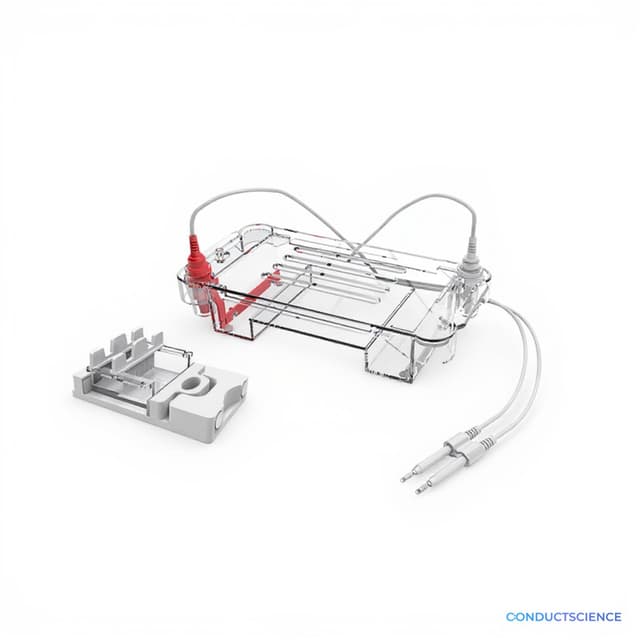
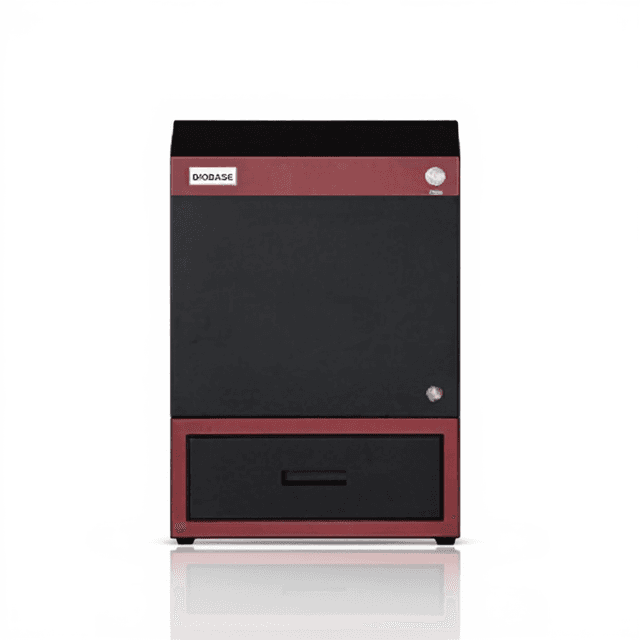
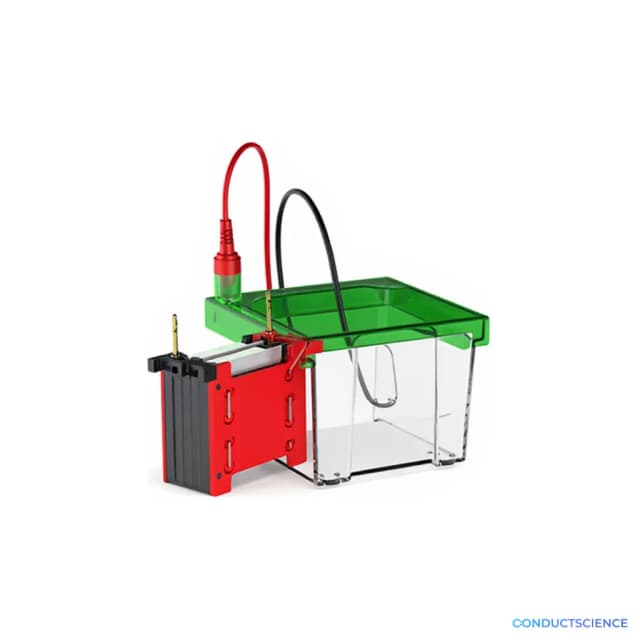
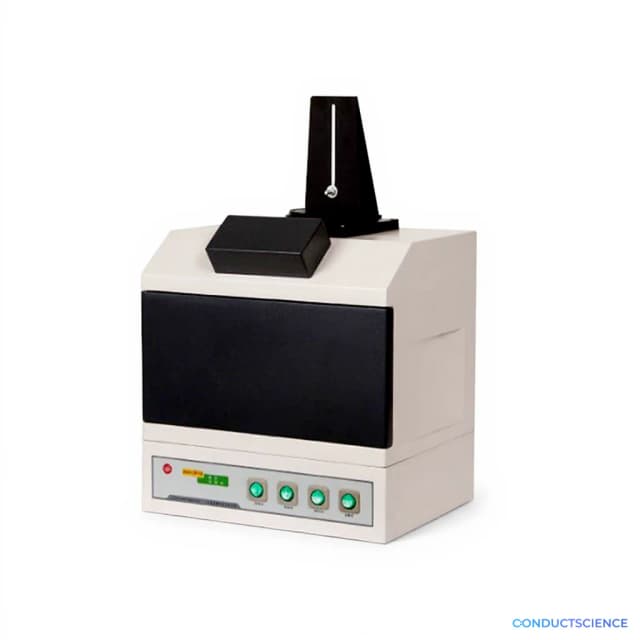
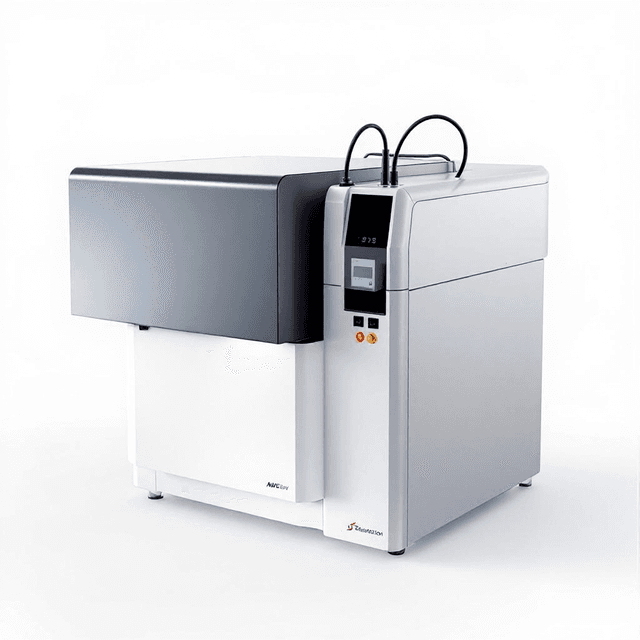
Vertical Electrophoresis Tank
Dual-model vertical electrophoresis system for polyacrylamide gel electrophoresis of proteins and nucleic acids, accommodating 10-40 samples with 1-4 gel cassettes and controllable gel thickness (0.75-1.5mm).

Louise Corscadden, PhD
Director of Science · ConductScience
Ask Louise about Vertical Electrophoresis Tank fit, setup, configuration, or quote prep.
Already working with us? Sign in to connect this with My Scientist.
Key Specifications
Full details →- Model fit
- Configured during quote
- SKU family
- Assigned during quote
- Shipping box
- 45.0 x 45.0 x 40.0 cm
- Ordering
- Online checkout and quote request available
- Category
- Gel & Protein Analysis
- Build notes
- Confirm accessories, station layout, and support needs before purchase
The Vertical Electrophoresis Tank is a laboratory instrument designed for polyacrylamide gel electrophoresis (PAGE) separation of proteins and nucleic acids. This dual-model system accommodates 10-40 samples per run using a vertical gel format that provides high-resolution separation with controllable gel thickness from 0.75-1.5mm. The modular design supports 1-4 gel cassettes simultaneously, enabling parallel processing of multiple sample sets for increased laboratory throughput.
The system includes comprehensive glass plate assemblies, precision spacers, and multi-well combs to support routine electrophoretic separations across protein analysis, nucleic acid characterization, and molecular biology applications. The tank design accommodates various buffer volumes to maintain stable electrical field conditions during extended separation protocols, with the capacity to handle specialized techniques including SDS-PAGE, native PAGE, bis-tris gel electrophoresis, and urea PAGE protocols.
How It Works
Vertical electrophoresis operates on the principle of charge-based molecular separation through a polyacrylamide gel matrix. Proteins and nucleic acids migrate through the gel pores under the influence of an applied electric field, with separation occurring based on molecular size, charge, and conformation. The vertical orientation provides superior resolution compared to horizontal systems by creating a uniform electric field and allowing precise control of migration distance.
The polyacrylamide gel matrix is formed by cross-linking acrylamide monomers with bis-acrylamide, creating a molecular sieve with controllable pore size. Sample molecules enter the gel through loading wells and migrate toward the electrode of opposite charge. Smaller molecules move faster through the gel matrix, while larger molecules encounter greater resistance, resulting in size-based separation. The dual-gel system allows simultaneous processing of multiple samples under identical electrophoretic conditions.
Buffer ions maintain electrical conductivity and pH stability throughout the separation process. The tank design ensures even current distribution across all gel positions, while the glass plate assembly provides optical clarity for real-time migration monitoring and accurate band visualization.
Features & Benefits
Shipping weight
- 4.5 lb
Shipping box
- L: 45.0 cm
- W: 45.0 cm
- H: 40.0 cm
| Feature | This Product | Typical Alternative | Advantage |
|---|---|---|---|
| Sample Capacity | 10-40 samples per run with dual-model configuration | Entry-level systems often limited to 8-15 samples | Higher throughput capability reduces processing time and increases experimental efficiency for laboratories with varying sample loads. |
| Gel Cassette Configuration | 1-4 gel cassettes simultaneously | Basic models typically handle 1-2 cassettes maximum | Parallel processing capability enables comparative studies and controls to be run under identical conditions. |
| Gel Thickness Control | Adjustable 0.75-1.5mm with precision spacers | Fixed thickness options or less precise adjustment methods | Optimizes separation conditions for different protein sizes and detection methods without equipment limitations. |
| Protocol Compatibility | SDS-PAGE, native PAGE, bis-tris, urea PAGE protocols | Standard systems often limited to SDS-PAGE only | Versatile platform supports diverse experimental approaches from protein denaturation to enzyme activity studies. |
| Physical Dimensions | 45cm × 45cm × 40cm footprint | Varies by model and configuration | Compact design fits standard laboratory benchtops while accommodating multiple gel cassettes. |
| System Weight | 4.5kg instrument weight | Varies by construction and capacity | Manageable weight for benchtop repositioning while maintaining structural stability during electrophoresis. |
This vertical electrophoresis system offers exceptional versatility through its dual-model configuration, multi-protocol compatibility, and parallel processing capabilities. The adjustable gel thickness and modular cassette design provide research flexibility while maintaining the precision required for reproducible protein and nucleic acid separations.
Practical Tips
Pre-cool gel cassettes and running buffer to 4°C before electrophoresis to minimize band diffusion and improve resolution.
Why: Lower temperatures reduce thermal effects and molecular motion that can cause band spreading during separation.
Clean glass plates immediately after use with mild detergent and inspect for scratches or chips before storage.
Why: Prompt cleaning prevents polyacrylamide residue buildup and maintains optical clarity for accurate band visualization.
Verify electrode polarity and electrical connections before each run using a multimeter to ensure proper current flow.
Why: Incorrect polarity can cause samples to migrate in the wrong direction, resulting in sample loss and failed separations.
Include molecular weight standards in each gel to enable accurate protein size determination and gel-to-gel comparison.
Why: Migration patterns can vary between runs due to gel composition and electrophoretic conditions.
If bands appear distorted or uneven, check spacer alignment and ensure uniform gel thickness across the cassette.
Why: Uneven gel thickness creates non-uniform electric fields that cause irregular migration patterns and poor separation quality.
Always disconnect power supply before handling gel cassettes and wear appropriate protective equipment when working with acrylamide solutions.
Why: Electrical shock hazards and acrylamide toxicity require proper safety protocols during gel preparation and handling.
Allow gels to polymerize completely (minimum 45 minutes) before removing combs to prevent well deformation.
Why: Incomplete polymerization results in irregular well shapes that affect sample loading and migration uniformity.
Store glass plates vertically in protective sleeves to prevent breakage and maintain surface quality between uses.
Why: Proper storage prevents damage and contamination that could affect gel casting quality and separation performance.
Setup Guide
What’s in the Box
- Vertical electrophoresis tank assembly
- Glass plate sets with alignment system
- Spacer kit (0.75mm, 1.0mm, 1.5mm)
- Multi-well combs (various lane configurations)
- Buffer chamber components
- Electrode assemblies and cables
- Gel casting stands and clamps
- User manual with protocol examples
- Cleaning and maintenance kit (typical)
Warranty
ConductScience provides a comprehensive 1-year manufacturer warranty covering defects in materials and workmanship, along with technical support for protocol optimization and troubleshooting assistance.
Compliance
References
Background reading relevant to this product:
What gel thickness options are available and how does this affect separation resolution?
The system accommodates gel thickness from 0.75-1.5mm using precision spacers. Thinner gels (0.75mm) provide faster separation and higher resolution for small proteins, while thicker gels (1.5mm) allow larger sample volumes and better separation of high molecular weight proteins. Consult your protocol requirements for optimal thickness selection.
Can this system handle different PAGE protocols beyond standard SDS-PAGE?
Yes, the system supports multiple electrophoresis protocols including SDS-PAGE, native PAGE, bis-tris gel electrophoresis, and urea PAGE. The modular design accommodates different buffer systems and gel formulations required for specialized separation techniques.
How many samples can be processed simultaneously and what determines capacity?
Sample capacity ranges from 10-40 samples per run depending on the model configuration and comb selection. The system accepts 1-4 gel cassettes simultaneously, with final capacity determined by the number of wells per comb and cassettes used.
What buffer volumes are required for stable electrophoretic conditions?
Buffer volume requirements vary with cassette configuration and protocol specifications. Consult the product datasheet for specific volume recommendations based on your gel setup and intended separation time.
Is the system compatible with downstream applications like Western blotting?
Yes, the glass plate assembly provides easy gel removal for downstream applications including Western blot transfer, protein staining, or autoradiography. The vertical format ensures uniform protein separation ideal for subsequent transfer procedures.
What maintenance is required to ensure consistent performance?
Regular cleaning of glass plates with appropriate detergents, inspection of electrode connections for corrosion, and verification of spacer alignment are essential. Buffer chambers should be cleaned after each use to prevent contamination and maintain electrical conductivity.
How does this compare to horizontal electrophoresis systems?
Vertical electrophoresis provides superior protein separation resolution compared to horizontal systems due to uniform electric field distribution and precise migration control. The vertical orientation also facilitates easier gel handling and sample loading for protein applications.
What power supply specifications are recommended for optimal performance?
The system requires a constant voltage power supply capable of delivering 100-200V depending on gel type and desired separation speed. Current and power ratings should match your specific electrophoresis protocol requirements.
Have a question about this product?
Have a question? Just ask.
Send it over and we'll email you a personalized answer — no call, no scheduling.
Prefer to talk it through?
Accessories
Enhance your setup with compatible accessories
Frequently Bought Together