1 / 4
Self Administration Chamber
SKU ME-5842
In Stock — ships now$7,450.00
IncludesStandard care
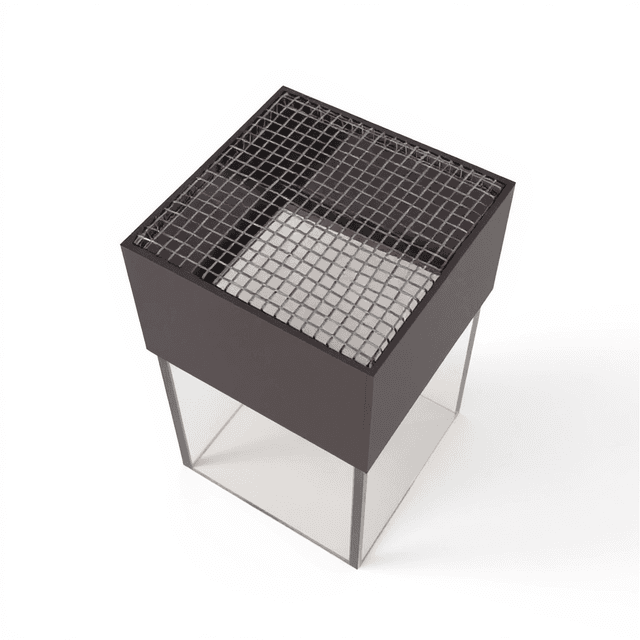
Operant conditioning chambers for behavioral pharmacology and reinforcement studies, featuring dual response mechanisms, floor grids, pellet dispensers, and integrated syringe pump systems.
Scientist guidance

Louise Corscadden, PhD
Director of Science · ConductScience
Ask Louise about Self Administration Chamber fit, setup, configuration, or quote prep.
Already working with us? Sign in to connect this with My Scientist.
Key Specifications
Full details →- Model fit
- Mouse, Rat
- SKU family
- ME-5841/ME-5842
- Sizing
- Mouse: Single chamber size 18 cm; Rat: Single chamber size 26 cm
- Ordering
- Online checkout and quote request available
- Category
- Behavioral Mazes
- Build notes
- acrylic walls, aluminum frame
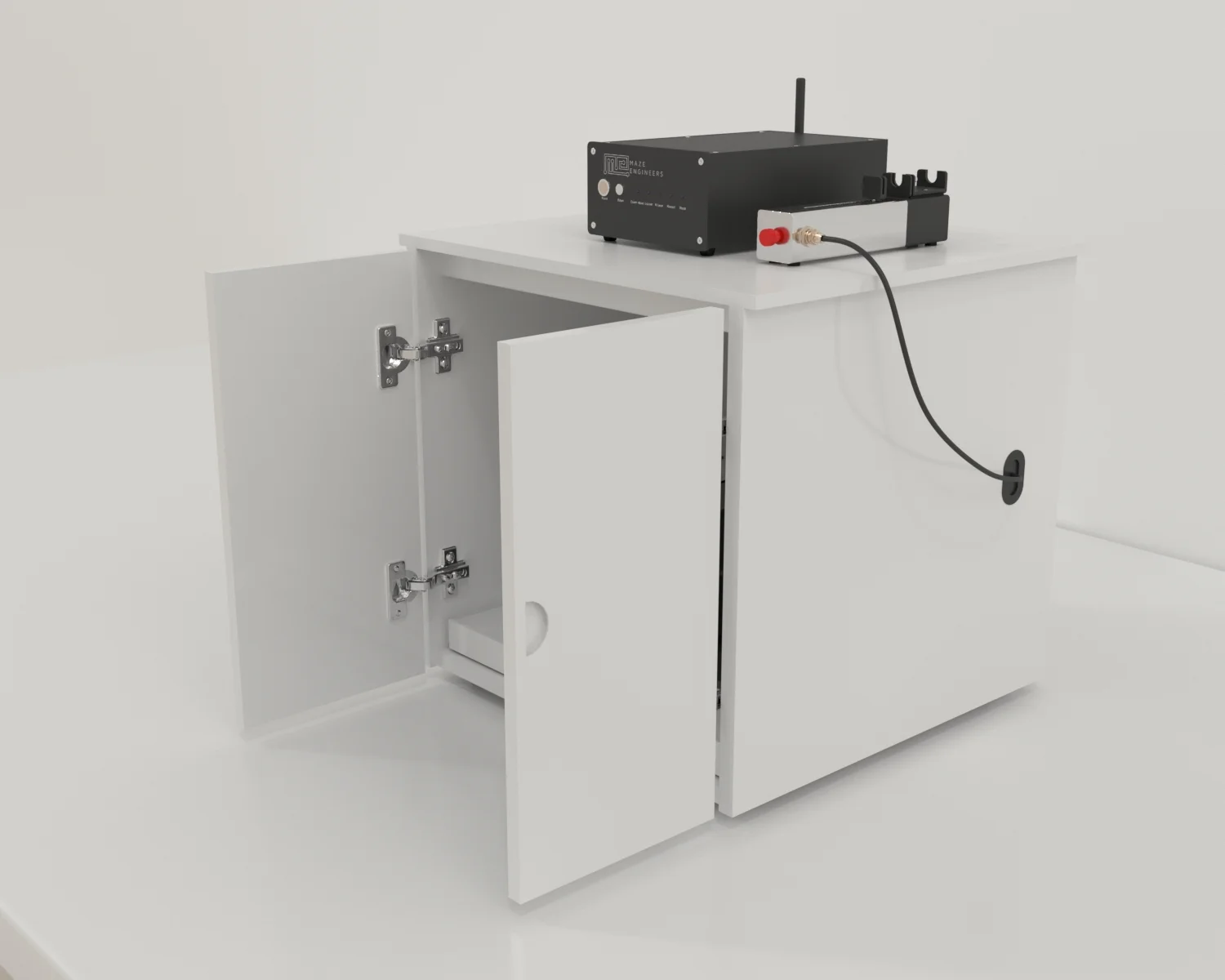
The Self Administration Chamber is a comprehensive operant conditioning system designed for controlled behavioral pharmacology and reinforcement studies. The system enables precise investigation of motivated behaviors, reward-seeking responses, and reinforcement schedules in mouse and rat models. Each chamber features dual operant response mechanisms (levers or nose pokes), dual LED visual stimuli, integrated floor grids for aversive conditioning, dual pellet dispensers for food reinforcement, and a syringe pump system for precise intravenous delivery.
The apparatus operates within sound-attenuating isolation cubicles equipped with speakers, house lights, circulation fans, and infrared illumination for behavioral monitoring. The modular design supports up to 16 chambers simultaneously, with wireless connectivity and standardized control interfaces. Chamber dimensions are optimized for species-specific behavioral requirements, with mouse chambers measuring 18 x 18 x 20 cm and rat chambers measuring 26 x 26 x 25 cm internally.
How It Works
The Self Administration Chamber operates on operant conditioning principles, where animals learn to perform specific behaviors (lever pressing or nose poking) to obtain rewards or avoid aversive stimuli. The system precisely controls stimulus presentation timing, response detection, and reinforcement delivery through computer-controlled interfaces. When an animal performs the target response, sensors detect the action and trigger programmed consequences such as pellet dispensing, infusion delivery, or stimulus presentation according to predetermined reinforcement schedules.
The syringe pump system enables controlled intravenous delivery through chronically implanted catheters, allowing researchers to study self-administration behaviors with precise dose control. Visual LED cues and auditory tones serve as discriminative stimuli to signal reinforcer availability or specific experimental conditions. The floor grid provides aversive conditioning capabilities, with current delivery ranging from 0.1 to 4.0 mA in 0.1 mA increments.
Data acquisition occurs continuously throughout sessions, recording response latencies, inter-response intervals, reinforcement rates, and behavioral patterns. The sound-attenuating isolation cubicles minimize external distractions while internal circulation fans maintain appropriate air exchange and infrared illumination enables behavioral monitoring without disrupting natural light/dark cycles.
Features & Benefits
Dual Response Mechanisms
Enables complex behavioral paradigms and choice procedures with simultaneous lever press and nose poke monitoring for comprehensive operant analysis.
Integrated Syringe Pump System
Provides precise intravenous delivery with programmable infusion rates and volumes for controlled self-administration studies.
Species-Optimized Dimensions
Chamber sizes tailored to mouse (18x18x20 cm) and rat (26x26x25 cm) behavioral requirements ensure appropriate response positioning and movement patterns.
Adjustable Floor Grid Configuration
Adjustable current delivery (0.1-4.0 mA) with species-specific rod spacing enables precise aversive conditioning procedures.
Multi-Modal Stimulus Control
Combined LED visual cues, auditory tones (100-20,000 Hz), and programmable house lighting create complex discriminative stimulus environments.
Sound-Attenuating Isolation
Individual isolation cubicles with circulation fans minimize external distractions and maintain consistent environmental conditions across all testing chambers.
Scalable System Architecture
Supports up to 16 chambers simultaneously with wireless connectivity for high-throughput behavioral studies.
Dual Pellet Dispensing
Two independent pellet dispensers per chamber enable complex reinforcement schedules and concurrent choice procedures with different reward magnitudes.
Sizes by model
| Measurement | Mouse | Rat |
|---|---|---|
| Single chamber size | 18 cm | 26 cm |
- (2) Levers or Nose Pokes
- (2) LED visual stimuli
- (1) Shock Grid
- (2) Pellet Receptacles
- (2) Pellet Dispenser
- (1) Syringe pump system
- Feces and urine tray
- Isolation cubicle with (1) speaker, (1) house light, (1) circulation fan, (1) IR light after fan
Chamber Interior Dimensions Mouse
- 18 x 18 x 20 cm (width x depth x height)
Chamber Interior Dimensions Rat
- 26 x 26 x 25 cm (width x depth x height)
Nose Poke Aperture Dimension
- 1.3 x 1.2 x 1.2 cm width x height x depth
Nose Poke Apertures
- Two
Nose Poke Height Above Floor
- 1 cm
Shock Current Range
- 0.1 to 4.0 mA in 0.1 mA steps
Grid Floor Mouse Rod Diameter
- 4mm
Grid Floor Mouse Spacing
- 5 mm
Grid Floor Rat Rod Diameter
- 6mm
Grid Floor Rat Spacing
- 10mm
Pellet Dispenser Default
- 20 mg
Pellet Dispenser Alternative
- 45 mg
Frequency Tone Range
- 100-20,000Hz
Volume Range
- 1-130dB
Lever Width Rats
- 1.6 cm
Lever Width Mice
- 1 cm
Cue Light Colors
- ['white', 'red', 'green', 'blue']
Syringe Pump Interior Diameter
- 12 mm
Maximum Chambers Supported
- 16
Sound Attenuating Chambers
- Up to 16
Chamber Control Boxes
- Up to 16
Connection Type
- wireless connections
Behavioral Construct
- operant conditioning
- drug self-administration
- reward-seeking behavior
- reinforcement schedules
- aversive conditioning
- behavioral extinction
- cognitive flexibility
Automation Level
- semi-automated
Material
- acrylic walls
- aluminum frame
Color
- Black
- Clear
Speed/RPM
- 0.5 – 60 RPM
Dimensions
- 60 cm x 55 cm x 65 cm
Research Domain
- Addiction Research
- Behavioral Pharmacology
- Learning and Memory
- Neuroscience
- Pain Research
- Toxicology
Compatible Tracking Software
- ConductVision
Shipping weight
- 21.0 lb
Shipping box
- L: 43.2 cm
- W: 38.0 cm
- H: 27.9 cm
| Feature | This Product | Typical Alternative | Advantage |
|---|---|---|---|
| Chamber Scalability | Up to 16 chambers supported simultaneously | Entry-level systems often support 2-4 chambers maximum | Enables high-throughput studies with larger sample sizes and multiple experimental conditions tested concurrently. |
| Response Mechanisms | Dual levers or nose pokes per chamber | Basic chambers typically include single lever configuration | Supports complex choice procedures and concurrent reinforcement schedules for sophisticated behavioral analysis. |
| Drug Delivery Integration | Integrated syringe pump system with 12mm interior diameter | Most operant chambers require separate drug delivery equipment | Streamlines self-administration protocols with coordinated behavioral and pharmacological control. |
| Shock Current Range | 0.1 to 4.0 mA in 0.1 mA steps | Standard systems often provide limited current adjustment options | Enables precise titration of aversive stimuli for individual animal sensitivity and experimental requirements. |
| Environmental Control | Sound-attenuating cubicles with circulation fans and IR lighting | Basic chambers may lack comprehensive environmental isolation | Reduces external variables and maintains consistent conditions across all testing chambers for reliable data collection. |
| Connectivity | Wireless connections between chambers and controller | Traditional systems rely on hardwired connections | Simplifies installation and reduces cable management complexity in multi-chamber configurations. |
This system integrates drug delivery capabilities with comprehensive operant conditioning features in a scalable multi-chamber configuration. The wireless connectivity, dual response mechanisms, and precise environmental control provide advantages for behavioral pharmacology research requiring simultaneous testing across multiple subjects.
| Model | Size | SKU | Listed price | Status | Shipping box |
|---|---|---|---|---|---|
| Mouse | Single chamber size 18 cm | ME-5841 | $6,990.00 | Available | 43.2 x 38.0 x 27.9 cm |
| Rat | Single chamber size 26 cm | ME-5842 | $7,450.00 | Available | 43.2 x 38.0 x 27.9 cm |
Reinforcement Research
Investigating intravenous self-administration patterns using fixed-ratio and progressive-ratio reinforcement schedules to assess reinforcement sensitivity and behavioral persistence.
Behavioral Pharmacology
Evaluating stimulus discrimination and conditioned preference responses by pairing specific operant responses with compounds delivered via the integrated syringe pump system.
Learning and Memory
Assessing operant learning acquisition and extinction patterns using food pellet reinforcement paired with visual and auditory cues to examine cognitive flexibility and memory consolidation.
Neuroscience
Examining the effects of optogenetic stimulation or experimental interventions on reward-seeking behavior and decision-making processes in transgenic animal models.
Behavioral Toxicology
Determining behavioral endpoints by measuring changes in operant responding following exposure to potential compounds under investigation.
Sensory Research
Evaluating treatment efficacy by measuring operant responding under aversive conditions before and after compound administration.
Practical Tips
Calibration
Calibrate syringe pumps weekly using known volumes to verify accurate infusion delivery rates.
Why: Pump accuracy directly affects dose-response relationships and experimental validity.
Maintenance
Clean grid floors daily with enzymatic cleaners to prevent biological buildup affecting stimulus delivery.
Why: Residue accumulation can create current shunts and inconsistent stimulus intensity.
Best Practices
Allow 30-minute chamber equilibration before sessions to stabilize temperature and air circulation.
Why: Environmental consistency reduces stress-related behavioral variability and improves data reliability.
Troubleshooting
Test LED stimulus visibility from animal eye level during initial setup verification.
Why: Proper cue visibility ensures discriminative stimuli effectively control behavioral responding.
Data Quality
Monitor inter-response intervals during initial training to identify equipment malfunctions or response detection issues.
Why: Unusual response patterns may indicate hardware problems rather than behavioral changes.
Safety
Verify floor grid current output with calibrated meter before introducing animals to new experimental protocols.
Why: Ensures stimulus intensity remains within approved IACUC protocol parameters.
Maintenance
Replace pellet dispensers quarterly or when jamming frequency increases to maintain consistent reinforcement delivery.
Why: Dispenser reliability directly affects reinforcement schedule integrity and behavioral learning patterns.
Best Practices
Record ambient temperature and humidity daily as these environmental factors can influence operant response rates.
Why: Environmental documentation supports data interpretation and helps identify potential confounding variables.
Setup Guide
System Assembly
Unpack chamber components and isolation cubicles. Install chambers within sound-attenuating enclosures ensuring proper ventilation fan operation and secure electrical connections.
Hardware Configuration
Connect chamber control boxes to main controller using wireless connections. Verify all components including levers/nose pokes, pellet dispensers, shock grids, and syringe pumps are properly interfaced.
Software Installation
Install Conduct Software on control computer and configure chamber mapping. Test communication between software and all connected chambers to ensure proper response detection and stimulus control.
Calibration Procedures
Calibrate syringe pump flow rates for target drug concentrations. Test shock grid current output across the specified 0.1-4.0 mA range and verify pellet dispenser accuracy.
Environmental Validation
Confirm sound attenuation effectiveness, verify LED stimulus visibility, and test audio tone generation across the 100-20,000 Hz frequency range at specified volume levels.
Protocol Programming
Configure experimental parameters including reinforcement schedules, session duration, timeout periods, and data collection variables using the Conduct Software interface.
Pre-Study Testing
Conduct test sessions with training animals to verify proper system operation, data recording accuracy, and experimental protocol execution before beginning formal studies.
What’s in the Box
- Self administration chamber(s) with species-appropriate dimensions
- Sound-attenuating isolation cubicle(s)
- Dual levers or nose poke assemblies
- LED visual stimulus modules
- Shock grid floor assembly
- Dual pellet dispensers
- Pellet receptacles
- Syringe pump system with tubing
- Speaker and house light assemblies
- Circulation fan and IR light
- Feces and urine collection tray
- Chamber control box(es)
- Main controller unit
- Wireless connection hardware
- User manual and installation guide (typical)
- Conduct Software license (sold separately - $1490)
Warranty
ConductScience provides a standard one-year manufacturer warranty covering defects in materials and workmanship, with comprehensive technical support for system setup, calibration, and troubleshooting throughout the warranty period.
Compliance
Q
What reinforcement schedules can be programmed with the Conduct Software?
A
The software supports standard operant schedules including fixed-ratio, variable-ratio, fixed-interval, variable-interval, and progressive-ratio schedules, with customizable parameters for session duration, timeout periods, and complex concurrent choice procedures.
Q
How precise is the syringe pump system for infusion delivery?
A
The 12mm interior diameter syringe pump provides programmable infusion rates and volumes suitable for controlled intravenous compound administration, though specific flow rate ranges should be confirmed in the product datasheet.
Q
Can the chambers accommodate chronic catheter implants for self-administration studies?
A
Yes, the system includes integrated syringe pump connections designed for use with chronically implanted intravenous catheters, with appropriate tethering systems to maintain catheter patency during behavioral sessions.
Q
What data outputs are generated during experimental sessions?
A
The system records response timestamps, inter-response intervals, reinforcement deliveries, session duration, and behavioral event markers, with data exportable for statistical analysis software.
Q
How effective is the sound attenuation in the isolation cubicles?
A
The isolation cubicles provide sound attenuation to minimize external auditory distractions, though specific decibel reduction values should be verified in the technical specifications.
Q
Can multiple solution concentrations be tested simultaneously across chambers?
A
Each chamber has an independent syringe pump system, allowing different concentrations or compounds to be administered simultaneously across the 16-chamber configuration.
Q
What maintenance is required for the floor grid system?
A
Regular cleaning of grid rods to remove biological residues and periodic calibration of current output across the 0.1-4.0 mA range ensures consistent stimulus delivery.
Q
How does this system compare to other operant conditioning chambers?
A
The integrated syringe pump system, dual response mechanisms, and scalable 16-chamber capacity distinguish this system from basic operant chambers that typically lack infusion delivery capabilities and multi-chamber coordination.
Have a question about this product?
Track rodents with ConductVision
ConductVision is our video-tracking software. Record your sessions on video, and it scores standard rodent tests, such as those listed below.
Examples of tests it scores
To check whether ConductVision scores your protocol in this apparatus, ask in your quote request.
Ask a question
Have a question? Just ask.
Send it over and we'll email you a personalized answer — no call, no scheduling.
Personalized email reply
Usually within one business day
Helpful answers published here
Prefer to talk it through?
Creator Insights
James R. WeeksDeveloped intravenous drug self-administration in unrestrained rats (1962)The Upjohn Company, Kalamazoo, Michigan
About the Creator
James R. Weeks was a pharmacologist at the Upjohn Company in Kalamazoo, Michigan. In 1962 he published a brief but landmark Science paper describing an apparatus that let unrestrained rats intravenously self-administer morphine by pressing a lever — the first controlled model of voluntary drug self-administration. His method showed that rats would reliably work to obtain opioids and maintain stable intake, providing a reproducible way to study the reinforcing properties of addictive drugs. Intravenous self-administration became the methodological foundation for decades of addiction neuroscience.
To view James R. Weeks’s publications, visit PubMed.
Did you work with James R. Weeks? to suggest corrections or share material for these Creator Insights.
ConductScience celebrates method creators: researchers who, through rigorous and often ingenious experiments, develop the tools that reveal how the brain and body work. These are real scientific discoveries that become everyday instruments for the labs that follow.
Foundational paper
- Weeks, J. R. (1962). Experimental morphine addiction: method for automatic intravenous injections in unrestrained rats. Science, 138(3537), 143–144. doi:10.1126/science.138.3537.143
Use this apparatus with
The complete Self-Administration Chamber workflow
Track behavior
No exact ConductVision self-administration page is currently published. Lever responses and infusions are normally logged by the operant hardware rather than overhead tracking; keep video-based posture scoring as a roadmap gap.
Supporting page not yet builtRun protocol
Acquisition criteria, reinforcement schedules (fixed-ratio and progressive-ratio), active versus inactive lever assignment, session length, and break-point scoring for operant reinforcer self-administration.
ConductMaze Self-Administration Protocol ->Analyze output
No exact self-administration analyzer is currently published. Active versus inactive lever selectivity, infusions earned, break point, and inter-infusion interval would be summarized here; keep this as a roadmap gap.
Supporting page not yet builtConfiguration considerations
Common Self-Administration Chamber setup decisions
Use these notes to scope species, cohort, tracking, and automation needs. Only verified product or support routes are linked from this section.
This productTwo-lever
Operant Self-Administration Chamber
Sound-attenuating chamber with active and inactive levers, cue lights, and a delivery line for reinforcer infusions
Standard configuration for operant reinforcer self-administration, recording reinforced responses, infusions earned, and active versus inactive lever discrimination.
Quote
Request QuoteBuyableMouse or rat
Species-Scaled Chamber
Chamber footprint, lever force, and delivery hardware scaled for mouse or rat body size
Lever force and chamber dimensions change operant effort and access, so the hardware should match the species and cohort being tested.
Quote
View options ->SpecialtyProgressive-ratio
Progressive-Ratio Rig
Schedule controller configured for escalating response requirements and break-point logging
Best when the question is motivation rather than intake, using an escalating response requirement to estimate the break point at which the animal stops responding.
Quote
Request automation help§ 1
Introduction
The Self-Administration Chamber measures operant reinforcer self-administration, recording how a rodent works for a reinforcer by pressing an active lever under a defined reinforcement schedule. Thomsen and Caine described the intravenous procedure that made reinforced responding a standard operant readout in rats and mice. 1
The core readouts are reinforced responses and infusions earned, paired with active versus inactive lever discrimination to confirm that responding is goal-directed rather than general activity. A progressive-ratio schedule adds a break point, the response requirement at which the animal stops working for the reinforcer, as a motivation measure. 1
Reinforcer dose or concentration, the reinforcement schedule, catheter patency, food and water state, and session length all change responding independent of any change in the reinforcer value. A defensible protocol fixes the schedule, verifies patency, controls deprivation state, and reports active versus inactive lever selectivity. 1
§ 2
Methods
2.1 Procedure
Operant reinforcer self-administration with lever discrimination, schedule control, and break-point estimation.
Pre-test setup
- 1.Hardware and catheter check: Verify lever force, cue lights, and the delivery line, and confirm catheter patency before sessions so missed infusions are not read as low responding.
- 2.Assign levers: Assign and counterbalance active versus inactive levers across animals so the discrimination measure is not confounded by side bias.
- 3.Define the schedule: Fix the reinforcement schedule (fixed-ratio for intake, progressive-ratio for motivation), the session length, and the access window before data collection.
- 4.Set acquisition criteria: Pre-define the stability and lever-selectivity criteria an animal must meet before its data count toward the analysis.
Trial sequence
- 1.Start the session: Begin the session under the assigned schedule and log every active and inactive lever response with timestamps.1
- 2.Deliver reinforcer: Deliver the reinforcer when the schedule requirement is met and record each infusion with its timing.
- 3.Track lever discrimination: Compare active to inactive lever responses across the session to confirm responding is goal-directed rather than general activity.2
- 4.Estimate break point: On a progressive-ratio schedule, record the break point as the last completed response requirement before responding stops.2
- 5.Log intake regulation: Record inter-infusion intervals to capture how the animal paces psychostimulant exposure across the session, then clean the chamber between subjects.
Critical methodological constraints
- Reinforcer dose / concentration. Responding follows an inverted-U with dose. Hold the dose or concentration constant within a comparison, because dose shifts change responding without a change in motivation.4
- Reinforcement schedule. Fixed-ratio indexes intake and progressive-ratio indexes motivation; they answer different questions. Do not pool responses across schedule types.2
- Catheter patency. A blocked or failed catheter looks like low responding. Verify patency on a schedule and exclude sessions where delivery cannot be confirmed.1
- Deprivation state. Food or water restriction changes operant effort. Standardize and report the deprivation state across groups.
2.2 Measurement & Analysis
Core self-administration endpoints for operant intake, discrimination, motivation, and intake regulation.
Reinforced Responses
Operant intake
Total active-lever responses that met the schedule requirement, the primary operant intake readout.1
Infusions Earned
Reinforcer delivery
Number of reinforcer deliveries in a session, reflecting how much reinforcer the animal obtained.
Active vs Inactive Lever Ratio
Discrimination
Ratio of active to inactive lever responses, confirming that responding is goal-directed rather than general activity.2
Break Point (PR)
Motivation
The last completed response requirement on a progressive-ratio schedule, indexing how hard the animal will work for the reinforcer.2
Inter-Infusion Interval
Intake regulation
Time between successive infusions, capturing how the animal paces psychostimulant exposure across the session.4
+ Additional metrics: reinforcer dose, schedule type, session length, deprivation state, catheter-patency checks, body weight, and per-chamber hardware notes.
2.3 active-lever selectivity (analysis)
A compact fraction of lever responses directed at the active rather than the inactive lever.
2.4 sample-size planning
Estimate the N per group needed to detect a literature-anchored operant effect at the endpoint you plan to report. Override the defaults with your own pilot numbers.
§ 3
Results
PubMed publication counts, sample apparatus output, and recent papers from a dated PubMed snapshot.
3.1 Publication trends
PubMed volume and co-occurring behavioral methods for operant self-administration studies.
3.2 Sample apparatus output
Representative output from a fixed-ratio session with active versus inactive lever logging.
3.3 Recent findings (PubMed)
- Sep 2026PMID: 42782306
Behavioral economic demand for ethanol in Long Evans rats: Influence of choice context, sex, and vapor history.
Colarusso OA, Weiner JL. Psychopharmacology (Berl). 2026 Sep 24.
Behavioral economic demand analyses are widely used in human studies to quantify the motivational value of ethanol.
- Sep 2026PMID: 42779657
Pro-inflammatory microglia drive escalated alcohol consumption during early abstinence.
Anton PE, Materia BM, Lovelock DF, et al.. bioRxiv. 2026 Sep 15.
Despite growing evidence that neuroimmune dysfunction contributes to Alcohol Use Disorder (AUD) pathology, the underlying neuroinflammatory mechanisms that may promote alcohol consumption are not as clear.
- Sep 2026PMID: 42779784
A Wireless Wearable Platform for Intravenous Drug Self-Administration in Freely Behaving Rats.
Jeong EY, Teague CD, Reimert A, et al.. bioRxiv. 2026 Sep 14.
Studying how drugs act on neuronal circuits requires delivering them with temporal precision while behavior proceeds undisturbed, a combination that tethered infusion systems cannot provide.
- Sep 2026PMID: 42700934
From diet to drinking behavior: Ketogenic diet decreases ethanol intake in young adult female mice.
Torres-Rubio L, Mellado S, Montagud-Romero S, et al.. Behav Brain Res. 2026 Sep 5.
The normalization of ethanol consumption in Western societies represents a major public health concern, particularly when drinking begins during adolescence. The ketogenic diet (KD) has demonstrated therapeutic potential in various conditions, including substance use disorders.
- Sep 2026PMID: 42732882
Acquisition-Recruited and MOR-Expressing Striatal dMSNs Differentially Regulate Extinction and Cue-Induced Relapse of Alcohol Seeking.
Xie X, Wang X, Wang J. Addict Biol. 2026 Sep.
Relapse to alcohol use is frequently triggered by re-exposure to alcohol-associated cues, and extinction-based interventions can reduce this vulnerability. However, the striatal cellular mechanisms through which extinction alters later alcohol seeking remain unclear.
- Sep 2026PMID: 42702796
Ethanol Self-Administration Reduces mGlu2/3 Protein Expression in the Nucleus Accumbens and mGlu2/3 Activation Suppresses Binge Drinking in Male Mice.
Modrak CG, Holstein SE, Kim A, et al.. Alcohol Clin Exp Res (Hoboken). 2026 Sep.
Alcohol use disorder (AUD) is associated with dysregulated glutamatergic signaling within mesocorticolimbic circuits that govern reinforcement and excessive ethanol intake. Group II metabotropic glutamate receptors (mGlu2/3) act primarily as presynaptic autoreceptors that regulate glutamate release.
§ 4
Discussion
Limitations of the paradigm, methodological caveats, and current directions.
4.1 Common confounds
Variables that can shift Self-Administration Chamber results apart from the effect under study.
Reinforcer dose / concentration
Responding follows an inverted-U with dose. Hold dose or concentration constant within a comparison so a shift is not read as a motivation change.
Reinforcement schedule (FR vs PR)
Fixed-ratio indexes intake and progressive-ratio indexes motivation. They answer different questions and should not be pooled.
Catheter patency
A blocked or failed delivery line looks like low responding. Verify patency on a schedule and exclude unconfirmed sessions.
Food / water state
Deprivation changes operant effort. Standardize and report the deprivation state across groups.
Session length & access window
Longer access raises total intake and changes pacing. Hold session length and the access window constant across groups.
Preview exported markdown
## Self-Administration Chamber — methods controls

Confounds controlled in this protocol:

- **Reinforcer dose / concentration.** Responding follows an inverted-U with dose. Hold dose or concentration constant within a comparison so a shift is not read as a motivation change.
- **Reinforcement schedule (FR vs PR).** Fixed-ratio indexes intake and progressive-ratio indexes motivation. They answer different questions and should not be pooled.
- **Catheter patency.** A blocked or failed delivery line looks like low responding. Verify patency on a schedule and exclude unconfirmed sessions.
- **Food / water state.** Deprivation changes operant effort. Standardize and report the deprivation state across groups.
- **Session length & access window.** Longer access raises total intake and changes pacing. Hold session length and the access window constant across groups.
4.2 Construct validity caveats
The self-administration chamber is a research methods model of operant reinforcer responding in rodents; it is not a clinical measure and clinical interpretation is out of scope. It is strongest when the schedule, reinforcer dose, catheter patency, and access window are fixed before testing, with active versus inactive lever selectivity reported as a discrimination check. 1
4.3 Special considerations
Fixed-ratio or progressive-ratio schedule?
Use a fixed-ratio schedule when the question is intake and a progressive-ratio schedule when the question is motivation. They yield different readouts, so choose by question and do not pool responses across schedule types.
Why report active versus inactive lever selectivity?
Selectivity confirms that responding is goal-directed rather than general activity. Low selectivity means the discrimination has not formed, so reinforced-response counts cannot yet be interpreted.
How do I keep catheter patency from confounding results?
Verify patency on a fixed schedule and exclude sessions where delivery cannot be confirmed. A blocked line looks identical to low responding and will bias the analysis if not screened.
4.4 Current directions
Quarterly editorial review of emerging Self-Administration Chamber methodology. Q2 2026
Methods
Schedule standardization
Reporting fixed-ratio and progressive-ratio parameters explicitly improves comparability of intake and break-point estimates across labs and rigs.
Emerging
Automated lever and infusion logging
Timestamped lever and infusion logs reduce observer burden and capture inter-infusion intervals and lever selectivity consistently.
Methods
Patency-check reporting
Reporting catheter-patency checks and session exclusions is increasingly expected because undetected delivery failures masquerade as low responding.
Emerging
Multi-assay behavioral batteries
Self-administration is paired with open-field and elevated-plus-maze measures to separate operant responding from general locomotion and exploratory activity.
§ 5
References
5 selected methods and validation references for Self-Administration Chamber.
- Thomsen M, Caine SB. Chronic intravenous drug self-administration in rats and mice. Curr Protoc Neurosci. 2005;Chapter 9:Unit 9.20. doi:10.1002/0471142301.ns0920s32
- Richardson NR, Roberts DC. Progressive ratio schedules in drug self-administration studies in rats: a method to evaluate reinforcing efficacy. J Neurosci Methods. 1996;66(1):1-11. doi:10.1016/0165-0270(95)00153-0
- Panlilio LV, Goldberg SR. Self-administration of drugs in animals and humans as a model and an investigative tool. Addiction. 2007;102(12):1863-1870. doi:10.1111/j.1360-0443.2007.02011.x
- Lynch WJ, Carroll ME. Regulation of drug intake. Exp Clin Psychopharmacol. 2001;9(2):131-143. doi:10.1037/1064-1297.9.2.131
- Ahmed SH, Koob GF. Transition from moderate to excessive drug intake: change in hedonic set point. Science. 1998;282(5387):298-300. doi:10.1126/science.282.5387.298

Self Administration Chamber
$7,450.00
Added to quoteView Quote