Category

Behavioral neuroscience

Methods and tools for studying behavior and brain function across animal and human research models, including experimental design, analysis, and interpretation.

Articles in category
96
Categories
42
Swim Speed in the Visual Water Maze
Behavioral neuroscience12 min read

Swim Speed in the Visual Water Maze

In behavioral neuroscience, not all data points are created equal—but some are more foundational than they first appear. Among the many metrics gathered in the Visual Water Maze for zebrafish, one of the most deceptively powerful is swim speed. This measure, often treated as peripheral, is in fact essential for the accurate interpretation of spatial […]

Read article
Social Interaction Motif Discovery in Group-Housed Rodents
Behavioral neuroscience15 min read

Social Interaction Motif Discovery in Group-Housed Rodents

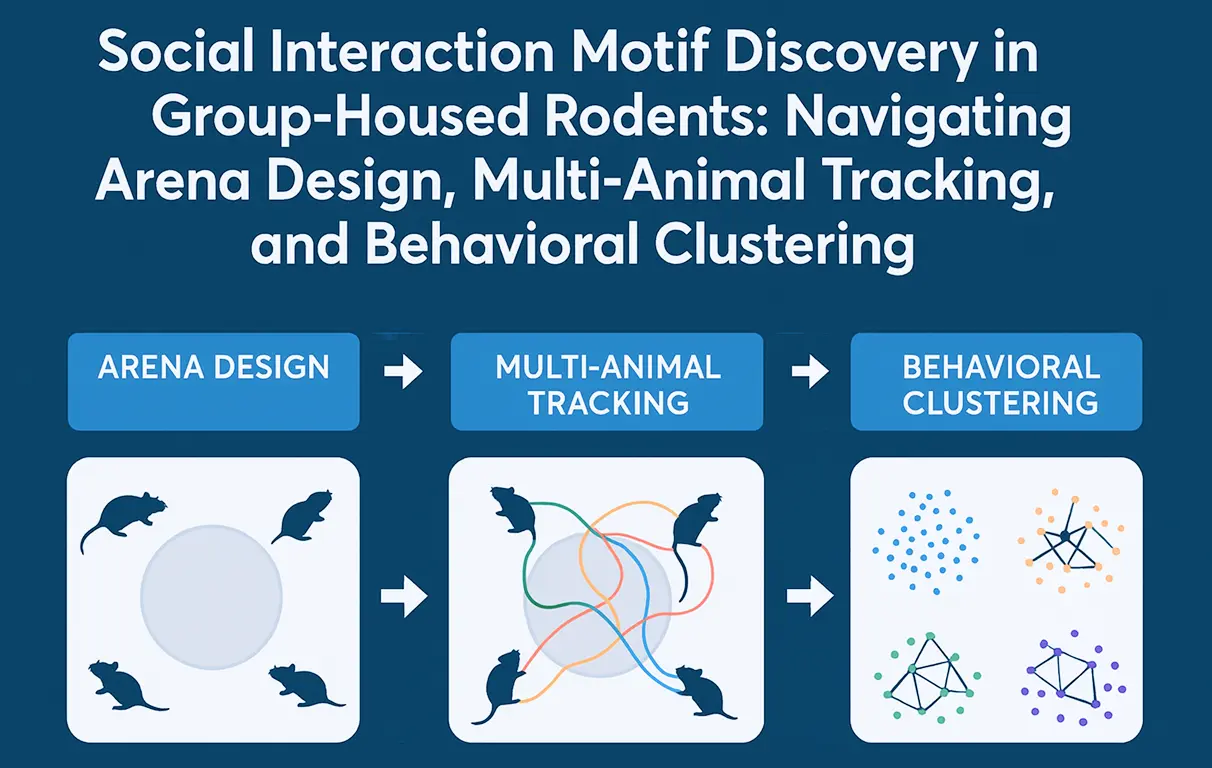
Navigating Arena Design, Multi-Animal Tracking, and Behavioral Clustering Understanding the social lives of rodents is critical for advancing neuroscience, behavioral science, and preclinical research. In natural conditions, rodents live in groups and engage in complex, dynamic social interactions—ranging from subtle affiliative gestures to overt displays of aggression or dominance. Capturing these interactions systematically has long […]
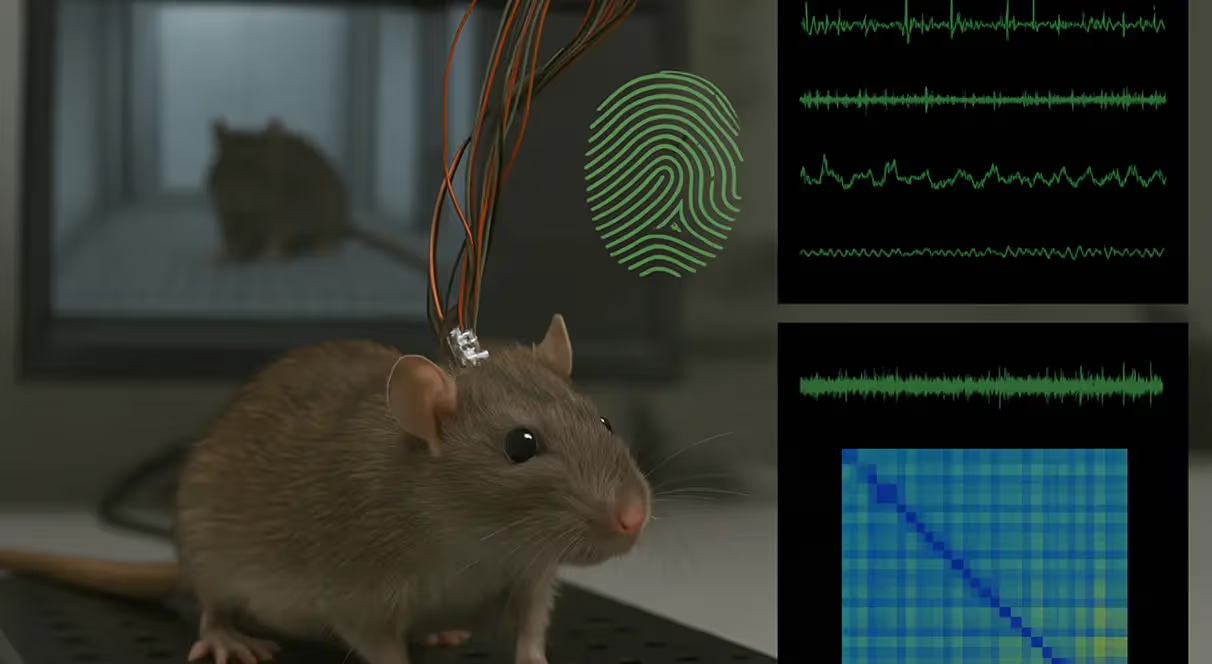

Integrating Electrophysiology with Unsupervised Behavior Pipelines
Behavioral neuroscience11 min read

Integrating Electrophysiology with Unsupervised Behavior Pipelines

Fingerprint Motifs and Neural Synchrony Understanding the neural basis of spontaneous behavior in rodents demands an integrated approach—one that moves beyond constrained paradigms and opens the door to the richness of freely expressed, naturalistic actions. In recent years, combining electrophysiological recordings (LFPs and spikes) with unsupervised behavior pipelines has emerged as a transformative method for […]

Ethical Impact of Automated Behavior Analysis: The 3Rs in Action
Behavioral neuroscience9 min read

Ethical Impact of Automated Behavior Analysis: The 3Rs in Action

Reducing, Refining, and Replacing with Data-Driven Precision The principles of the **3Rs—Replacement, Reduction, and Refinement—**have long guided ethical animal research. These pillars are not merely abstract ideals but actionable mandates shaping how experiments are designed, conducted, and reported. In recent years, the rise of automated behavior analysis, particularly using unsupervised learning pipelines, has unlocked a […]

Cross-Species Transfer Learning in Behavioral Neuroscience
Behavioral neuroscience16 min read

Cross-Species Transfer Learning in Behavioral Neuroscience

From Mice to Rats, Zebrafish, and Beyond In the rapidly advancing field of behavioral neuroscience, the ability to train machine learning models on one species and adapt them to another represents a powerful opportunity to streamline experimental workflows, reduce labeling effort, and enhance cross-species comparisons. This strategy—known as cross-species transfer learning—has gained traction as a […]

Building Open, FAIR Repositories for Behavioral Time-Series Data
Behavioral neuroscience13 min read

Building Open, FAIR Repositories for Behavioral Time-Series Data

The scientific community stands at a pivotal crossroads in behavioral neuroscience. As video-based behavioral experiments become more complex, detailed, and high-throughput, so too does the demand for open, scalable, and FAIR (Findable, Accessible, Interoperable, Reusable) repositories that can handle the resulting terabytes of time-series data. From raw video to pose estimation outputs and unsupervised behavioral […]

Zone Preference in the Visual Water Maze
Behavioral neuroscience14 min read

Zone Preference in the Visual Water Maze

How do you know when an animal remembers? In cognitive neuroscience, one of the most elegant answers to this question lies in zone preference—a spatially driven behavioral readout that reveals whether an organism has formed and retained a memory of a significant location. In zebrafish Visual Water Maze (VWM) studies, this is quantified as “time […]

Platform Crossings in the Visual Water Maze: A Precision Metric for Zebrafish Spatial Memory
Behavioral neuroscience13 min read

Platform Crossings in the Visual Water Maze: A Precision Metric for Zebrafish Spatial Memory

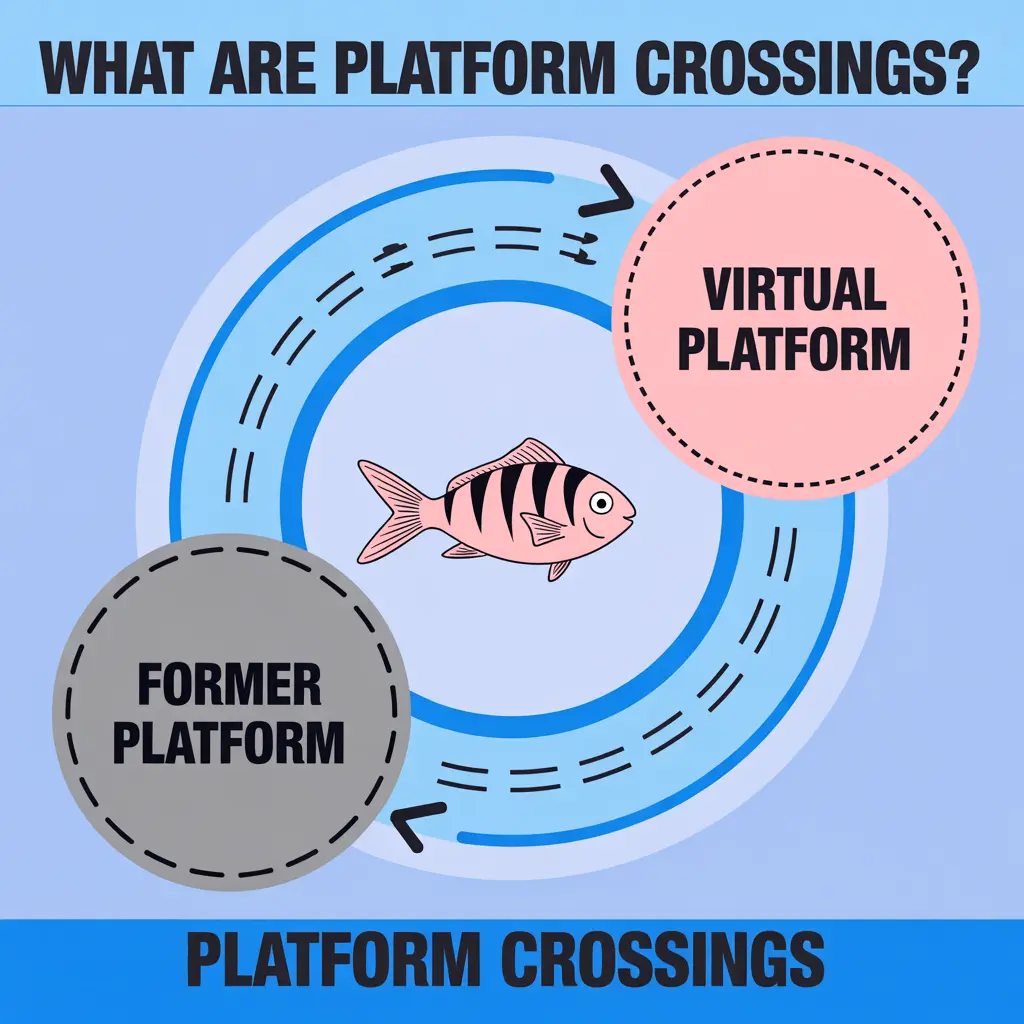
Learn More about our Services and how can we help you with your research! Click here Introduction Why it Matters? Measures Metrics Applications Best Practices Conclusion References What Are Platform Crossings? Platform crossings refer to the number of times a zebrafish swims over the exact area where the escape platform was previously located, typically during […]

Learning Index in the Zebrafish Visual Water Maze
Behavioral neuroscience11 min read

Learning Index in the Zebrafish Visual Water Maze

Learn More about our Services and how can we help you with your research! Click here Introduction Why it Matters? Measures Applications Behavioral Signatures Best Practices Conclusion References What Is the Learning Index? The Learning Index is a calculated score that combines multiple performance variables—most often escape latency (time to reach the goal) and path […]

Escape Latency in the Visual Water Maze: Measuring Zebrafish Cognition
Behavioral neuroscience11 min read

Escape Latency in the Visual Water Maze: Measuring Zebrafish Cognition

Learn More about our Services and how can we help you with your research! Click here Introduction Visual Design Neurogenetics Insights Protocols Metrics Neurobehavioral Model Advanced Data Summary References Escape Latency: Beyond the Stopwatch At first glance, escape latency appears to be a straightforward measurement—the number of seconds it takes for a zebrafish to reach […]

Looking for Behavioral neuroscience equipment?

Browse the ConductScience catalog — all apparatus, software, and services in one place.

Browse the catalog