
Behavioral Tracking for Aquatic Models
Quantify locomotion, social dynamics, and stimulus-driven behavior in zebrafish and other aquatic species using automated, reproducible tracking.
Behavioral Tracking for Aquatic Models
Quantify locomotion, social dynamics, and stimulus-driven behavior in zebrafish and other aquatic species using automated, reproducible tracking.
Why Aquatic Models Matter in Behavioral Research
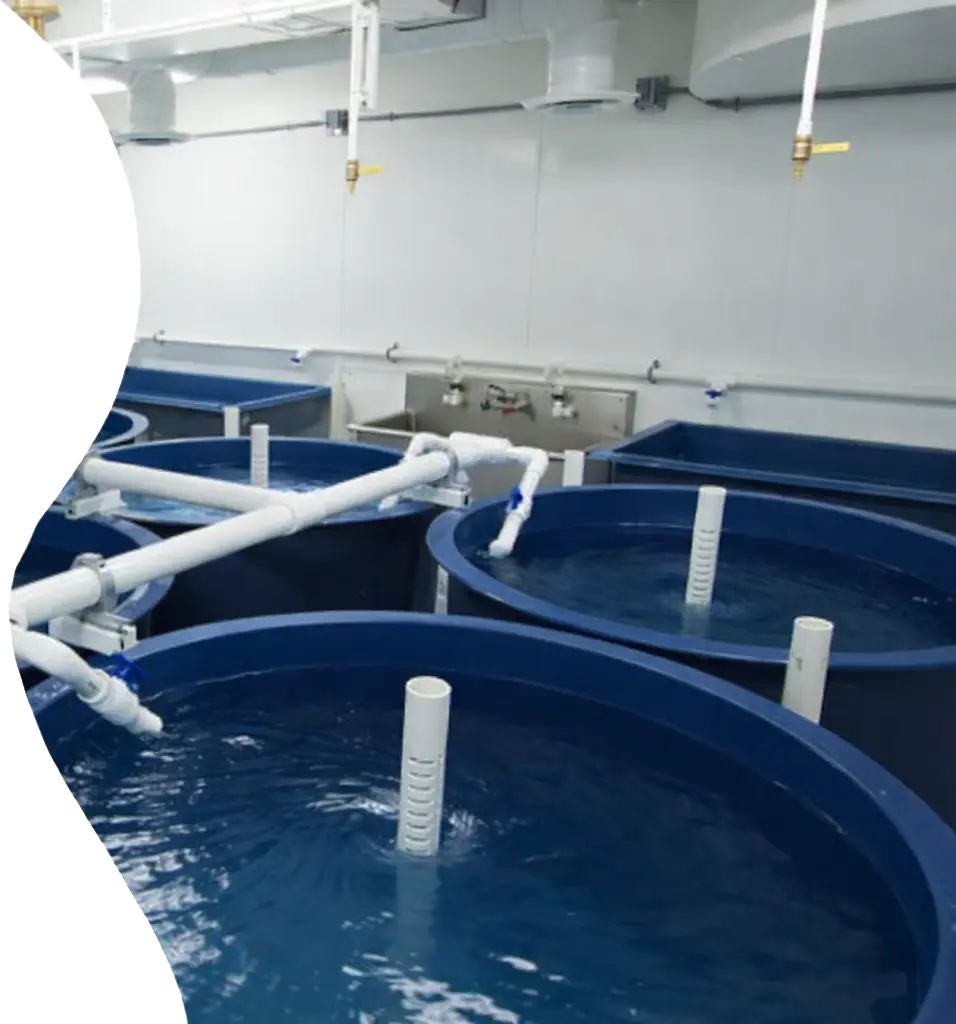
Aquatic species such as zebrafish have become essential models in behavioral neuroscience, toxicology, and drug discovery. Their genetic tractability, transparent developmental stages, and compatibility with high-throughput assays enable scalable and reproducible behavioral analysis across laboratories.
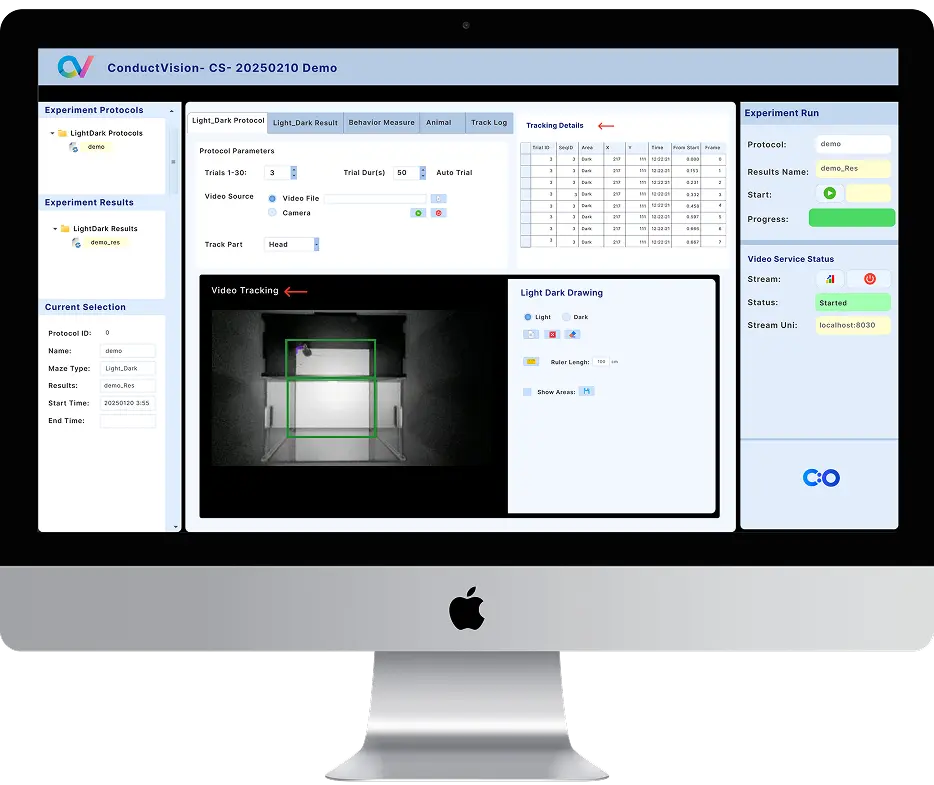
ConductVision supports precise, automated measurement of complex aquatic behaviors, eliminating observer bias while preserving experimental flexibility.

What We Measure in Aquatic Species
Swim Activity & Velocity
Measure distance traveled, velocity, acceleration, and movement patterns across arenas.
Zone Preference & Thigmotaxis
Quantify open-field exploration, center–edge preference, and risk assessment behaviors.
Social Interaction & Shoaling
Analyze proximity, interaction frequency, and social preference in group or paired assays.
Stimulus & Startle Response
Capture learning, memory, and decision-making behavior across maze and task paradigms.
Supported Aquatic Research Applications
- Neurodevelopmental and neurological disease models
- Drug discovery and pharmacological screening
- Environmental and aquatic toxicology studies
- Behavioral phenotyping and genetics research
- Longitudinal and high-throughput assay pipelines
Why ConductVision for Aquatic Behavioral Tracking
- Automated, unbiased tracking across individual or group assays
- High-throughput compatibility with multi-tank experimental setups
- Reproducible outputs suitable for publication and regulatory workflows
- Flexible assay design without sacrificing data standardization
Integrated Platforms & Compatible Hardware
- ConductVision (core tracking & analysis)
- Conductor (data orchestration & workflow management)
- ConductCage (where applicable)
- Aquatic-compatible camera and tank configurations

Talk to a Behavioral Science Specialist
Discuss your aquatic models, assays, and experimental goals with our team to see how ConductVision fits into your research pipeline.