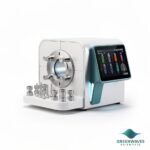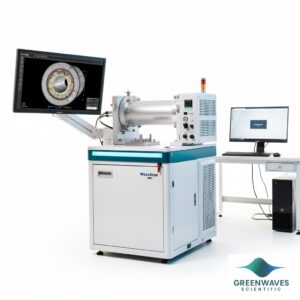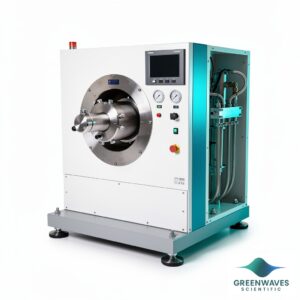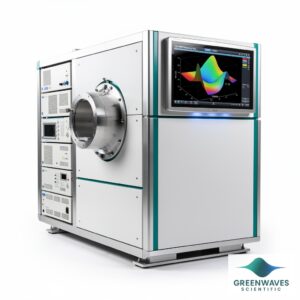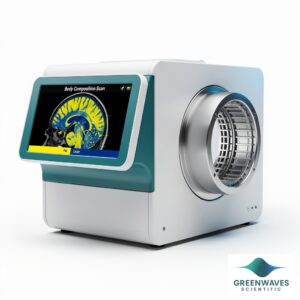
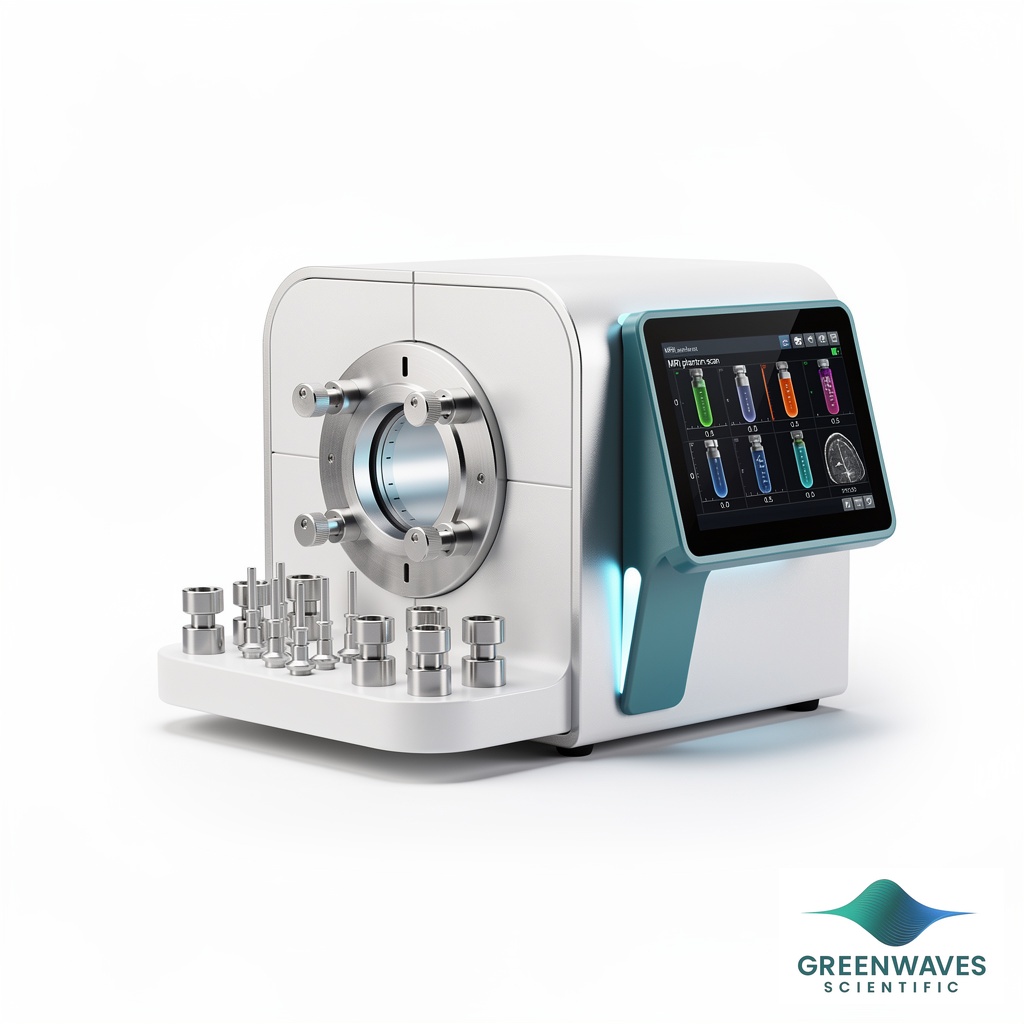
Preclinical MRI system combining quantitative T1/T2 relaxivity measurement with small animal imaging for contrast agent development and validation.
The MRI Contrast Agent Imager & Analyzer is a dedicated preclinical instrument that combines MRI imaging with quantitative contrast agent analysis. This system provides both T1/T2 relaxivity measurements and in-vivo imaging validation in a single integrated platform, designed specifically for pharmaceutical and biomedical researchers developing new MRI contrast agents.
The instrument features a permanent rare-earth NdFeB magnet system that requires no maintenance, making it suitable for laboratories developing novel MRI contrast agents, characterizing nanoparticle-based contrast materials, and conducting pharmacokinetic imaging studies. The system supports both mouse and small rat imaging with integrated relaxometry capabilities for comprehensive contrast agent characterization.
The system operates using magnetic resonance imaging principles combined with quantitative relaxometry analysis. The permanent NdFeB magnet creates a stable magnetic field that aligns hydrogen nuclei in tissues and contrast agent solutions. Radiofrequency pulses excite these nuclei, and the system measures T1 (longitudinal) and T2 (transverse) relaxation times as the nuclei return to equilibrium.
For contrast agent characterization, the instrument measures relaxivity values (r1 and r2) by comparing relaxation times of solutions with and without contrast agents at various concentrations. The integrated imaging capability allows visualization of contrast agent distribution in living animals, providing both quantitative relaxometry data and spatial distribution information in a single experimental session.
| Feature | This Product | Category Context |
|---|---|---|
| Magnet Type | Permanent NdFeB magnet system | Many systems use superconducting magnets requiring cryogenic cooling |
| Analysis Capability | Combined T1/T2 relaxivity measurement with MRI imaging | Separate instruments often required for relaxometry and imaging validation |
| Animal Compatibility | Mouse and small rat imaging | Some systems limited to mouse-only or require different coils for different species |
| Application Focus | Dedicated contrast agent development and characterization | General-purpose MRI systems with standard imaging protocols |
| Maintenance Requirements | Maintenance-free permanent magnet | Superconducting systems require regular cryogen fills and maintenance |
The system combines quantitative relaxometry with imaging validation in a permanent magnet platform designed specifically for contrast agent development. The maintenance-free magnet design and integrated analysis capabilities provide a practical solution for pharmaceutical researchers focused on MRI contrast agent characterization and preclinical validation.
Perform regular calibration checks using phantom samples with known T1 and T2 values to ensure measurement accuracy.
Relaxivity measurements require precise timing and signal detection for accurate contrast agent characterization.
Maintain consistent sample temperature during relaxivity measurements as relaxation times are temperature-dependent.
Temperature variations can significantly affect T1 and T2 values, leading to inaccurate relaxivity calculations.
Establish and maintain appropriate safety zones around the permanent magnet system to prevent accidents with ferromagnetic objects.
Permanent magnets create constant strong magnetic fields that can attract ferromagnetic materials with dangerous force.
Use multiple concentration points when determining relaxivity values to ensure linear relationship validation.
Relaxivity is calculated from the slope of relaxation rate versus concentration plots, requiring multiple data points for accuracy.
Keep the magnet system clean and free of ferromagnetic contamination to maintain field homogeneity.
Any ferromagnetic debris near the magnet can create field distortions that affect image quality and measurement precision.
If relaxometry measurements show unexpected variation, check for air bubbles in samples and verify sample positioning consistency.
Air bubbles and positioning variations can introduce measurement artifacts that compromise relaxivity accuracy.
For nanoparticle contrast agents, gently mix samples immediately before measurement to ensure homogeneous distribution.
Nanoparticle settling during measurement can lead to concentration gradients that affect relaxivity calculations.
ConductScience provides a standard one-year manufacturer warranty covering parts and labor, with technical support available for installation, calibration, and operational questions. Extended service agreements are available for ongoing maintenance and support.
The following papers provide general scientific background on measurement techniques relevant to this product category. They are not validation studies of this specific instrument.
What relaxivity measurement range does the system support for contrast agent characterization?
Consult product datasheet for specific relaxivity measurement ranges and precision specifications for both T1 and T2 measurements.
Can the system measure both positive and negative contrast agents?
The dual T1/T2 relaxivity measurement capability supports characterization of both T1-shortening (positive) and T2-shortening (negative) contrast agents.
What imaging sequences are available for in-vivo validation studies?
The system supports multiple imaging sequences for comprehensive contrast agent validation, though specific sequence parameters should be confirmed in the technical specifications.
How does the permanent magnet system compare to superconducting magnets for this application?
Permanent magnet systems eliminate cryogenic cooling requirements and ongoing helium costs, making them practical for dedicated contrast agent development laboratories while providing sufficient field stability for relaxometry measurements.
What sample volumes are required for relaxivity measurements?
Sample volume requirements depend on the specific measurement protocol and coil configuration - consult product datasheet for minimum volume specifications.
Can the system handle nanoparticle suspensions without settling artifacts?
The system is designed for nanoparticle characterization applications, though specific protocols for sample preparation and measurement timing should be followed to minimize settling effects.
What magnetic field strength does the permanent magnet provide?
Consult product datasheet for specific magnetic field strength specifications of the permanent NdFeB magnet system.