Climbing Test - Measures Vertical Activity in Rodents
$6,595.00
Exploring ascent tendencies holds significance across various fields.
In a pioneering move within the Pain domain, the automated system developed by Ugo Basile emulates its initial manual implementation. This innovation aims at quantifying Pain-Depressed behavior. Notably, findings indicate that while mild analgesics effectively inhibit pain-depressed climbing, potent analgesics prove ineffective in mitigating climbing depression (Santos et al. 2023, "Assessing Drug Effects in Preclinical Settings Using Mice Climbing Behavior as an Endpoint in the Presence or Absence of Pain", Frontiers).
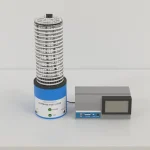
A load cell underneath the aluminum base (diameter 12 cm)
Automated start of the test once the animal leaves the base and starts climbing over the cylinder (height 25.5 cm)
5x5mm internal grid
The output parameters stored in the electronic unit and exportable in Excel
Include the %climbing
Number and duration of climbing episodes
Climbing time
Maximum and average climbing height
Total activity while climbing
Introduction
The newly designed apparatus offers a novel approach to gauging the vertical mobility of rodents. This aspect, despite its significance in understanding the behavior of rodents inhabiting three-dimensional spaces, has remained relatively unexplored. Existing studies often fall short by solely focusing on XY positioning, overlooking the intricacies of vertical movement.
Traditionally, the assessment of climbing behavior and vertical mobility has relied on labor-intensive manual procedures across various scientific domains. These investigations span from inquiries into muscle functionality (Ueno et al., 2022) to explorations of antidepressant efficacy (Perona et al., 2008), stroke pathophysiology (Jin et al., 2017), Parkinson’s disease mechanisms (Sundstrom et al., 1990), gender disparities in behavior (Borbelyova et al., 2019), locomotor activity patterns and kinematics (Green et al., 2012), and the effects of neuroleptic medications and dopamine agonists (Costall et al., 1982; Pinsky et al., 1988; Medvedev et al., 2013). Moreover, investigations into XYZ activity (Wexler et al., 2018), opioid receptor modulation (Michael-Titus et al., 1989), and the management of neuropathic and cancer-induced pain (Falk et al., 2017) have also been conducted.
The Climbing System represents a significant advancement in this area, aiming to furnish researchers with a streamlined and automated solution for quantifying vertical climbing behavior within a cylindrical framework. This innovation promises to cater to the needs of scientists interested in unraveling the complexities associated with this crucial parameter in their respective research endeavors.
Benefits
Features
Benefits
Conductive sensors to track Z movements
Automated measurement of time climbing - distance travelled - time on ceiling - climbing episodes
Load cell floor
Automated start of the test
Electronic unit
Controlled by touch screen and with internal memory
USB and LAN data saving
Easy export into excel and data security
Specifications
Commands
4.3 inches touch-screen (Resistive)
Read-out
4.3 inches touch-screen (Resistive) PC
Power Requirement
Universal input 100-240 VAC- 50-60Hz- 200W MAX
Sound Level
Negligible
Operating Temperature
18°C to 25°Ce
Endpoints and statistics
Max height; Average height; Average distance covered; Total climbing time; Total time on roof; Latency on the single climbing event
Start/Stop
By Start/Stop button on the climbing cage
Tare
By Tare button on the climbing cage
Experiment duration
Max 3600 seconds
Height sensors
17 rings + 1 on the roof -capacitive sensors
Height accuracy
6mm
Weight accuracy
0.1g
Data Acquisition
Via X-PAD software -included
Data Portability
By USB flash drive -included or LAN connection
Data Output
Results table in csv
Cylinder diameter
12 cm
Cylinder Height
25.5 cm
Weight
5Kg
Shipping Weight
8Kg
Packing Dimensions
36x55x45cm
Commands
4.3 inches touch-screen (Resistive)
Read-out
4.3 inches touch-screen (Resistive) PC
Power Requirement
Universal input 100-240 VAC- 50-60Hz- 200W MAX
Sound Level
Negligible
Operating Temperature
18°C to 25°Ce
Endpoints and statistics
Max height; Average height; Average distance covered; Total climbing time; Total time on roof; Latency on the single climbing event
Start/Stop
By Start/Stop button on the climbing cage
Tare
By Tare button on the climbing cage
Experiment duration
Max 3600 seconds
Height sensors
17 rings + 1 on the roof -capacitive sensors
Height accuracy
6mm
Weight accuracy
0.1g
Data Acquisition
Via X-PAD software -included
Data Portability
By USB flash drive -included or LAN connection
Data Output
Results table in csv
Cylinder diameter
12 cm
Cylinder Height
25.5 cm
Weight
5Kg
Shipping Weight
8Kg
Packing Dimensions
36x55x45cm
Application
Various illnesses and conditions can impact the climbing capabilities of rodents. For instance, neurodegenerative conditions may hinder their motor skills and climbing behavior. Scientists utilize these alterations in climbing behavior as a means to investigate and evaluate potential therapies for such ailments.
In essence, climbing behavior in rats and mice goes beyond being a mere physical activity; it represents a complex aspect of their biology with far-reaching implications for their health, innate conduct, and numerous research domains.
This behavior yields invaluable insights into their physiological makeup, behavioral tendencies, and reactions to environmental and genetic influences, rendering it a crucial element of biological and biomedical investigations involving these animals.
Ethological
Perspective
Climbing is an instinctual behavior observed in wild rats and mice. In their natural habitats, they employ climbing as a means to forage for food, evade predators, survey their surroundings, and seek refuge. Analyzing climbing behavior provides researchers with valuable glimpses into their native ecosystems and evolutionary adjustments.
Research
Models
Rats and mice serve as prevalent model organisms in biomedical research. Their climbing behavior holds relevance across diverse research domains, spanning neuroscience (investigating motor skills and balance), behavioral studies (examining the impacts of pharmaceuticals or genetic alterations), and psychological inquiries (exploring spatial cognition and learning processes).
Environmental
Enrichment
Within laboratory environments, offering avenues for climbing represents a crucial facet of environmental enrichment. Rats and mice housed in captivity thrive in enriched surroundings that replicate their native habitats. The inclusion of climbing apparatuses within cages fosters both physical and cognitive stimulation, alleviating stress and enhancing their overall welfare.
Behavior and
Physiology
The climbing behavior of rodents mirrors their muscular and skeletal prowess, requiring coordination, power, and nimbleness. Delving into their climbing prowess can offer revelations about their neuromuscular function, equilibrium, and sensory acuity.
Disease
Models
Across a spectrum of conditions ranging from stroke and depression to anxiety, musculoskeletal function, Parkinson's disease, and various forms of pain including neuropathic and cancer-induced discomfort.