ConductVision Enterprise

License Plate Recognition

Plate reading across formats, speeds, and lighting conditions. Available for pilot, day and night.

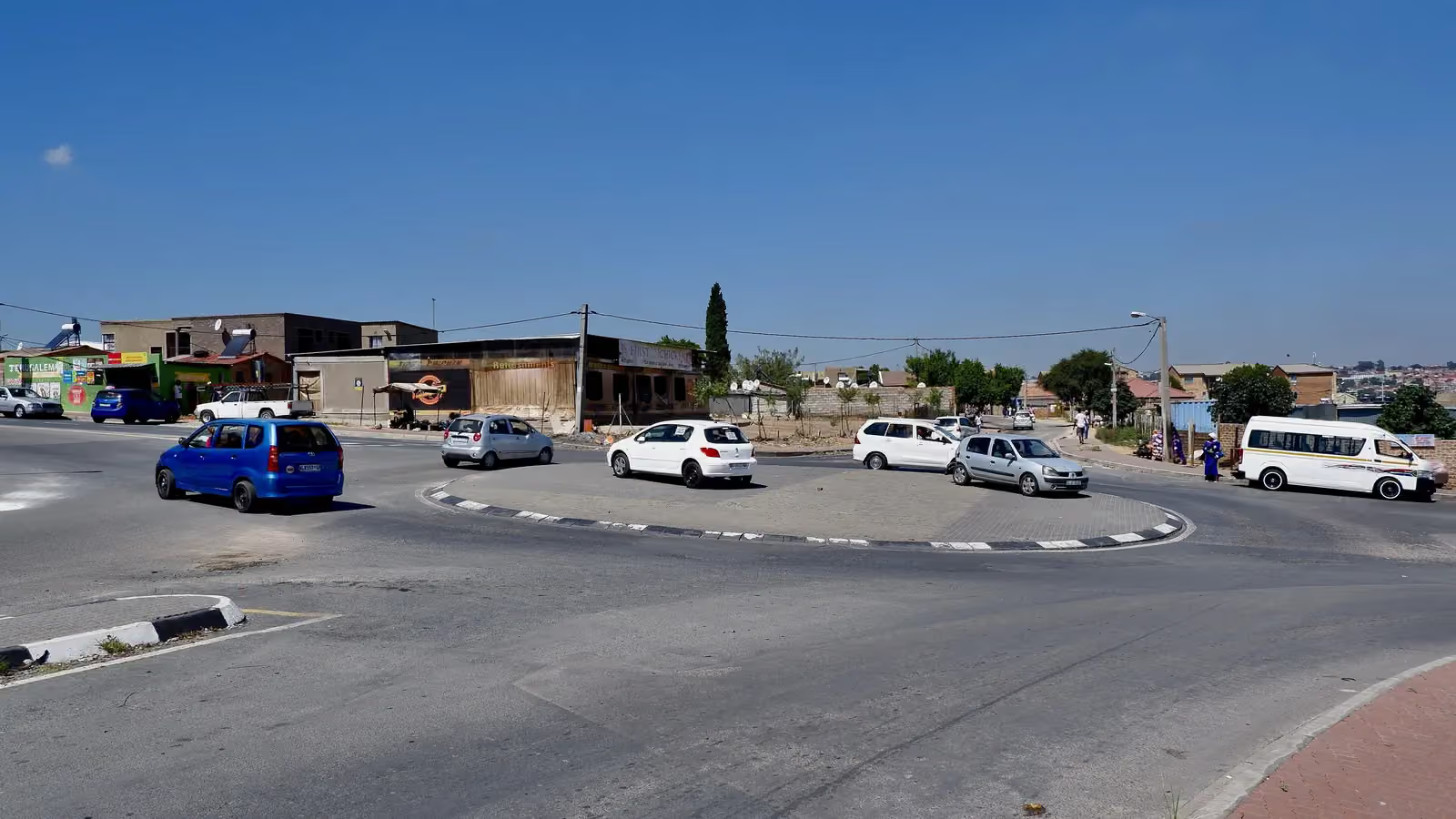
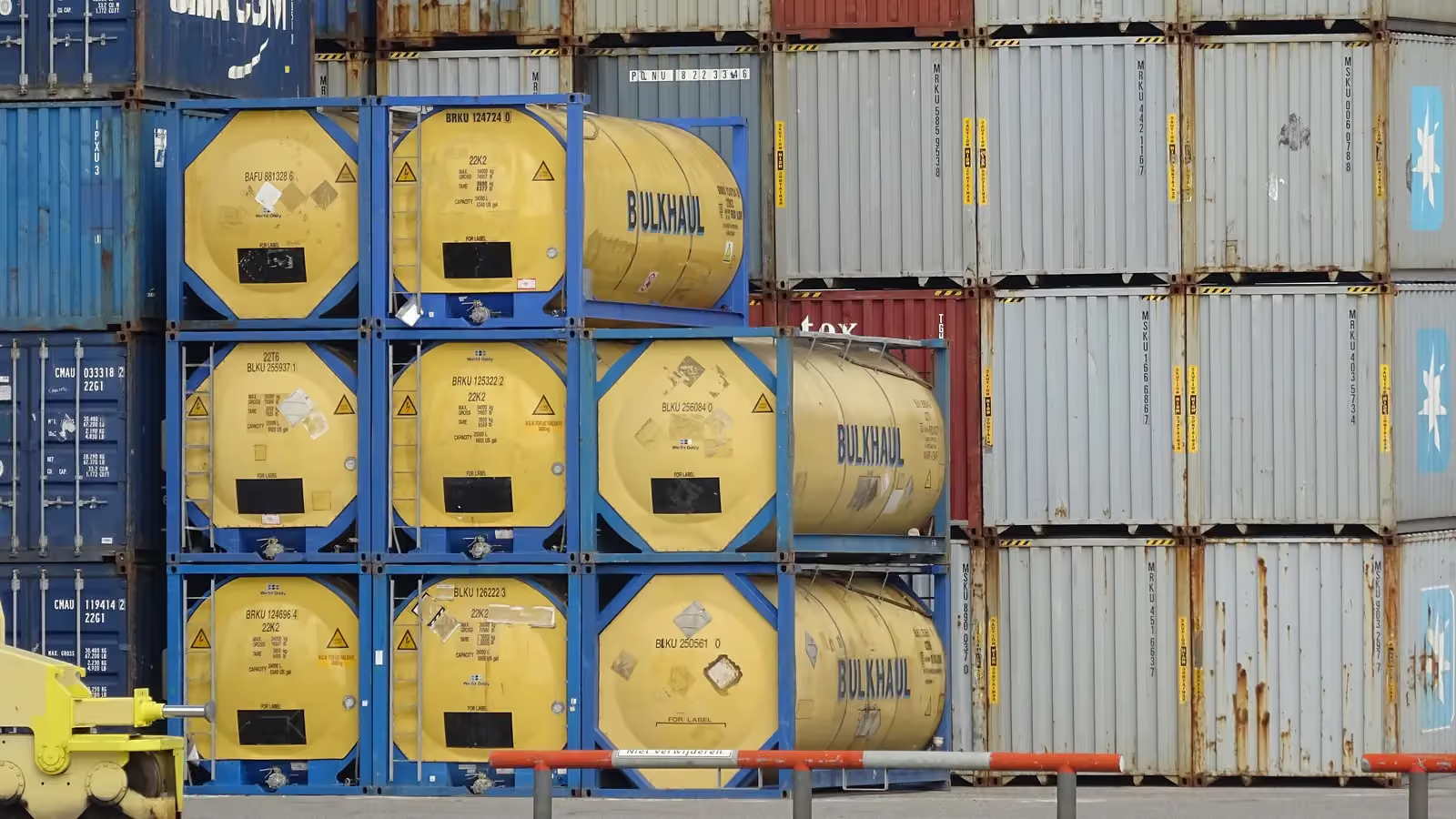
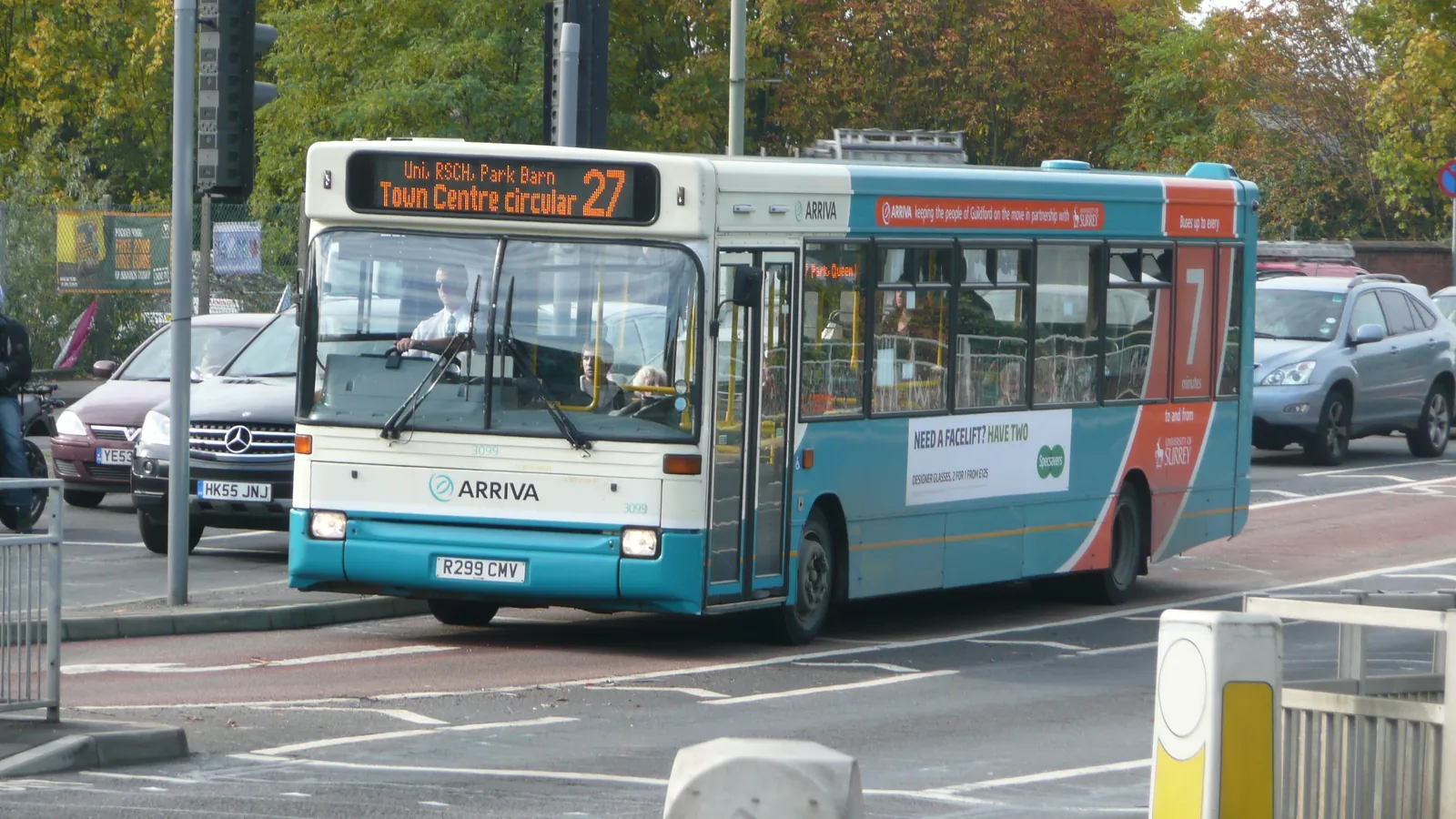
Example license plate recognition scene with an illustrative detection overlay
Illustrative detection overlay, drawn for demonstration. Not model output.

License Plate Recognition (LPR) detects, localizes, and reads license plates from vehicles in motion or parked. The system supports a wide range of national plate formats, reads vehicles in motion, and is designed to operate in rain, snow, direct sunlight, and darkness with IR illumination. Watchlist matching can trigger real-time alerts, while bulk reads feed into access control, tolling, and fleet management systems. The dual-stage architecture (plate detection followed by character recognition) is designed to read partially obscured or damaged plates.

How it works

License Plate Recognition in three steps

Connect

Mount LPR Cameras

Position cameras at entry/exit points, toll lanes, or along roadways. The platform accepts standard IP cameras with IR illumination or dedicated LPR cameras via RTSP and ONVIF.

Analyze

Detect and Read Plates

A two-stage pipeline first localizes the plate region, then applies an OCR model trained on region-specific plate fonts and formats. Confidence scores are assigned to each character for downstream filtering.

Act

Match, Alert, and Log

Each plate read is compared against configurable watchlists. Matches trigger alerts via webhook or SMS. All reads are logged with timestamp, camera ID, vehicle thumbnail, and confidence score.

Features

Multi-Region Plate Formats

Supports US (all 50 states), European, Middle Eastern, Asian, and Latin American plate formats. New regions can be added via configuration without retraining.

Day and Night Operation

Paired with IR illumination, the system reads plates in darkness. Automatic exposure correction handles direct headlight glare and backlit conditions.

High-Speed Capture

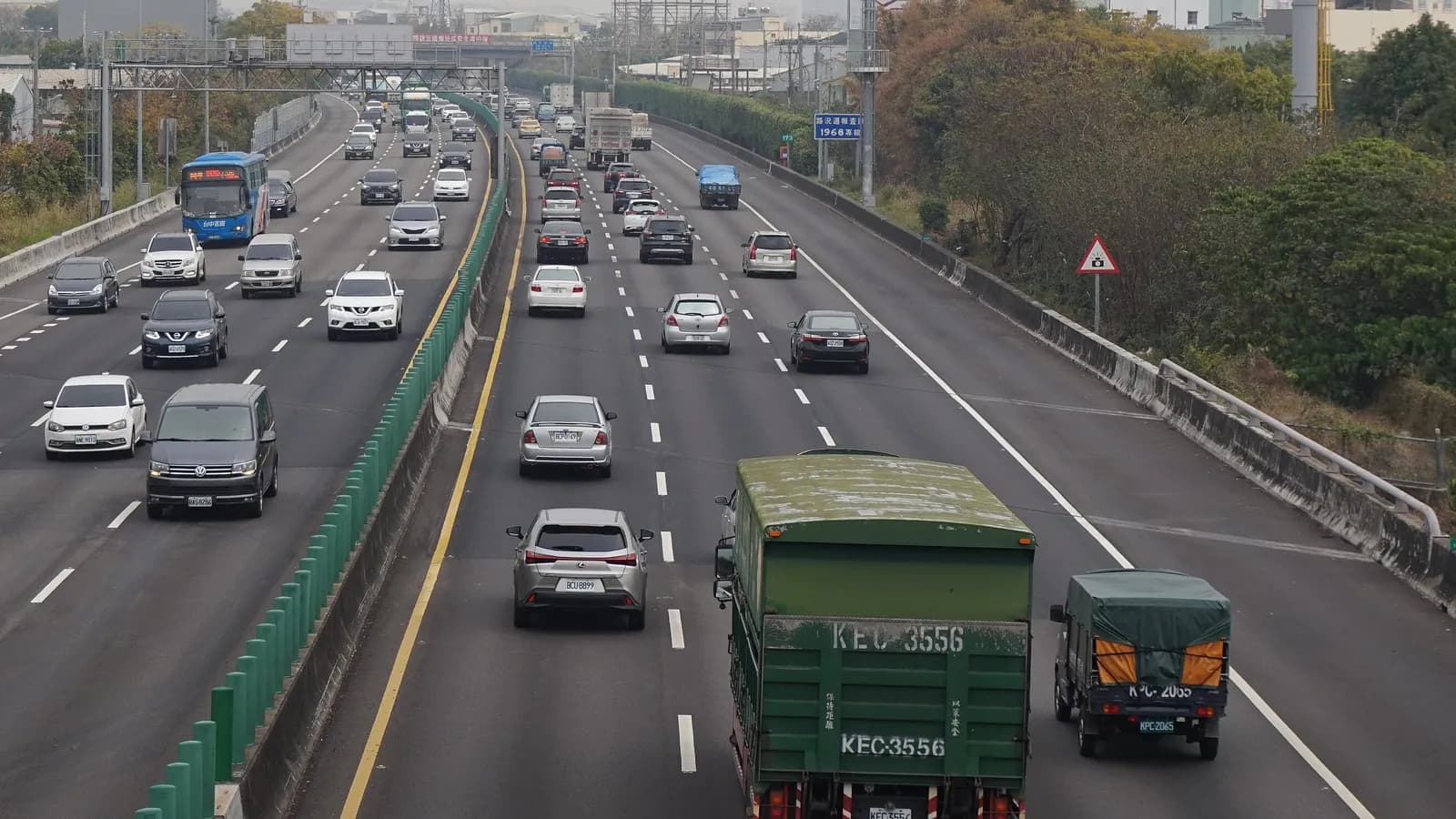
Designed to read plates on vehicles at highway speeds with global-shutter or high-frame-rate cameras. Suitable for tolling and enforcement support workflows.

Watchlist Matching

Maintain multiple watchlists (VIP, banned, expired registration) with matching on every read. Alert delivery via webhook, MQTT, or SMS.

Partial Plate Recovery

When plates are partially obscured by dirt, damage, or mounting hardware, the system uses contextual character prediction to maximize read completeness.

Vehicle-Plate Association

Links each plate read to the detected vehicle, capturing color, type, and direction of travel. Designed to flag suspected plate spoofing by cross-referencing vehicle characteristics.

Bulk Historical Search

Query millions of stored plate reads by plate number, date range, camera location, or vehicle attributes. Results return in under one second.
Use cases

Gated Community Access Control

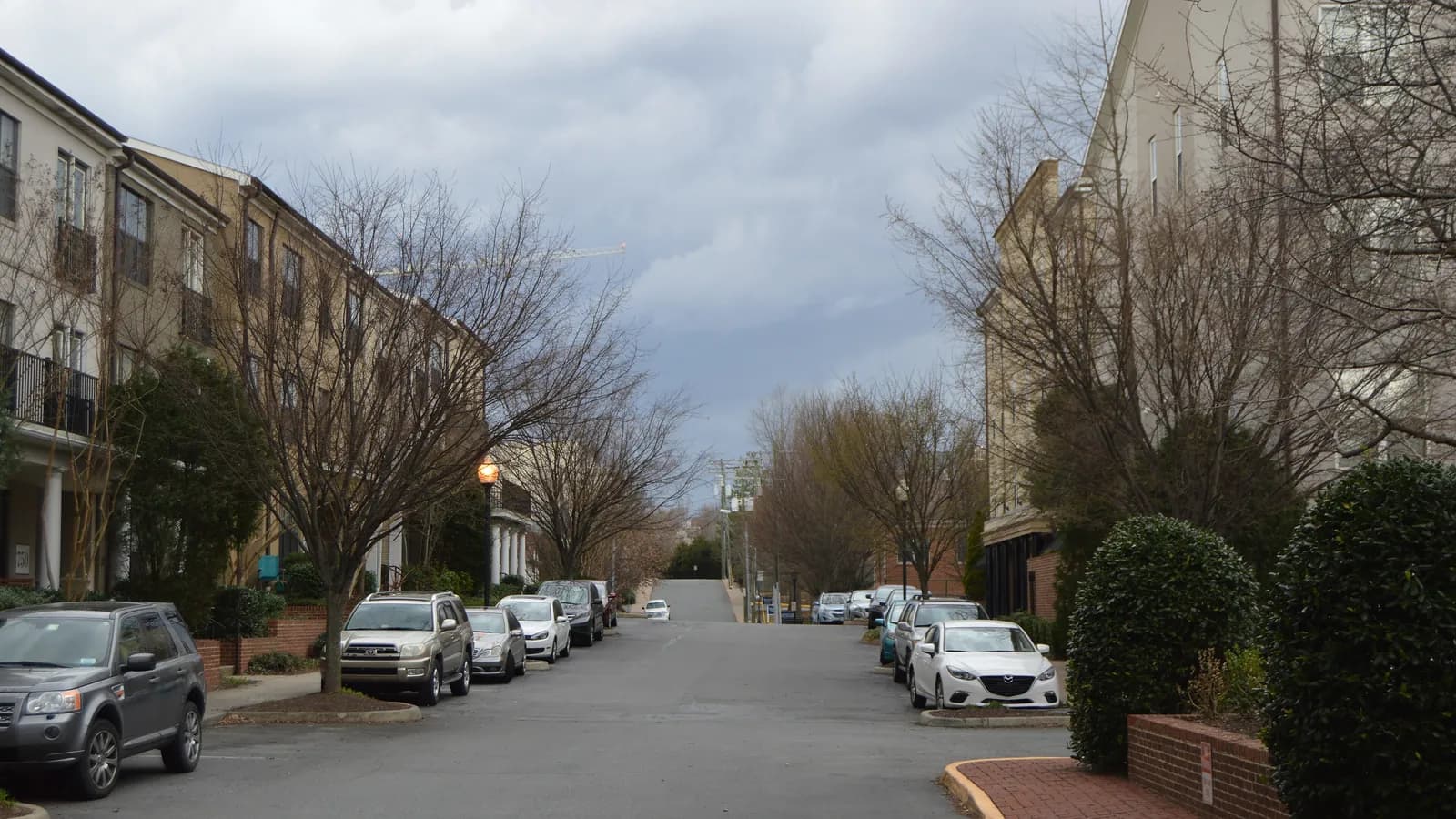
Residents expect gate entry without stopping. LPR can read plates on approach, match against the resident database, and open the gate automatically, logging every entry and exit.

real estatesmart city

Parking Revenue Management

Parking operators need accurate entry/exit timestamps for billing. LPR can eliminate ticket machines and barrier gates, enabling frictionless pay-by-plate systems.

smart cityretailreal estate

Fleet and Logistics Tracking

Logistics companies need to verify truck arrivals at distribution centers. LPR at loading docks can log arrival times, identify unauthorized vehicles, and integrate with fleet management software.

logisticsmanufacturing

Law Enforcement Support

Patrol vehicles equipped with mobile LPR cameras can scan plates continuously against stolen vehicle and warrant databases. Hits are flagged to officers in real time.

governmentlaw enforcement

Toll Collection

Open-road tolling systems require high-speed, high-accuracy plate reads at highway speeds. The system can capture plates without requiring vehicles to slow down or stop.

transportationgovernment

Campus Security

Universities and corporate campuses track vehicle access across multiple entry points. LPR can provide a unified log and flag unregistered vehicles attempting entry.

educationcorporate

Technical overview

Models
Two-stage pipeline: YOLOv8-based plate detector + CRNN character recognizer with region-specific decoders
Input formats
RTSP, ONVIF, MP4, JPEG snapshots, triggered capture via GPIO
Output formats
JSON, MQTT, Webhooks, CSV, UTMC-compatible
Edge support
NVIDIA Jetson, Intel NUC, dedicated LPR edge appliances

Accuracy and latency are measured against your footage and cameras during pilot scoping; we publish figures only with the conditions they were measured under.

Evaluate License Plate Recognition on your footage

One prioritized outcome, your cameras, a structured results review.