ConductVision Enterprise

Automotive

ConductVision times car bodies through each station, logs people inside robot cells and reads supplier truck plates for automotive plant and logistics teams.

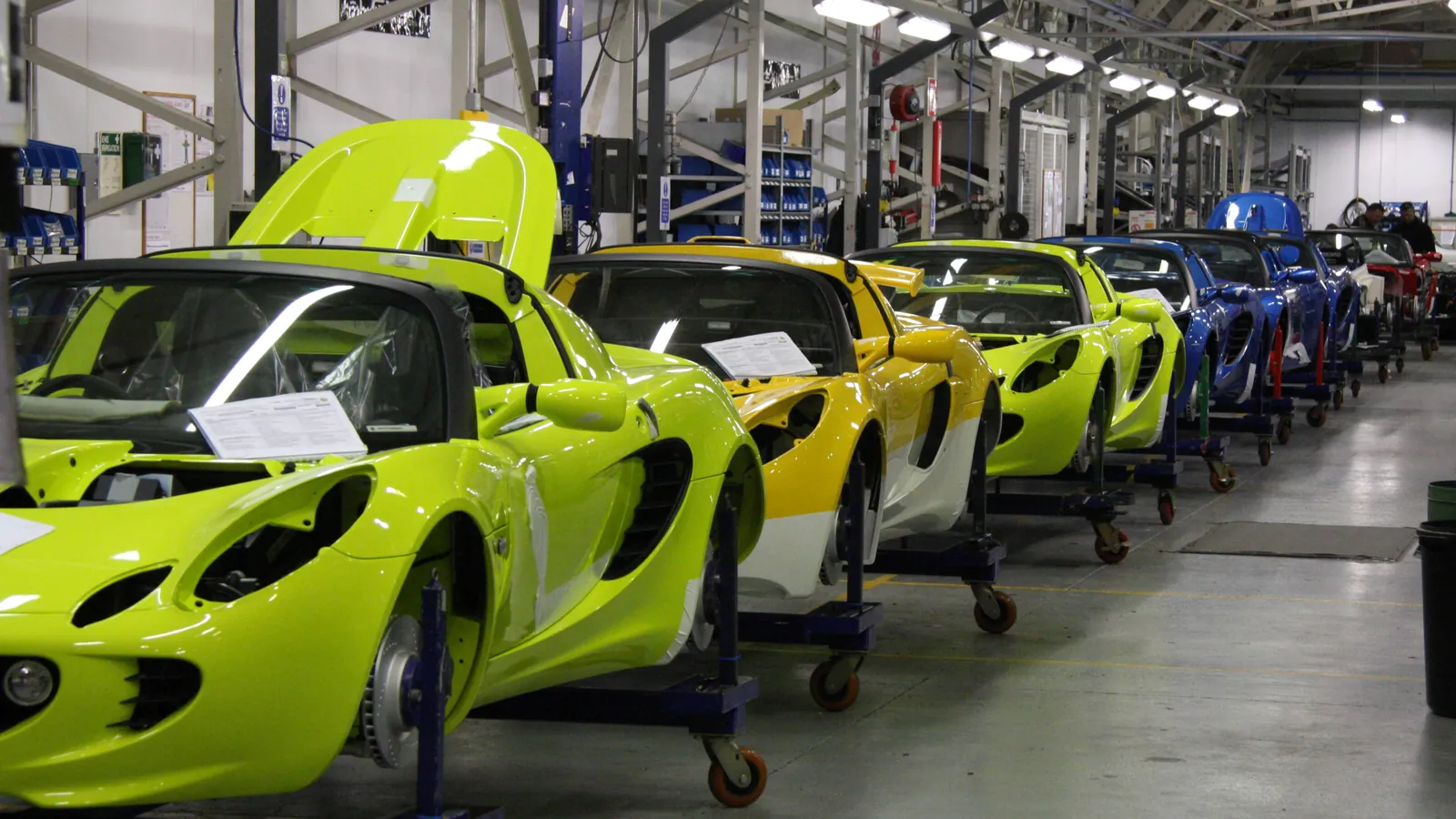
Partly built sports cars stand in a row on a final assembly line; boxes mark 4 cars and 2 people.6 detections
Sports car assembly line
  • Person2
  • Car4

ConductVision detections on this photo. Photo: Brian Snelson, CC BY 2.0, cropped.

Automotive manufacturing demands exceptional quality consistency across millions of parts and thousands of assembly steps, where a single undetected defect can cascade into warranty costs and brand reputation damage. Paint finish evaluation, body panel fitment, wiring harness verification, and final assembly checks each present distinct visual inspection challenges that strain human attention at production speeds. ConductVision's technology can provide multi-stage visual inspection tailored to automotive production environments, from stamping and body shop through paint and final assembly. Simultaneously, facility-level analytics can cover parking lot management, vehicle flow optimization, and dealer lot inventory tracking.

Outcomes

What your team gets

Station times for every car

Industrial engineers time a station with a stopwatch over a handful of cycles.

A few timed cycles miss the slow ones that hold up the line.

How
ConductVision tracks each car body through a station view and records when it enters and leaves.
You get
Station times for every car on the shift, with the slowest cycles clipped for review.
People inside running robot cells

Technicians step into fenced robot cells to clear faults, and some entries happen while an arm is still moving.

Each of those entries is a near miss that the safety team never hears about.

How
In a pilot, ConductVision flags a person detected inside a cell's fence line while the robot arm in view is moving.
You get
An entry log per cell with time, duration and a clip of each entry.

Cars waiting at rework bays

Cars pulled from the line queue for the rework bays, and the queue grows between shift reports.

A car that waits too long misses its transport slot and ties up yard space.

How
ConductVision counts the cars waiting at each rework bay and times each car's wait.
You get
Hourly counts of waiting cars, with the longest waits listed for the rework lead.

Supplier trucks against the schedule

Parts trucks arrive early or late at the receiving docks, and the gate keeps its log by hand.

Without timed arrivals, the plant cannot show which carriers run late before the line runs short.

How
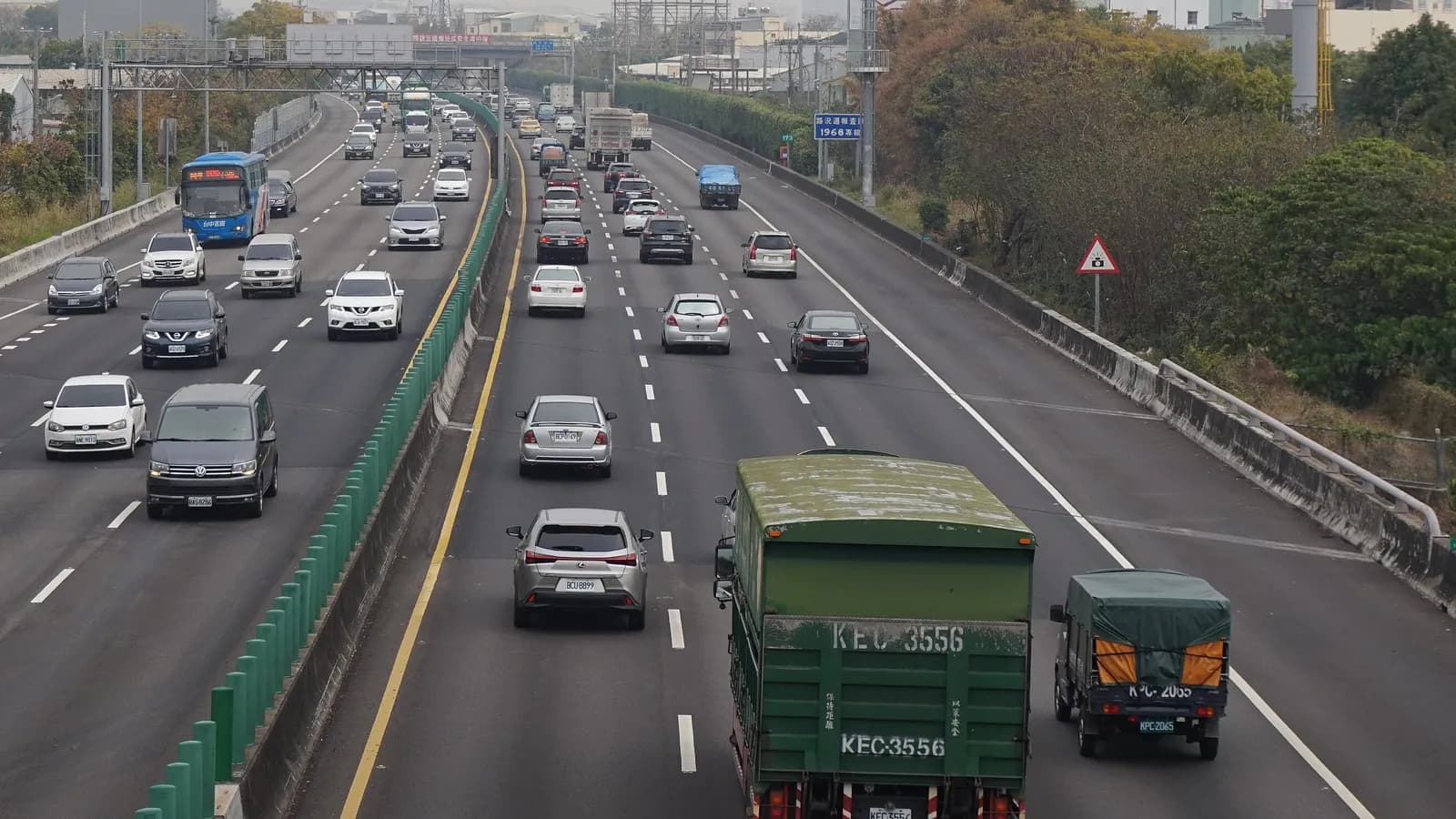
In a pilot, ConductVision reads each truck's plate at the receiving gate and matches it to the delivery schedule.
You get
Arrival times against the schedule per carrier and dock, by day.

The challenge

Automotive assembly involves thousands of distinct components with tight tolerance requirements. Paint defects like orange peel, runs, and dust inclusions are difficult to detect reliably at line speed. Post-production, dealer lots and fleet facilities struggle with vehicle location tracking and lot utilization optimization.

Our approach

ConductVision can deploy specialized inspection models for each production phase: stamping defect detection, body panel gap and flush measurement, paint finish analysis, and final assembly verification. Facility-level models can track vehicle movement across dealer lots and parking structures, providing real-time inventory and flow data.

What the model sees

Detections in two more settings

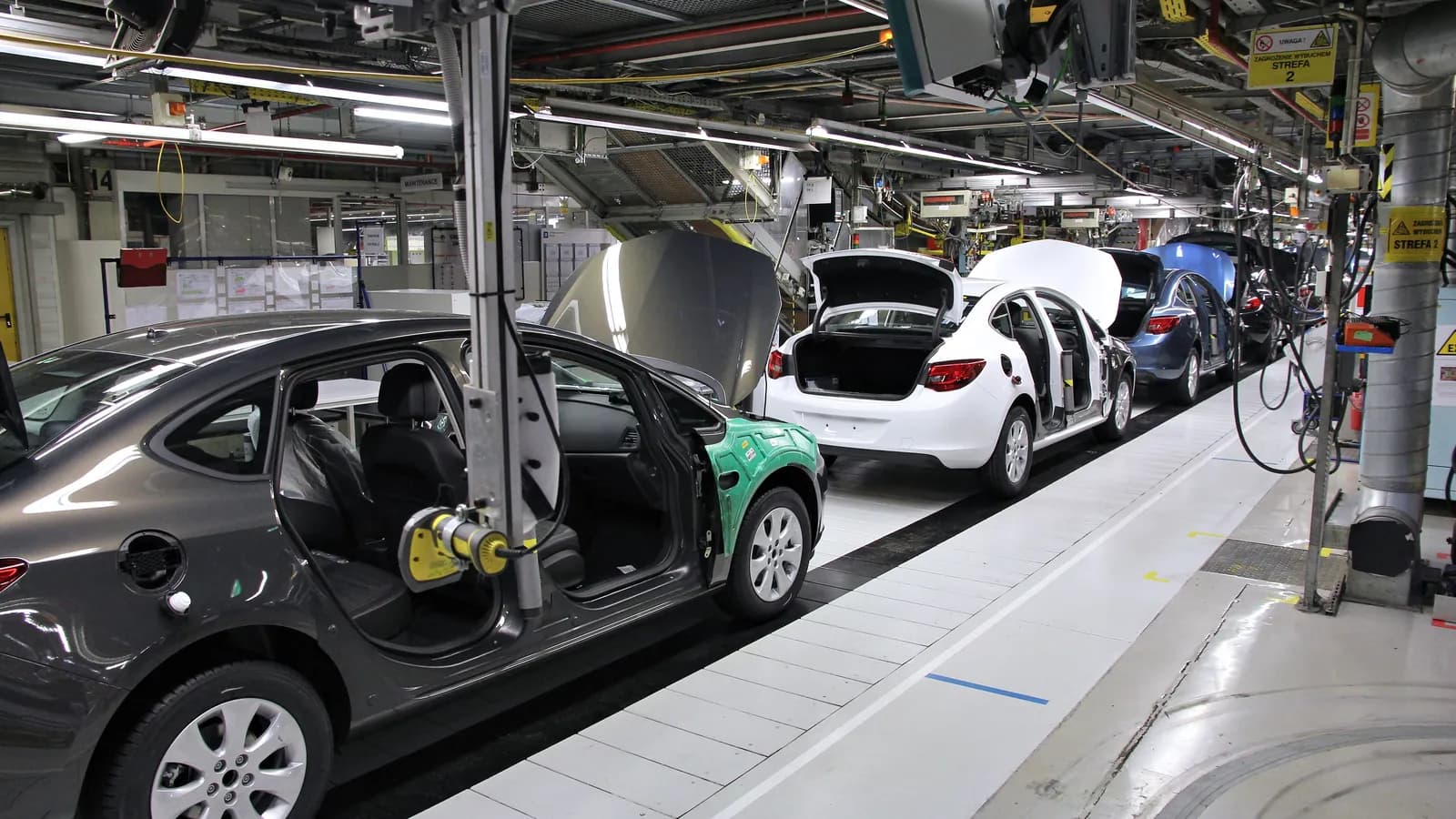
Car bodies without doors move along a modern assembly line; boxes mark 3 cars.
Car assembly line in Poland
  • Car3

ConductVision detections on this photo. Photo: Marek Ślusarczyk (Tupungato) Photo portfolio, CC BY 3.0, cropped.

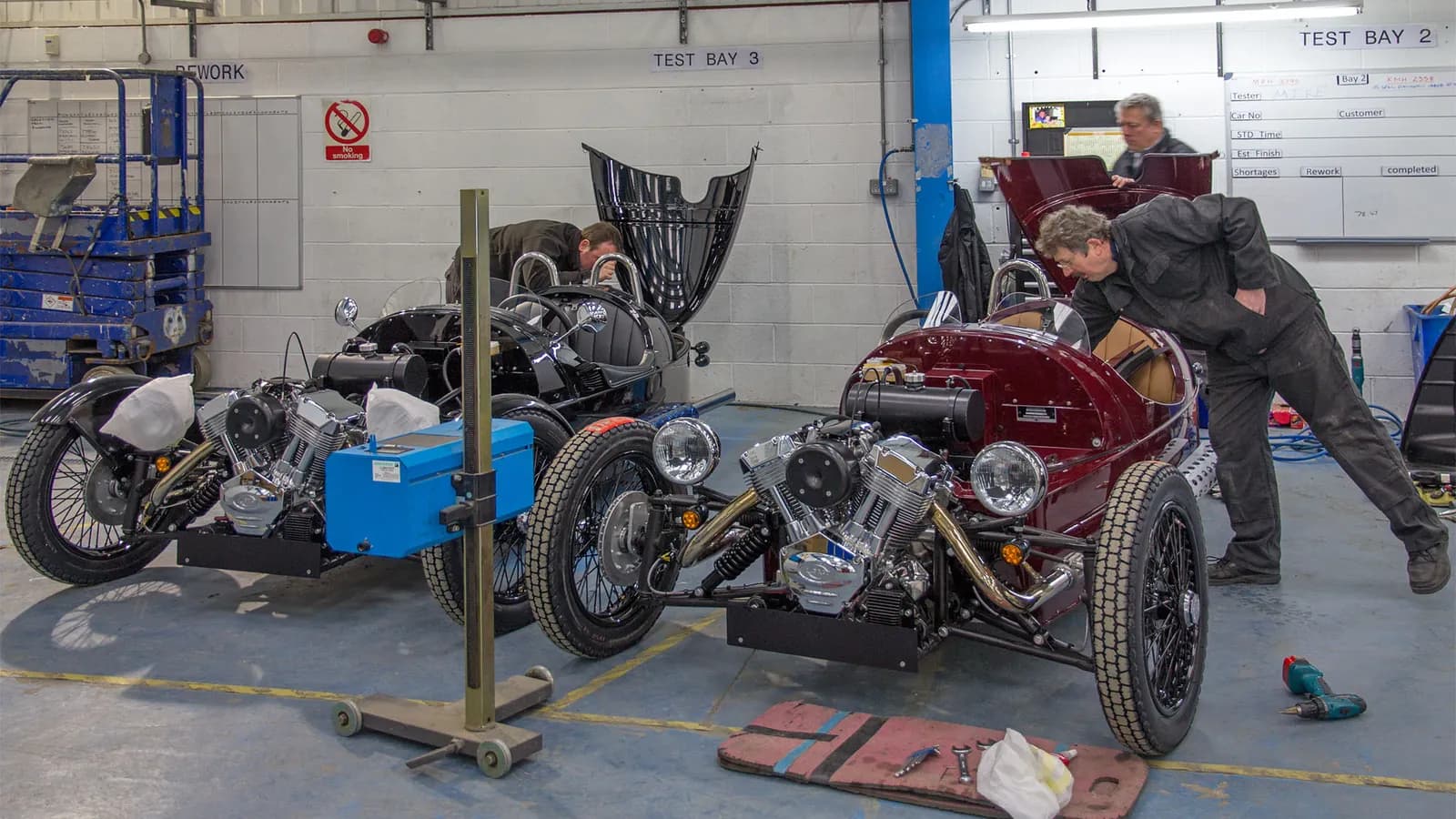
Mechanics work on two open three wheeled roadsters in a factory test bay; boxes mark 3 people.
Test bay at a car factory
  • Person3

ConductVision detections on this photo. Photo: David P Howard, CC BY-SA 2.0, cropped.

Endpoints

What a pilot measures

Each endpoint is defined before the pilot starts, with what is counted, its unit and how the results are broken down.

What a pilot measures
PrimaryStation cycle timeSeconds from a car body's first frame in a station view to its last frame there.Unit:seconds (median)By:Station, shift
SecondaryRobot cell entriesPeople detected inside a fenced robot cell while the arm moves, counted once per entry.Unit:entries per cell-weekBy:Cell, shift
Rework waitHours from a car's arrival at a rework bay to its departure.Unit:hours (median)By:Bay, day
Late supplier arrivalsShare of supplier trucks whose plate is read at the receiving gate after their scheduled window.Unit:%By:Carrier, dock

How we check the model

Each pilot measures ConductVision on your own footage against a sample checked by hand, before anyone relies on its numbers.

  • Plate read agreement

    Share of sampled gate reads where the ConductVision plate matches a reviewer's reading of the same still.

    % · by gate, time of day

  • Cycle time error

    Difference between the station entry time ConductVision records and a reviewer's timestamp on sampled cycles.

    seconds (median absolute difference) · by station

  • Cell entry recall

    Share of cell entries found by a reviewer in sampled footage that ConductVision also logged.

    % · by cell

Use cases

Where teams put it to work

Assembly Line Quality Control

Multi-camera stations can inspect body panels, wiring harnesses, fastener torque markings, and component presence at each assembly stage. Defects and omissions can be flagged before the vehicle advances, preventing compounding errors.

Paint Finish Inspection

Structured light and high-resolution cameras can analyze paint surfaces for orange peel texture, dust inclusions, runs, and color consistency. Defect locations can be mapped onto a vehicle body model for targeted rework.

Vehicle Flow and Lot Management

Cameras can track vehicle movement through production compounds, holding lots, and dealer facilities. Real-time location data can eliminate manual lot walks and enable precise inventory counts by model, color, and trim.

Stamping and Body Shop Inspection

Pressed panels can be inspected for cracks, wrinkles, and dimensional deviations immediately after stamping. Body shop cameras can verify weld pattern consistency and panel gap measurements against specification tolerances.

Parking Structure Management

Multi-level parking structures can be monitored for occupancy by level and zone, vehicle dwell time, and traffic flow. Data can feed dynamic signage and mobile apps to reduce time-to-park and improve customer experience at dealerships and service centers.

Systems it connects to

  • MES (Manufacturing Execution Systems)
  • Automotive QMS (IATF 16949 Platforms)
  • Dealer Management Systems (DMS)
  • Paint Shop Process Controllers
  • Vehicle Identification Number (VIN) Tracking Systems

Pilot

Scope a automotive pilot

Tell us about your sites and cameras, and a ConductVision engineer replies with a scoping plan built around the endpoints above.