Anesthesia Flowmeters and Gas Controls
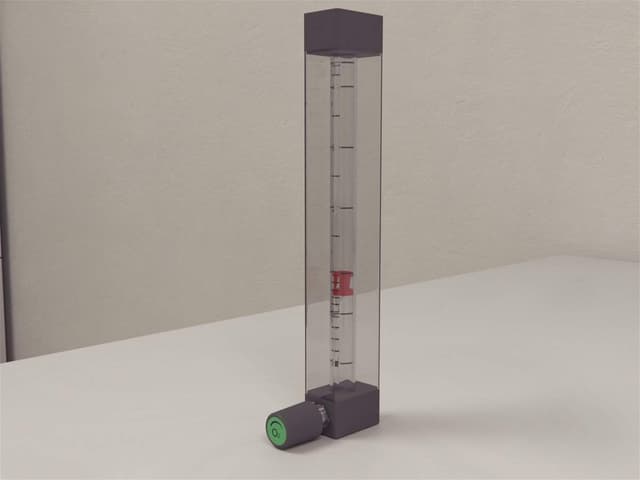
Gas-specific anesthesia flowmeter and regulator planning page for small-animal anesthesia stations, covering Air, O2, N2O, and CO2 0.1-4 L/min flowmeter options, rotating-float visual flow indication, 200 kPa inlet-pressure planning, Female G1/8 flowmeter connectors, and pressure-reducing valve review for gas-source integration.

Louise Corscadden, PhD
Director of Science · ConductScience
Ask Louise about Anesthesia Flowmeters and Gas Controls fit, setup, configuration, or quote prep.
Already working with us? Sign in to connect this with My Scientist.
Key Specifications
Full details →- Model fit
- Configured during quote
- SKU family
- CS-ANES-FLOW-001
- Sizing
- Model-specific dimensions confirmed from the selected configuration
- Ordering
- Online checkout and quote request available
- Category
- Anesthesia & Ventilation
- Build notes
- Confirm accessories, station layout, and support needs before purchase
Overview
The Anesthesia Flowmeters and Gas Controls page groups gas-specific flowmeter and pressure-control components for small-animal inhalation anesthesia stations. It covers Air, O2, N2O, and CO2 flowmeter options with a 0.1-4 L/min flow range, 4.0 level or +/-10% FSC accuracy, rotating-float indication, 200 kPa inlet-pressure planning, leakage at no more than 5 ml/min at 200 kPa, and Female G1/8 input/output connector planning.
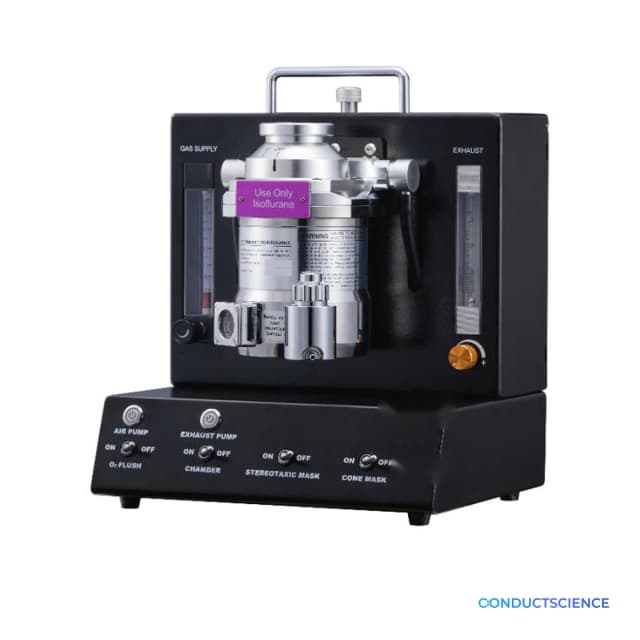
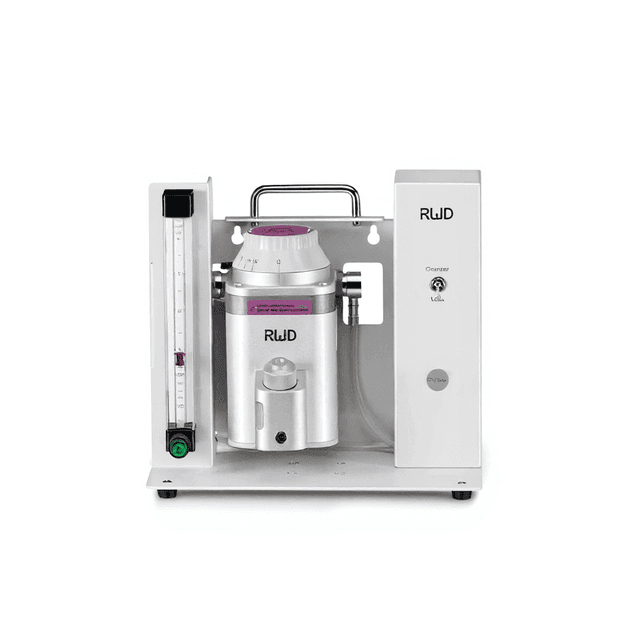
Those specs matter because gas control is one of the station decisions that connects the gas source, vaporizer, induction chamber, mask branch, ventilator interface, and scavenging path. A flowmeter is not just a dial on the front panel; it is the visible control point that lets the operator set and confirm the gas stream feeding the anesthesia workflow.
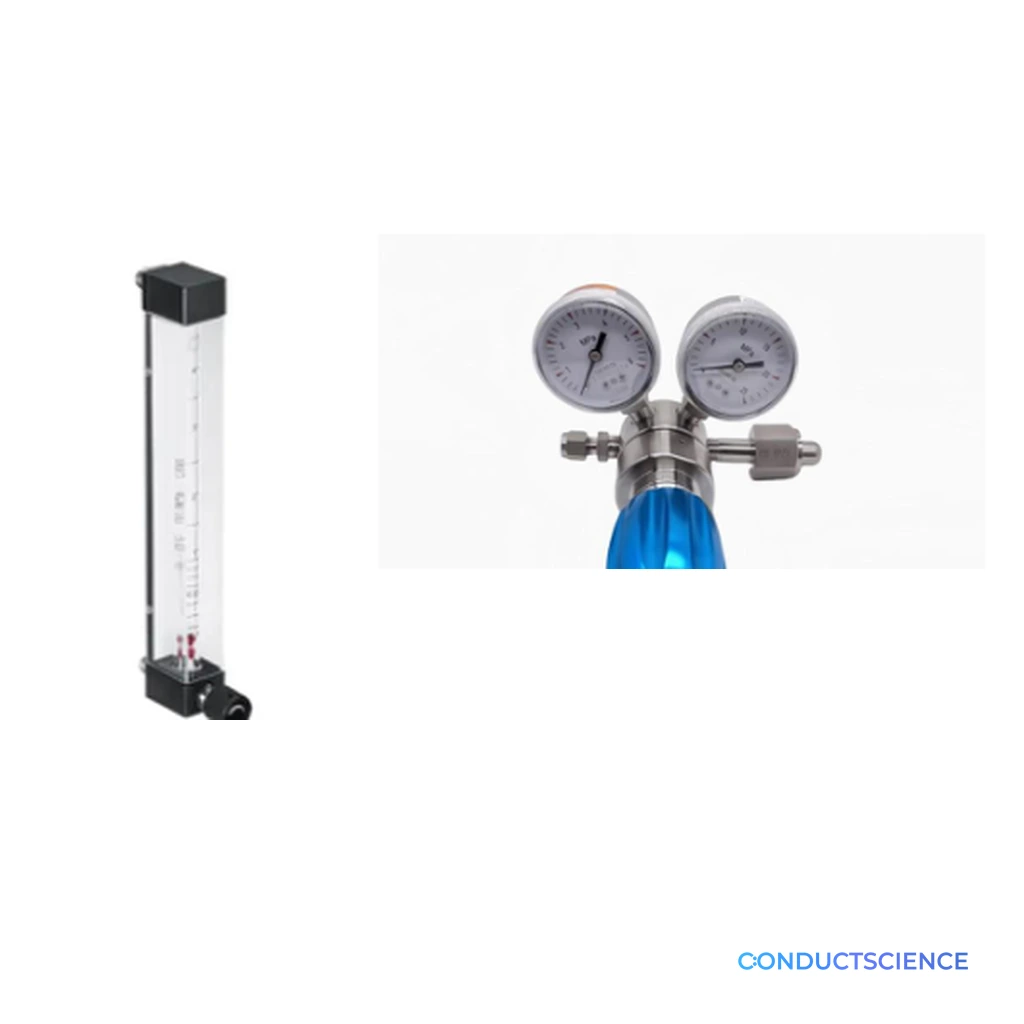
The same gas-control family also includes pressure reducing valve planning with two indicator ranges, 25 MPa and 1.6 MPa, plus G5/8 input and customizable output connector planning. This makes the listing useful for labs that need the gas-control path reviewed as a system rather than buying an isolated flowmeter without checking source pressure, connector compatibility, or downstream anesthesia-machine fit.
Scientific Use
Small-animal anesthesia workflows depend on stable gas delivery for induction, maintenance, stereotaxic preparation, surgical benches, imaging setup, ventilator-assisted anesthesia, and recovery-adjacent handling. Gas-specific flowmeter planning helps research teams match oxygen, air, nitrous oxide, or carbon dioxide flow paths to the station design and animal workflow.
Buying Fit
Use this page when the lab needs a gas-specific 0.1-4 L/min flowmeter, pressure-reducing valve review, or connector planning for a small-animal anesthesia station. Use the existing ConductScience Two-Channel Flowmeter or Five-Channel Flowmeter pages when the purchasing need is specifically a multi-channel flowmeter replacement.
Features & Benefits
Gas options
- Air, O2, N2O, and CO2 flowmeter planning
Flow range
- 0.1-4 L/min
Accuracy
- 4.0 level or +/-10% FSC
Flow indication
- Rotating floater
Flowmeter interface
- 200 kPa inlet pressure, <=5 ml/min leakage at 200 kPa, Female G1/8 input/output connector
Pressure valve planning
- 25 MPa and 1.6 MPa indicators, G5/8 input connector, customizable output connector
Practical Tips
Choose the Air, O2, N2O, or CO2 flowmeter path around the gas source, vaporizer, animal interface, and station layout before ordering.
Why: The gas choice determines which control path belongs in the anesthesia station and keeps the flowmeter decision tied to the actual workflow.
Review the 200 kPa flowmeter inlet pressure and pressure-reducing valve indicator requirements with the gas source being used in the room.
Why: Pressure compatibility is a practical installation decision when a lab is connecting cylinders, oxygen supply, machine air, vaporizers, and downstream anesthesia equipment.
Confirm Female G1/8 flowmeter connections and G5/8 pressure-valve input planning alongside tubing, adapters, and downstream anesthesia-machine ports.
Why: Connector fit determines whether the gas-control component can be integrated cleanly with the rest of the small-animal anesthesia station.
Setup Guide
What’s in the Box
- Gas-specific flowmeter configuration planning for Air, O2, N2O, or CO2
- 0.1-4 L/min specified flow range
- Rotating-float visual flow indication
- Female G1/8 input/output connector planning for the flowmeter path
- Pressure reducing valve configuration review with 25 MPa and 1.6 MPa indicator ranges
- Quote-reviewed gas-source, tubing, vaporizer, chamber, mask, and scavenging interface planning
Warranty
Support, replacement, and fulfillment terms are confirmed with the final quote and institutional purchasing requirements.
Compliance
Which gas flowmeter options are covered?
The page covers Air, O2, N2O, and CO2 flowmeter options, each listed with a 0.1-4 L/min flow range.
What accuracy and indication method are specified?
The listed flowmeter specifications include 4.0 level or +/-10% FSC accuracy with a rotating-float visual indicator.
What inlet pressure and connector should I plan around?
Plan the flowmeter path around 200 kPa inlet pressure and Female G1/8 input/output connector planning.
When is the pressure reducing valve relevant?
Use pressure reducing valve review when the gas source needs pressure-control planning before the flowmeter, vaporizer, or anesthesia-machine path. The valve configuration lists 25 MPa and 1.6 MPa indicator ranges with G5/8 input connector planning.
How does this relate to the existing two-channel and five-channel flowmeters?
Use the existing ConductScience two-channel or five-channel pages when the purchasing need is a multi-channel flowmeter replacement. Use this page when the lab wants gas-specific 0.1-4 L/min flowmeter and pressure-control planning reviewed together.
Have a question about this product?
Have a question? Just ask.
Send it over and we'll email you a personalized answer — no call, no scheduling.
Prefer to talk it through?
Accessories
Enhance your setup with compatible accessories
Frequently Bought Together