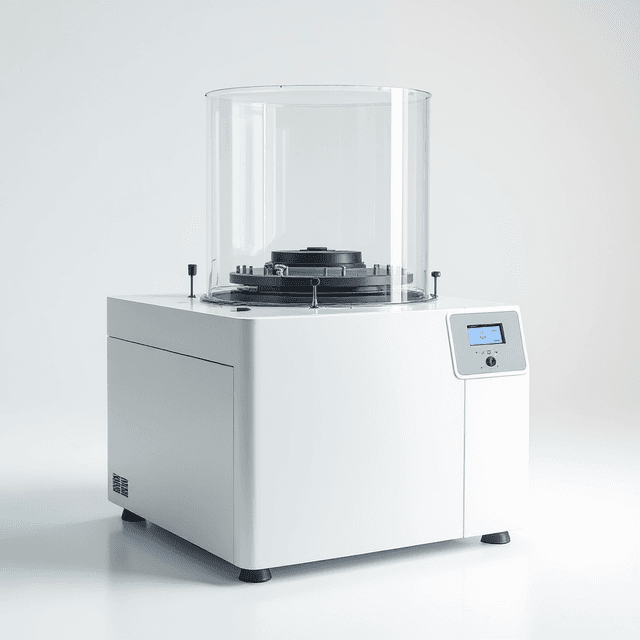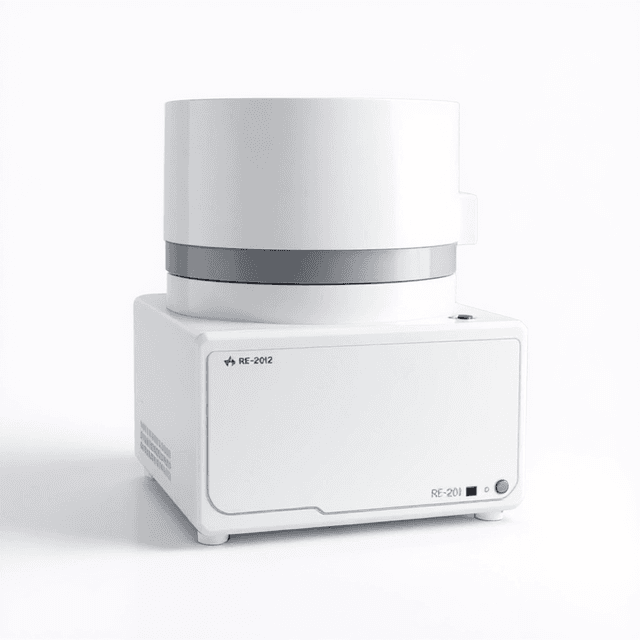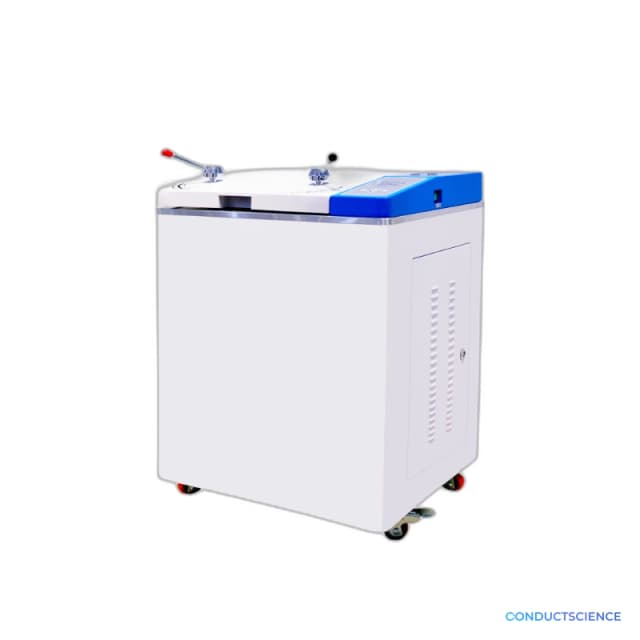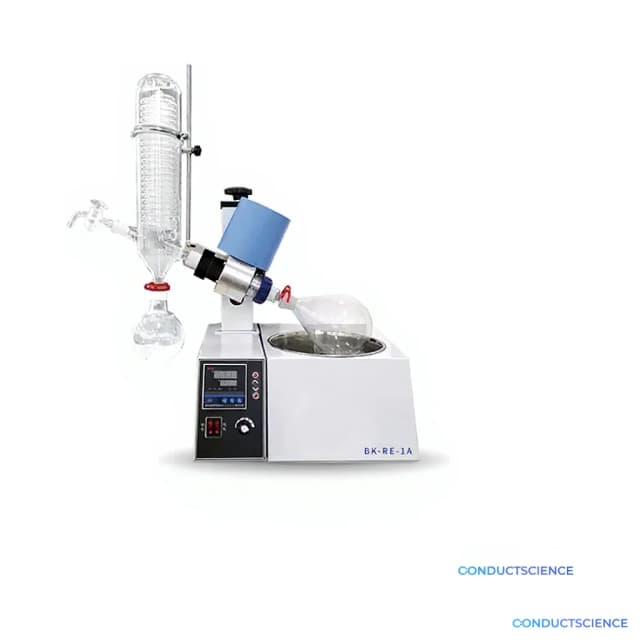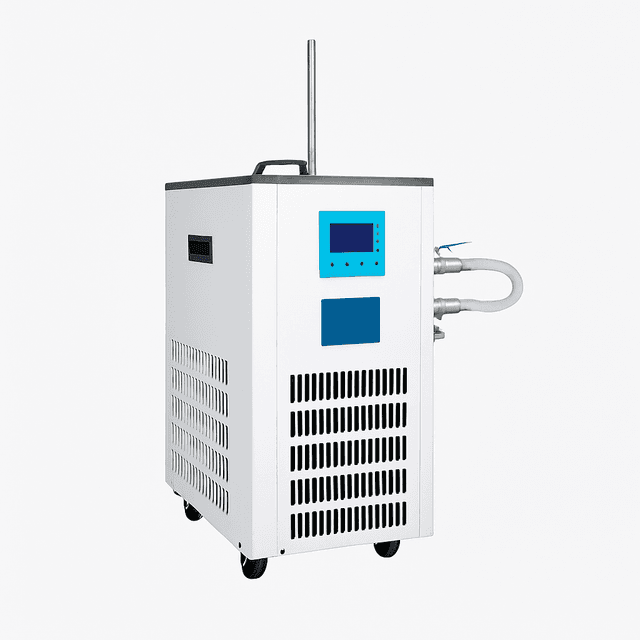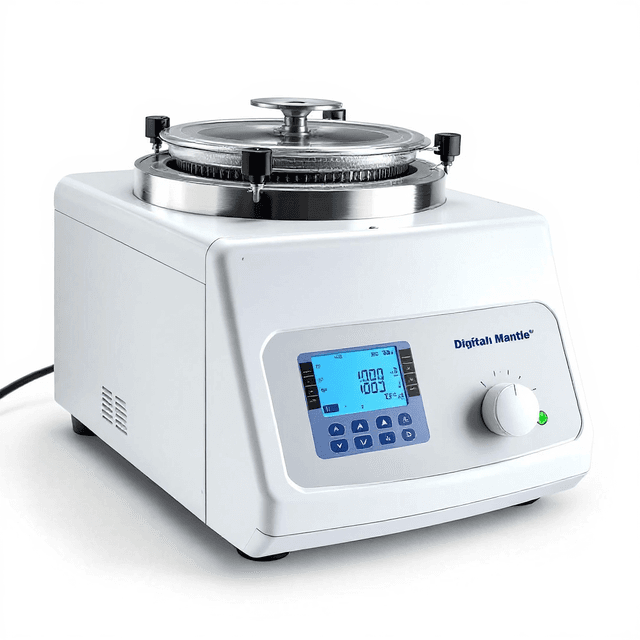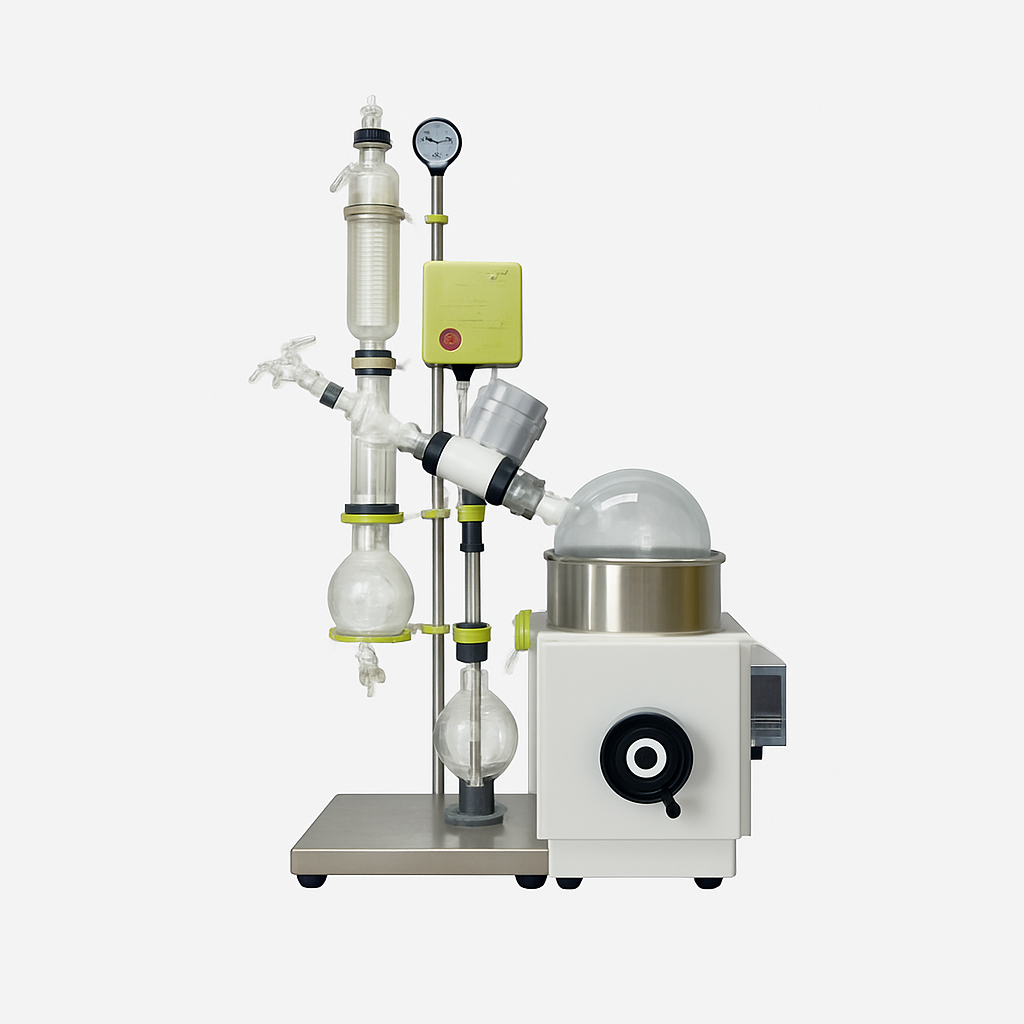
Explosion-proof Rotary Evaporator ExRE-1002 ExRE-2002 ExRE-5003
Explosion-proof rotary evaporators with 10L-50L capacity range, featuring temperature control up to 180°C and variable rotation speeds for safe solvent removal in hazardous environments.

Louise Corscadden, PhD
Director of Science · ConductScience
Ask Louise about Explosion-proof Rotary Evaporator ExRE-1002 ExRE-2002 ExRE-5003 fit, setup, configuration, or quote prep.
Already working with us? Sign in to connect this with My Scientist.
Key Specifications
Full details →- Model fit
- 3 selectable configurations
- SKU family
- BIO-0609
- Shipping box
- 191.0 x 93.0 x 56.0 cm
- Ordering
- Online checkout and quote request available
- Category
- Benchtop Instruments
- Build notes
- Confirm accessories, station layout, and support needs before purchase
Explosion-Proof Rotary Evaporator (EXRE Series)
Professional-grade rotary evaporator with explosion-proof design and precise temperature control. The EXRE series is engineered for safe solvent evaporation and concentration in laboratory and industrial applications, featuring advanced safety features for hazardous material handling.
Key Features
- Explosion-proof design meets industry safety standards
- Precise temperature control with PID regulation
- Multiple capacity options (10L, 20L, 50L)
- Advanced cooling system with condenser
- Vacuum-sealed flask system
- Durable stainless steel construction
- User-friendly digital control panel
- Compatible with various solvents
Applications
- Solvent evaporation and concentration
- Botanical and herbal extraction
- Pharmaceutical research and development
- Chemical synthesis and purification
- Essential oil extraction
- Laboratory research applications
How It Works
Rotary evaporation operates on the principle of reducing solvent boiling point through vacuum application while maintaining controlled temperature and surface area enhancement via flask rotation. The sample flask rotates continuously at speeds up to 120 rpm, creating a thin film of liquid across the flask walls that maximizes surface area exposure. This increased surface area, combined with reduced pressure (-0.095 MPa vacuum), allows solvents to evaporate at temperatures well below their atmospheric boiling points.
The explosion-proof design incorporates specialized electrical components and enclosures that prevent ignition sources from contacting potentially explosive vapor-air mixtures. Temperature control systems maintain precise heating (±1°C accuracy) while rotation mechanisms ensure uniform heat distribution. Evaporated solvents condense in the collecting bottle through a cooled condenser system, enabling solvent recovery and sample concentration.
The three-model series accommodates different processing scales through variable rotary bottle sizes (10L, 20L, 50L) and corresponding collecting bottles (5L, 10L, 20L), with heating power scaling from 3KW to 8KW to match thermal requirements for different volumes.
Features & Benefits
Capacity
- 10L
- 20L
- 50L
Shipping weight
- 116.0 lb
Shipping box
- L: 191.0 cm
- W: 93.0 cm
- H: 56.0 cm
| Feature | This Product | Typical Alternative | Advantage |
|---|---|---|---|
| Capacity Range | 10L to 50L rotary bottles with corresponding 5L to 20L collection bottles | Entry-level models often limited to smaller volumes with fewer capacity options | Accommodates diverse processing scales from laboratory development to pilot production within single equipment series |
| Temperature Control | RT to 180°C with ±1°C accuracy | Standard models may offer lower maximum temperatures or reduced accuracy | Enables processing of higher boiling point solvents while maintaining precision for heat-sensitive compounds |
| Explosion-Proof Design | Certified explosion-proof construction for hazardous environments | Standard laboratory evaporators lack hazardous location certifications | Permits safe operation in environments where flammable vapors present ignition risks |
| Heating Power Options | Variable heating power: 3KW, 5KW, and 8KW configurations | Fixed heating power regardless of vessel size | Matches thermal input to processing volume for optimized evaporation efficiency and energy usage |
| Rotation Speed Control | Variable 0-120 rpm with 120W motor | Limited speed ranges or lower torque motors | Provides fine control over thin film formation for different sample viscosities and volumes |
The ExRE series offers explosion-proof certification with multi-capacity scalability and precise temperature control. Variable heating power configurations and high-torque rotation capability support efficient processing across laboratory to pilot plant scales.
| Model | SKU | Listed price | Status | Shipping box |
|---|---|---|---|---|
| ExRE-5003 | ExRE-5003 | $5,190.00 | Available | 191.0 x 93.0 x 56.0 cm |
| ExRE-2002 | ExRE-2002 | $4,590.00 | Available | 191.0 x 93.0 x 56.0 cm |
| ExRE-1002 | ExRE-1002 | $3,990.00 | Available | 191.0 x 93.0 x 56.0 cm |
Practical Tips
Verify explosion-proof electrical connections remain intact before each use and never operate with damaged enclosures or missing certification labels.
Why: Compromised explosion-proof integrity can create ignition sources in hazardous vapor environments.
Calibrate temperature controller monthly using certified thermometer to maintain ±1°C specification accuracy.
Why: Temperature drift can affect evaporation efficiency and potentially damage heat-sensitive samples.
Schedule annual inspection by certified technician to verify explosion-proof rating compliance and electrical system integrity.
Why: Safety certifications require professional maintenance to preserve hazardous location operating permits.
Match heating power selection to bottle capacity and adjust rotation speed gradually to optimize thin film formation without splashing.
Why: Proper parameter matching maximizes evaporation efficiency while preventing sample loss through violent boiling.
Use appropriate vapor traps between evaporator and vacuum pump to prevent solvent damage to pump components.
Why: Organic solvent vapors can damage pump oil and internal components, leading to vacuum loss and costly repairs.
If vacuum levels drop below -0.095 MPa, check ground glass joint sealing and vacuum line connections before assuming pump failure.
Why: Most vacuum problems result from air leaks rather than pump malfunction, and joint resealing is much faster than pump service.
Record rotation speed, temperature, and vacuum level for each run to establish reproducible processing conditions.
Why: Consistent operating parameters are essential for reproducible evaporation times and sample recovery rates.
Setup Guide
What’s in the Box
- Main evaporator unit with explosion-proof housing
- Rotary bottle (capacity depends on model: 10L, 20L, or 50L)
- Collecting bottle (capacity depends on model: 5L, 10L, or 20L)
- Standard 34# charging valve assembly
- Power cable for specified voltage configuration
- Operating manual with safety certifications
- Vacuum connection hardware (typical)
- Ground glass joint grease (typical)
Warranty
ConductScience provides a one-year manufacturer warranty covering defects in materials and workmanship, with specialized technical support for explosion-proof equipment maintenance and certification requirements.
Compliance
References
Background reading relevant to this product:
What explosion-proof certifications does this equipment carry?
Consult product datasheet for specific explosion-proof certifications. The equipment is designed for hazardous location use where flammable vapors may be present.
How do I select the appropriate model for my processing volume?
Choose based on sample volume: ExRE-1002 (10L rotary/5L collection), ExRE-2002 (20L rotary/10L collection), or ExRE-5003 (50L rotary/20L collection). Consider both initial sample volume and expected concentration ratio.
What maintenance is required for explosion-proof components?
Explosion-proof equipment requires certified technician maintenance to preserve safety ratings. Regular inspection of electrical enclosures, seals, and certification labels is essential for compliance.
Can the heating power be adjusted for different solvents?
Models feature fixed heating power (3KW, 5KW, or 8KW depending on capacity) with variable temperature control up to 180°C. Power selection should match bottle size and typical solvent requirements.
What vacuum pump specifications are required?
System requires vacuum pump capable of achieving -0.095 MPa. Pump must be compatible with organic solvents and include appropriate vapor traps for protection.
How does rotation speed affect evaporation efficiency?
Higher rotation speeds (up to 120 rpm) increase surface area and heat transfer but may cause splashing. Optimize speed based on sample viscosity and volume for maximum efficiency without sample loss.
What are the power supply options for different regions?
Standard configuration uses AC220V 50/60Hz; optional AC110V 60Hz is available. Specify power requirements when ordering to match local electrical infrastructure.
How does this compare to standard rotary evaporators?
Explosion-proof design enables safe use with flammable solvents in hazardous environments but typically requires higher initial investment and specialized maintenance compared to standard laboratory rotary evaporators.
Have a question about this product?
Have a question? Just ask.
Send it over and we'll email you a personalized answer — no call, no scheduling.
Prefer to talk it through?
Upgrade Options