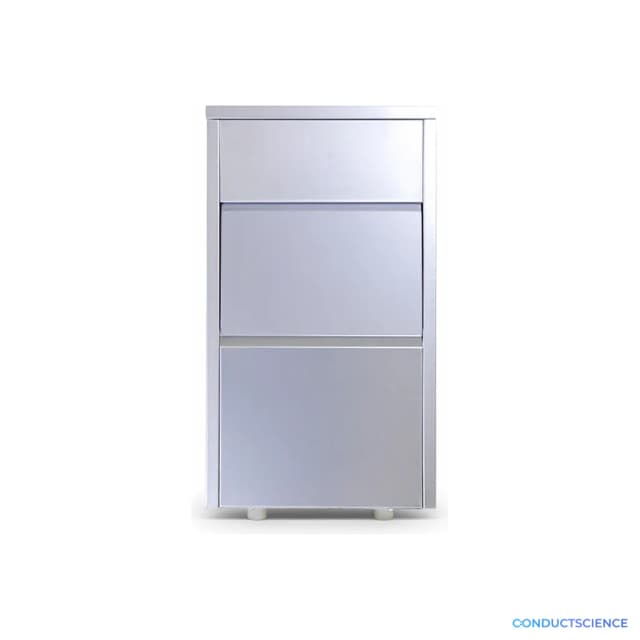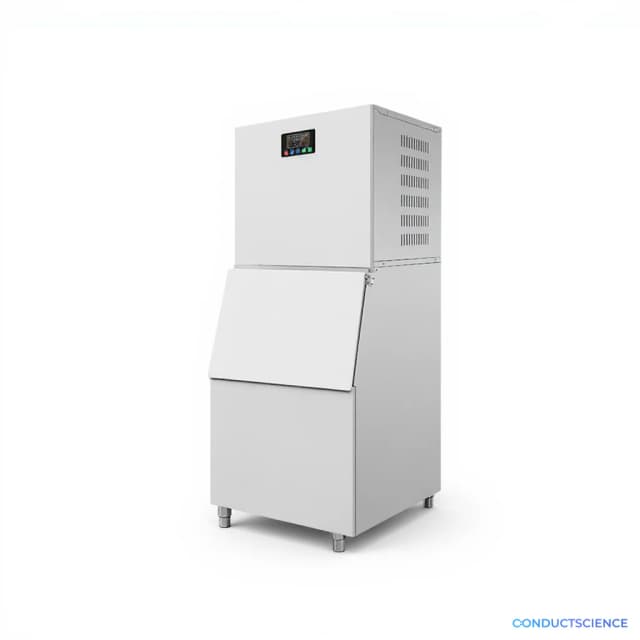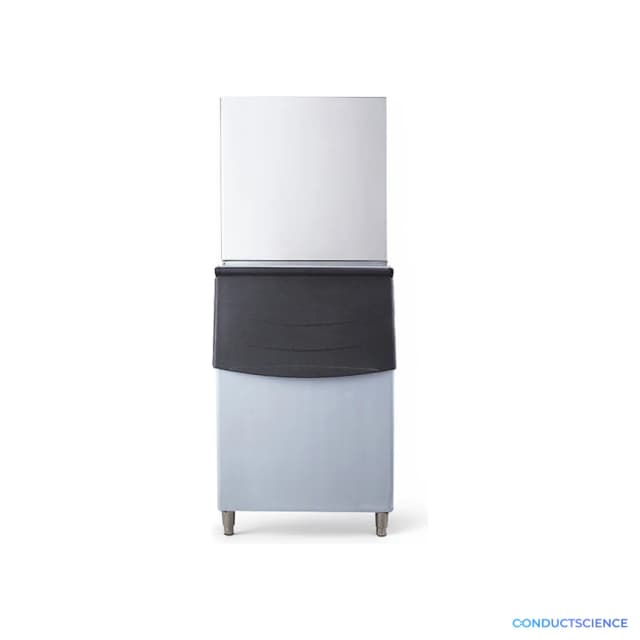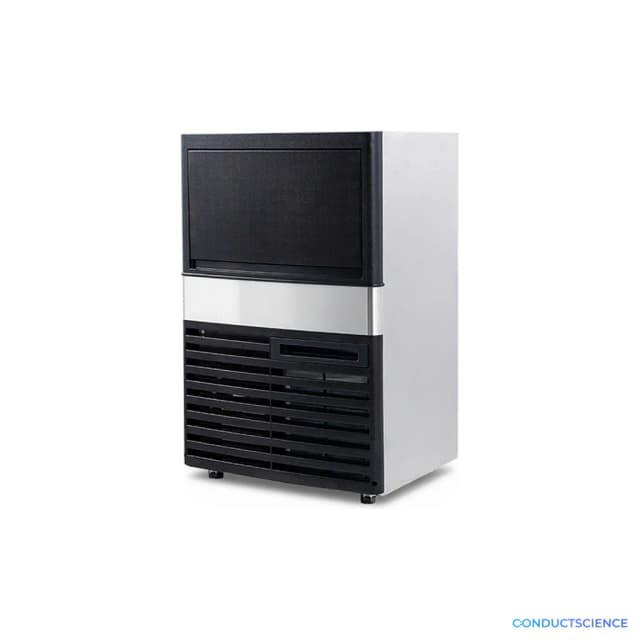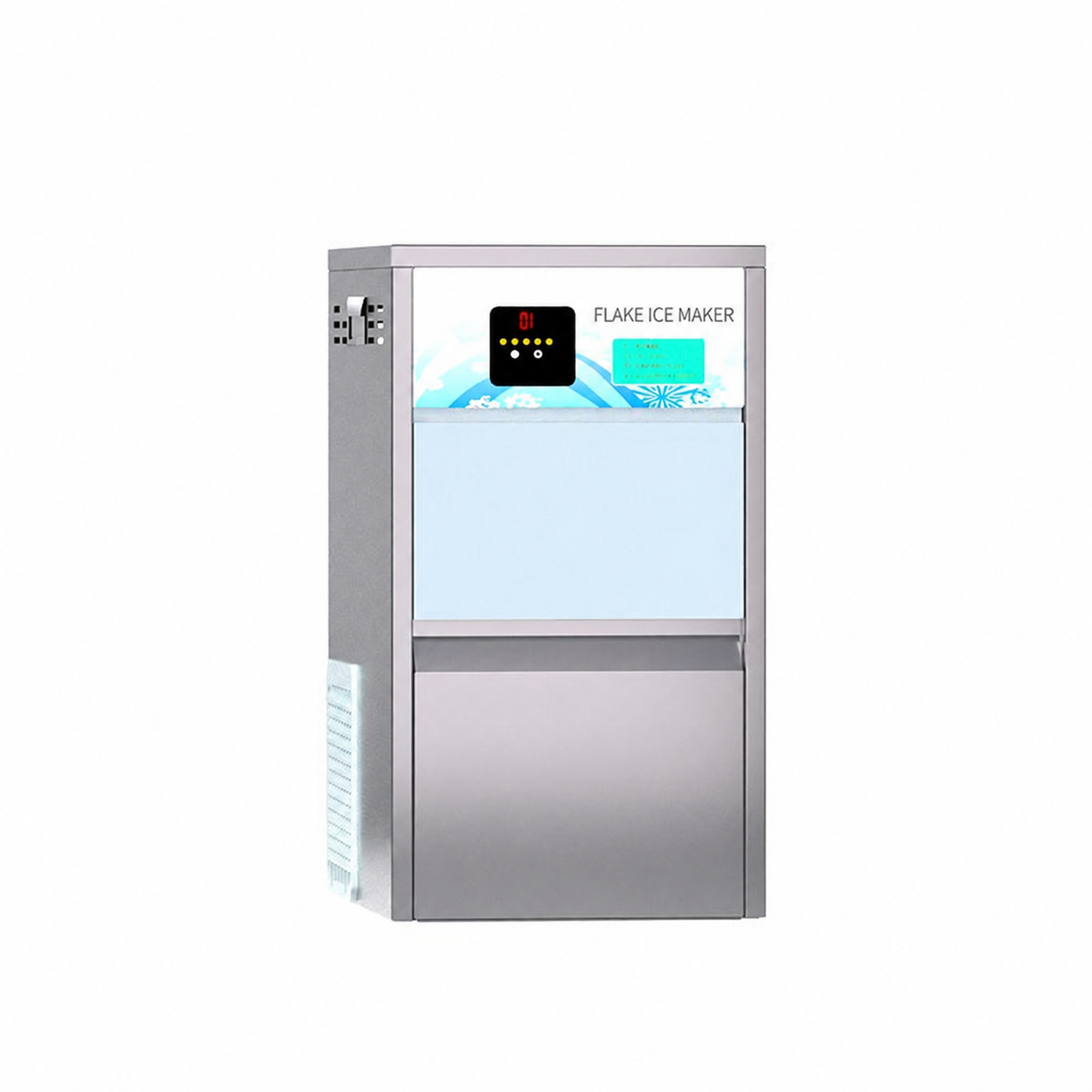
Flake Ice Maker 20kg 30kg
Benchtop flake ice maker producing 20kg/day of small-particle irregular snow ice with 10kg storage capacity for laboratory temperature control applications.

Louise Corscadden, PhD
Director of Science · ConductScience
Ask Louise about Flake Ice Maker 20kg 30kg fit, setup, configuration, or quote prep.
Already working with us? Sign in to connect this with My Scientist.
Key Specifications
Full details →- Model fit
- 7 selectable configurations
- SKU family
- BIO-0128
- Shipping box
- 60.5 x 33.0 x 48.0 cm
- Ordering
- Online checkout and quote request available
- Category
- Ice Makers
- Build notes
- Confirm accessories, station layout, and support needs before purchase
Advanced flake ice maker designed for laboratories and industrial applications. Features reliable ice production with adjustable settings and compact design.
How It Works
The system operates through controlled crystallization using an air-cooled condensation cycle with R290 refrigerant. Water enters through the inlet system and contacts the evaporator surface, where rapid freezing creates small, irregular ice particles. The scraping mechanism continuously removes formed ice, preventing large crystal formation and maintaining the characteristic flake structure.
Air cooling dissipates heat generated during the refrigeration cycle, allowing continuous operation within the specified ambient temperature range. The irregular particle geometry maximizes surface area while providing moldable properties ideal for conforming to containers and samples of various shapes.
Features & Benefits
Shipping weight
- 26.0 lb
Shipping box
- L: 60.5 cm
- W: 33.0 cm
- H: 48.0 cm
| Model | SKU | Listed price | Status | Shipping box |
|---|---|---|---|---|
| BK-IMS300A | BK-IMS300A | $6,499.00 | Available | 60.5 x 33.0 x 48.0 cm |
| BK-IMS200 | BK-IMS200 | $4,999.00 | Available | 60.5 x 33.0 x 48.0 cm |
| BK-IMS85 | BK-IMS85 | $3,499.00 | Available | 60.5 x 33.0 x 48.0 cm |
| BK-IMS50 | BK-IMS50 | $2,799.00 | Available | 60.5 x 33.0 x 48.0 cm |
| BK-IMS40 | BK-IMS40 | $2,499.00 | Available | 60.5 x 33.0 x 48.0 cm |
| BK-IMS30 | BK-IMS30 | $1,799.00 | Available | 60.5 x 33.0 x 48.0 cm |
| BK-IMS20 | BK-IMS20 | $1,499.00 | Available | 60.5 x 33.0 x 48.0 cm |
Practical Tips
Monitor initial ice production cycles to establish baseline capacity and verify consistent output quality before routine use.
Why: Early verification ensures system performance meets laboratory requirements and identifies any installation issues.
Clean ice storage compartment weekly with sanitizing solution and inspect water inlet connections monthly.
Why: Regular cleaning prevents bacterial growth and maintains ice quality for laboratory applications.
Use provided ice spoon for transfer and avoid direct hand contact with ice intended for sample cooling.
Why: Proper handling maintains ice cleanliness and prevents contamination in sensitive laboratory procedures.
Verify drainage system flow weekly to prevent water backup that could affect ice production capacity.
Why: Proper drainage ensures continuous operation and prevents overflow conditions during peak production.
Install optional water filter when using tap water sources with high mineral content or variable quality.
Why: Filtered water improves ice clarity and reduces mineral buildup that can affect system performance over time.
If ice production decreases, check ambient temperature and ensure adequate ventilation clearances around the unit.
Why: Air-cooled systems require proper heat dissipation to maintain efficient refrigeration cycle performance.
Allow 30-minute equilibration period after power connection before first ice production to prevent compressor damage.
Why: Temperature stabilization protects refrigeration components and ensures proper system operation from initial startup.
Record ice production rates and water consumption during initial weeks to establish performance baselines for your laboratory conditions.
Why: Baseline data helps identify performance changes that may indicate maintenance needs or system optimization opportunities.
Setup Guide
Complete installation support and operator training included. System includes water supply connection, electrical requirements, and maintenance procedures.What’s in the Box
- Flake ice maker main unit
- Water inlet pipe
- Drainage pipe
- Ice spoon
- User manual (typical)
- Power cord (typical)
- Installation hardware (typical)
Warranty
ConductScience provides a standard one-year manufacturer warranty covering parts and labor, with technical support available for installation guidance and operational troubleshooting.
Compliance
Comprehensive operation manuals, maintenance schedules, and troubleshooting documentation. Technical support available.Have a question about this product?
Have a question? Just ask.
Send it over and we'll email you a personalized answer — no call, no scheduling.
Prefer to talk it through?
Upgrade Options