Plant Physiology and Ecology Monitoring System
Wireless, GPS-enabled plant physiology monitor tracking growth, microclimate, and soil variables via GPRS with IP67 weatherproofing.
Quote-configured.

Louise Corscadden, PhD
Director of Science · ConductScience
Ask Louise about Plant Physiology and Ecology Monitoring System fit, setup, configuration, or quote prep.
Already working with us? Sign in to connect this with My Scientist.
Key Specifications
Full details →- Model fit
- Configured during quote
- SKU family
- AGR-0033
- Sizing
- Model-specific dimensions confirmed from the selected configuration
- Ordering
- Quote-reviewed before fulfillment
- Category
- Agriculture & Food Science
- Build notes
- Confirm accessories, station layout, and support needs before purchase
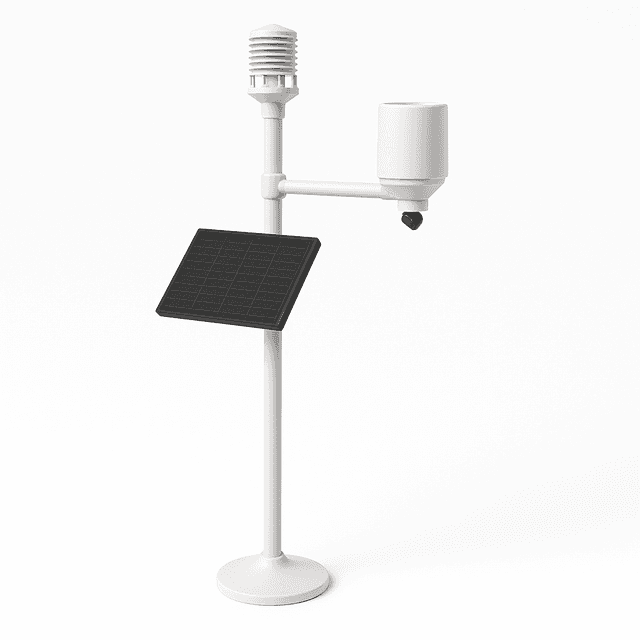
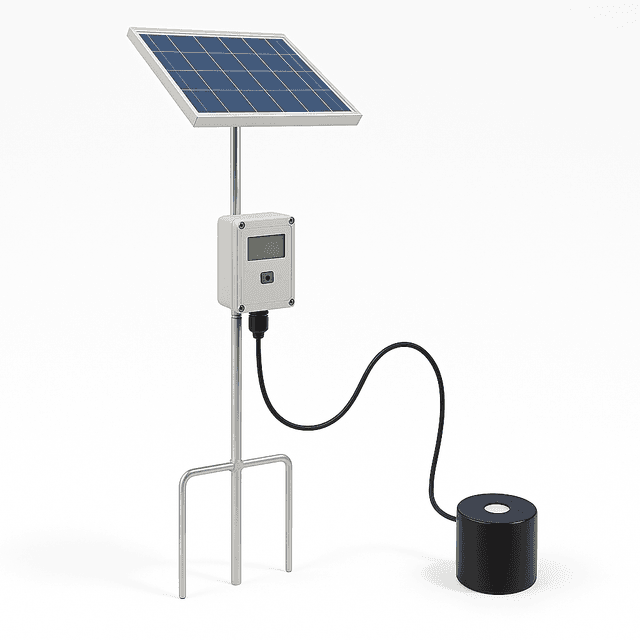
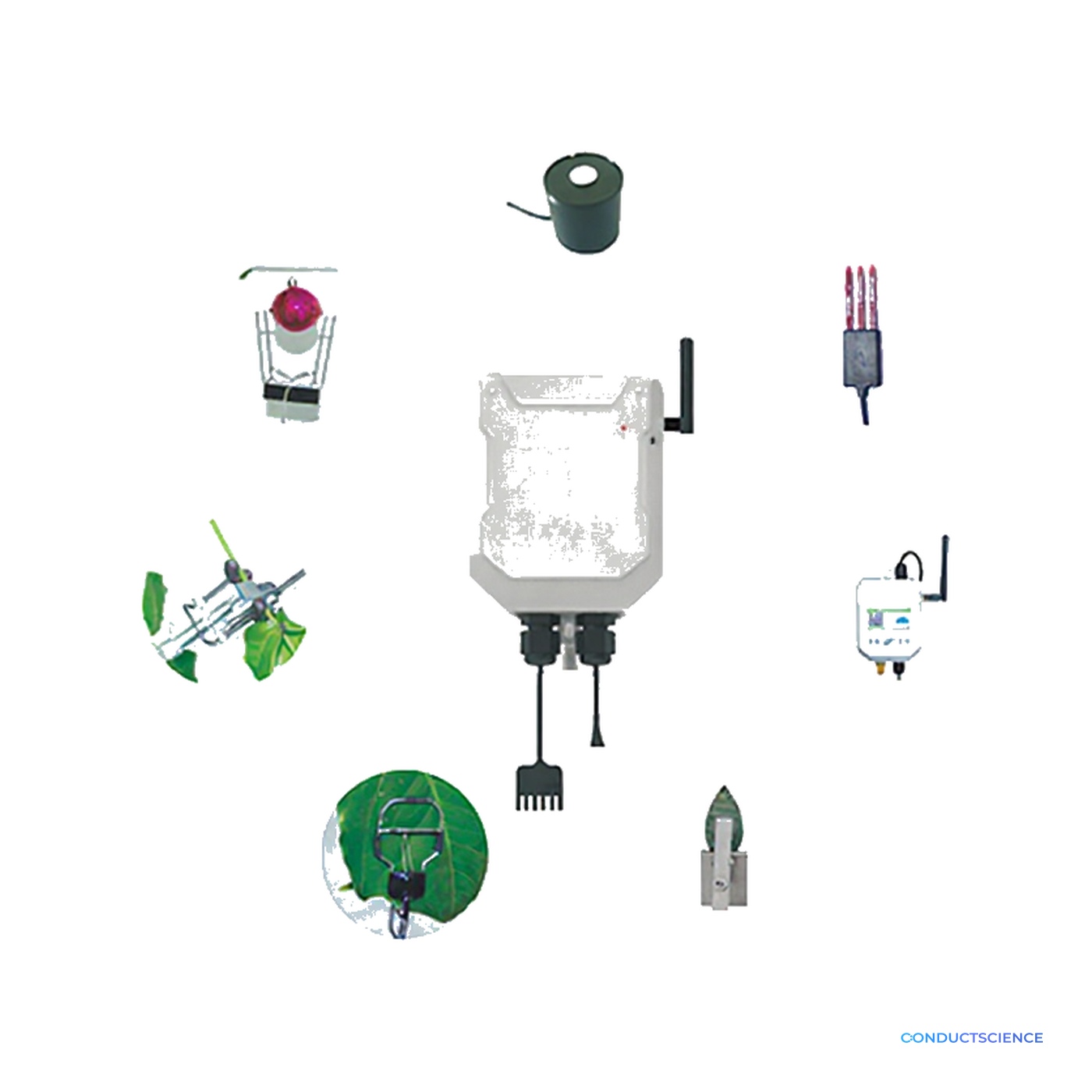
The Plant Physiology and Ecology Monitoring System is a wireless, field-deployable data collection platform designed to track the physiological status of plants alongside the environmental conditions that drive growth, stress, and productivity. Onboard sensors capture core variables including air temperature, relative humidity, leaf temperature, fruit dimensional change, and stem micro-change, while an optional sensor suite extends coverage to leaf humidity, light intensity, carbon dioxide concentration, soil moisture, soil temperature, and soil electrical conductivity.
Data are transmitted wirelessly via GPRS and can be cached locally for approximately 500,000 data points, ensuring continuous logging even in areas with intermittent connectivity. An integrated GPS positioning device geotags each dataset, and a built-in alarm function alerts researchers when monitored parameters move outside defined thresholds — supporting timely intervention in both research plots and production fields.
The system operates across a wide environmental range (−20 °C to 70 °C) and carries an IP67-rated weatherproof enclosure, making it suitable for year-round outdoor deployment. Power comes from a 20 Ah / 3.7 V polymer lithium battery paired with standard solar panels, enabling long-duration, low-power continuous monitoring without frequent site visits.
Because sensor selection, placement configuration, and communication settings vary by study protocol and crop type, this system is configured to your specific research requirements. Contact us to request a quote and describe your monitoring objectives — our team will help specify the right sensor combination for your application.
Operating Temperature Range
- -20 °C to 70 °C
Enclosure Waterproof Rating
- IP67
Battery Capacity
- 20 Ah / 3.7 V polymer lithium
Local Data Cache Capacity
- Approximately 500,000 data points
Data Transmission
- Wireless GPRS
Positioning
- Integrated GPS
Power Supply
- Rechargeable lithium battery with standard solar panels
Standard Sensors
- Air temperature, relative humidity, leaf temperature, fruit dimensional change, stem micro-change
Optional Sensors
- Leaf humidity, light intensity, carbon dioxide, soil moisture, soil temperature, soil electrical conductivity
Alarm Function
- Yes — threshold-based alerts
Which sensors are included as standard, and which are optional add-ons?
The standard sensor package covers air temperature, relative humidity, leaf temperature, fruit dimensional change, and stem micro-change. Optional sensors — including leaf humidity, light intensity, carbon dioxide, soil moisture, soil temperature, and soil electrical conductivity — can be added when configuring the system for your specific study protocol.
How is the system powered, and how long can it operate in the field without maintenance?
The system is powered by a 20 Ah / 3.7 V polymer lithium battery and comes with standard solar panels to support continuous recharging. This low-power design is intended for long-duration unattended deployment; exact runtime will depend on sensor load, sampling frequency, and local solar conditions.
How does data transmission work, and what happens if connectivity is lost?
Data are transmitted wirelessly via GPRS to allow remote access. The onboard storage can cache approximately 500,000 data points locally, so measurements are preserved even if cellular connectivity is temporarily unavailable and can be retrieved once the connection is restored.
Is the system suitable for outdoor use in harsh weather conditions?
Yes. The enclosure carries an IP67 waterproof rating, and the operating temperature range spans −20 °C to 70 °C, making the system appropriate for year-round outdoor deployment across a wide range of climates and field conditions.
Can the system be tailored to a specific crop type or research protocol?
The system is configured to match your study requirements. Sensor selection, the number of monitoring nodes, and communication settings can all be specified when you request a quote, ensuring the final configuration aligns with your crop type, plot layout, and data collection objectives.
Have a question about this product?
Have a question? Just ask.
Send it over and we'll email you a personalized answer — no call, no scheduling.
Prefer to talk it through?
Frequently Bought Together